
Nature has a way of keeping things interesting, and not always in the smartest way. Plenty of animals don’t make the best choices and take themselves out through weird, instinct-driven failures. These aren’t creatures looking for trouble, but trouble somehow finds them. This list mixes fascinating and unfortunate ways animals unintentionally meet their end.
Pea Aphids
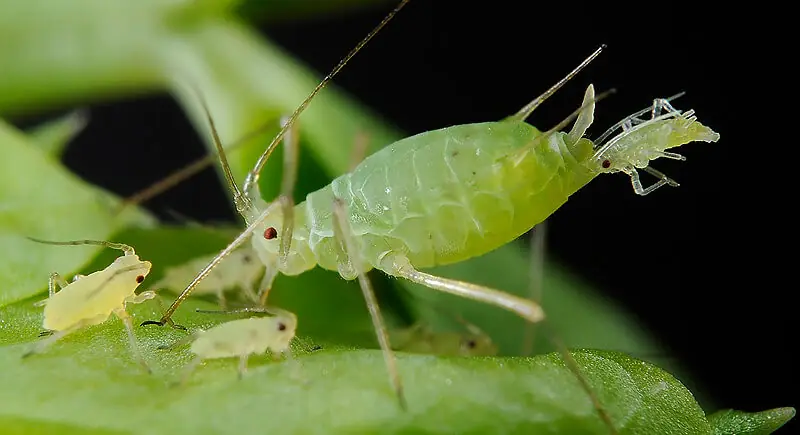
Aphids are tiny, plant-sucking insects, but when danger strikes, some take self-defense to an explosive level. To protect their colony, they release a sticky, toxic substance that deters predators like ladybugs. This process is a one-way ticket to hero status because it ruptures their own bodies and eventually kills them.
Honeybees
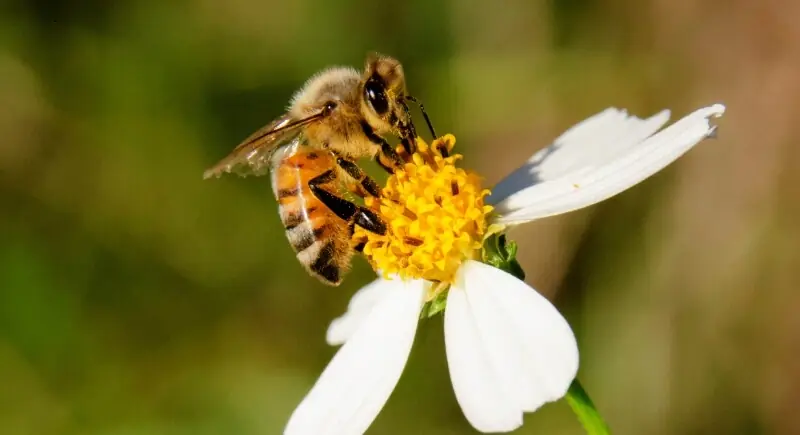
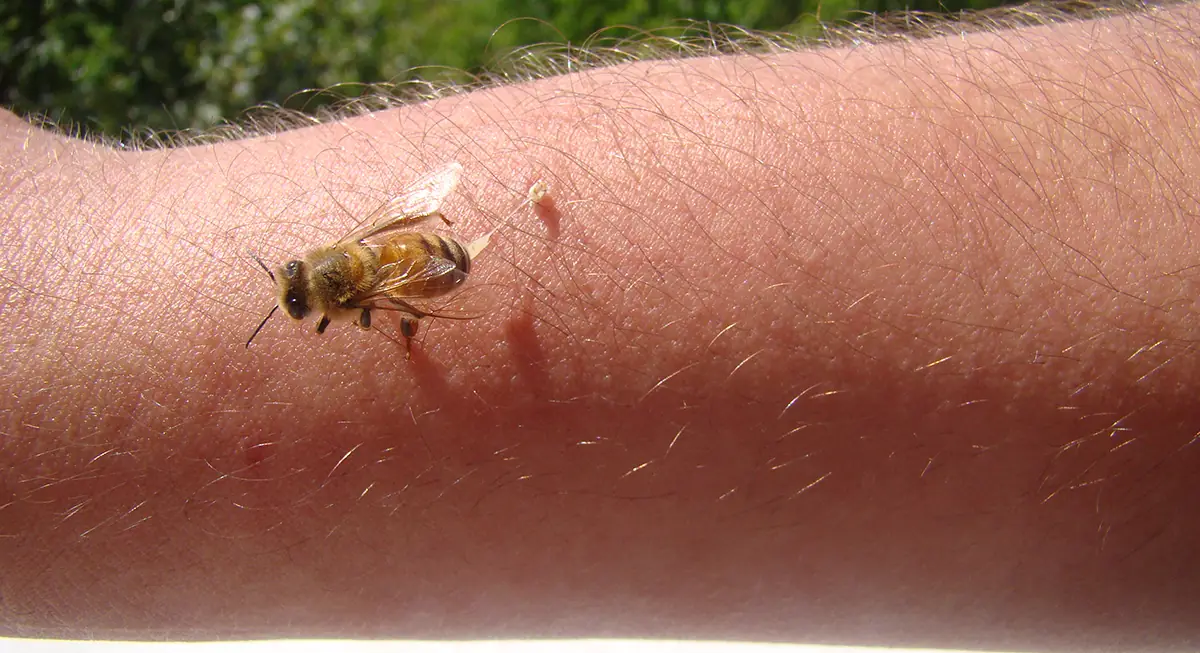
If a bee feels threatened and decides to sting, it pays the ultimate price. Bee stingers are barbed, so once they pierce the skin of a mammal, they get stuck. As the bee pulls away, it leaves behind part of its abdomen, which ultimately kills this tiny insect.
Termites
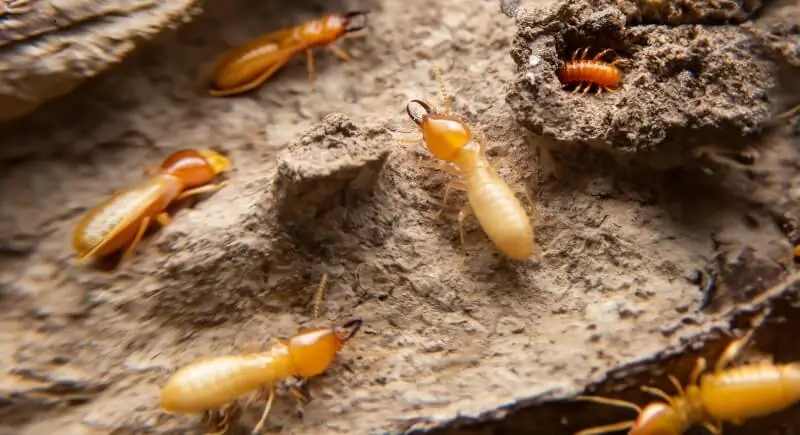
Globitermes sulphureus soldiers have a unique way of deterring invaders—they explode. When under attack, these termites rupture special glands in their bodies and release a sticky, toxic goo that immobilizes enemies like ants. It’s a last-resort defense mechanism that costs them their lives but helps protect the colony.
Octopuses
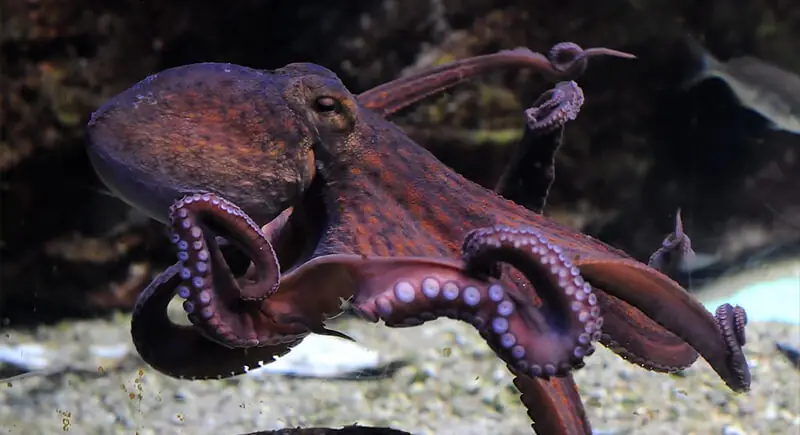
Octopuses are among the most intelligent creatures in the ocean, but their reproductive cycle is a real downer. After laying eggs, a female octopus stops eating, deteriorates rapidly, and dies. Males don’t have it much better—they die soon after mating, sometimes even being consumed by the female.
Tarsiers
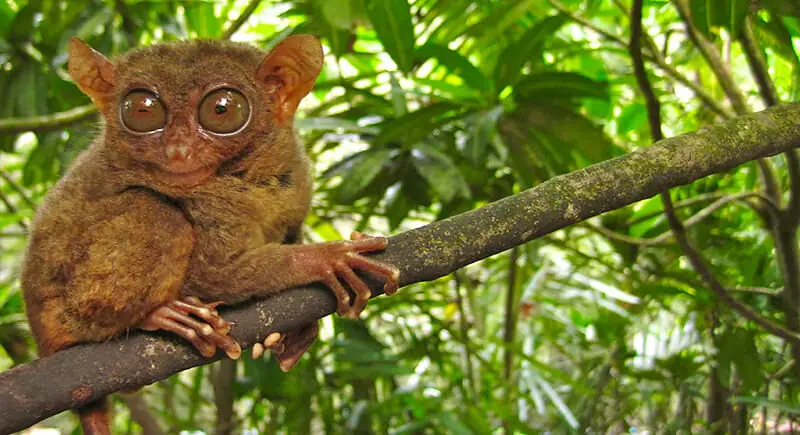
Tarsiers’ cuteness hides a nervous disposition that can be deadly. These animals are susceptible to stress, and when they feel threatened in captivity, they sometimes react in the worst way possible. They bash their own heads against hard surfaces. This self-injury is often fatal.
Porcupines
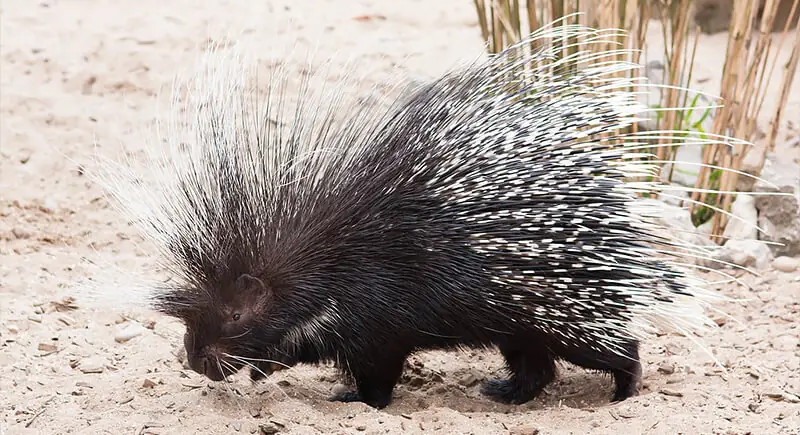
These spiky rodents are excellent climbers but occasionally miscalculate a branch’s strength and take an unfortunate tumble. Their quills are razor-sharp and barbed, meaning a fall often results in stabbing themselves. Fortunately, their quills are designed to detach easily and are coated with an antibiotic substance that helps prevent fatal infections. So, while injuries can occur, they are unlikely to be lethal.
Lemmings
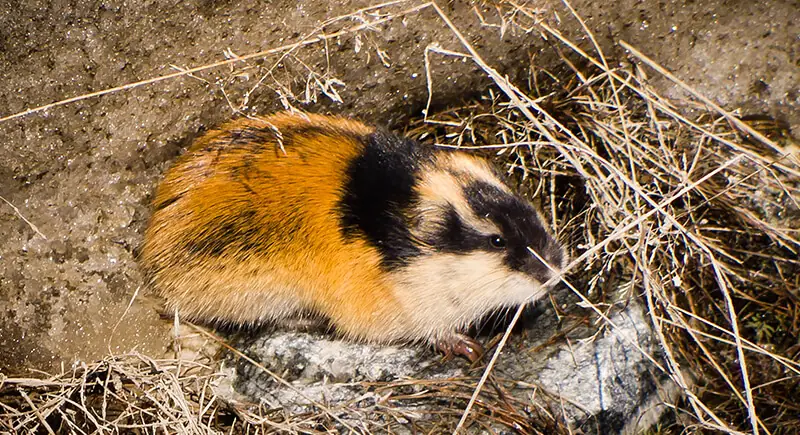
Lemmings have been unfairly accused of committing mass suicide. The truth is, they don’t intentionally jump off cliffs, but they do have a habit of getting themselves into dangerous situations. They experience population booms, which leads to mass migrations where they sometimes misjudge terrain, drown due to exhaustion, and fall in rocky paths.
Rabbits
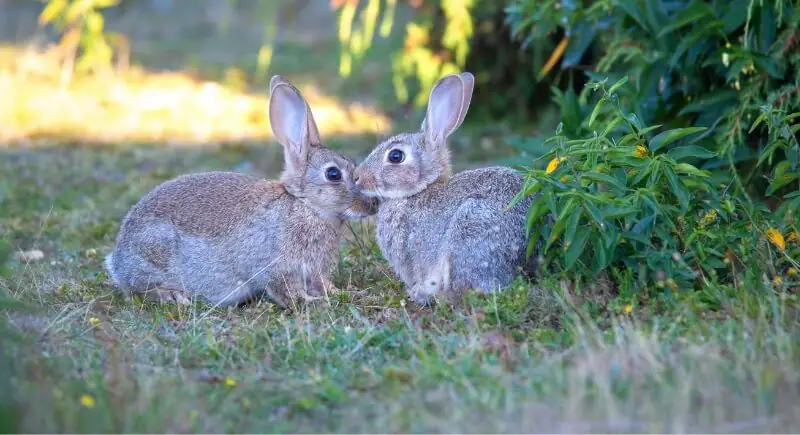
Rabbits may seem like carefree creatures, but stress is deadly for them. Their digestive systems are delicate, and they may stop eating when they experience extreme fear. This leads to a fatal condition called gastrointestinal stasis, where food stops moving through the digestive tract. In some cases, sheer panic also causes heart failure.
Salmon
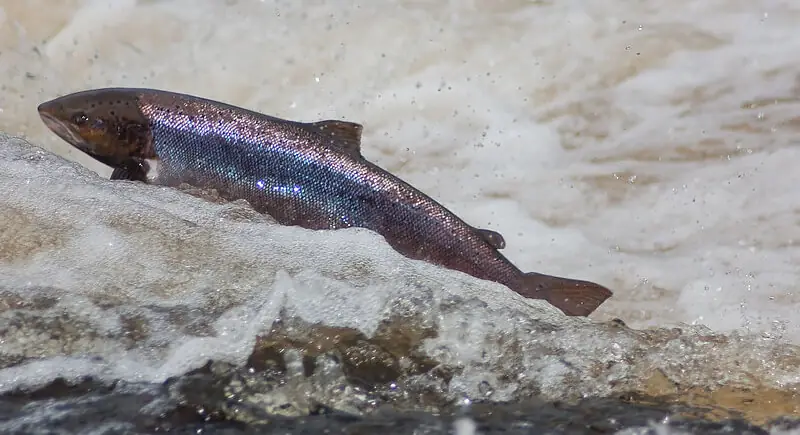
Every year, salmon take on one of nature’s most grueling journeys—swimming upstream to spawn. It’s an exhausting marathon that takes every ounce of energy they have. By the time they reach their spawning grounds, their bodies are so worn down that they start to decay while still alive. Shortly after laying eggs, they die.
Praying Mantises
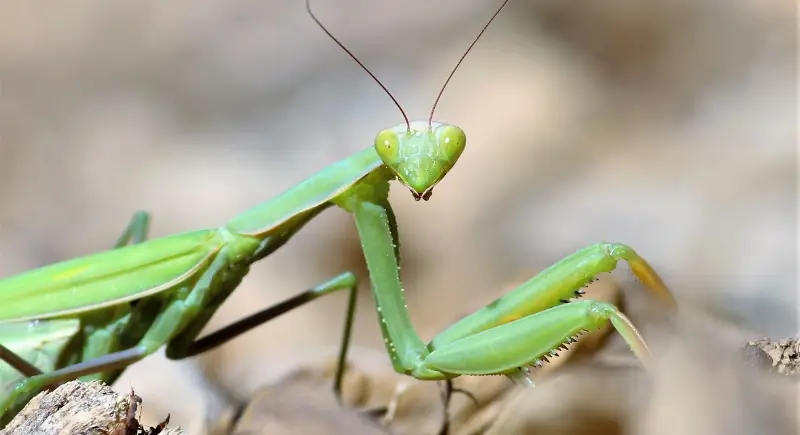
Mating is risky for mantises, as females have a habit of turning dinner dates into actual dinners. In some species, females decapitate their partners mid-mating, which ironically increases the male’s chances of successfully fertilizing her eggs. The nervous system keeps the mating process going even after the male has lost his head.
Male Redback Spiders
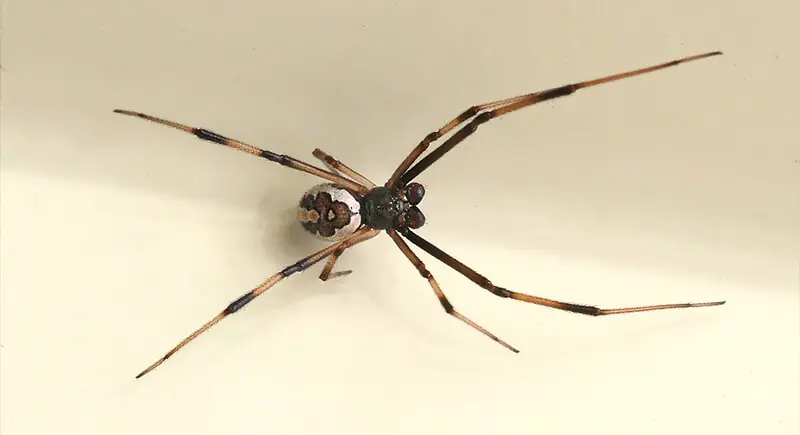
During mating, male redback spiders perform an elaborate courtship dance, then voluntarily somersault onto the female’s fangs. If she’s in the mood for a snack, she’ll eat him while mating continues. This benefits the male’s reproductive success, as females eating their mates are less likely to mate again.
Grasshoppers
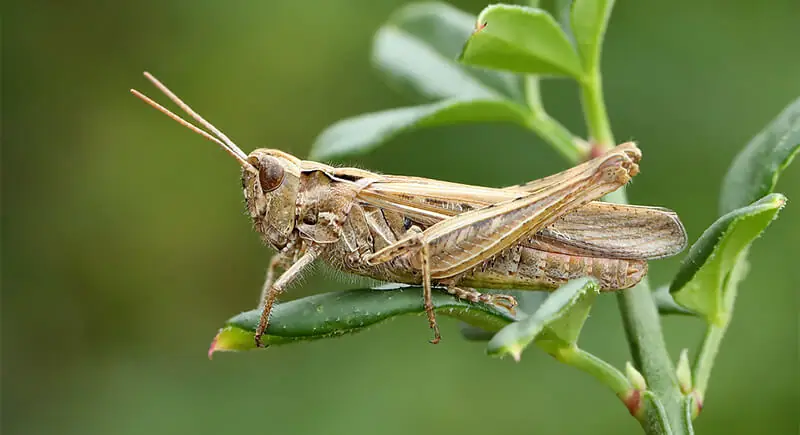
Grasshoppers commonly lead simple lives by munching on plants and avoiding predators. But when parasitic hairworms get involved, things take a dark turn. These worms infect grasshoppers and manipulate their behavior by driving them toward water. The grasshopper, under the parasite’s control, jumps into a pond or river and drowns.
Ants (Camponotus)
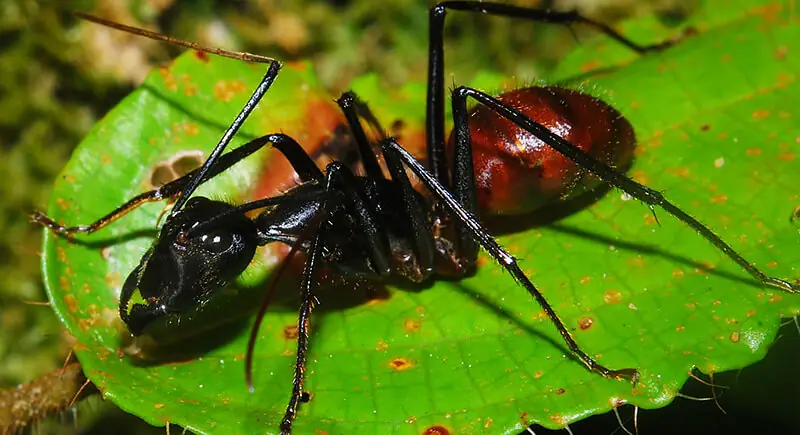
Camponotus saundersi has a defense mechanism that sounds like something from a sci-fi movie. When threatened, these ants flex their bodies so hard that their internal glands rupture to release a sticky, toxic substance that immobilizes enemies. It’s an extreme way to protect the colony but a sure way to end one’s life.
Kangaroos
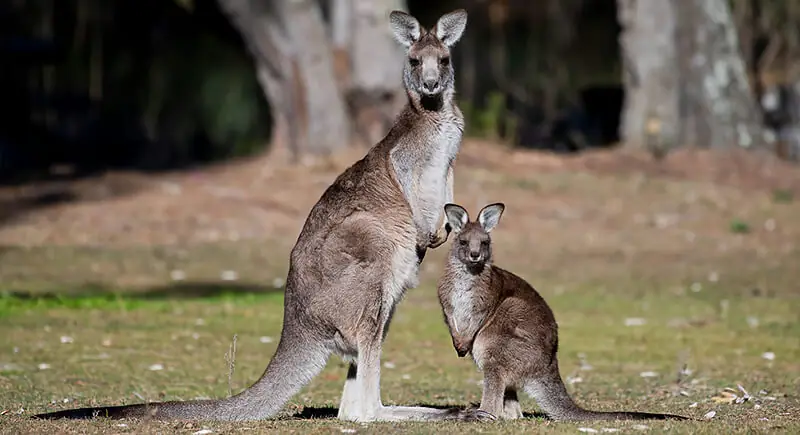
Kangaroos often misjudge distances and jump directly into traffic. Since they’re most active at dawn and dusk, accidents are common during these times. In some areas, fences and road signs try to minimize the problem, but stopping them isn’t easy when a kangaroo decides it’s time to go.
Deers
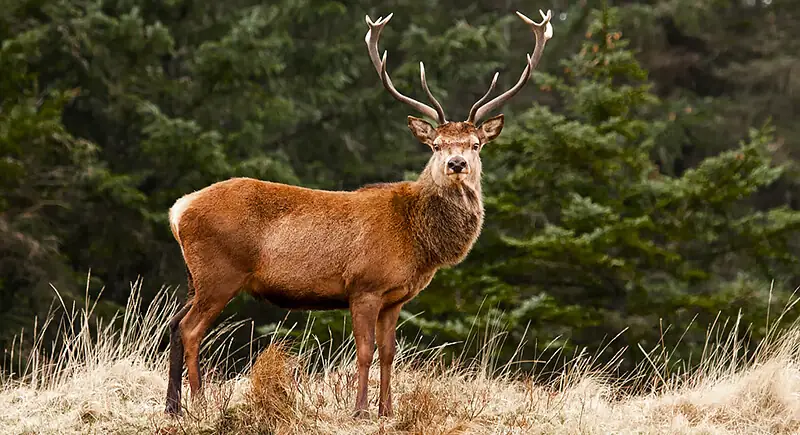
Deer aren’t exactly known for their decision-making skills. During mating season, male deer become so focused on chasing a potential mate that they ignore everything else. This includes traffic, fences, and even cliffs. When hormones take over, self-preservation isn’t high on the priority list, and it shows.
Babirusa
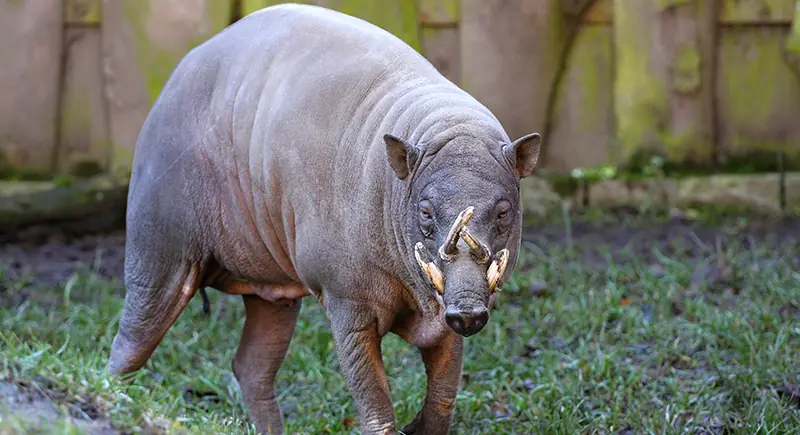
Male babirusas grow upper tusks that curl upward through the snout and back toward the skull. In rare cases, if those tusks are not worn down, they can continue growing into the animal’s own head. That abnormal growth can cause infections, brain damage, and death without any outside threat.
Sloths
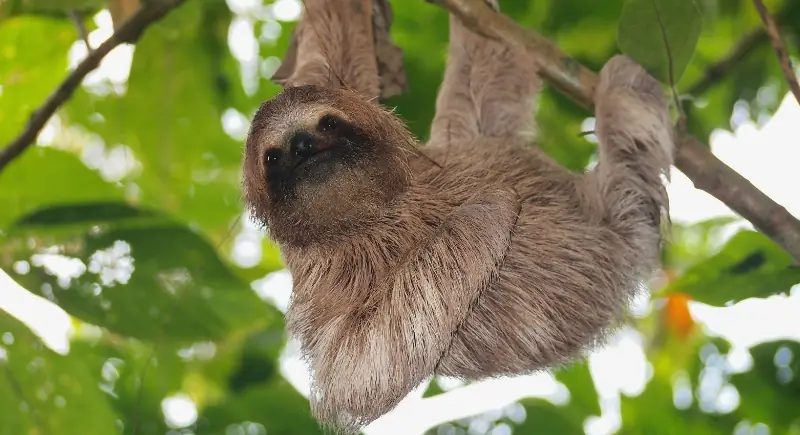
Sloths unintentionally put themselves at risk through a rigid bathroom routine. About once a week, they climb down from trees to defecate on the forest floor. This slow, exposed trip dramatically increases the chance of fatal attacks by predators, turning a basic biological habit into a deadly vulnerability.





