
Some animal facts sound like they were invented for shock value, but then you check the research and realize they are completely real. Biologists have documented mammals that light up when exposed to UV rays, amphibians that can endure freezing temperatures, and marine animals built with multiple hearts.
The explanations for these unusual traits typically revolve around anatomy, genetics, or survival strategy.
Horses Physically Cannot Vomit
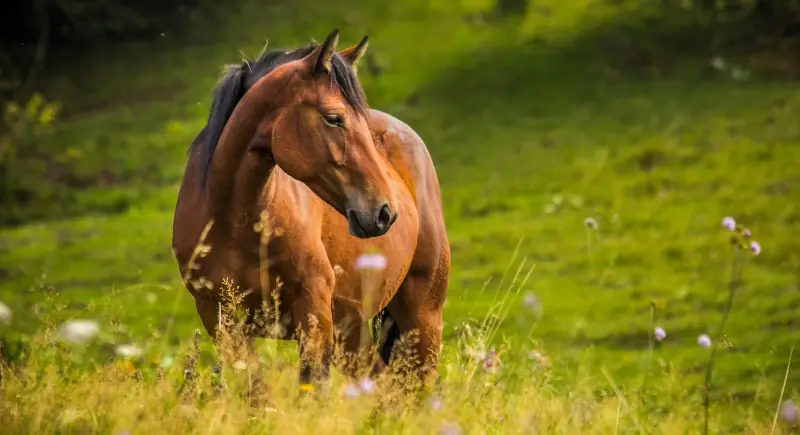
A horse’s anatomy prevents it from vomiting in almost all circumstances. The lower esophageal sphincter functions as a powerful one-way valve that blocks backward flow. Veterinary records show virtually no confirmed cases of successful vomiting. This limitation creates serious health risks. If a horse ingests toxic plants or develops a blockage, pressure builds in the stomach.
Platypuses Glow Under Ultraviolet Light
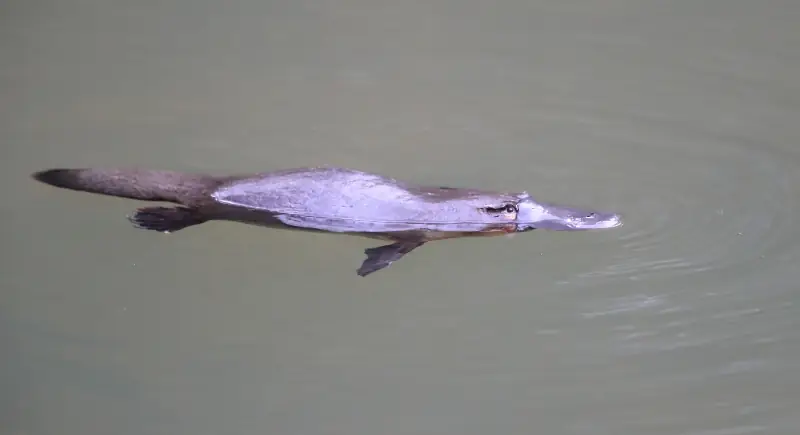
In 2020, professionals examining museum specimens discovered that platypus fur glows blue-green under ultraviolet light. The fur absorbs UV radiation and re-emits visible wavelengths, a process called biofluorescence. Both males and females display the trait. Experts suspect the glow may help reduce visibility in low-light river environments where platypuses forage at night.
Male Seahorses Carry the Pregnancy
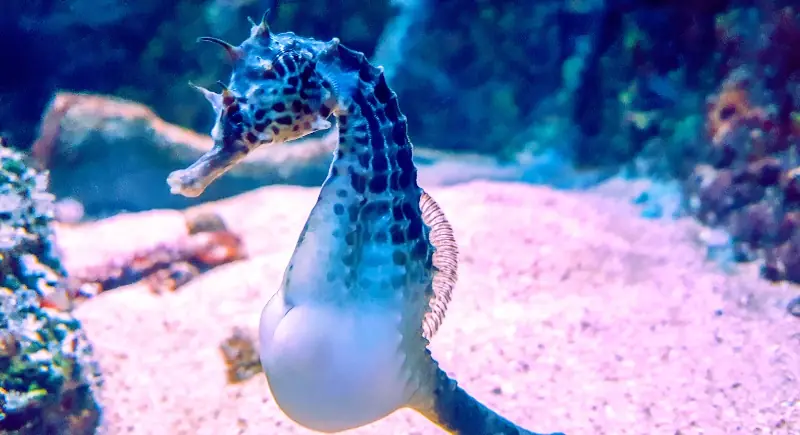
From what we know about reproduction in most animal species, females carry and deliver the young. But when it comes to seahorses, the male develops a brood pouch on his abdomen that works almost like a womb. During courtship, the female transfers her eggs into that pouch. The male fertilizes them internally and carries the embryos for roughly 10 to 25 days.
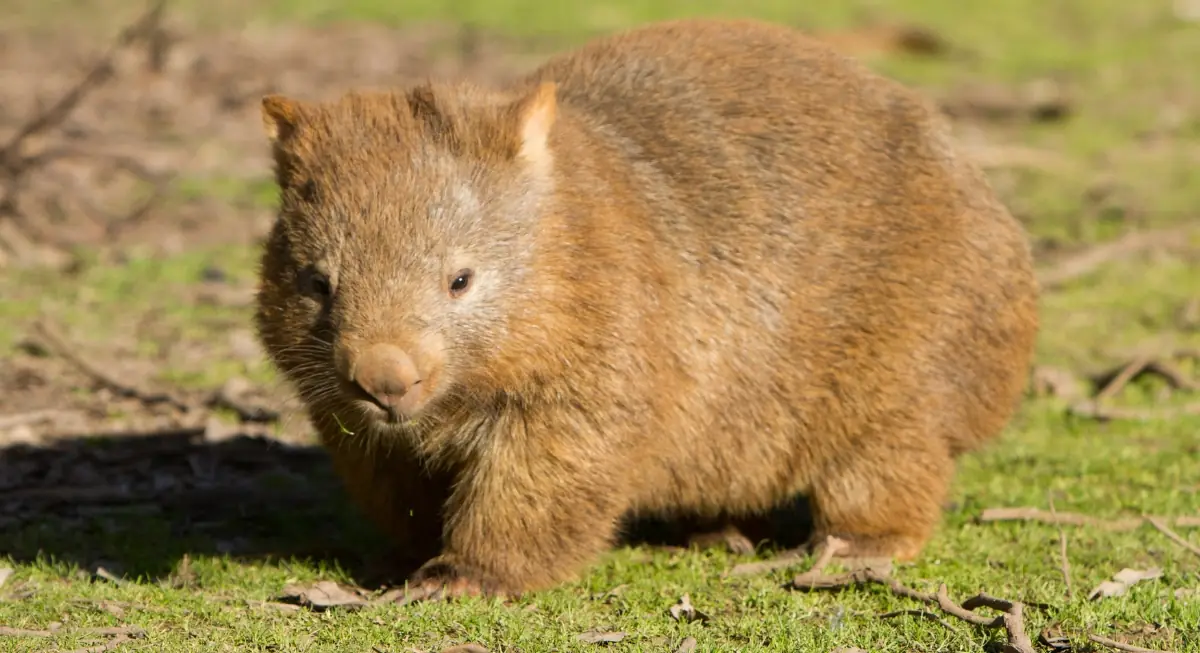
Wombats Produce Cube-Shaped Droppings
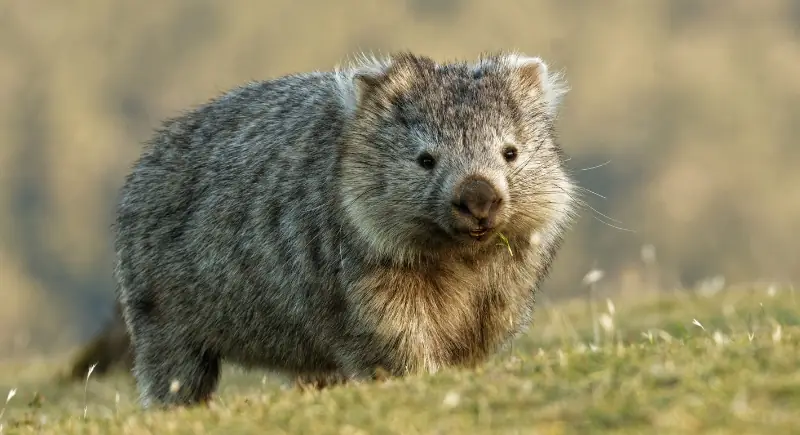
It may sound strange, but wombat droppings actually drew scientific attention. In 2019, researchers even received an Ig Nobel Prize for studying why they come out as neat little cubes. Unlike most animals that produce rounded pellets, wombats release distinctly cube-shaped feces, a rare quirk that continues to fascinate scientists.
The Immortal Jellyfish Can Reset Its Life
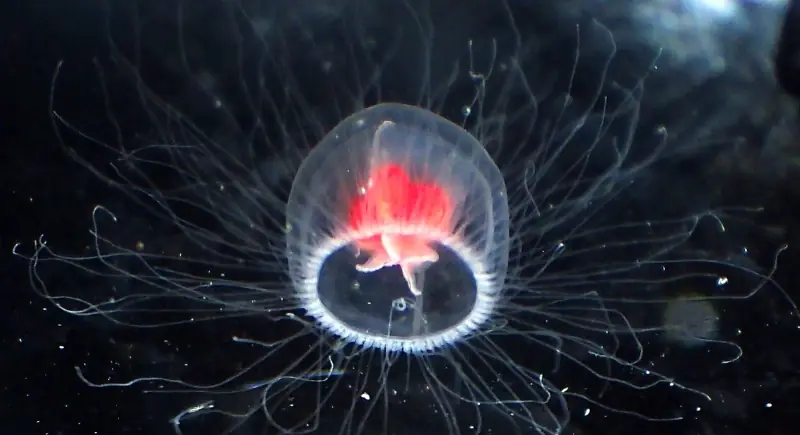
Turritopsis dohrnii has attracted attention because it can reverse its own aging. When it experiences stress, injury, or starvation, it reverses the process and transforms adult cells back into a polyp stage. The jellyfish then restarts its life cycle. This transformation has been observed multiple times in laboratory settings, where 93 genes were linked to cellular reprogramming.
Octopuses Have Three Hearts and Blue Blood
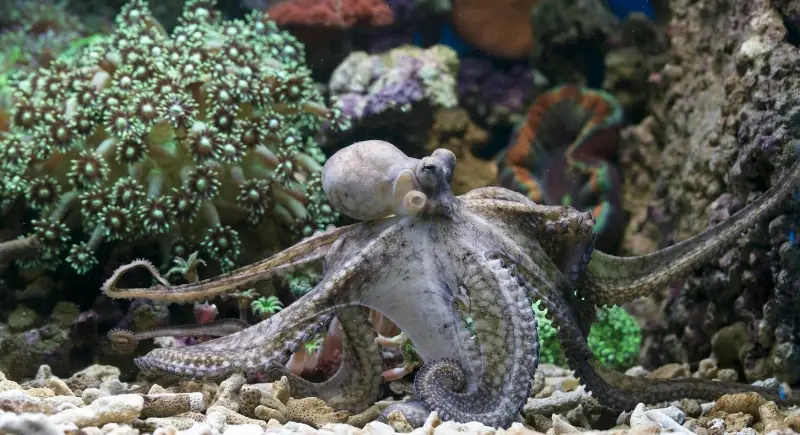
An octopus circulates blood through a system unlike most animals. Two hearts are responsible for using the gills to pump blood to collect oxygen. Meanwhile, a third heart pushes oxygenated blood through the rest of the body. Their blood appears blue because it contains hemocyanin, a copper-based protein that binds oxygen efficiently in cold, low-oxygen seawater.
Pistol Shrimp Create Shockwaves Louder than Gunfire
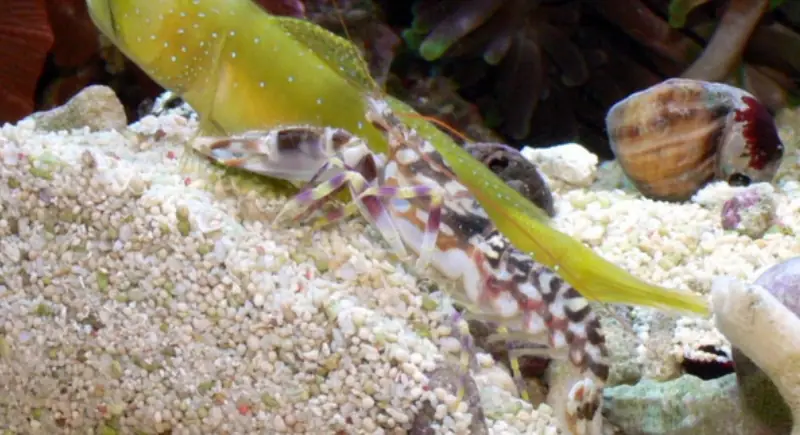
The pistol shrimp relies on speed rather than size. It snaps its enlarged claw so rapidly that it creates a cavitation bubble in the surrounding water. When the bubble collapses, it generates a shockwave exceeding 210 decibels underwater. The implosion produces extreme heat and a brief flash of light. That force can stun or kill small prey instantly.
Crows Remember Human Faces for Years
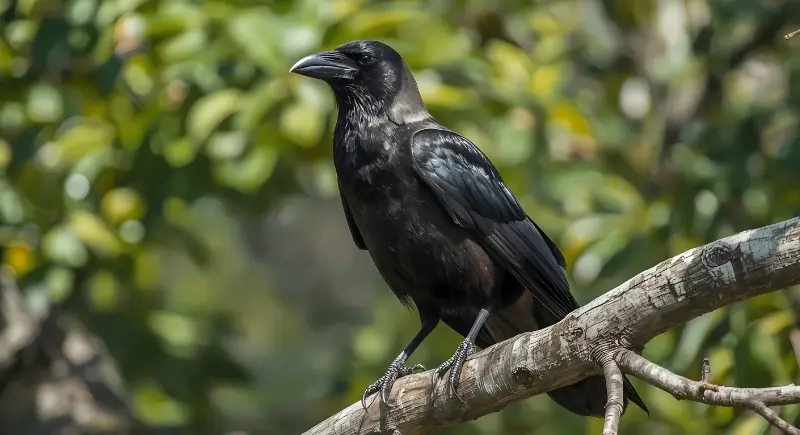
If you ever anger a crow, it might remember you for a long time. The University of Washington tested this idea by having volunteers capture and release crows while wearing distinctive face coverings. Years later, those same masked individuals returned to the area. The birds reacted with loud scolding calls and mobbing behavior.
Cockroaches Can Live Without Their Heads
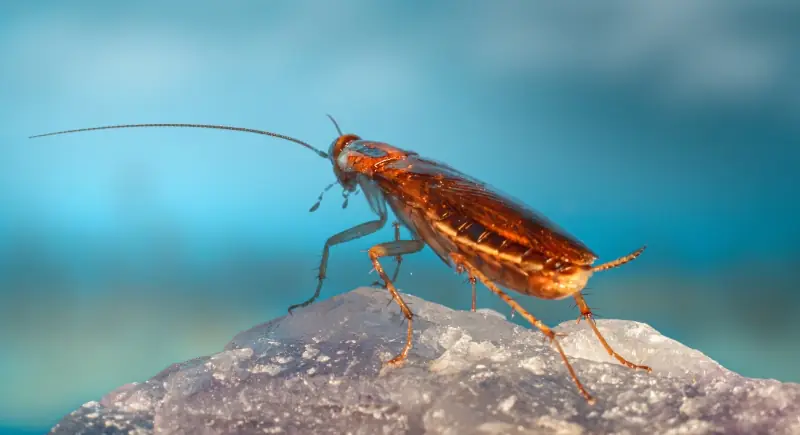
Not many animals can survive losing their heads, yet cockroaches can endure it for days. Their bodies perform independently of the brain for basic survival processes. They breathe through spiracles located along their sides rather than through the head. Even after decapitation, reflexive movements continue due to a decentralized nervous system.
Wood Frogs Survive Being Frozen Solid
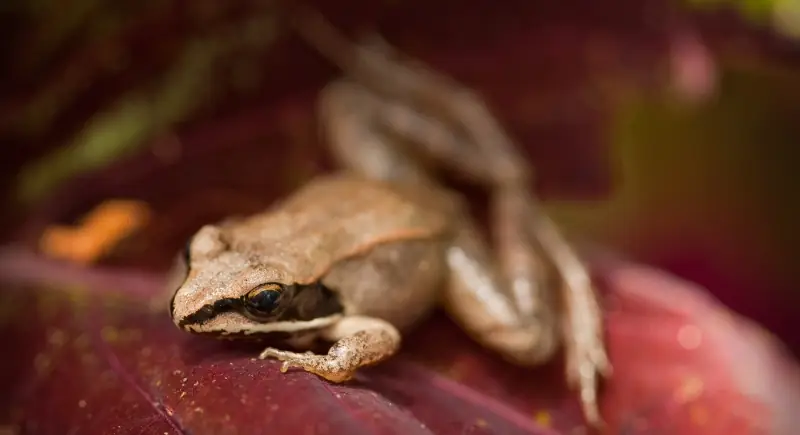
Most animals slow down their bodies during winter through hibernation to reduce activity. On the other hand, the wood frog follows a far more extreme strategy. It allows ice to form inside its body during freezing temperatures. Its heart stops beating, and breathing ceases entirely. The frog then saturates its tissues with glucose and urea, which protect cells from damage. When spring arrives, circulation resumes and normal function returns within hours.





