
Survival in the wild isn’t just about strength or speed. Some animals rely on methods that are so unexpected that they seem almost unreal. Instead of defending themselves with teeth, claws, or venom, they have developed strategies that push the limits of biology. In this article, we’ve discussed some animals that have turned self-defense into an art form.
The Horned Lizard
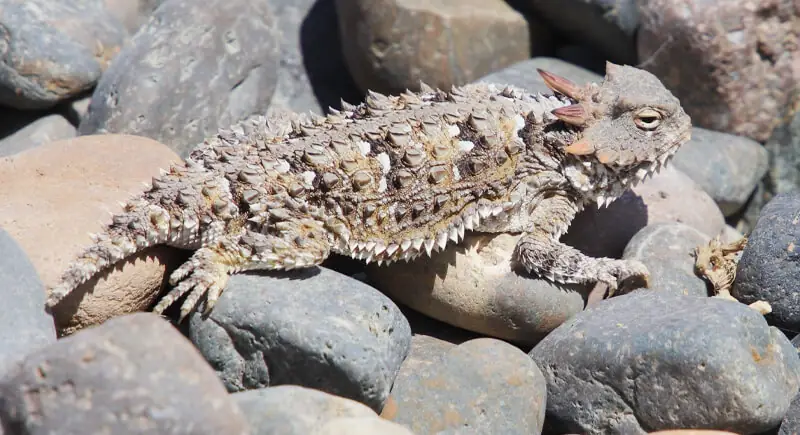
A predator closing in on a Texas horned lizard might think it’s about to get an easy meal—until the lizard suddenly shoots a stream of blood from its eyes. This blood is also laced with chemicals that taste so awful most animals immediately back off. The mechanism behind this defense is a sudden increase in blood pressure, which ruptures small vessels near the eyes. While the lizard doesn’t use this trick on every threat, it’s a last resort that has saved plenty from becoming a snack.
The Bombardier Beetle
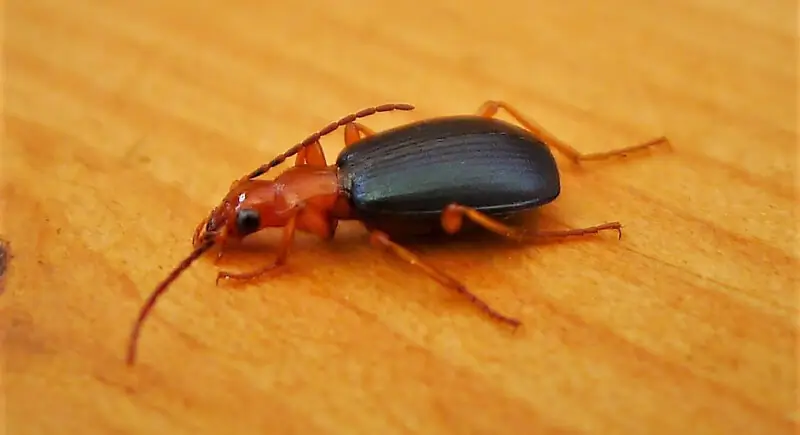
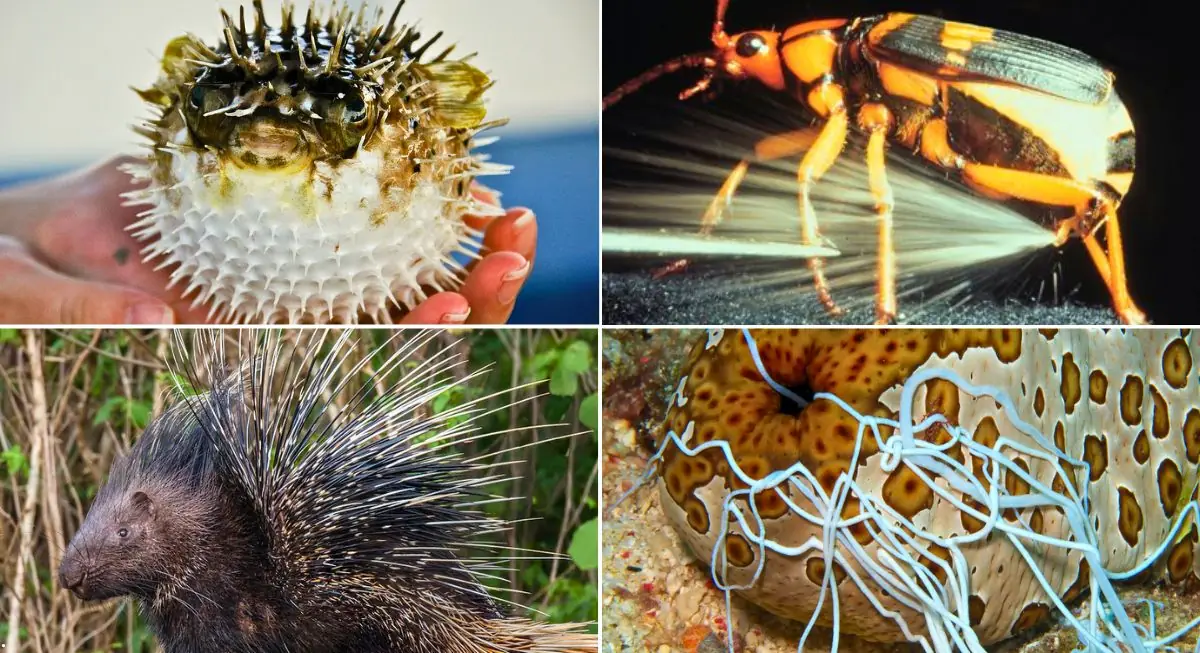
If insects had superpowers, the bombardier beetle would be at the top of the list. When threatened, this tiny beetle releases a chemical cocktail from its abdomen that rapidly heats to near-boiling temperatures before being ejected in a forceful, stinging burst. The mixture—primarily hydrogen peroxide and hydroquinone—is stored separately in the beetle’s body until it’s needed. When mixed, it creates an exothermic reaction, essentially turning the beetle into a living chemical weapon. The burning spray is potent enough to deter frogs, birds, and even some small mammals.
The Hairy Frog
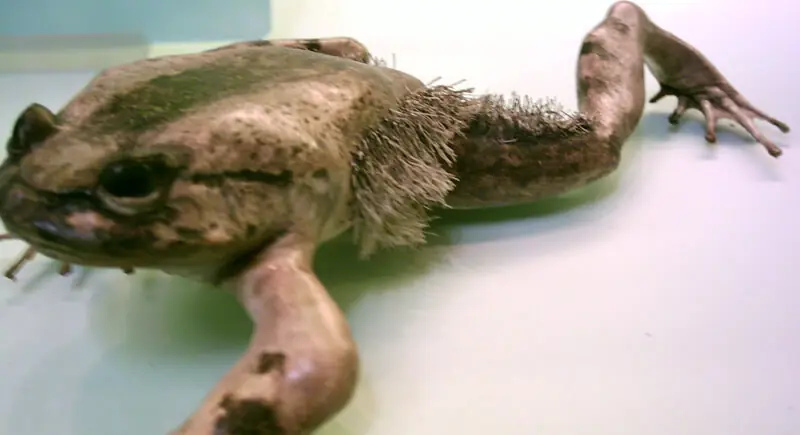
Most frogs rely on camouflage or poison to avoid predators, but the hairy frog (also called the “Wolverine frog”) takes a different approach. When threatened, it actively breaks the bones in its toes and forces them through the skin to create makeshift claws. These bony spikes aren’t permanent, but they serve as an effective deterrent against attackers. Scientists are still unsure if the bones retract naturally or if the frog has to regrow them.
The Sea Cucumber
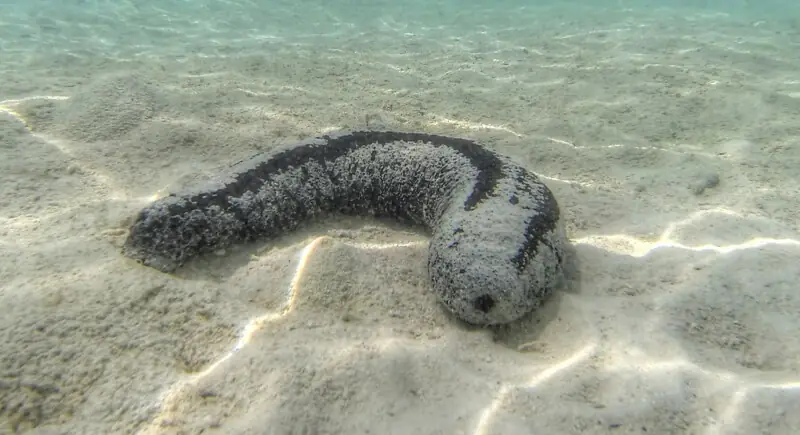
At first glance, a sea cucumber looks like an unassuming, sluggish ocean creature. Yet, its defense mechanism is as extreme as they come. When attacked, it contracts its muscles violently and ejects some of its internal organs through its rear. The sticky, often toxic material entangles and deters predators and gives the sea cucumber a chance to escape. What’s even more impressive is its ability to regenerate these lost organs within weeks.
The Opossum
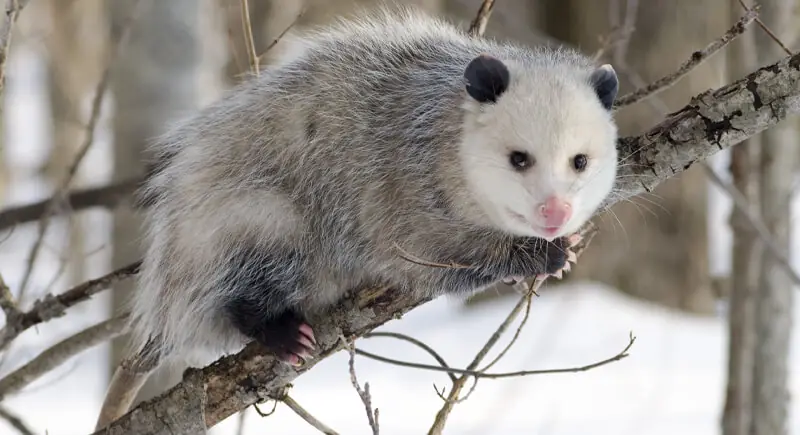
The phrase “playing possum” comes directly from the opossum’s unique ability to mimic death when confronted by a predator. This is an involuntary response triggered by extreme stress. When in danger, the opossum collapses, its body goes limp, its tongue hangs out, and it releases a foul-smelling fluid that mimics the scent of decay. Most predators prefer fresh kills and lose interest, which allows the opossum to regain consciousness and escape.
The Malaysian Exploding Ant
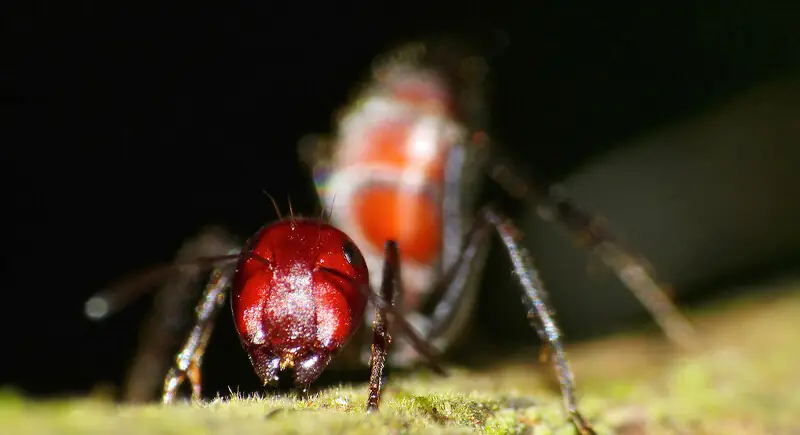
Instead of defending their colony with bites or stings, the Malaysian exploding ant takes sacrifice to another level. In the face of a threat, it contracts its body with enough force to rupture its internal organs and releases a sticky, toxic fluid that immobilizes or kills nearby enemies. This extreme act of self-destruction is meant to protect the colony rather than the individual.
The Hagfish
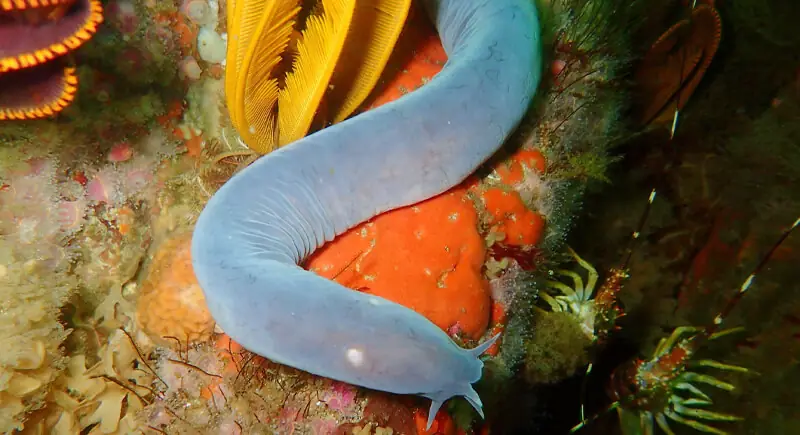
The hagfish has a simple (and disgusting) way to avoid getting eaten. When attacked, it releases a thick, fibrous slime that expands rapidly in water. This slime is so dense that it clogs the gills of predatory fish and forces them to retreat or even suffocate. Once the hagfish has bought itself enough time to escape, it ties its own body into a knot and slides out of the mess, leaving the predator struggling with a mouthful of sticky, suffocating goo.
The Pufferfish
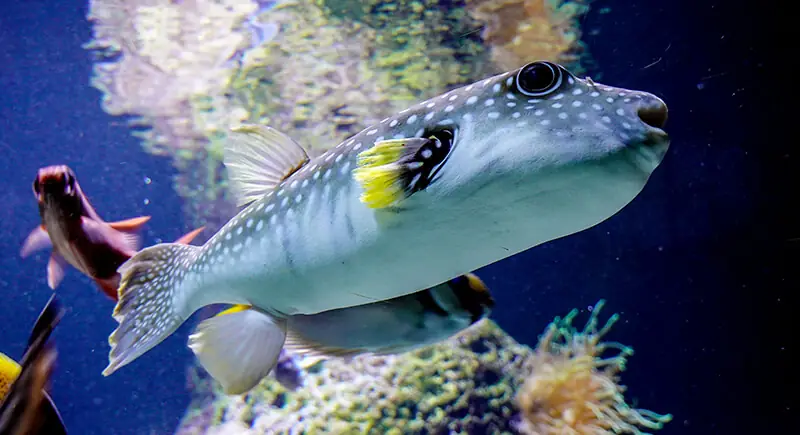
A pufferfish under attack doesn’t try to outswim its predator—it simply expands. Within seconds, it gulps down water and swells up to three times its normal size, effectively turning into a nearly ungrabbable ball. Many pufferfish species also contain tetrodotoxin, a lethal poison that can kill predators even if they manage to bite down. This combination of physical and chemical defense makes the pufferfish one of the most challenging meals in the ocean.
The Mimic Octopus
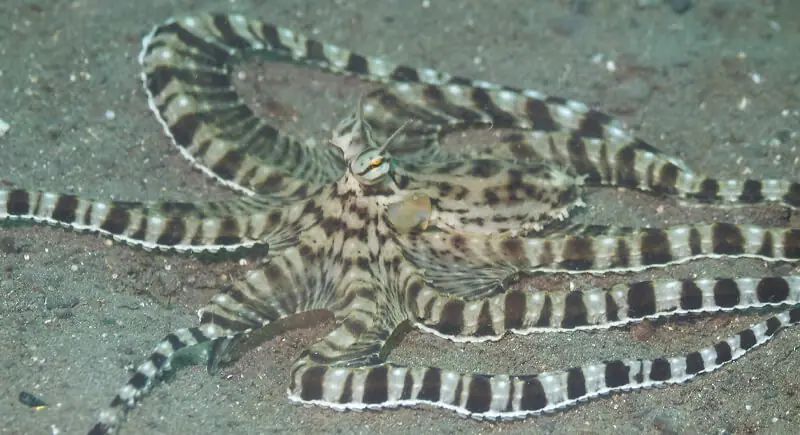
The mimic octopus takes camouflage to a new level by altering its shape, color, and behavior to resemble dangerous marine creatures. By adjusting its body movements to match the species it’s imitating, it can mimic venomous lionfish, sea snakes, and even flatfish. This ability to disguise itself as something unappealing to predators has given the mimic octopus a huge edge.
The Skunk
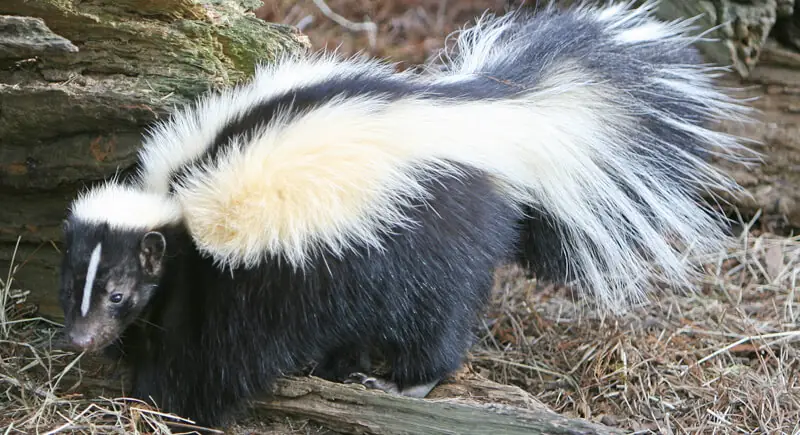
No list of bizarre defense mechanisms would be complete without the skunk. When threatened, a skunk first raises its tail and stomps its feet as a warning. If that isn’t enough, it releases a powerful, sulfur-based spray that can temporarily blind and disorient attackers. The oily substance clings to fur and skin and is incredibly difficult to remove.
The Porcupine
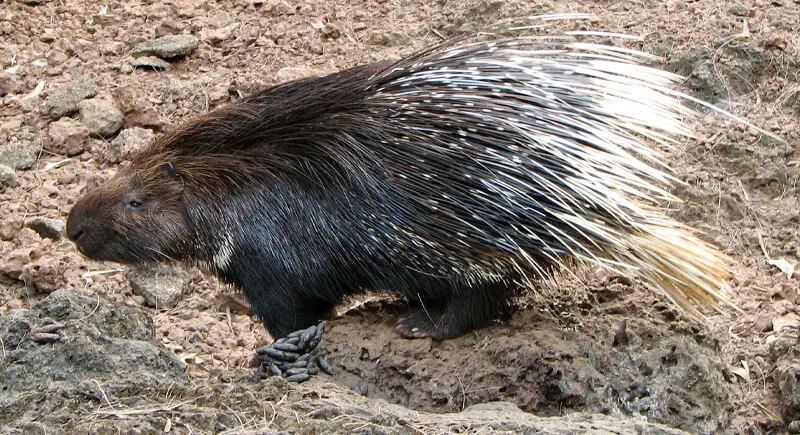
Contrary to popular belief, porcupines don’t shoot their quills. Instead, they use their sharp, barbed quills as a deterrent by ramming backward into attackers. Once embedded, these quills are incredibly painful to remove and often cause infections that can be deadly. The porcupine’s natural armor is enough to make most predators think twice before attacking.
The Electric Eel
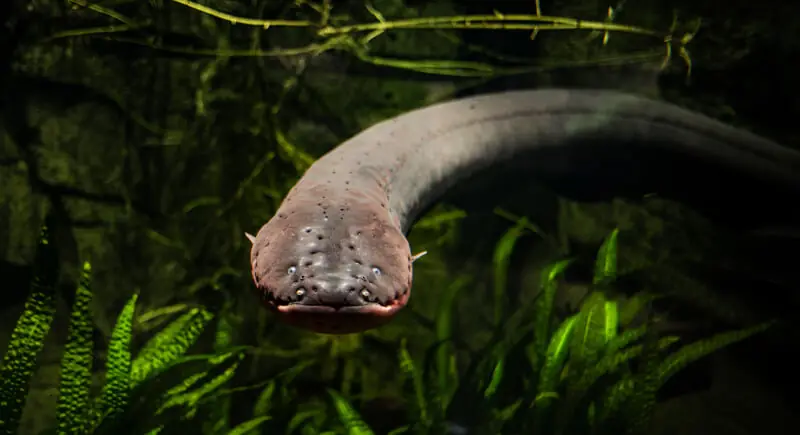
The electric eel’s defense mechanism is as straightforward as it is effective. Using specialized cells called electrocytes, it can generate shocks of up to 600 volts—enough to stun predators or dissuade larger threats from getting too close. This ability also allows it to navigate dark waters by sending out low-level pulses.
The Stick Insect
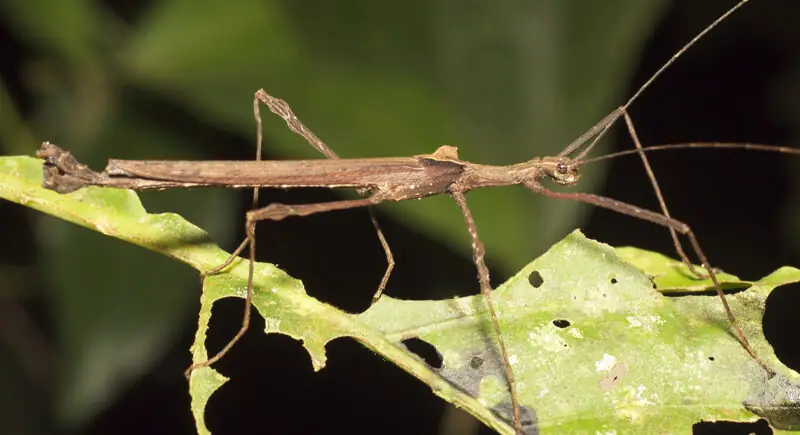
Sometimes, the best defense is simply not being seen. Stick insects rely on masterful camouflage to avoid predation. Their bodies mimic twigs and branches so perfectly that they can remain unnoticed even when out in the open. Some species even sway gently to replicate the movement of leaves in the wind and add an extra layer of deception. They lack direct offensive abilities, so their near-invisibility keeps them off most predators’ radars.
The Spanish Ribbed Newt
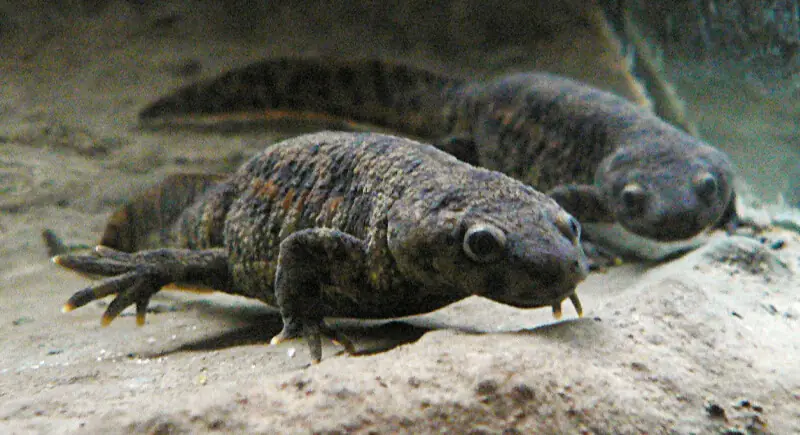
When threatened, the Spanish ribbed newt pushes its sharp ribs through its skin to create a row of exposed, toxin-coated spikes along its body. This sudden transformation makes it far less appealing to predators. Remarkably, the newt’s ability to heal means this extreme defense doesn’t come at a long-term cost.
The Velvet Ant
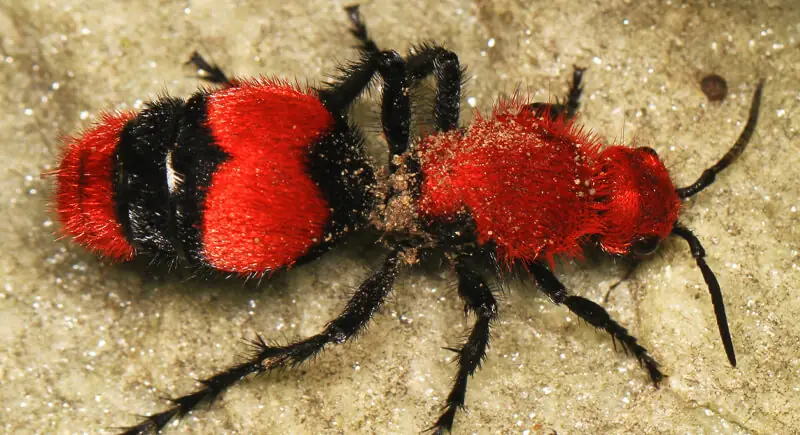
Despite its name, the velvet ant is actually a wasp with one of the toughest exoskeletons in the insect world. This thick armor makes it resistant to most attacks. It also delivers an excruciating sting that has earned it the nickname “cow killer.” Combined with its warning coloration, these defenses make it an undesirable target for most predators.
The Pangolin
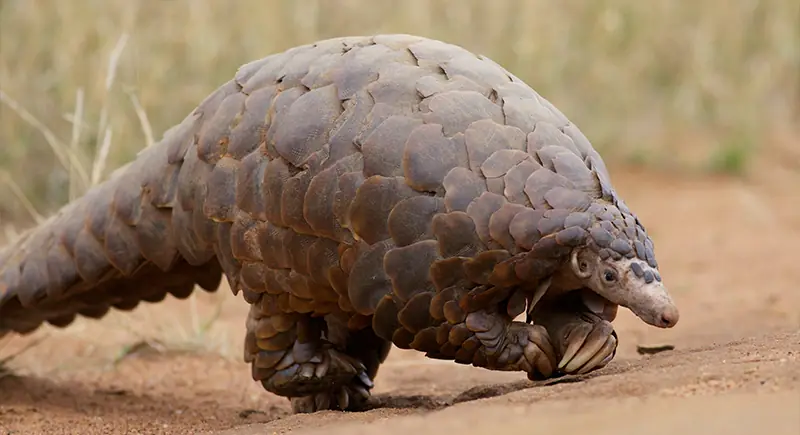
When danger approaches, a pangolin folds into a tight ball, locking its tough keratin scales into an almost impenetrable shell. This curl shields every vulnerable spot, leaving only sharp, overlapping scales exposed. Lions and leopards often give up after trying to pry one open, proving just how effective this ancient defense can be.
The Hag Moth Caterpillar
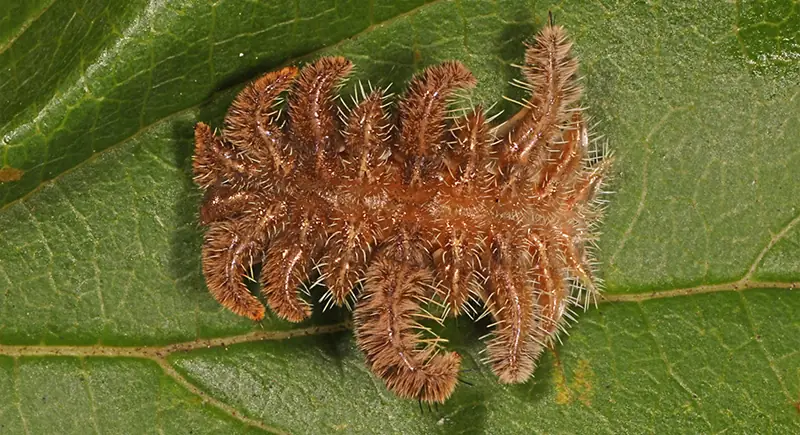
The hag moth caterpillar, often called the monkey slug, may look like a harmless tangle of fuzz, but every branchlike protrusion hides venomous spines. A simple brush against its body can deliver a painful sting that feels like burning nettles. This surprising defense keeps predators and careless humans at a safe distance.





