
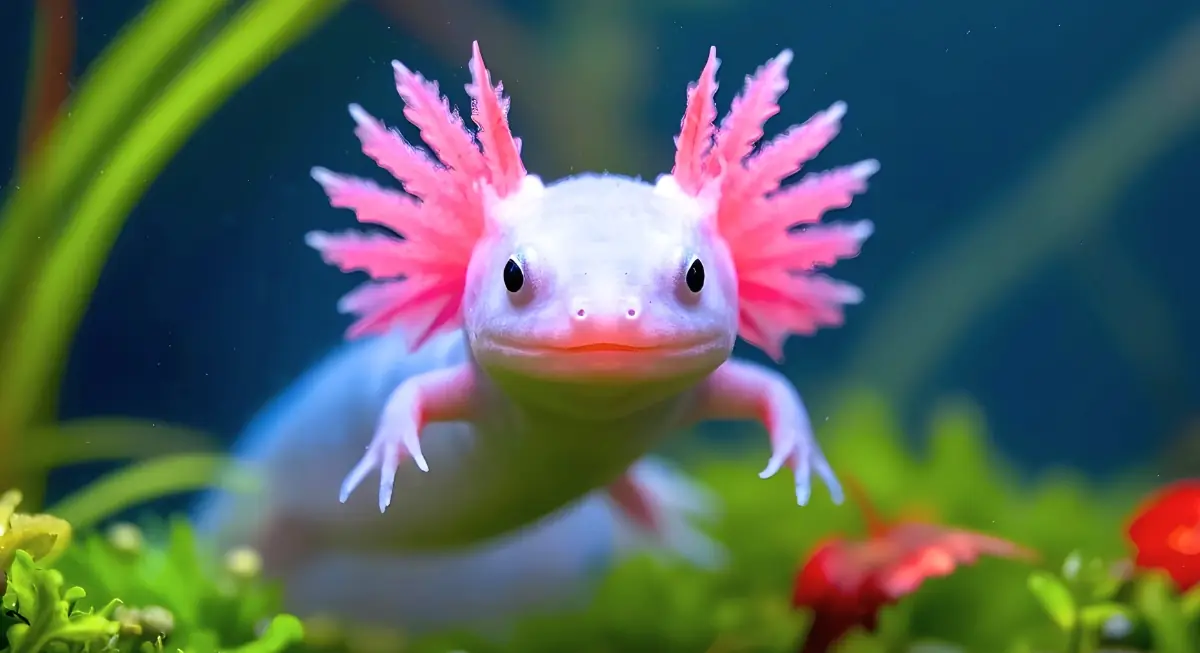
Animals often surprise us, but some abilities go beyond simple curiosity. Every now and then, researchers come across a trait that raises more questions than answers. Even with modern tools like genetic sequencing and advanced imaging, parts of the natural world still resist neat explanations. A few animals move, sense, or adapt in ways scientists are still trying to fully understand.
Axolotl
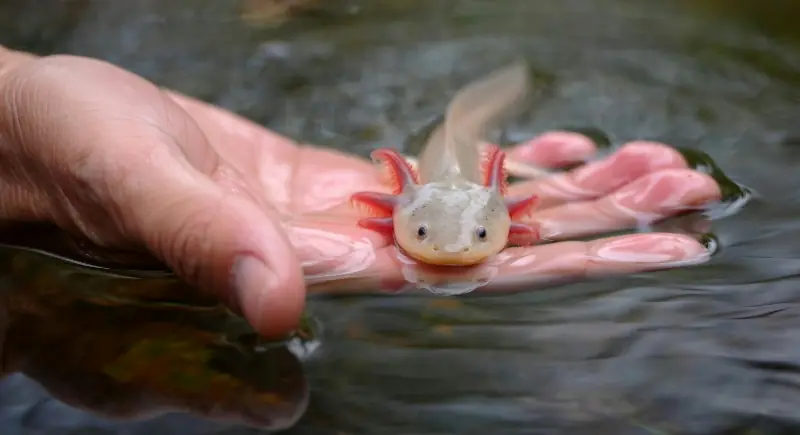
Losing a limb is devastating for most vertebrates, but for the axolotl, it is only a temporary setback. This Mexican salamander can regrow entire legs, sections of its spinal cord, heart tissue, and even parts of its brain, producing a limb that works just like the original rather than forming scar tissue. Scientists know that a cluster of stem-cell-like tissue called a blastema forms at the injury site, yet key questions remain. Researchers still do not fully understand how cells know what structure to rebuild, how growth stops at the right size, or why the process occurs without scarring.
Turritopsis dohrnii
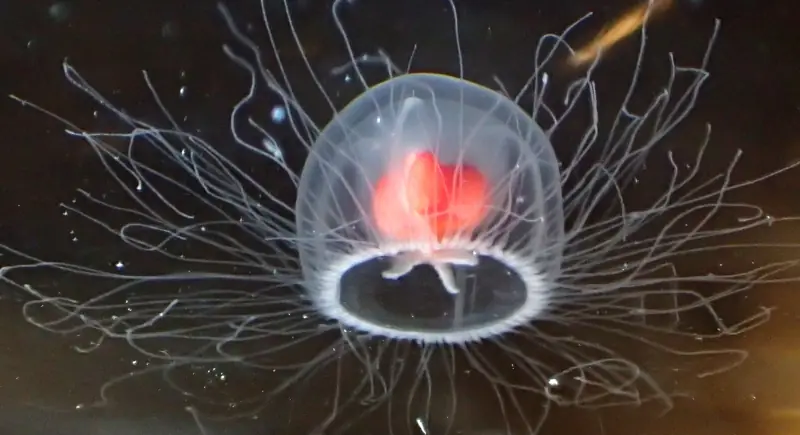
Turritopsis dohrnii, nicknamed the “immortal jellyfish,” can reverse its life cycle. When stressed or injured, it transforms back into its juvenile polyp stage, effectively starting over. The process resembles transdifferentiation, where mature cells convert into other cell types. Scientists have identified parts of the cellular pathway, but the genetic triggers that initiate this reset and the mechanisms by which the organism coordinates the transformation without chaos remain unresolved. It challenges core assumptions about aging and cellular destiny.
Octopus
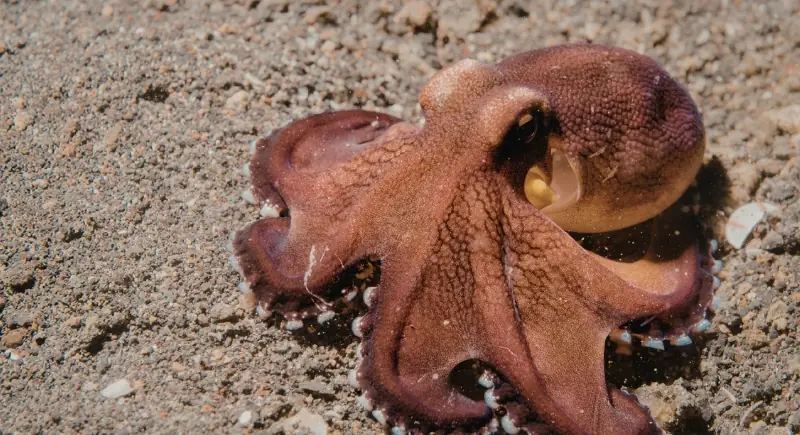
An octopus has three hearts, blue copper-based blood, and a distributed nervous system in which each arm contains neural clusters capable of semi-independent control. That alone would be remarkable. What truly puzzles researchers is its widespread RNA editing. Unlike most animals, octopuses heavily modify RNA after it is transcribed from DNA, particularly in neural tissues. This allows rapid adaptation without permanent genetic change. Scientists still debate why cephalopods rely so extensively on RNA editing and how this flexibility influences cognition.
Tardigrade
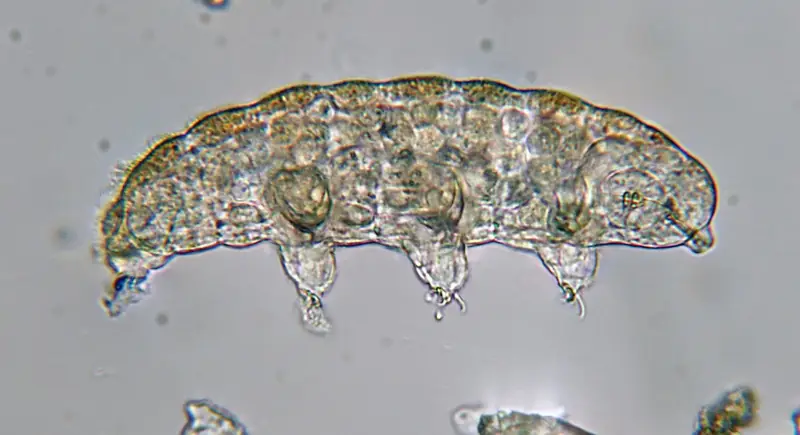
Tardigrades can endure freezing temperatures close to absolute zero, intense radiation, extreme dehydration, and even the vacuum of space. They survive by entering a dried-out state called cryptobiosis, where metabolic activity nearly stops. Scientists have identified protective proteins such as Dsup that help shield DNA from radiation, yet the full survival process remains only partly understood, including how their cells safely rehydrate and return to normal function.
Homing Pigeons
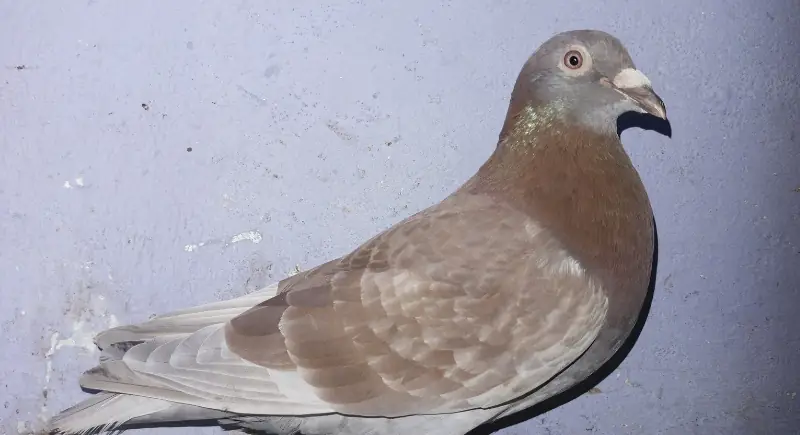
Homing pigeons can find their way back to their loft from hundreds of miles away, even from places they have never seen before. They rely on the sun, familiar landmarks, scent cues, and Earth’s magnetic field. The magnetic sense remains the hardest part to explain. Proteins in the eye called cryptochromes may play a role in detecting magnetic fields, yet the way pigeons combine all these signals into such reliable navigation is still not fully understood.
Cuckoo Chicks
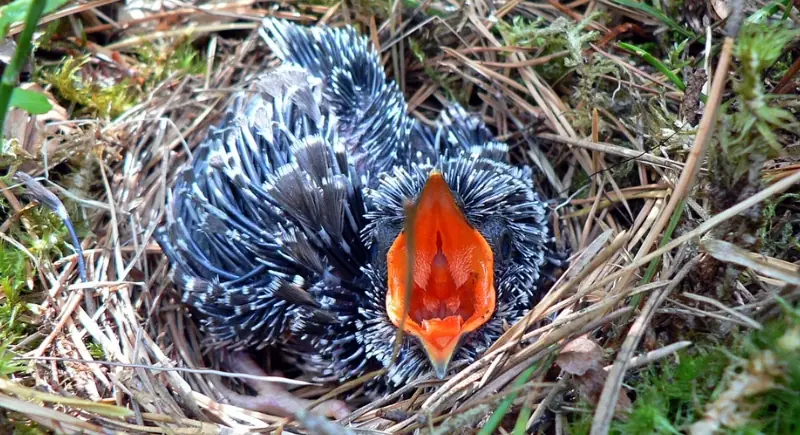
Cuckoos place their eggs in the nests of other bird species, leaving the foster parents to raise the chick. When migration season arrives, the young cuckoo leaves on its own and travels thousands of miles along the same route used by its species. No adult cuckoo guides the journey. The route appears to be built into its instincts, yet the way such detailed travel patterns exist without learning continues to puzzle researchers.
Whale Mass Strandings
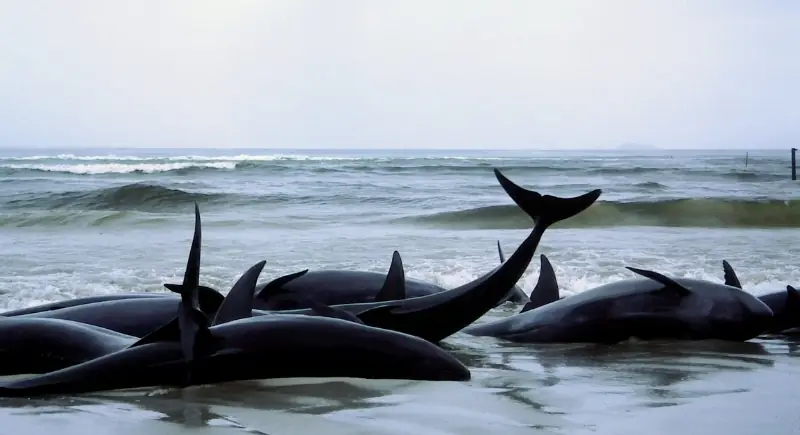
Entire pods of whales sometimes beach themselves, often with no obvious injury or illness. Navigation in marine mammals likely involves magnetic sensing, but how disruptions translate into fatal collective decisions remains unclear. Hypotheses include naval sonar interference, geomagnetic disturbances, underwater topography, and toxins. Some strandings correlate with human activity. Others occur in remote regions with no such triggers. The lack of a consistent pattern has prevented a unified explanation.
Bombardier Beetle
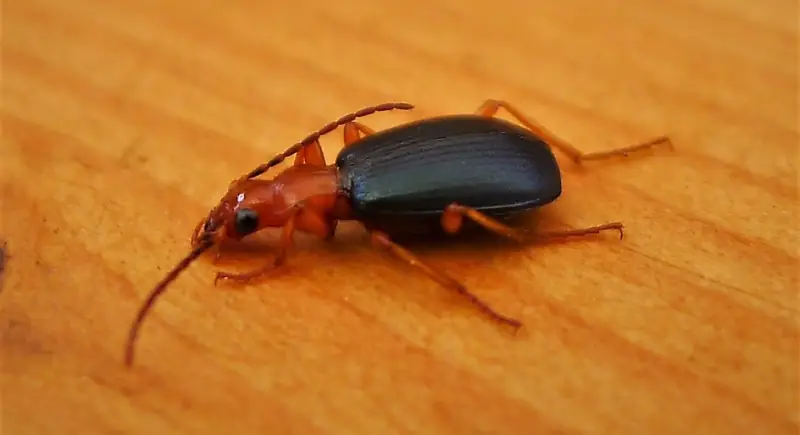
When threatened, the bombardier beetle fires a near-boiling chemical spray from its abdomen. The reaction combines hydroquinone and hydrogen peroxide in a specialized chamber, reaching temperatures close to 100°C and ejecting in rapid pulses. The chemistry is known. What fascinates engineers is the beetle’s micro-scale reaction chamber, which withstands repeated explosions without damage and controls pulse timing with remarkable precision. Replicating this natural micro-reactor has proven more complex than initially assumed.
Mantis Shrimp
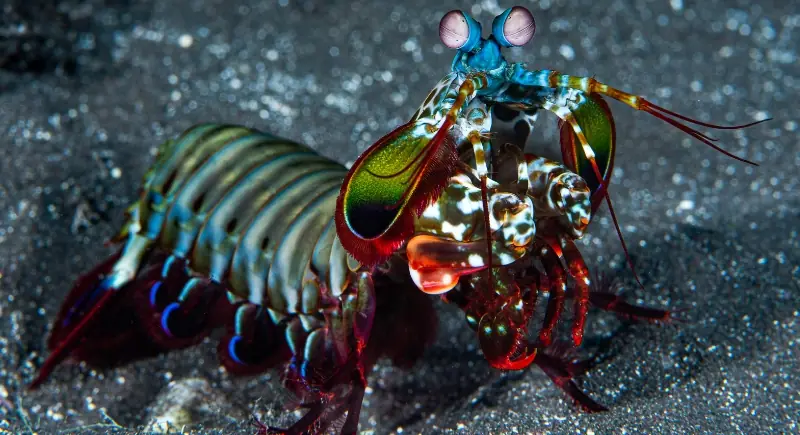
The Mantis shrimp’s vision remains one of marine biology’s most intriguing mysteries. They possess up to 16 types of photoreceptors and can detect polarized and ultraviolet light. For years, it was assumed this meant superior color discrimination. Recent research suggests their system may function differently from human color vision, possibly enabling faster visual processing rather than finer color gradients. The unresolved question is how their brain interprets this unique sensory input and why evolution favored this architecture.
Electric Eel
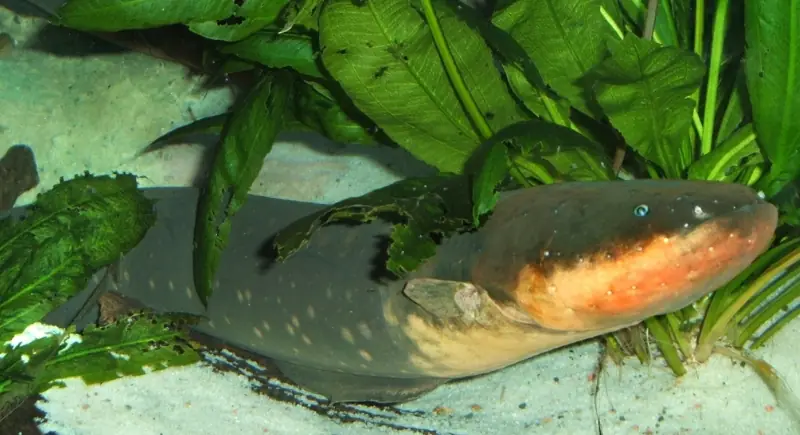
Electric eels can generate discharges exceeding 800 volts using stacks of specialized electrocytes. Scientists understand the bioelectrical mechanism, but recent studies show eels can emit coordinated pulses that remotely activate motor neurons in prey, causing involuntary muscle contractions. How eels modulate electric fields across multiple targets and avoid self-harm during high-voltage discharges continues to attract investigation. The interface between their nervous system and electric output is more sophisticated than once believed.





