
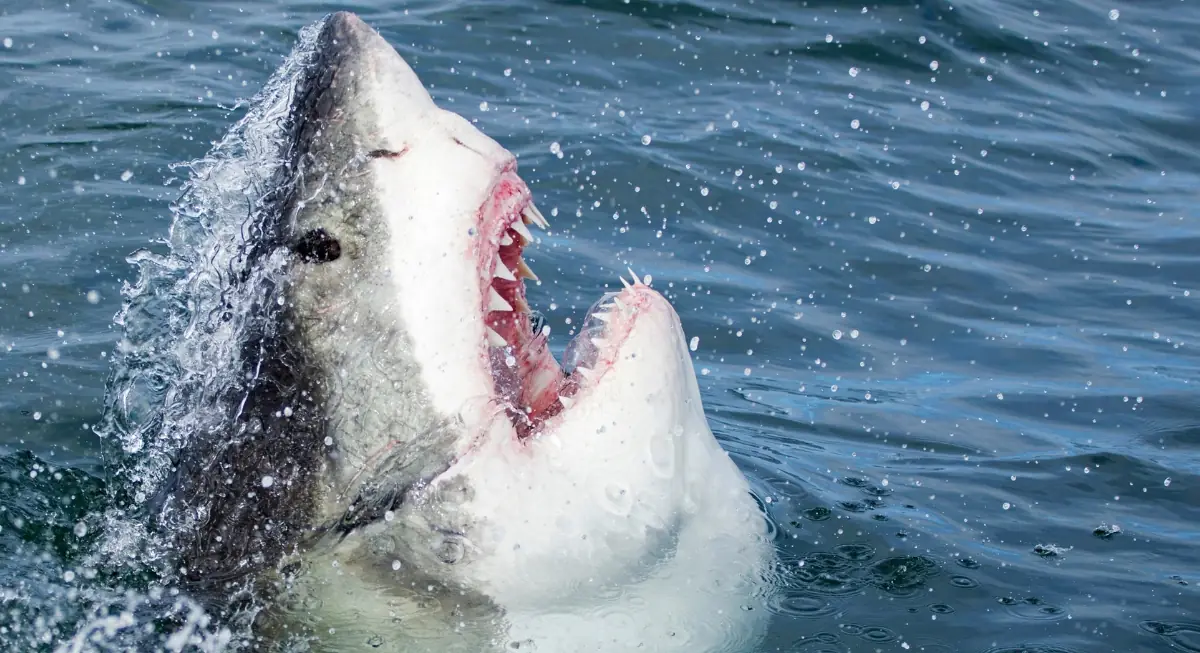
You probably don’t think much about teeth until a dentist brings them up. But across the animal kingdom, tooth counts can get wild fast. Some sharks go through thousands in a lifetime. Slugs carry rows of microscopic, razor-like structures that act like teeth. Even familiar mammals have surprising dental setups. Let’s take a closer look at the animals whose tooth counts genuinely stretch belief, backed by real biological research.
Umbrella Slug
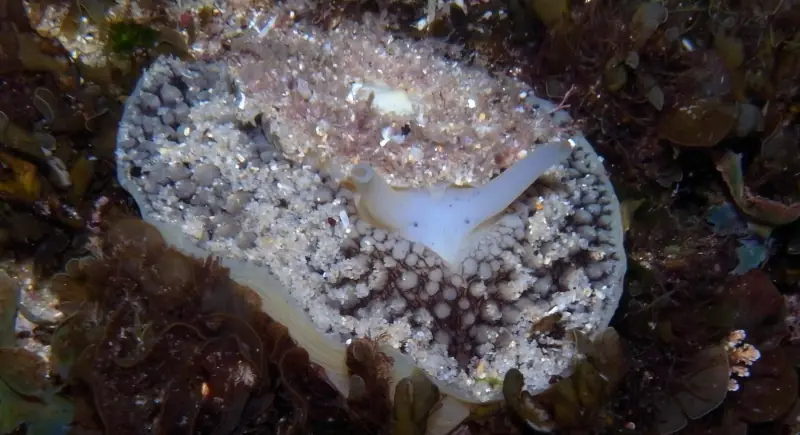
This marine gastropod can go through about 750,000 tiny teeth over a lifetime. These structures sit on a ribbon called a radula, made of chitin rather than enamel. As the slug scrapes algae off rocks, worn teeth move forward and drop away, replaced by new rows forming at the back.
Requiem Shark
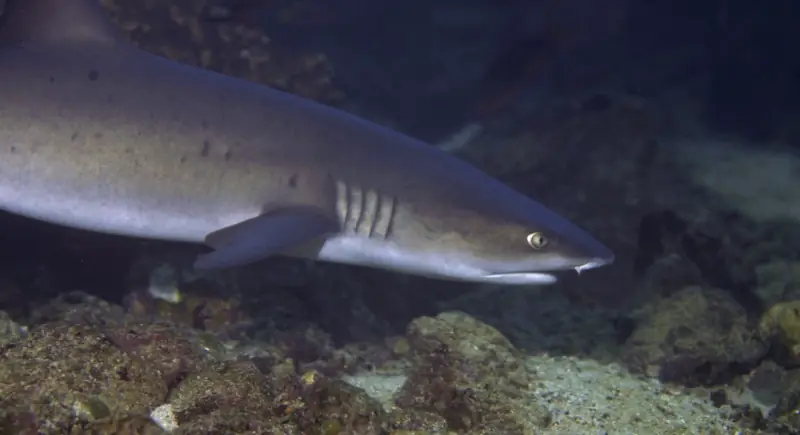
Requiem sharks rely on a rotating dental system that rarely leaves them short on equipment. At any moment, several hundred teeth line the jaw in layered rows. Over decades, many species shed and replace roughly 30,000 teeth. The replacements are just behind the front line, attached to soft tissue rather than bone, ready to slide forward after a lost tooth.
Great White Shark
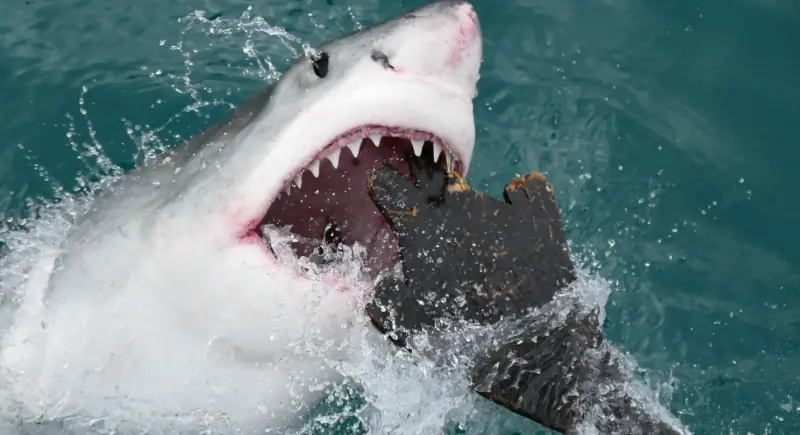
A great white shark has about 300 teeth at any given time, arranged in multiple rows. Many of them remain in the back row, ready to move forward when needed. Its teeth work like a conveyor belt, with replacements constantly shifting into place after others break or fall out during feeding.
Garden Snail
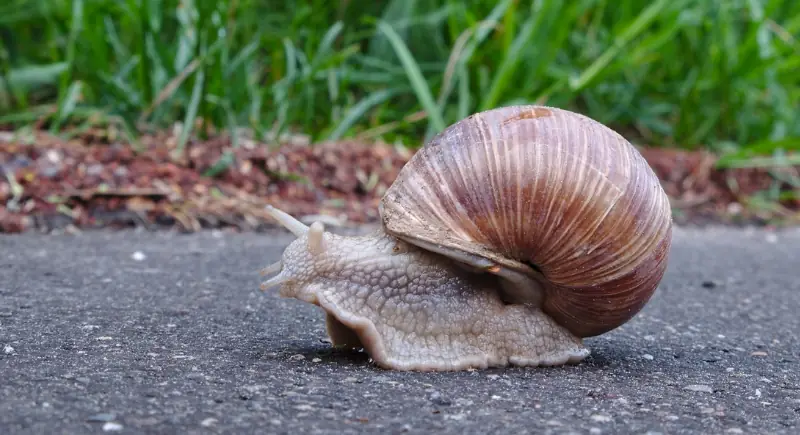
A garden snail may look unremarkable, but its mouth is anything but simple. Inside is a ribbon-like structure called the radula, lined with roughly 14,000 microscopic teeth. These tiny structures work like a file, scraping plant material into small, digestible pieces. They are arranged in tight rows, and as older ones wear down, new teeth move forward to keep the surface sharp and effective.
Giant Armadillo
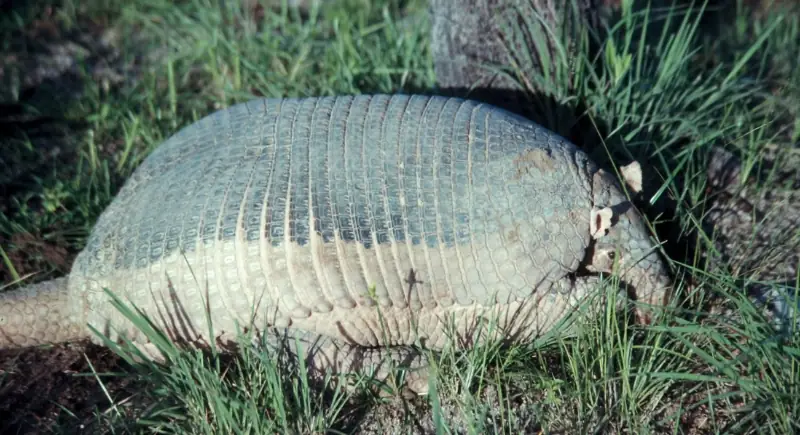
Among land mammals, the giant armadillo stands out for its tooth count. It can have more than 70 peg-like teeth in its elongated jaw. Unlike most mammals, these teeth lack enamel and continue growing. Curators such as Robert Voss at the American Museum of Natural History have noted that the simple shape suits a diet of ants and termites.
Bottlenose Dolphin
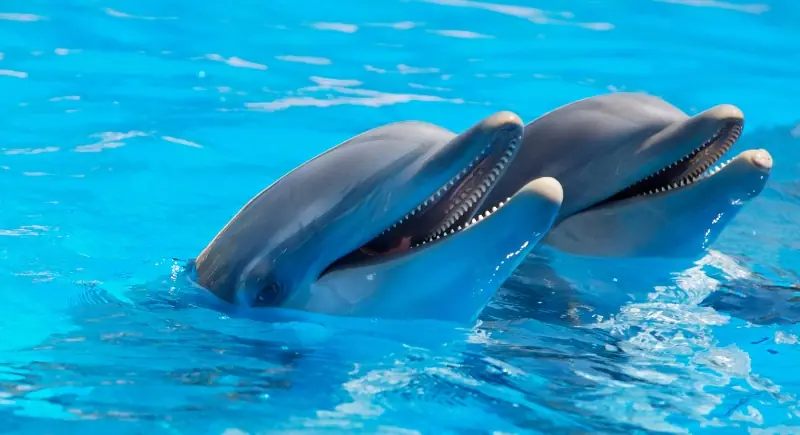
A bottlenose dolphin can have about 200 to 250 conical teeth. These teeth do not chew. They grip slippery fish and squid before swallowing them whole. The uniform shape reflects that purpose. Dolphins rely more on jaw strength and precise timing than on slicing or grinding, which explains the smooth, evenly spaced rows.
Saltwater Crocodile
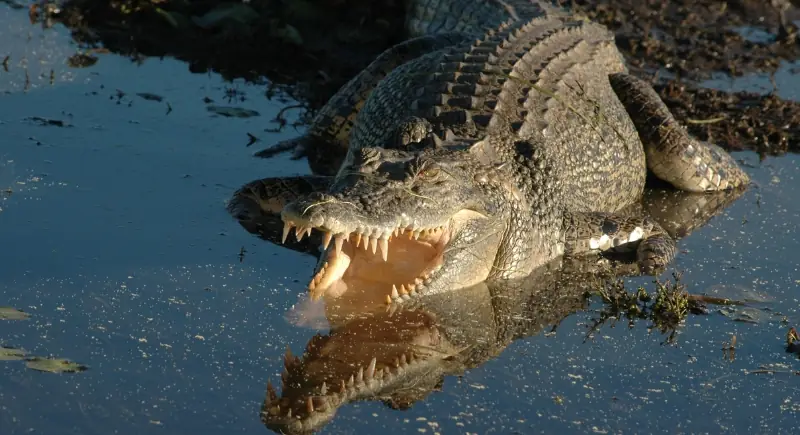
An adult saltwater crocodile typically carries around 80 teeth. Eighteen lines on each side of the upper jaw and fifteen sit along each side of the lower. Teeth are replaced regularly, often every couple of years. Built for gripping and crushing, they help deliver one of the strongest recorded bite forces in the animal kingdom.
Channel Catfish
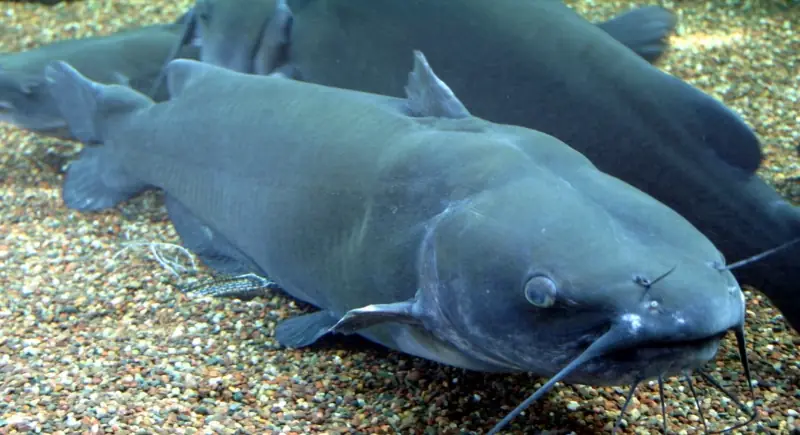
Open the mouth of a channel catfish, and sharp fangs will not appear. Instead, thousands of tiny brush-like teeth form rough pads inside the mouth and along the throat. These teeth feel like sandpaper. They help secure prey such as insects and small fish. North America’s most widespread catfish species depends on grip rather than cutting.
Little Brown Bat
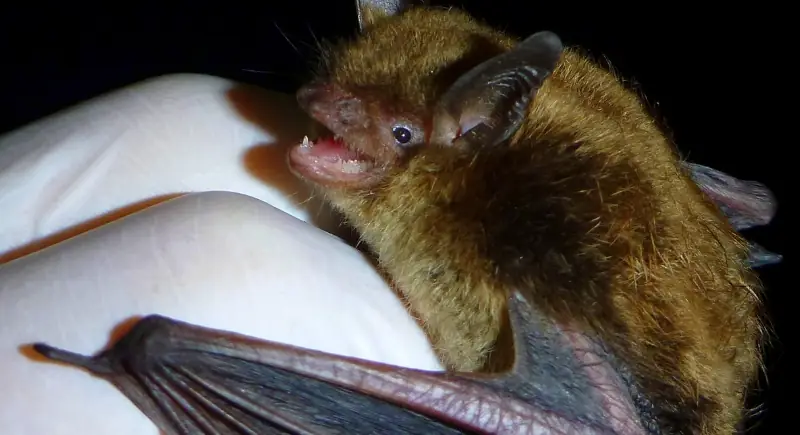
The little brown bat may look delicate, yet it carries up to 38 sharp teeth inside a jaw built for insects. Molars and premolars crush beetles and moths mid-flight. Incisors help pierce tough exoskeletons. Its small skull packs those teeth efficiently, reflecting a life spent hunting fast-moving prey in the dark.
African Elephant
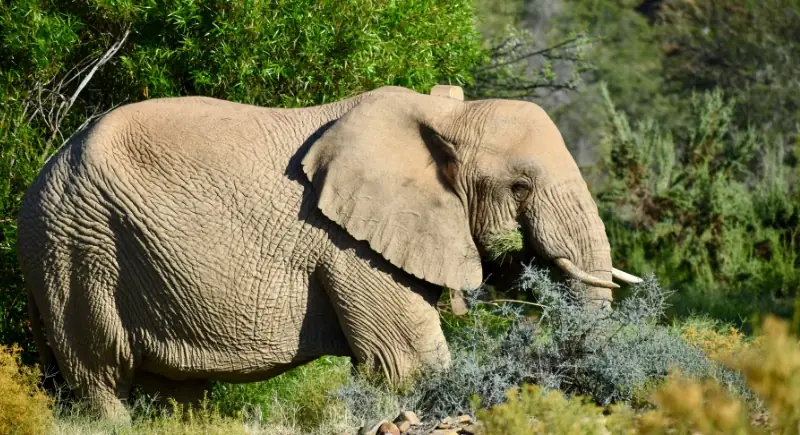
An African elephant has 26 teeth at any given time, including massive molars that can weigh several pounds each. Over a lifetime, six sets of molars move forward through the jaw in sequence. As older teeth wear down from grinding vegetation, new ones slide into place. When the final set erodes, feeding becomes far more difficult.





