
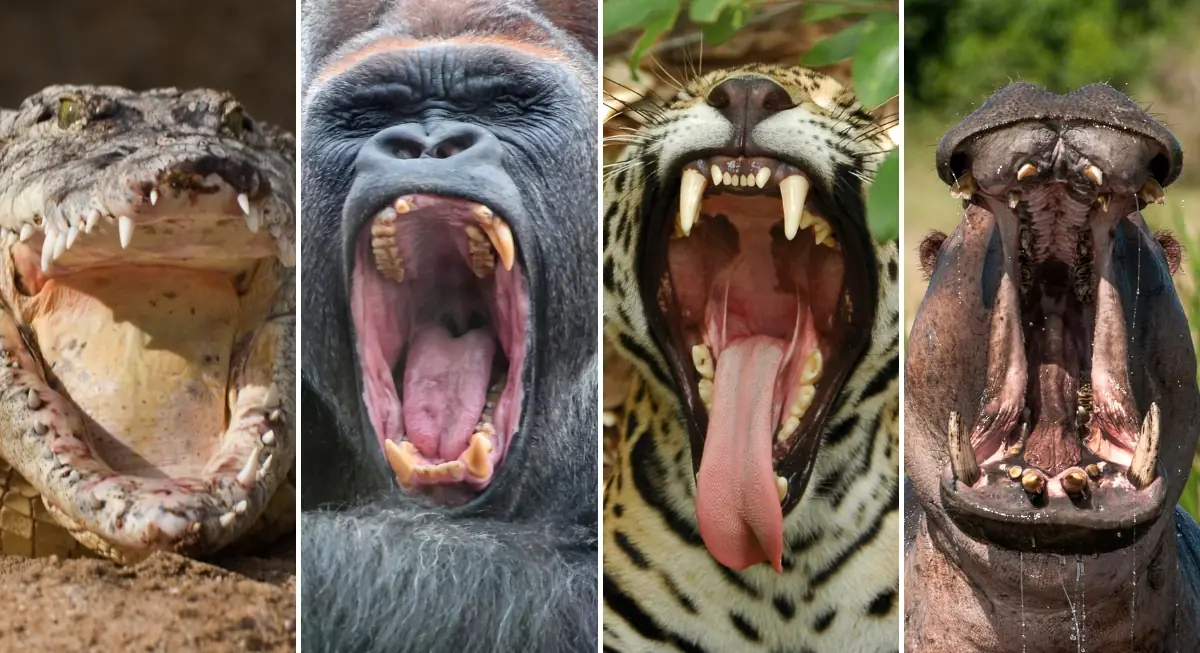
Some animals have jaws so powerful they can break bones, crack shells, or even split steel. These beasts use their crushing force to hunt, defend, and survive in the wild. Curious to see which creatures pack the most destructive chompers? You might be surprised by some of the names on this list.
Great White Shark – 4,000 PSI
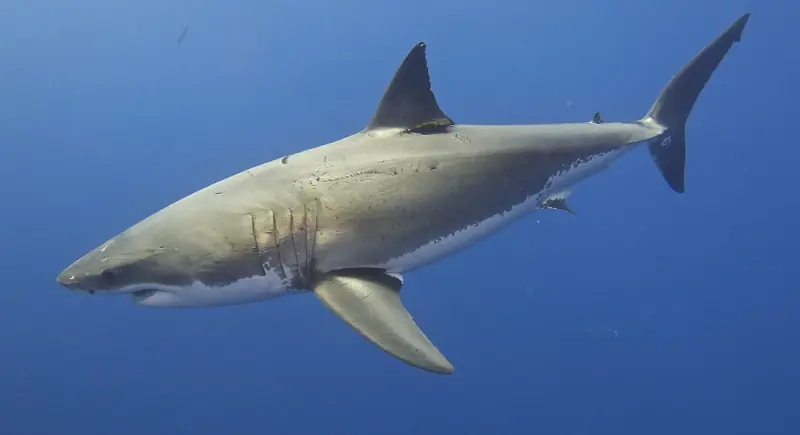
The great white shark’s serrated teeth are designed to see through flesh. This apex predator uses its bite-and-release hunting style to weaken prey before finishing the job. Unlike many sharks, it can also breach the surface and launch itself out of the water to take down seals.
Saltwater Crocodile – 3,700 PSI
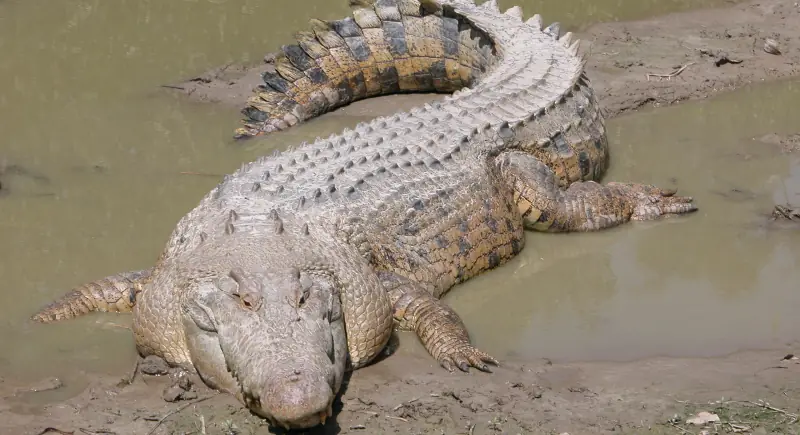
This prehistoric predator can snap bones and rip apart prey. These massive reptiles, found in Australia and Southeast Asia, use the “death roll,” a brutal spinning technique that tears flesh from their victims. They rip off huge chunks and swallow them whole.
American Alligator – 2,125 PSI
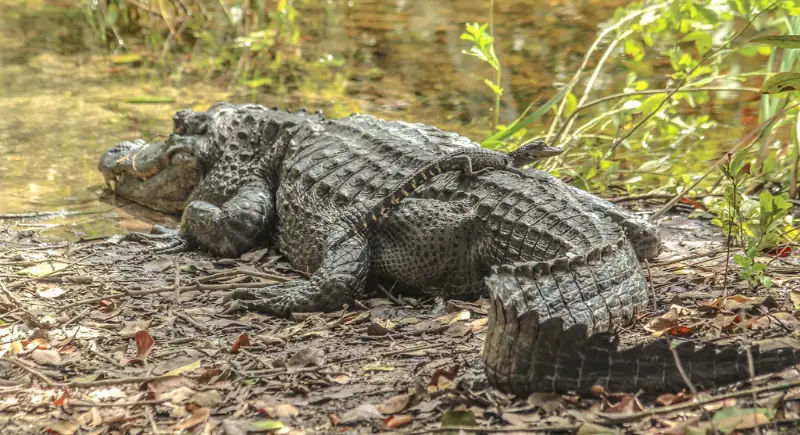
Unlike many on this list, alligators don’t rely on sheer aggression. They prefer a stealthy approach and lurk just beneath the water’s surface before launching an ambush attack. Once they clamp down, their “death roll” kicks in—violently twisting their prey to tear off chunks of flesh.
Hippopotamus – 1,800 PSI
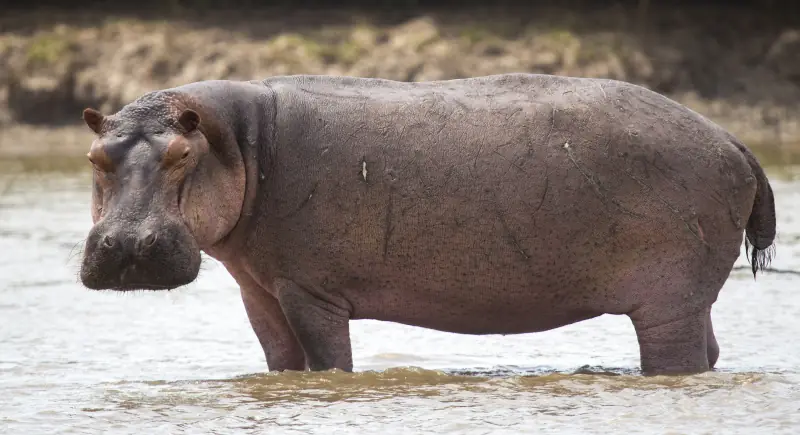
They may look like oversized water cows, but don’t get fooled–hippos have one of the strongest bites. Their tusk-like teeth can grow up to 20 inches, and they use them in brutal territorial fights. Despite their vegetarian diet, hippos are among the most aggressive and dangerous animals in Africa.
Jaguar – 1,500 PSI
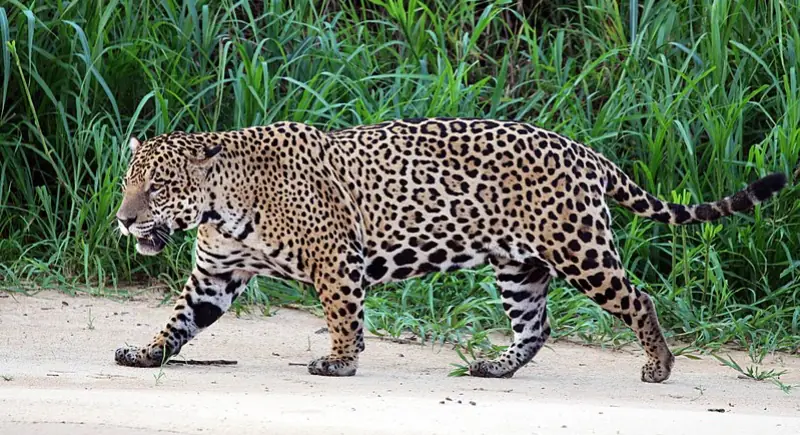
Jaguars usually bite straight through the skull. It is strong enough to puncture turtle shells and crush bones. These muscular cats, found in the rainforests of South America, have a unique hunting style; they ambush and stalk silently before delivering a single, devastating chomp.
Bull Shark – 1,350 PSI
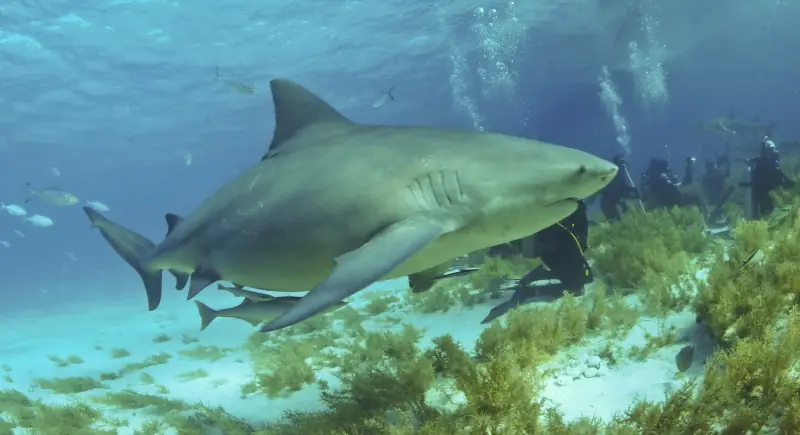
Unlike some sharks that take a bite and let go, the bull shark holds on and thrashes before sawing into its prey with its serrated teeth. They are found in both salt and freshwater and is responsible for more shark attacks on humans than any other species.
Gorilla – 1,300 PSI
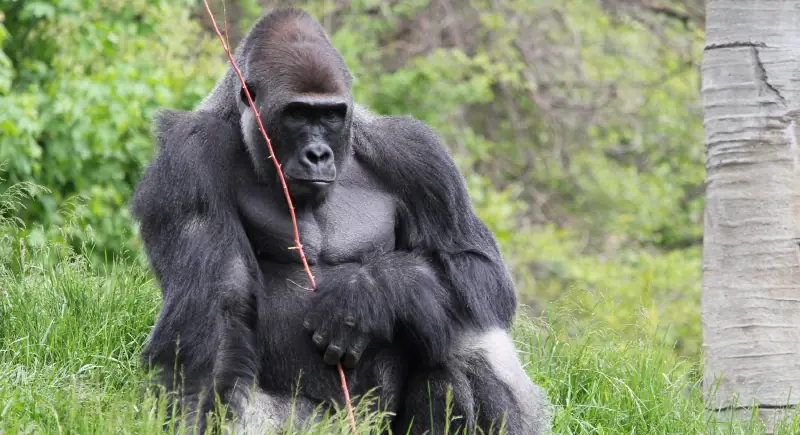
Gorillas’ bite is designed to break down their plant-heavy diet. Tough stems, bark, and roots don’t stand a chance against those massive jaws. Despite their strength, gorillas are generally peaceful and prefer to intimidate rather than attack. But they won’t hesitate to use that power in a fight if provoked.
Tasmanian Devil – 1,200 PSI
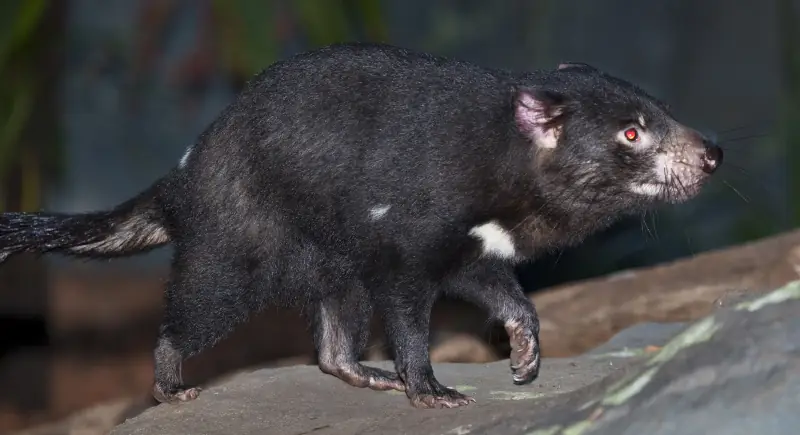
The Tasmanian devil’s bite force isn’t the highest overall, but it’s off the charts relative to its size. These scavengers are the cleanup crew of Tasmania. If you ever see a group of them huddled over a carcass, loudly chomping away, you’ll understand why early settlers thought they were actual devils.
Polar Bear – 1,200 PSI
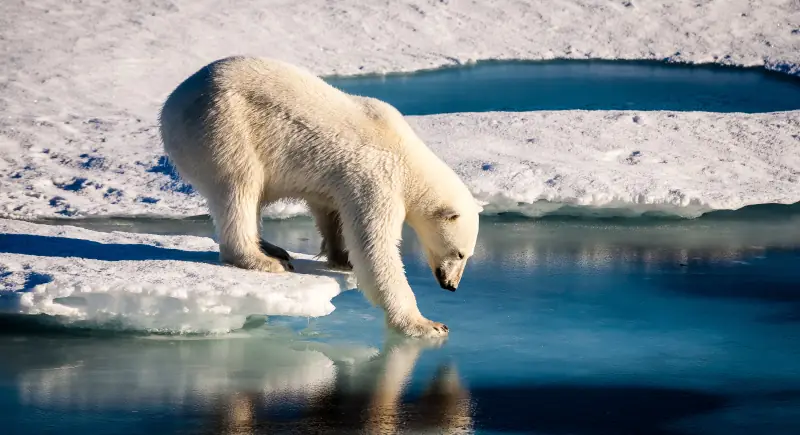
The polar bear is the strongest biter of all bear species. Its teeth are built to tear through thick blubber and ice-covered carcasses. These massive predators rely on their bite to take down their primary food source: seals. They’re also incredibly patient and often wait by seal breathing holes for hours before striking.
Gray Wolf – 400 PSI
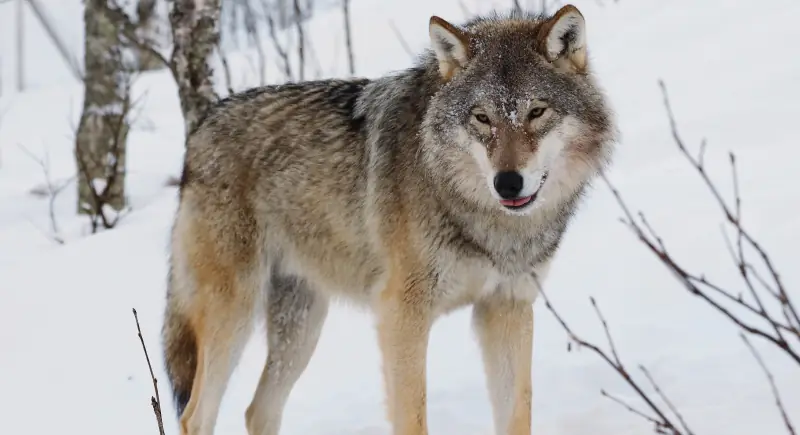
Gray wolves are known for teamwork, but their strength is nothing to ignore. Their powerful jaws allow them to take down animals bigger than themselves, such as moose and bison. Wolves also crush bones to access marrow, a vital energy source. Their bite is key to their survival, and once they latch on, they rarely let go.
Grizzly Bear – 1,160 PSI
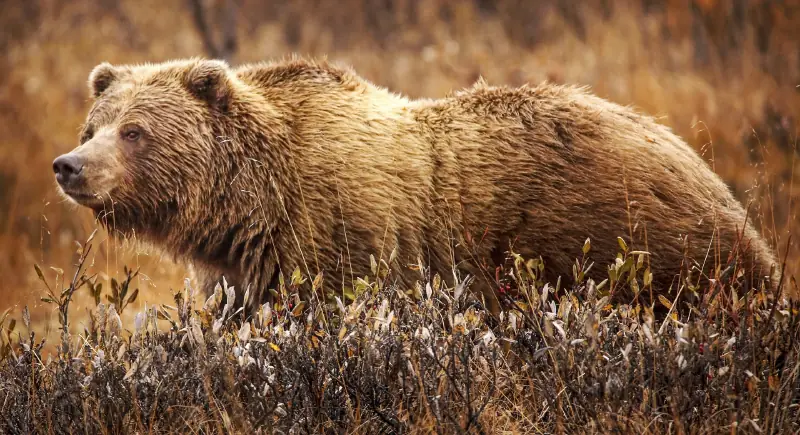
Considering its size, the grizzly’s powerful bite force makes sense. These massive bears need strong jaws to crush bones, crack open nuts, and take down large prey. They spend most of their time foraging rather than hunting. But when a grizzly does decide to attack, it doesn’t hold back.
Spotted Hyena – 1,100 PSI
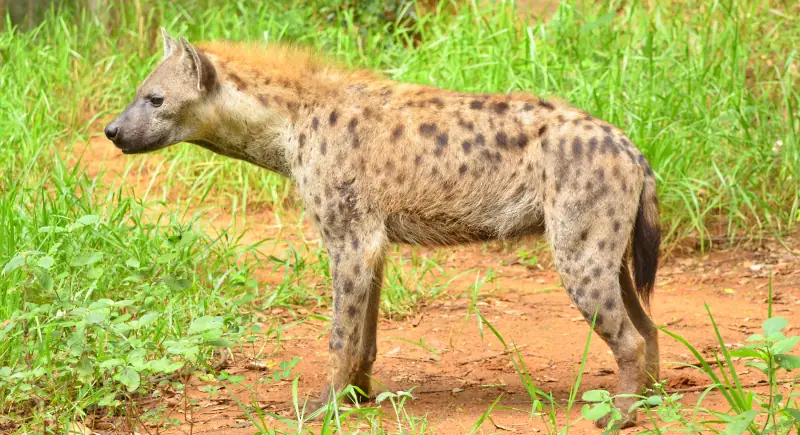
The spotted hyena lives up to its reputation. It can easily crush bones, devouring every part of its prey—including the skeleton. Hyenas have one of the most potent digestive systems, meaning nothing goes to waste. They’re often mistaken for scavengers, but they’re actually skilled hunters.
Bengal Tiger – 1,050 PSI
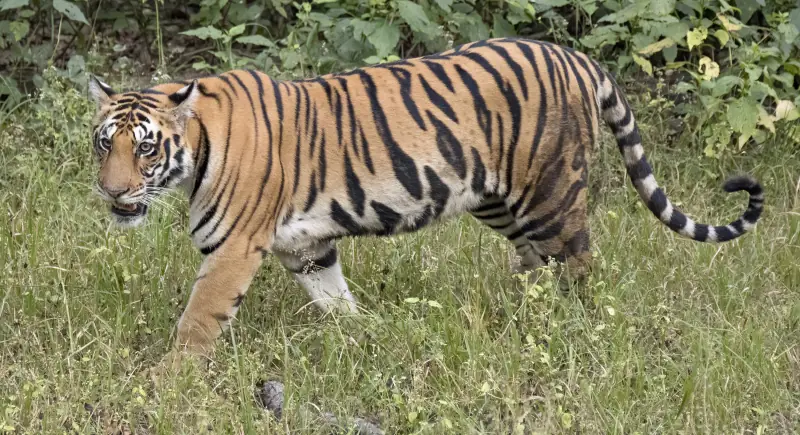
Very few animals can withstand the bite of a Bengal tiger. Its jaws are built for precision killing. Unlike lions, which rely on pride hunting, tigers are solitary, meaning their bite has to be lethal every time. They go straight for the throat and use their massive canines to suffocate prey.
Alligator Snapping Turtle – 1,000 PSI
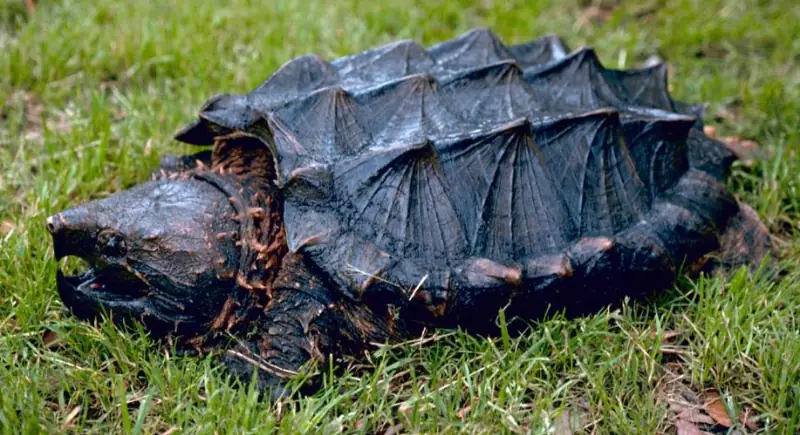
The alligator snapping turtle is the heavyweight champion of freshwater turtles, capable of snapping in a single bite. Its hunting strategy is just as terrifying—remaining perfectly still at the bottom of rivers and lakes while wiggling its worm-like tongue to lure in unsuspecting fish. When the moment is right, its jaws slam shut with lightning speed.
African Lion – 650 PSI
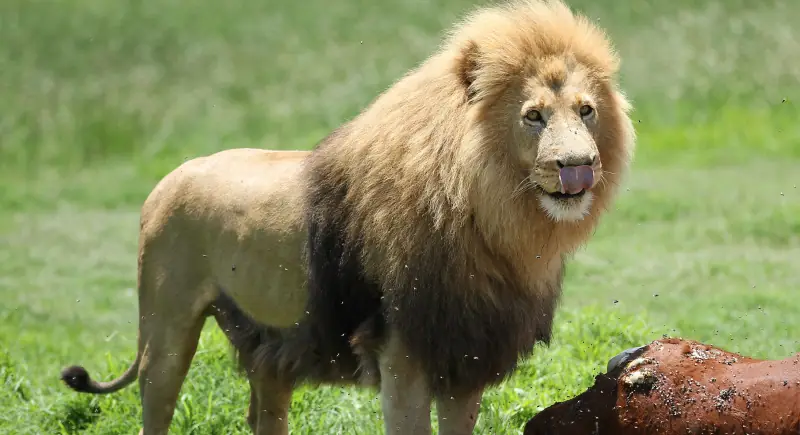
The African Lion isn’t the strongest big cat, but it doesn’t need to be. It primarily relies on its numbers and uses teamwork to bring down large prey. It uses prolonged struggles to tire out its victims before delivering a final bite. Its social nature means it also uses its teeth for bonding, play, and discipline within the pride.
Orca
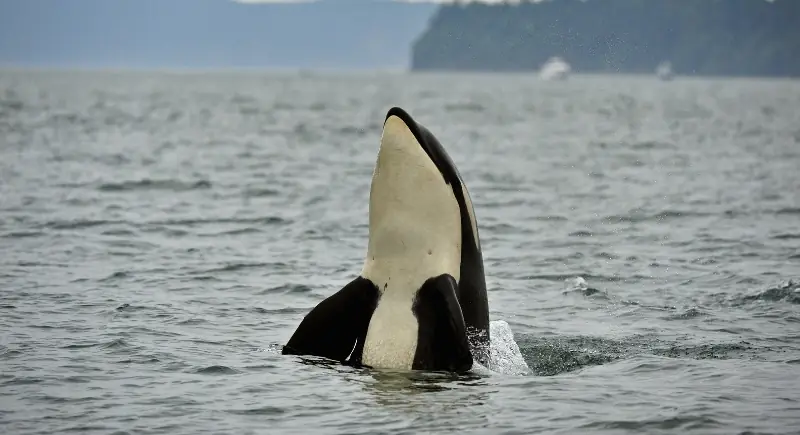
Orcas do not get ranked by bite force numbers, but their jaws are built for crushing power. With interlocking teeth and massive head muscles, they can snap bones and tear apart large prey like seals and sharks. Their bite works in tandem with teamwork and intelligence, making it even more formidable.
Hyacinth Macaw
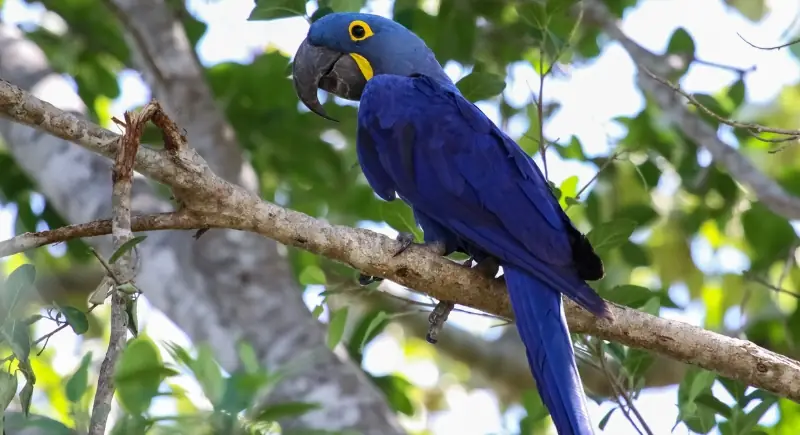
The hyacinth macaw has one of the strongest bites in the bird world. Its beak is powerful enough to crack rock-hard palm nuts that most animals cannot open. While it is not a predator, that crushing force shows how much raw pressure a bird’s bite can deliver.





