
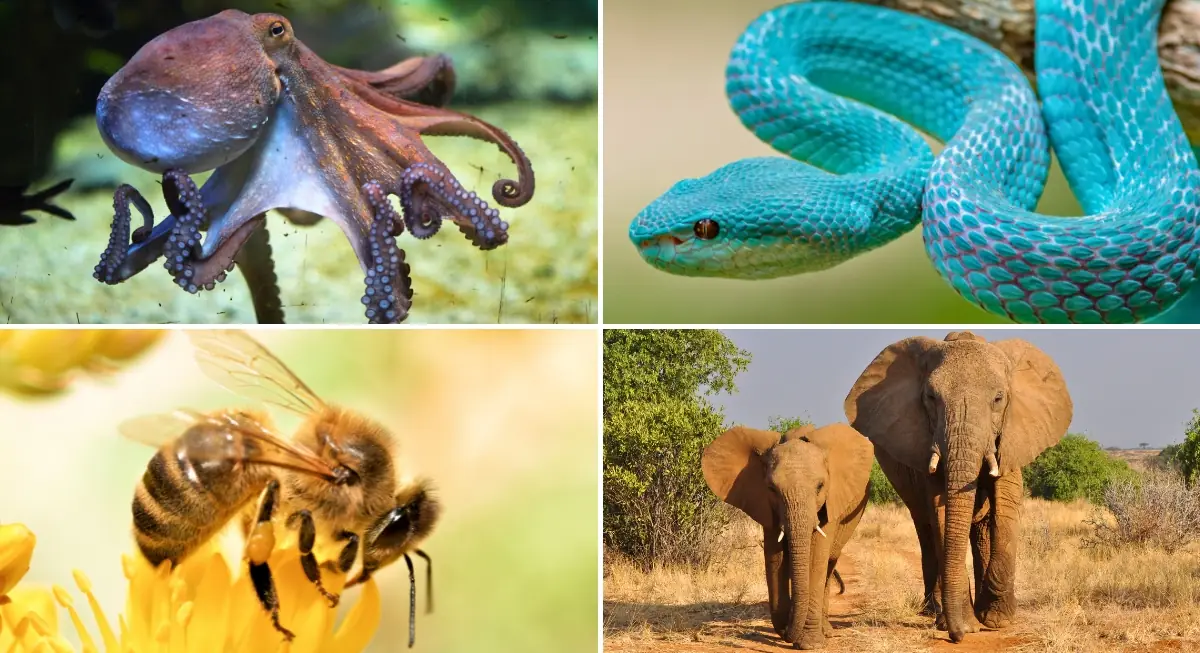
We might have big brains and fancy gadgets, but some animals are wired with senses straight out of a sci-fi script. We’re talking about abilities that go way beyond sight, sound, taste, touch, and smell—skills that help creatures navigate the planet in wild, mind-blowing ways. These are evolutionary superpowers that make our five senses look pretty basic. Here are some extraordinary animals with a sixth sense that humans can’t compete with, no matter how hard we squint or how many apps we download.
Sharks
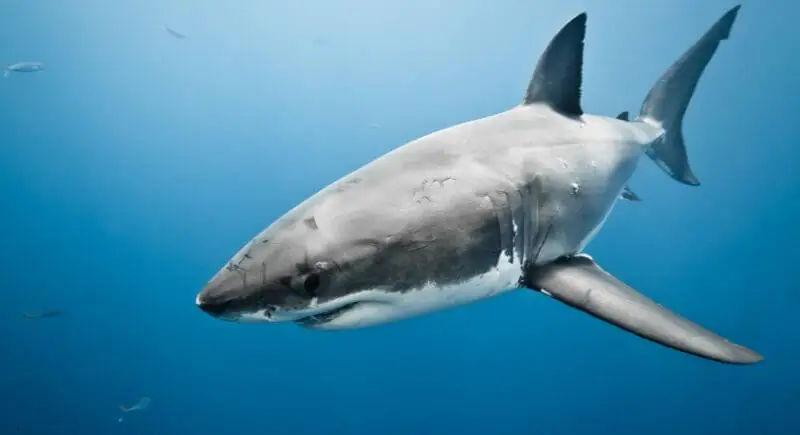
Sharks can detect the faint electric fields given off by living things using special organs called ampullae of Lorenzini. These jelly-filled pores line their snouts and let them locate hidden prey—even under sand or in complete darkness. It’s like a built-in radar that makes them exceptionally effective hunters in the deep sea.
Migratory Birds
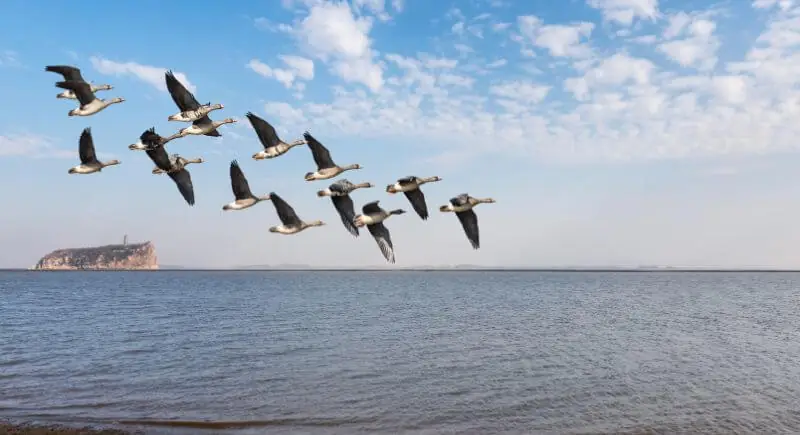
Many migratory birds navigate across continents by sensing Earth’s magnetic field. They have tiny iron particles in their beaks or specialized proteins in their eyes that allow them to “see” magnetic lines. This internal compass helps them travel thousands of miles with pinpoint accuracy, even without visual landmarks or sunlight.
Pit Vipers
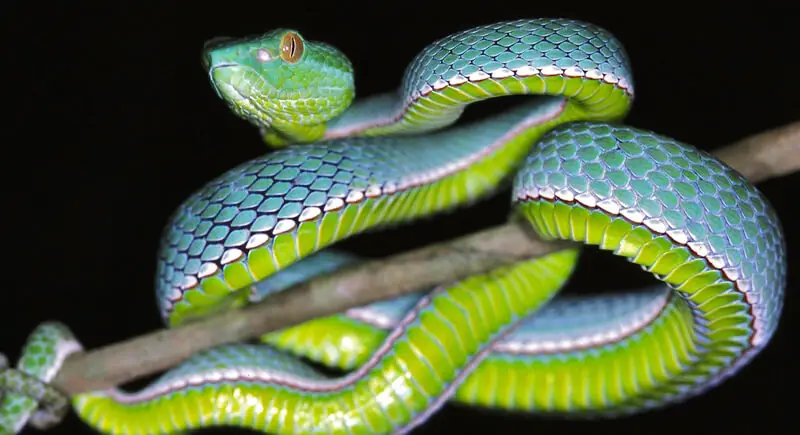
Pit vipers, like rattlesnakes, have heat-sensing pits between their eyes and nostrils. These organs detect infrared radiation and allow them to see the body heat of warm-blooded prey—even in pitch black. This gives them a heat map of their surroundings and makes their strikes both precise and terrifyingly accurate.
Bees
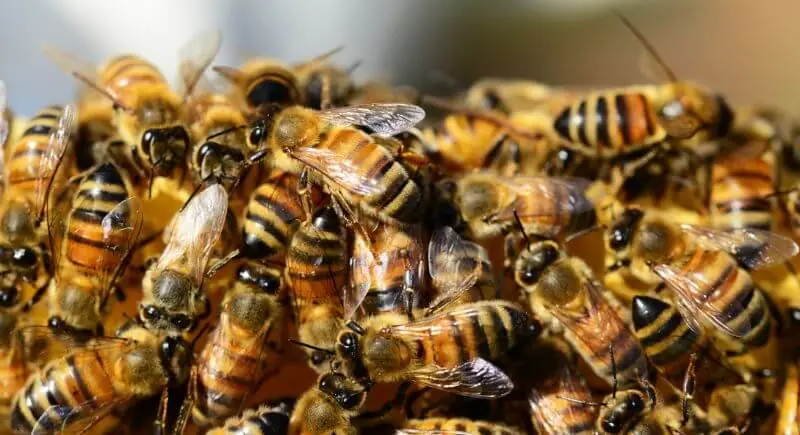
Bees can detect ultraviolet light, which reveals floral patterns invisible to the human eye. These UV markings act like runway lights guiding bees straight to nectar. This hidden visual world helps bees pollinate more efficiently and plays a crucial role in ecosystems.
Elephants
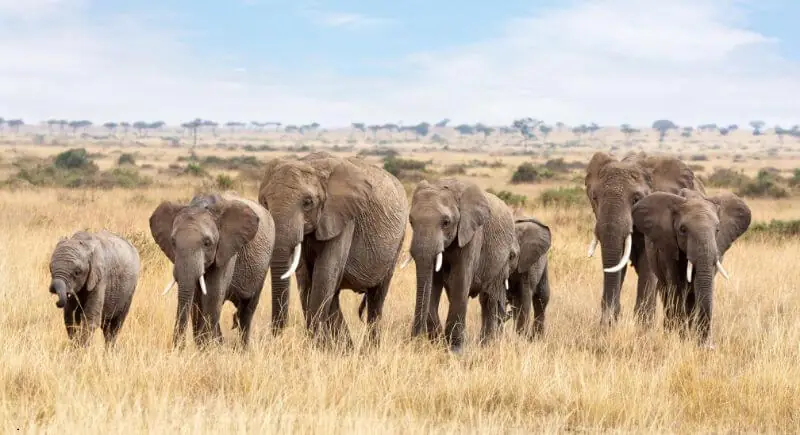
Elephants are masters of seismic sensitivity. They can detect low-frequency rumbles and ground vibrations through their feet and trunks. These vibrations, sometimes caused by distant thunder or other elephants, travel long distances and act as a silent communication network. It’s a powerful sixth sense that keeps herds in sync.
Salmon
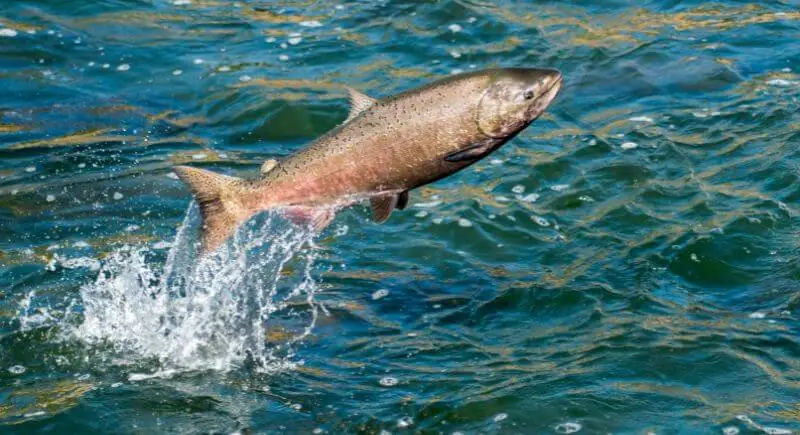
Salmon use an extraordinary sense of magnetoreception to navigate oceans and return to their birth rivers to spawn. Their internal magnetic map guides them across thousands of miles with astonishing precision. Even after years in the open ocean, they retrace their path back home like underwater GPS systems.
Mantis Shrimp
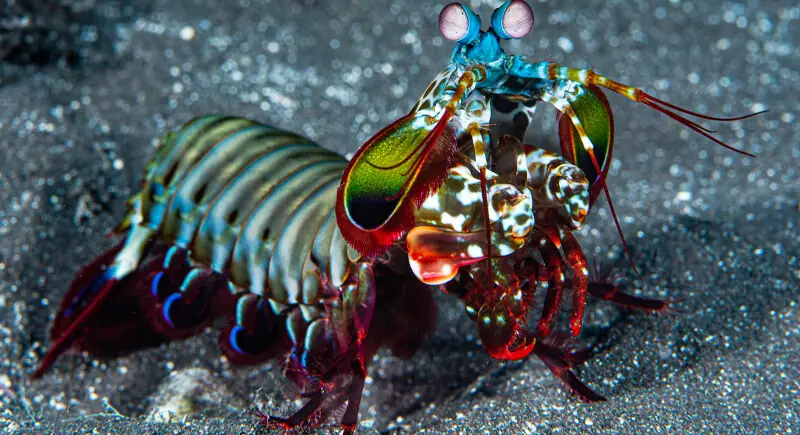
Mantis shrimps have the most complex eyes in the animal kingdom. They can detect polarized light and a vast range of colors, including ultraviolet. Each eye can move independently and process depth with one eye alone. Their vision system is so advanced that scientists still don’t fully understand how it works.
Cows
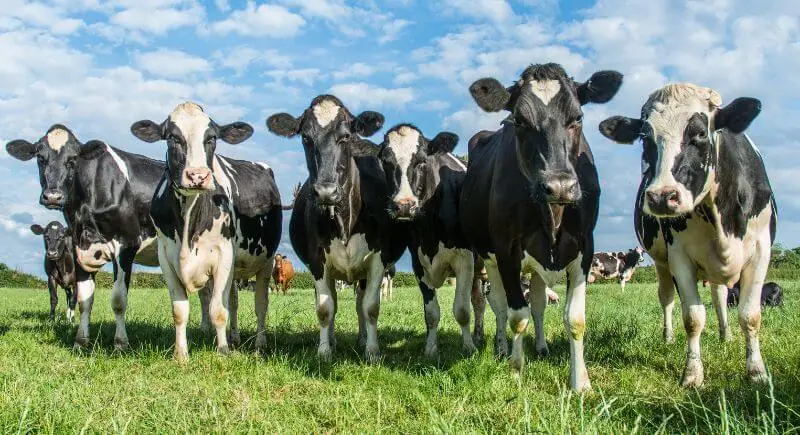
Cows are surprisingly magnetic—or at least magnetically aware. Studies show they tend to align their bodies along the Earth’s magnetic field while grazing or resting. It’s not entirely clear why, but this consistent north-south orientation hints at an internal magnetic sense that may help them with spatial orientation or comfort.
Octopuses
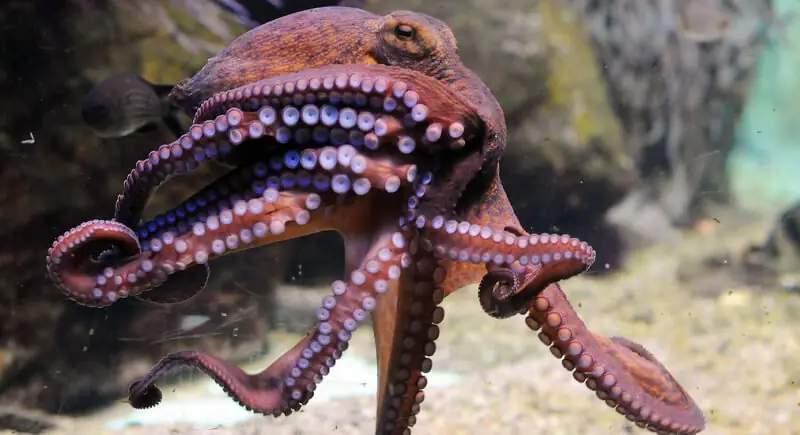
Octopuses can taste and touch with their arms. Each sucker is packed with sensory receptors that detect chemical changes and textures in the environment. This gives them a unique way of interacting with the world.
Dogs

Dogs’ sense of smell is so powerful that it’s considered an extra sense entirely. Their noses have up to 300 million olfactory receptors—compared to about six million in humans—and they can sniff out emotions, diseases, and even time-based scents.
Bats
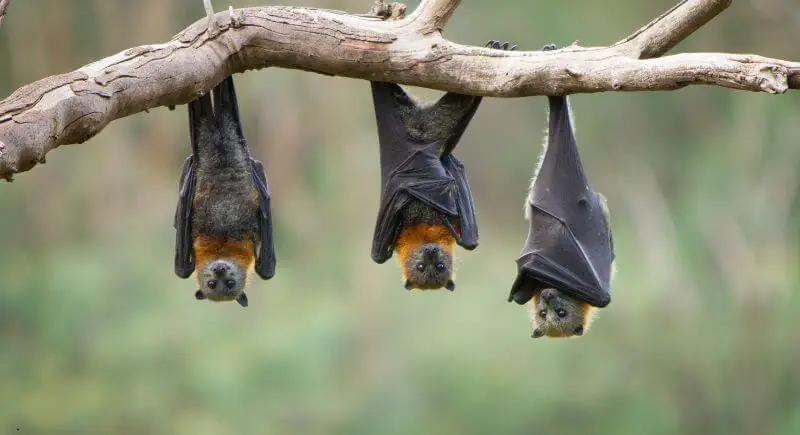
Bats use echolocation to navigate and hunt with extreme accuracy. They emit high-frequency sounds and listen to the echoes bouncing back; this paints a detailed picture of their surroundings in total darkness. The sonar-like system lets them dodge branches, catch insects mid-air, and fly with unmatched nocturnal precision.
Sea Turtles
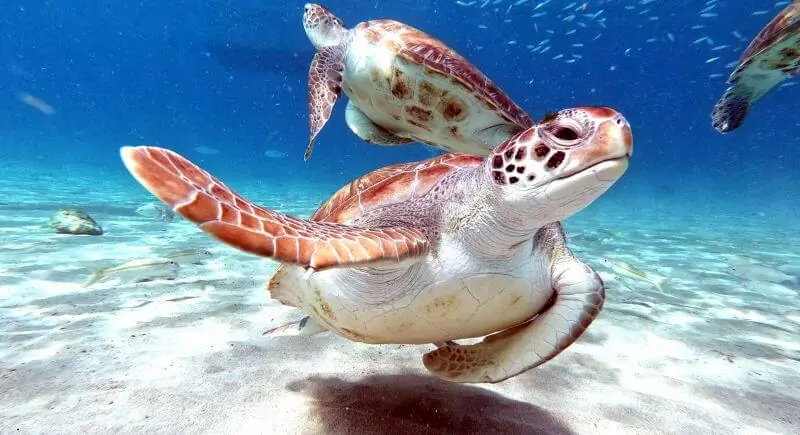
Sea turtles hatch, head to the ocean, and return decades later to the exact beach where they were born. They use magnetic fields to navigate thousands of miles. Their internal map helps them migrate across entire oceans and locate home shores with an accuracy that continues to puzzle marine biologists.
Cats
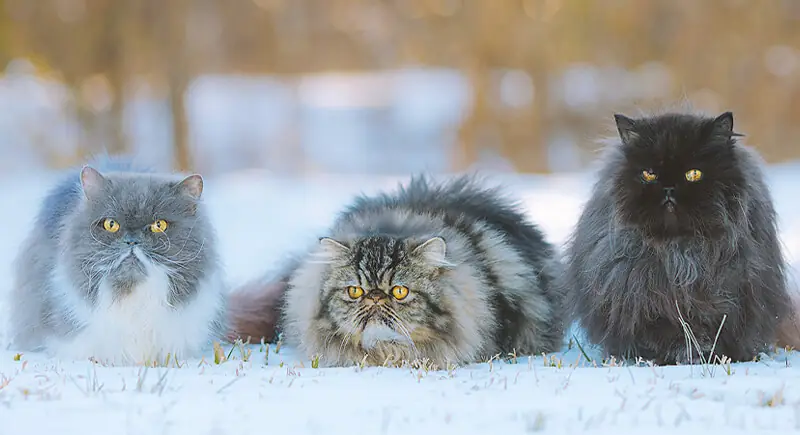
Cats have a powerful vibrissal sense—whiskers that pick up subtle air movements and vibrations. These ultra-sensitive facial hairs act like radar that helps them sense nearby objects and navigate tight spaces. Even in complete darkness, their whiskers allow them to hunt and move gracefully without bumping into anything.
Ants
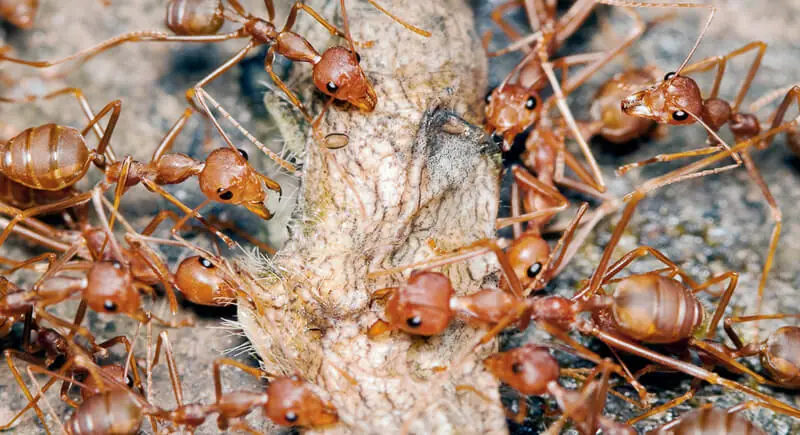
Ants rely on pheromone trails and geomagnetic cues to find food and return home. Some species also use polarized light for orientation. This layered sensory toolkit allows ants to operate complex foraging systems, maintain colony structure, and navigate massive terrain with the efficiency of a tiny but tireless GPS.
Dolphins
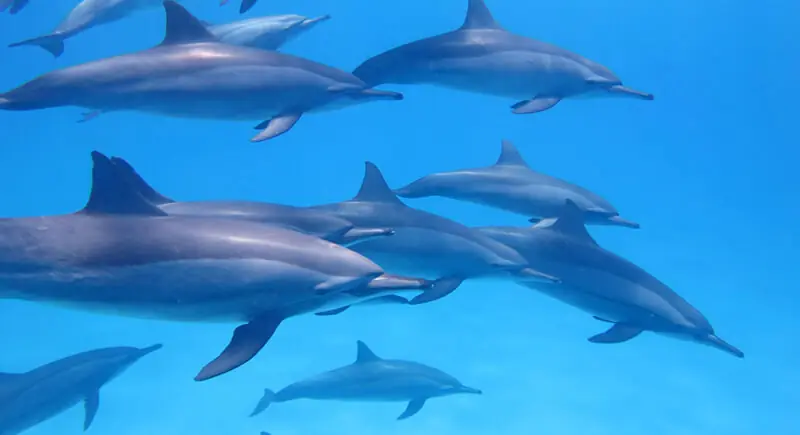
Dolphins use echolocation by bouncing sound waves off objects to “see” underwater. Their clicks and whistles act like sonar, detecting the size, shape, distance, and even internal structures of nearby creatures. This method is precise enough for dolphins to find prey in murky water, communicate socially, and explore their world with acoustic clarity.
Platypus
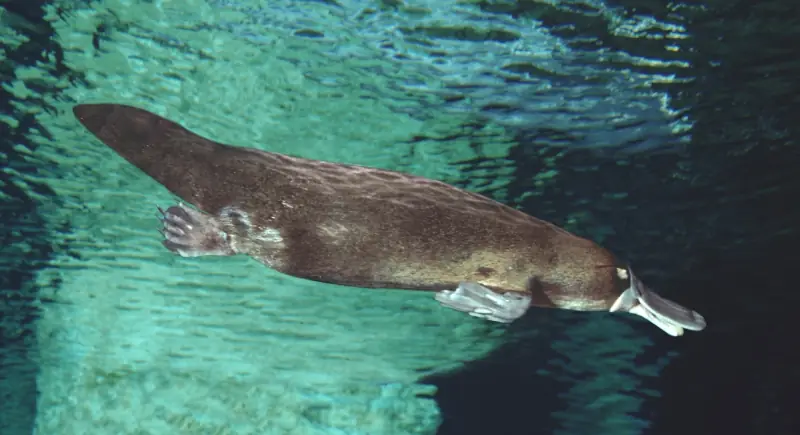
Platypus hunts with a built-in electrical detector in its bill. Tiny receptors pick up faint electric signals from the muscle movements of prey underwater. Eyes, ears, and nostrils close while diving, so this strange mammal basically feels its way through streams using electricity. Humans have nothing remotely comparable.
Dung Beetle
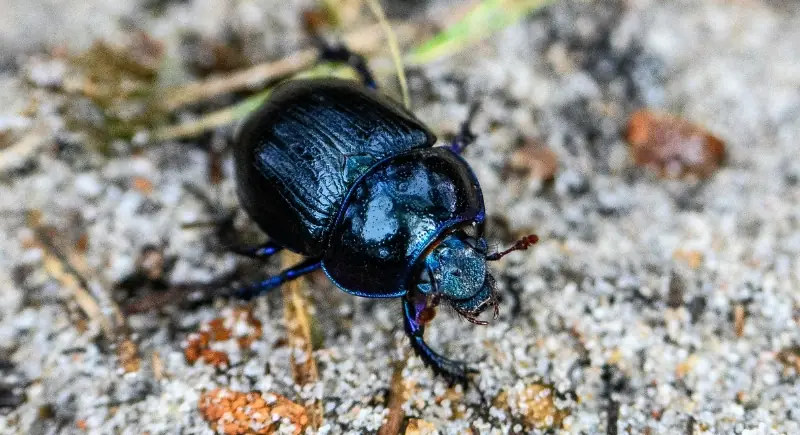
Dung beetles can navigate using the night sky, even the Milky Way’s glow. After grabbing a dung ball, it climbs on top and orients itself by celestial cues before rolling in a straight line. That cosmic compass keeps rivals from stealing dinner, and it works far beyond the limits of human vision.





