
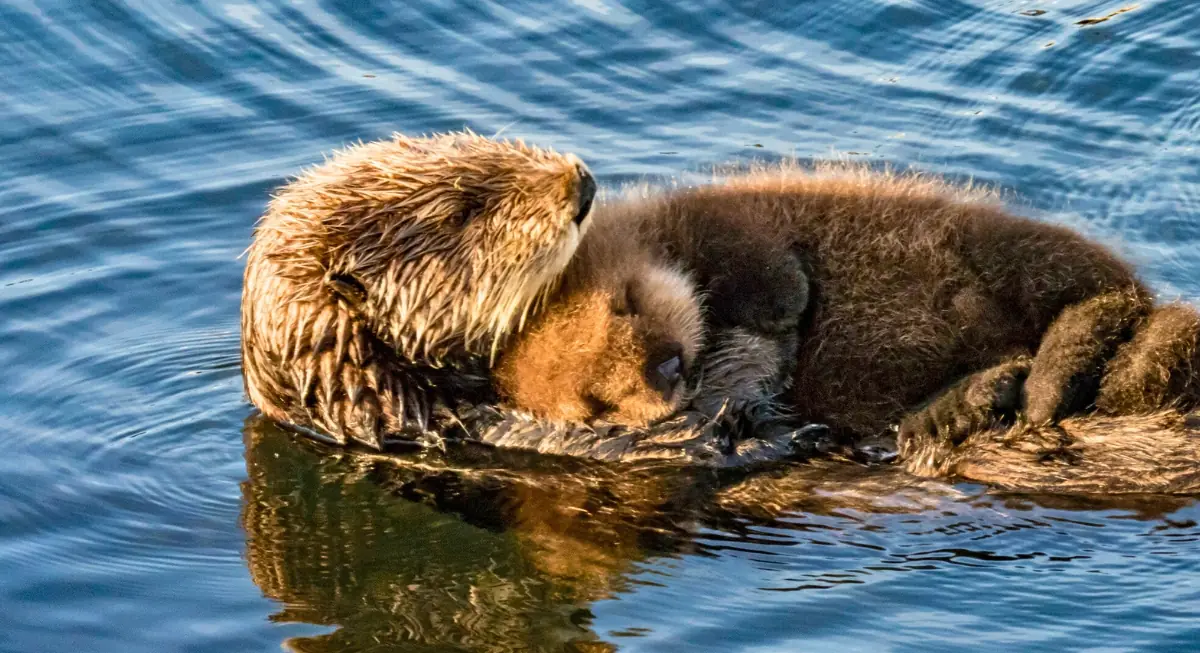
Some baby animals stuck to their parents like Velcro. Between warmth, safety, or comfort, a few young creatures seem happiest when cuddling close to mom or dad. Let’s take a look at these 17 animals that aren’t shy about staying attached.
Koalas
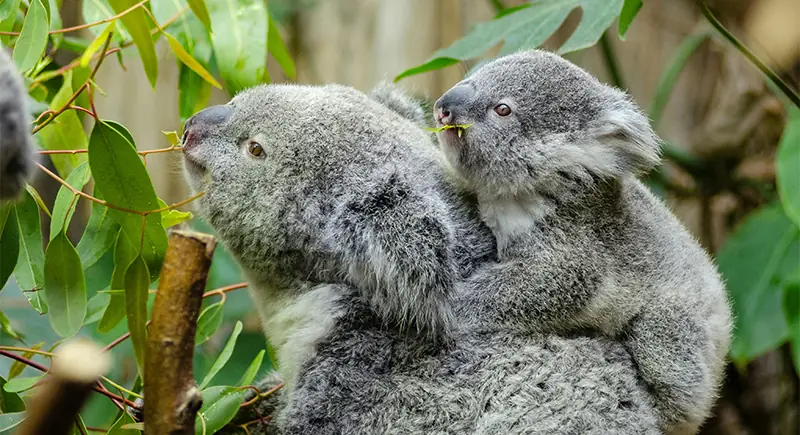
After emerging from the pouch, Koala joeys cling tightly to their mom’s back or belly as she climbs trees. More than being adorable, it’s actually necessary for survival in the treetops of Australia. It stays like this for nearly a year, long enough to learn the ropes of tree-hugging life.
Otters
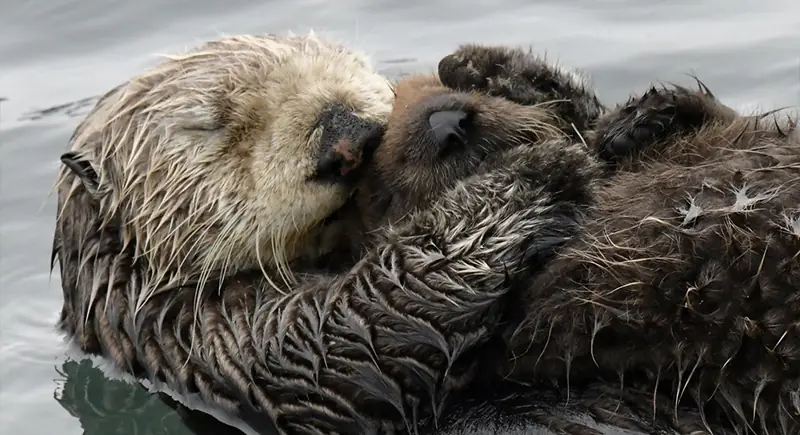
Otter moms are known for keeping things together. While floating on their backs, they’ll cradle their pups or wrap them in kelp to keep them from drifting away. Baby otters stay close while mom dives for clams, and when they’re both at rest, they float side by side, touching paws.
Monkeys
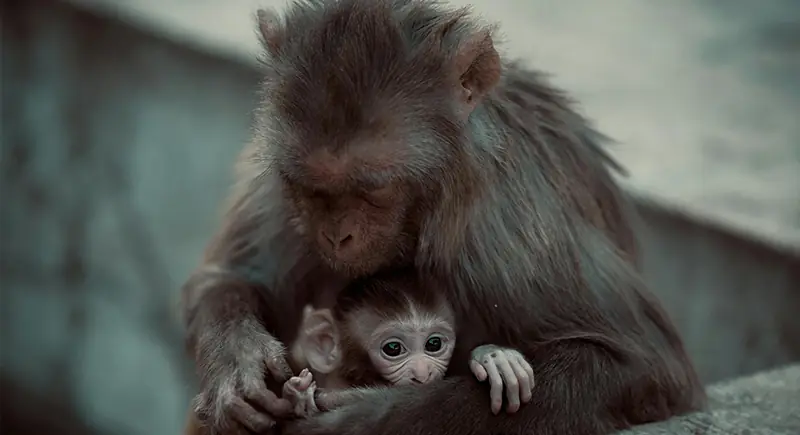
Tiny monkeys hang on tight for the ride. They grip their mothers’ fur and hold on during climbs, jumps, and dashes through the trees. For many species, this clingy phase lasts a few months. It gives the babies a moving classroom while letting them observe everything.
Wolves
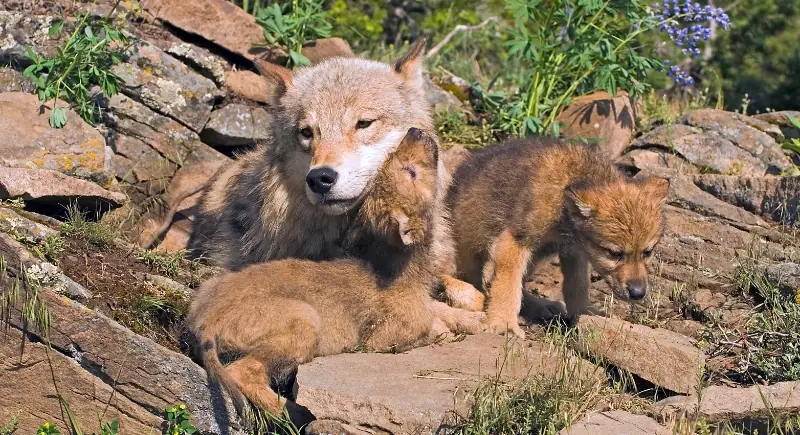
Wolf pups are born deaf and blind, so they rely completely on touch and scent during their first weeks. They huddle with their mother (and each other) for warmth. As they grow, they stay close, often following mom around the den or curling up beside her.
Elephants
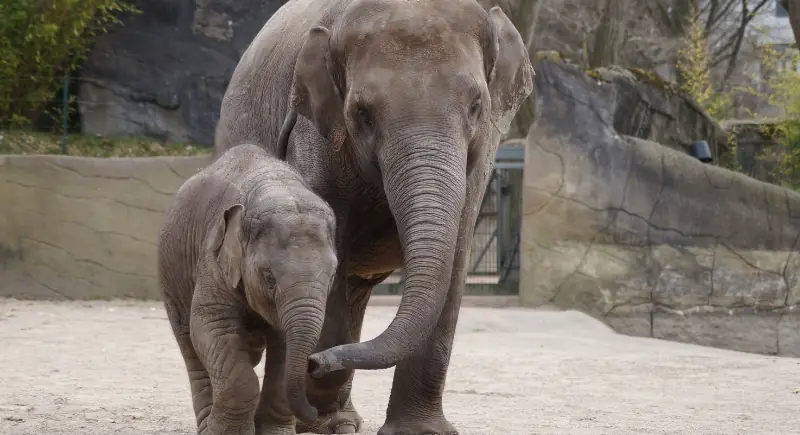
Baby elephants are some of the most physically affectionate animals in the wild. They wrap their trunks around their mothers’ or press against their legs, staying in contact as much as possible. In large herds, that closeness helps calves stay safe, find food, and avoid getting separated.
Cats
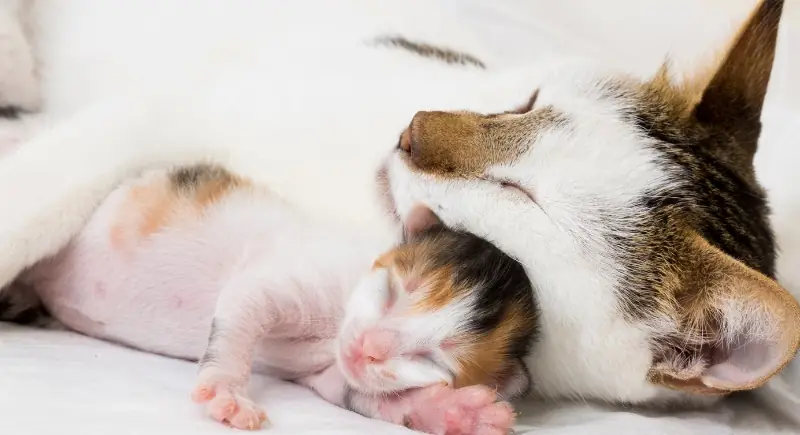
Domestic kittens aren’t shy about snuggling, and wild cats aren’t much different. Mother cats let their young nuzzle close for warmth and feeding. Some species even carry their babies gently by the scruff. Despite their aloof adult reputations, feline moms are attentive during those early months.
Giraffes
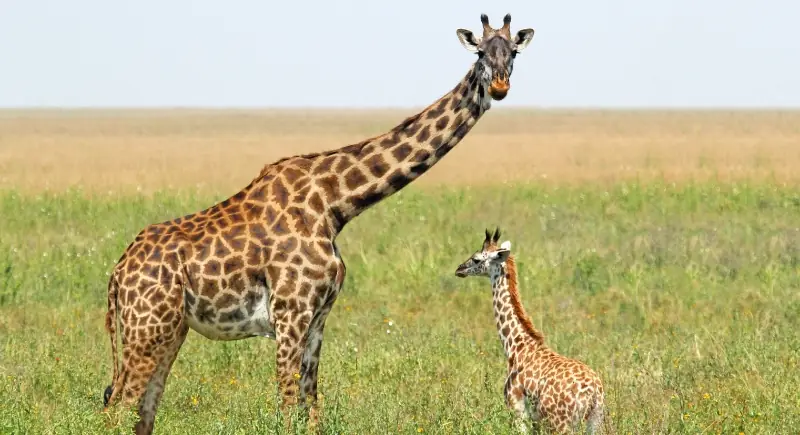
Baby giraffes don’t cling like a monkey might, but they’re never too far behind. After a few hours on shaky legs, calves follow their mothers closely, staying within view and often pressing their necks or heads against her. That closeness helps them avoid danger in open habitats.
Sloths
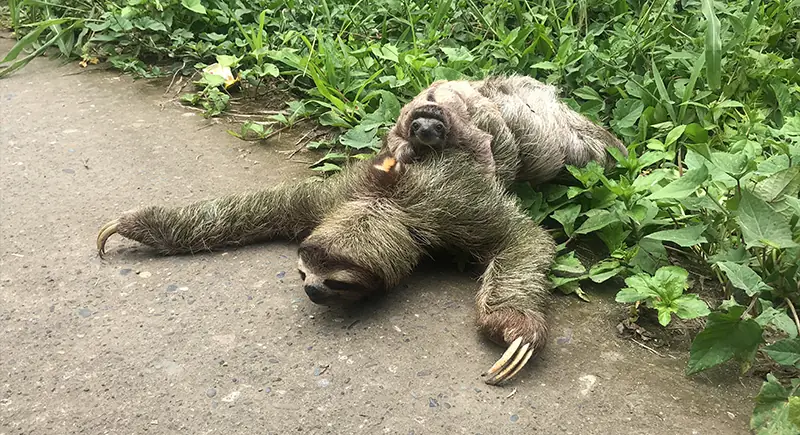
For the first few months of life, sloth babies stick to their mom like moss on a tree. They latch onto her fur as she climbs or rests. Separation doesn’t happen until the baby is old enough to hang out on its own.
Zebras
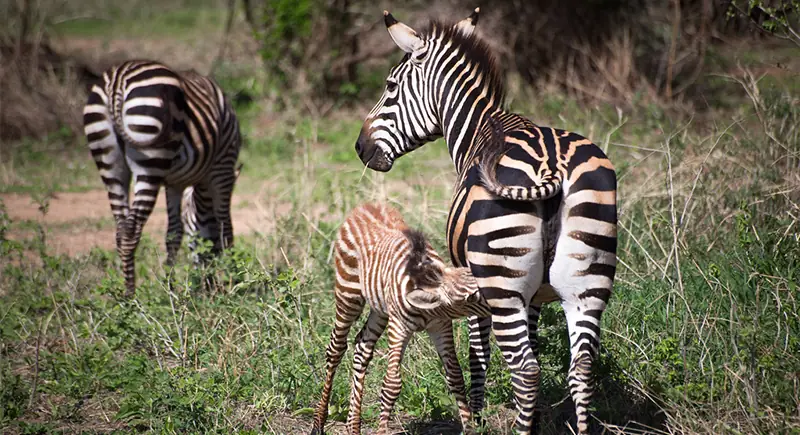
Zebra foals stick close to their mothers by memorizing their scent and pattern. Within days, they learn to follow her precisely, using subtle signals to stay in sync. In a herd that looks nearly identical, that tight connection keeps a foal from getting lost in the black-and-white blur.
Orangutans
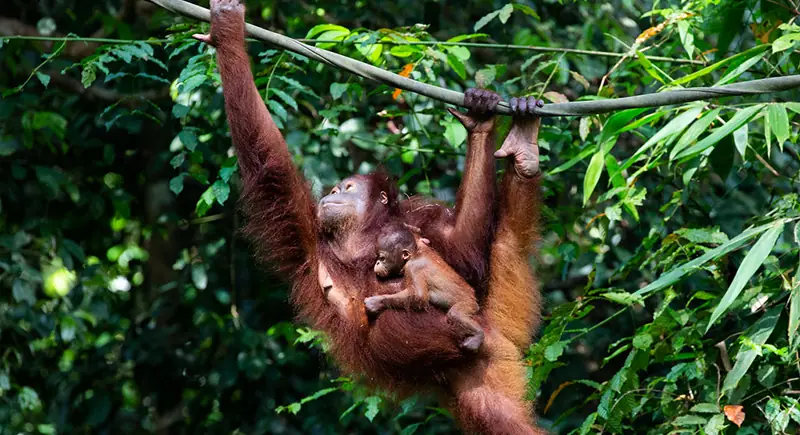
Among primates, orangutan mothers have one of the longest child-rearing commitments. Babies cling to their moms for up to seven years, often riding on their backs through the treetops. The connection is intensely physical in the early years, with nearly constant contact.
Seals
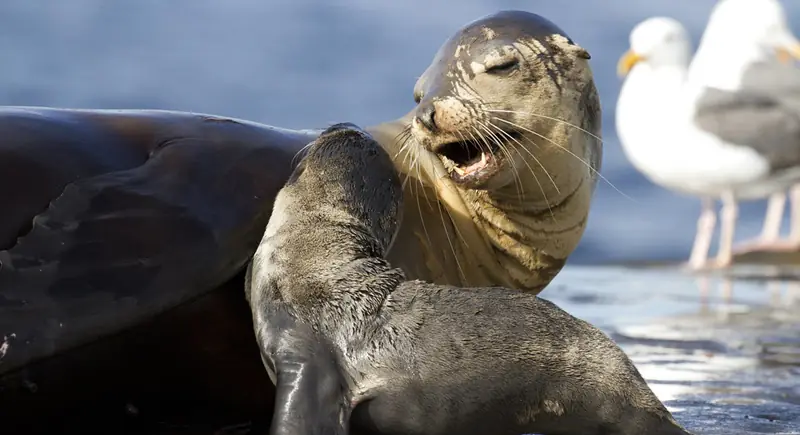
Seal pups rely heavily on touch during their early days on land. They press against their mothers, especially in colder climates where body heat matters. These cuddly interactions also help cement the mother-pup relationship, so nursing happens often and efficiently.
Dogs
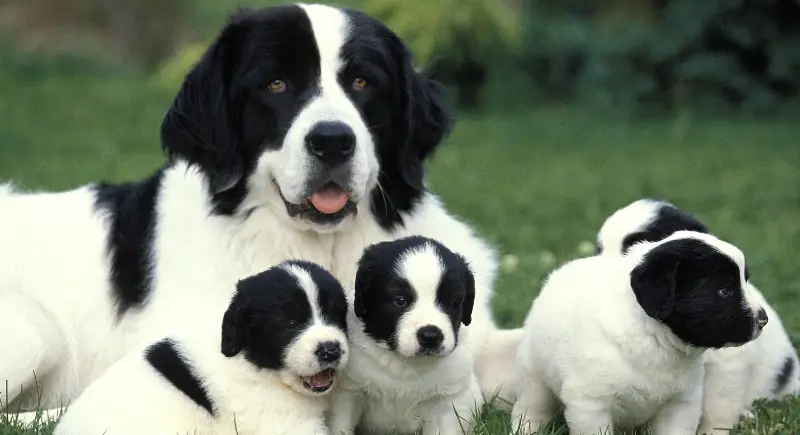
It’s common to see puppies sleep in a furry heap, with their mother keeping watch or joining the pile herself. Even wild canines like wolves, foxes, and coyotes show this behavior. Cuddling helps pups feel secure and figure out their place in the pack.
Kangaroos
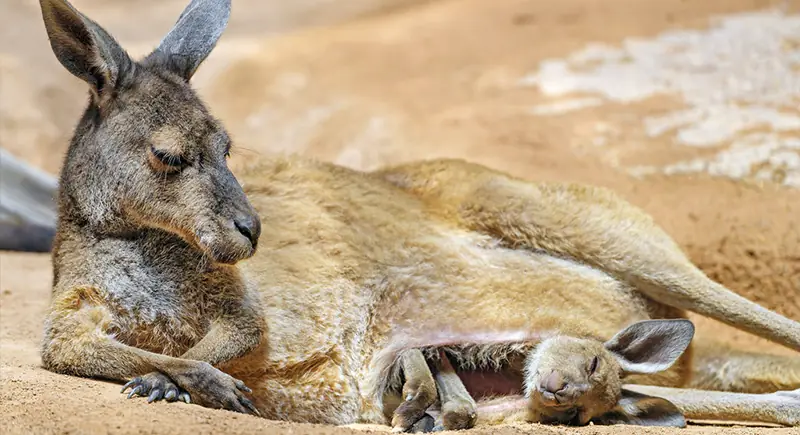
It doesn’t get clingier than a joey in a pouch. Kangaroo babies spend several months growing inside mom’s built-in carrier, only occasionally peeking out. Even after they start hopping around, they dive back in for safety and snuggles. It’s a mobile nursery and cuddle zone rolled into one.
Baboons
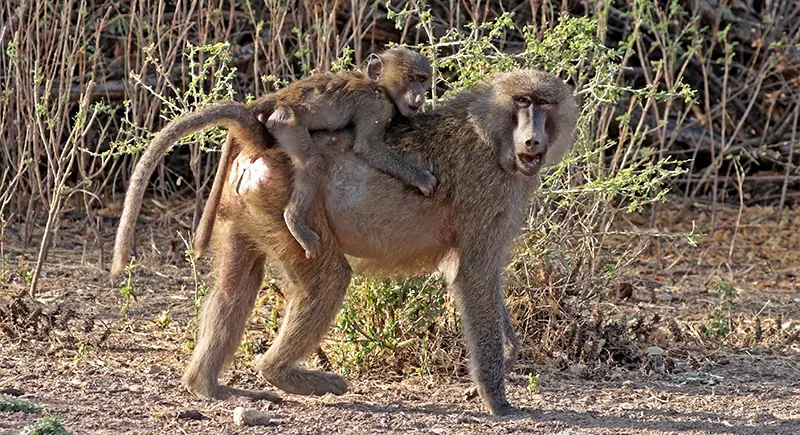
Baby baboons are often seen hanging on for dear life. They grasp their mother’s underside while she travels across rough terrain. As they get stronger, they transition to riding on her back. The physical attachment allows them to move with the group while staying protected.
Pandas
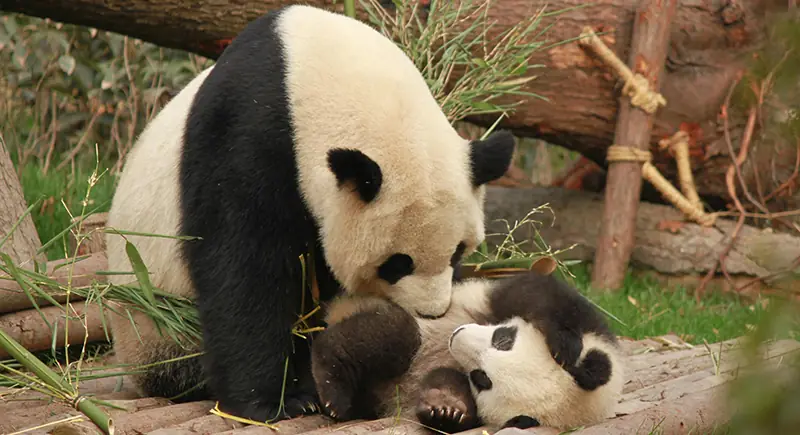
A newborn panda is basically helpless, it’s tiny, blind, and needs constant care. Mom keeps it tucked into her arms or against her belly nearly nonstop for weeks. The cuddling continues long after the cub starts crawling, with physical closeness helping both of them stay calm.
Opossums
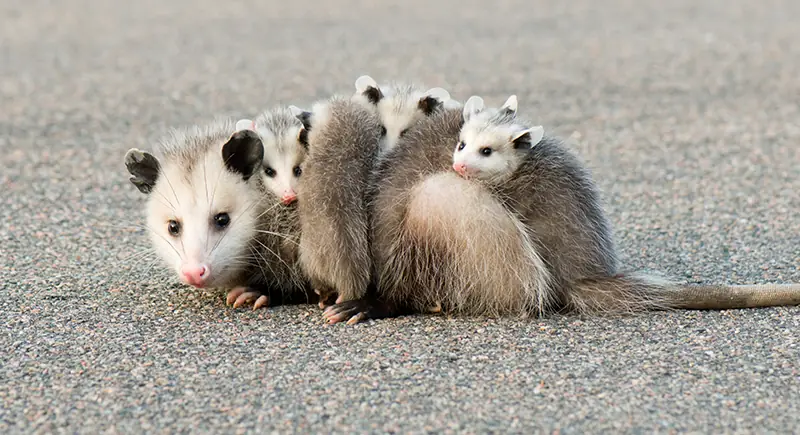
Baby opossums start life inside the pouch, but the real balancing act comes later. Once they outgrow that space, they climb onto their mother’s back and hang on during nighttime walks through trees, fences, and brush. Count the passengers sometime. One mother can carry a whole wobbling row of babies at once.
Anteaters
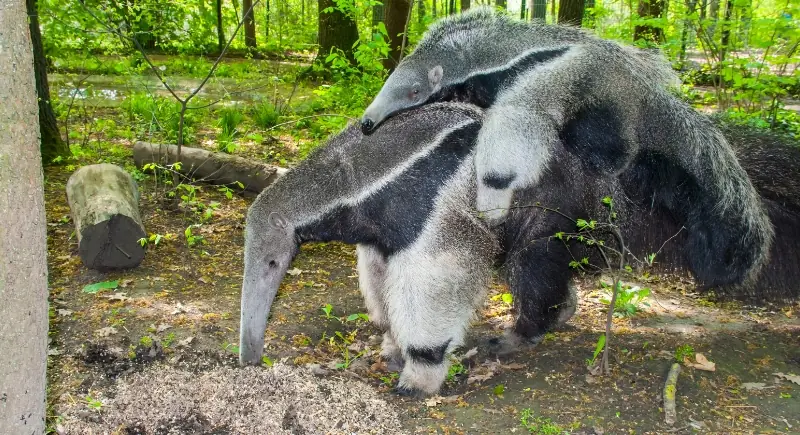
Giant anteater pups spend months riding on their mother’s back, stretched across her fur like a small backpack with claws. The pattern helps too. From a distance, the baby blends into the dark stripe running down her body, which makes the pair harder for predators to pick apart.





