
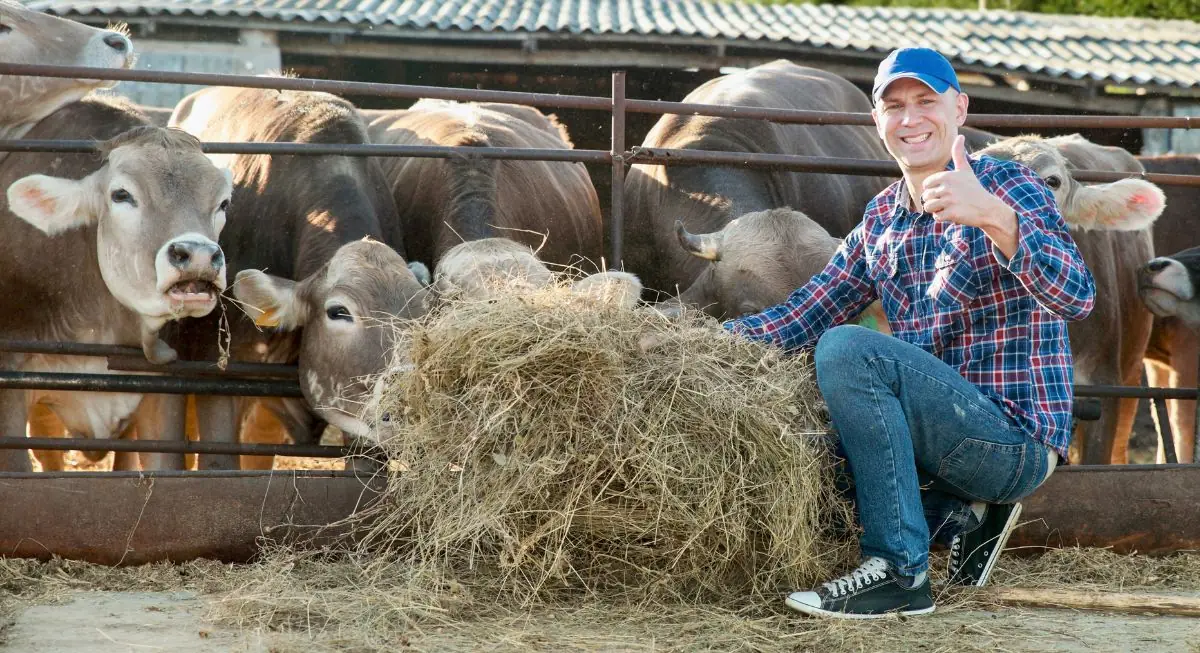
Getting farm animals sounds like a dream—fresh eggs, homemade cheese, and an Instagram-worthy countryside life. But not every animal is a good match for beginners. Before you start picturing yourself as a modern-day homesteader, it’s worth knowing which animals are easygoing and which ones will turn your farm into a full-time headache.
Pekin Ducks
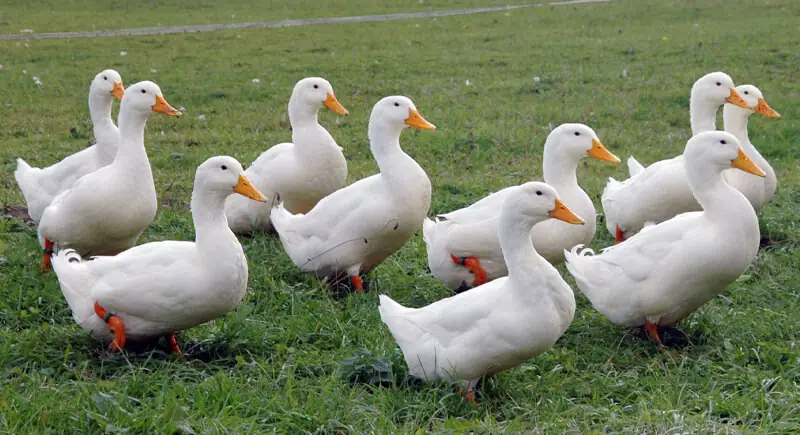
If you want a farm animal that’s easy to care for, fun to watch, and actually earns its keep, Pekin ducks are the way to go. They don’t need fancy coops, lay a ton of eggs, and are far less temperamental than some poultry (looking at you, moody roosters).
Rabbits
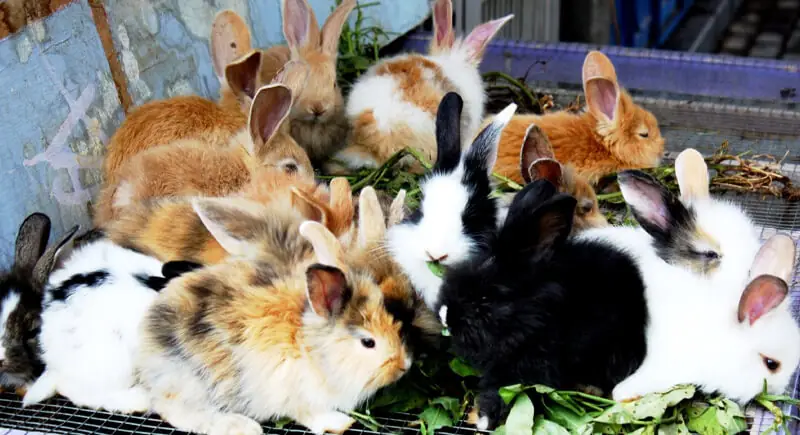
Rabbits might just be the best contenders for backyard farming. They don’t squawk, they don’t need acres of land, and they certainly don’t demand a gourmet diet—just some hay, veggies, and kitchen scraps. In return, they multiply like, well… rabbits.
Chickens
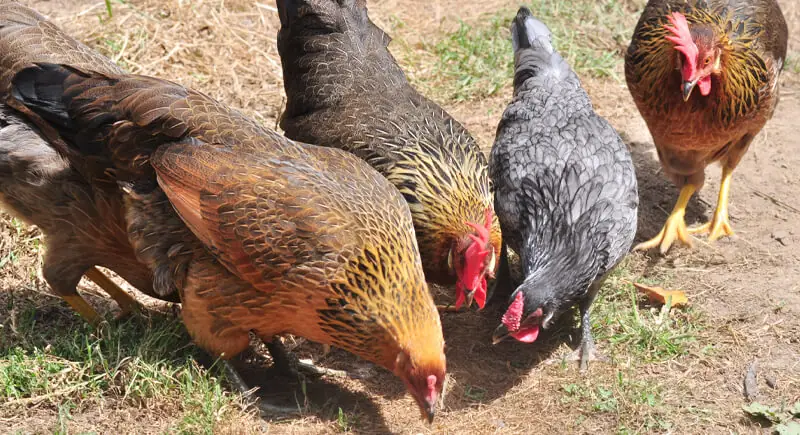
Raising chickens is like having a backyard full of tiny, feathered comedians who also happen to provide fresh eggs. Of course, it’s not all sunshine and scrambled eggs. Coops can be pricey, feed bills add up, and predators are always a concern. But if you’re up for a little effort, the payoff is worth it.
Goats
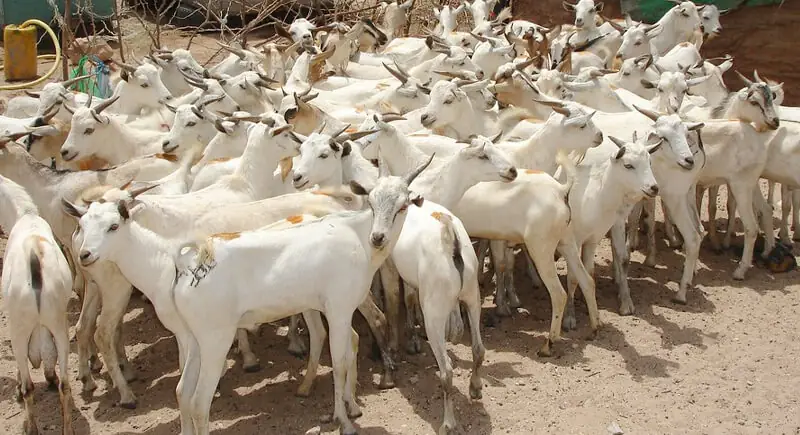
One moment, goats are charming you with their playful antics; the next, they’re halfway over a fence you thought was escape-proof. These lively animals provide milk, fiber, and natural weed control, which makes them valuable to homesteads. But they’re not for the unprepared—owning goats means staying one step ahead of their endless curiosity.
Cows
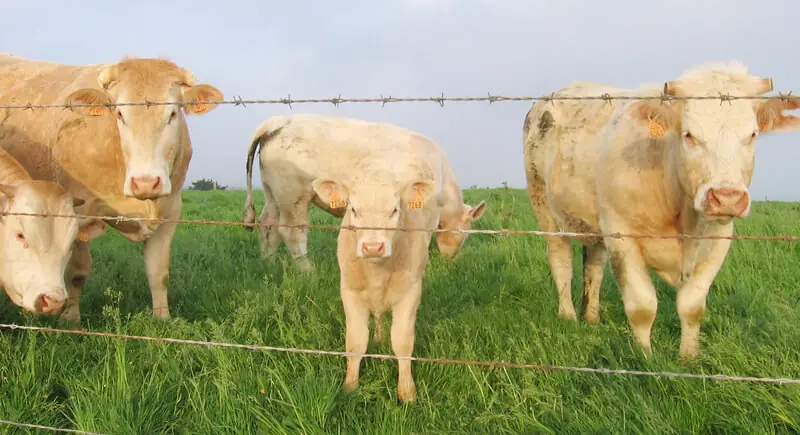
Raising cows isn’t for the faint of heart, but if you’re ready for the challenge, a well-managed herd can provide milk, meat, and a step toward self-sufficiency. But before you start dreaming of fresh dairy and homegrown beef, know this: cows need space, plus strong fencing, because a determined cow doesn’t respect weak barriers—it walks straight through them.
Honey Bees
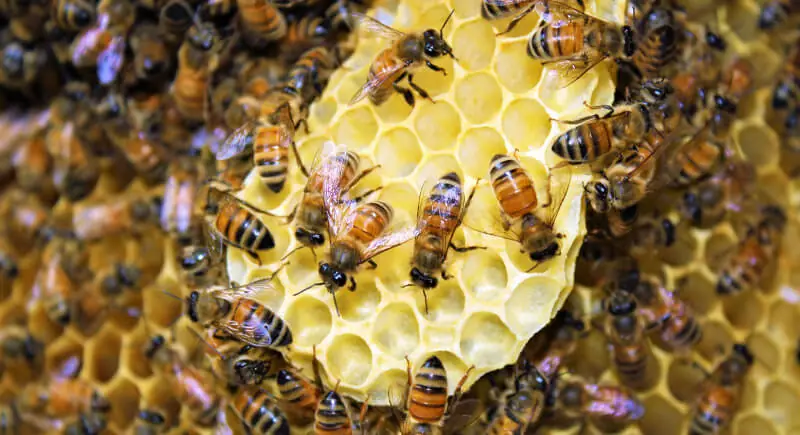
Beekeeping is less about honey and more about joining forces with one of nature’s hardest-working crews. Of course, beekeeping comes with its fair share of challenges—stings, hive invaders, and the occasional bee rebellion. But with the right know-how, a smoker in hand, and support from fellow beekeepers, those hurdles are easy to manage.
Sheep
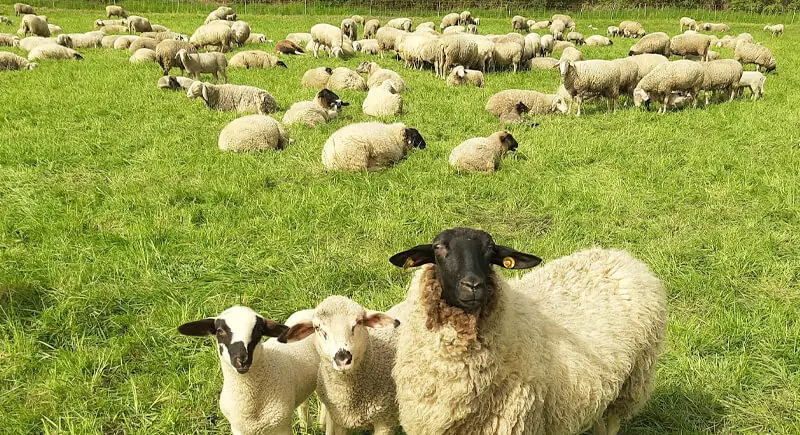
Sheep don’t get nearly enough credit. They’re low-maintenance, endlessly useful, and, let’s be honest—pretty adorable. That’s not to say they’re entirely carefree. Sheep are escape artists if fencing isn’t secure, and parasites can be an issue without regular health checks.
Fish

Most people think of farming as tractors and livestock, but fish farming is one of the easiest and most sustainable ways to produce fresh, high-quality protein—no barn required. If you’re just getting started, tilapia is the go-to choice. They grow fast, eat a budget-friendly plant-based diet, and thrive in all kinds of water conditions.
Nigerian Dwarf Goats
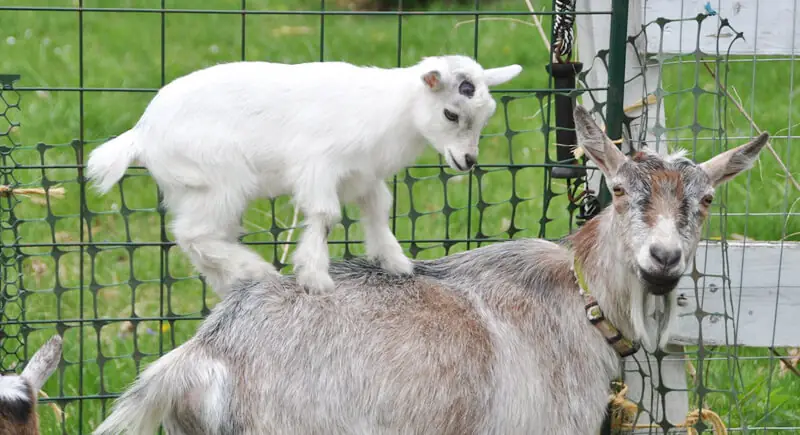
Nigerian Dwarf goats may be small, but don’t let their size fool you—they pack a ton of personality and mischief into their tiny frames. If you’re not careful, you’ll find them exploring places they definitely shouldn’t be. They’re also highly social, so keeping just one isn’t an option—without a friend, they’ll get stressed and start acting out.
Bulls
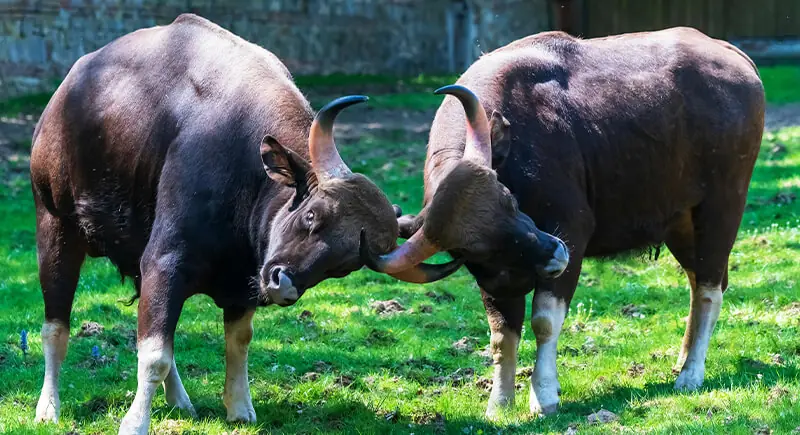
Owning a bull shows what it’s like to keep a living wrecking ball—strong, stubborn, and always looking for ways to prove it. Beyond their strength, bulls require serious health management. They’re prone to diseases like East Coast fever. So, while they can be a valuable asset, they’re not recommended for beginners.
Horses
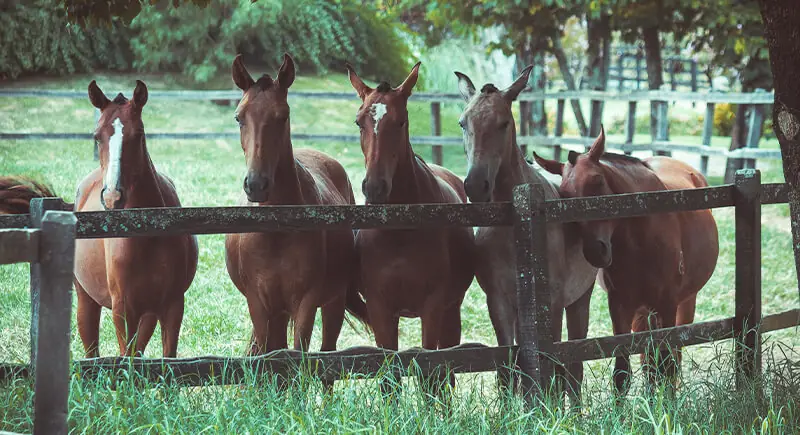
Bringing a horse into your life is more than just weekend rides and scenic trails. The thrill of owning one is real, but so are the endless feed bills, vet check-ups, and farrier visits. Without proper space or stimulation, they can develop bad habits like cribbing or weaving, which affects their well-being and leads to costly facility damage.
Donkeys
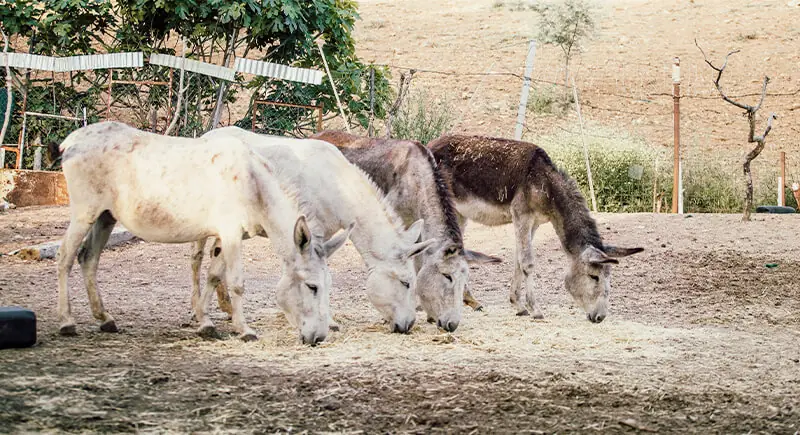
Donkeys might seem like regular farm animals, but raising them is like welcoming a four-legged best friend with a built-in alarm system and a knack for mischief. These clever creatures form deep bonds and won’t tolerate loneliness. Regular hoof care is a must, too, or you’ll have a donkey clomping around like it’s wearing high heels.
Camelids
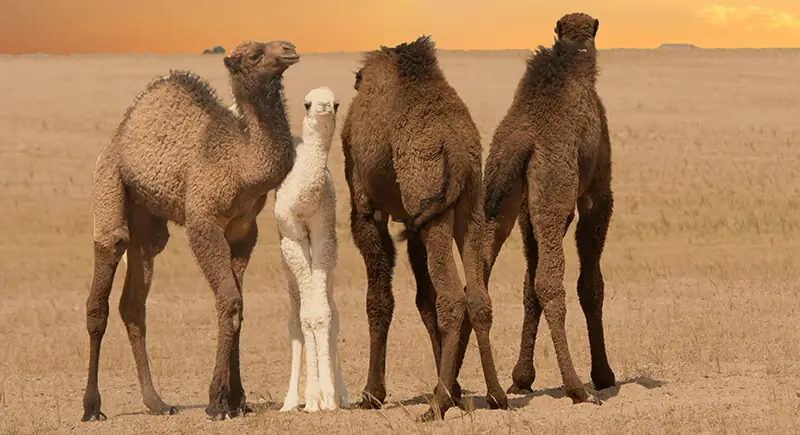
Not everyone dreams of owning a camel, but raising camelids—whether alpacas, llamas, or camels—offers a mix of challenges that make them stand out from typical livestock. These quirky creatures need a specialized, high-fiber diet. Pasture management is another key factor—these efficient grazers can overdo it without proper rotation.
Pigs
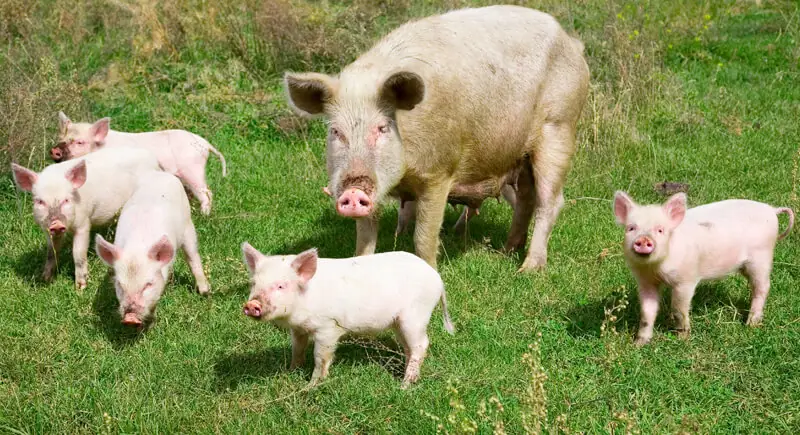
Pigs are surprisingly easy to manage if you set them up for success. The breed you choose matters—heritage pigs like Gloucestershire Old Spots and American Guinea Hogs are hardy, mellow, and fantastic foragers. Their diet is flexible, too—they’ll happily chow down on commercial feed, kitchen scraps, and garden waste!
Yaks
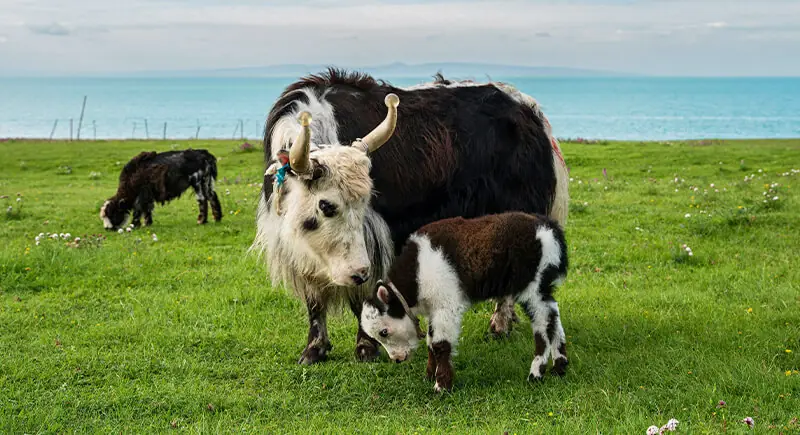
If you’ve ever wanted livestock that’s as tough as a mountain goat but as useful as a dairy cow, yaks might be your new favorite farm animal. Low maintenance is their specialty. Yaks turn basic grasses and hay into high-quality meat, fiber, and milk without demanding expensive feed.
Bourbon Red Turkeys
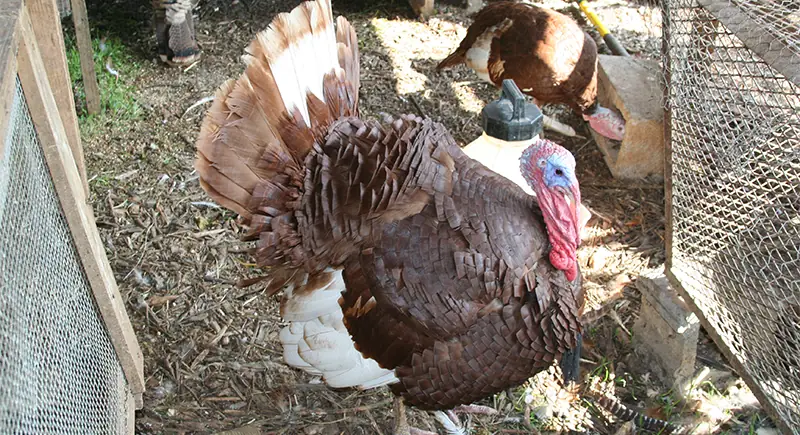
Bourbon Red turkeys are a heritage breed known for their large size and strong foraging instincts. They usually need more space, sturdier fencing, and more feed than chickens. Calm with regular handling, they still require attentive care and planning, which can be challenging for beginners expecting low-maintenance poultry.
Khaki Campbell Ducks
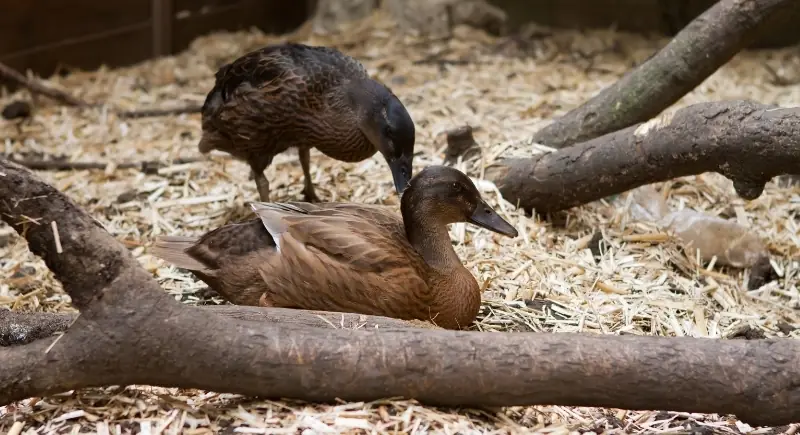
Khaki Campbell ducks are beginner-friendly workhorses that quietly impress. They lay a surprising number of eggs, tolerate weather swings, and skip the drama familiar with other poultry. Give them water, basic shelter, and room to wander, and they happily settle into farm life without constant supervision.





