
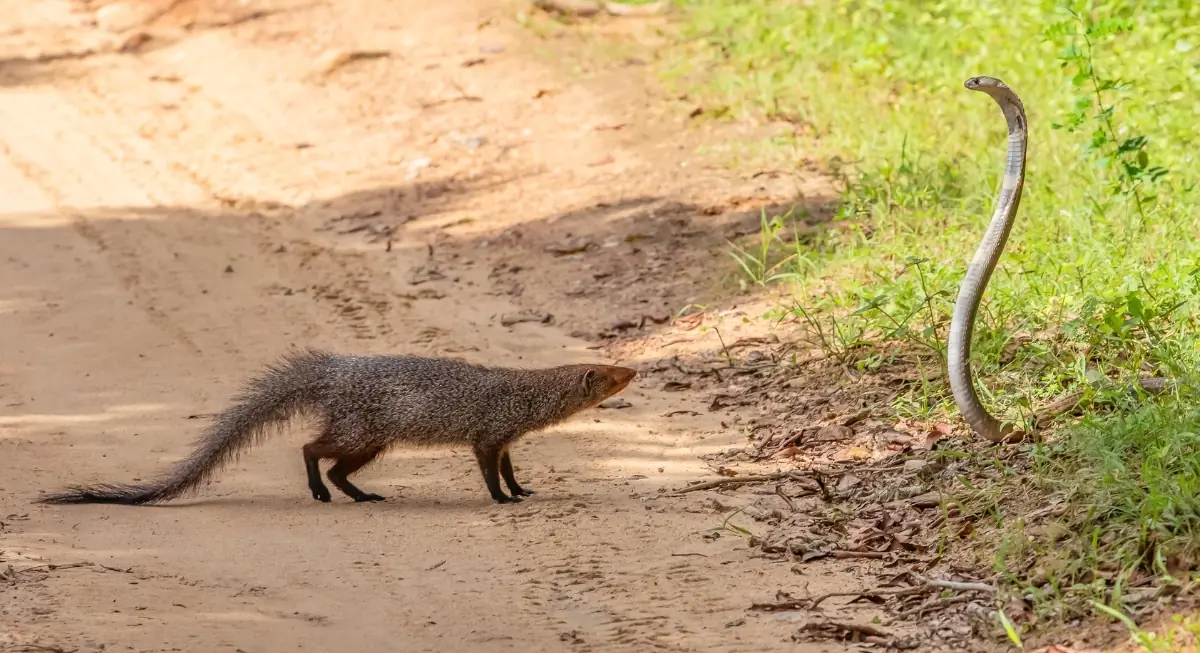
Snakes are efficient predators, but they are far from invincible. Across different ecosystems, a small group of animals has evolved physical traits, hunting methods, or physiological defenses that allow them to target snakes as prey.
If you’ve ever wondered what hunts the hunter, this list shows exactly who’s bold enough to try.
Honey Badger
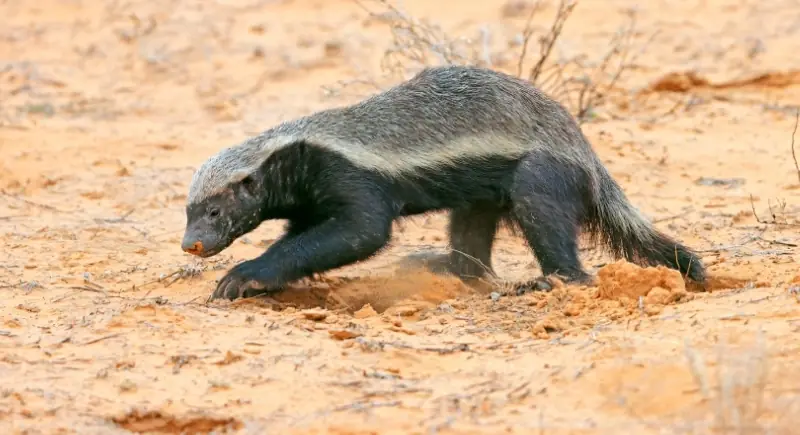
The honey badger’s reputation isn’t exaggerated. It routinely targets venomous snakes, such as cobras and puff adders. Even after being bitten, it can recover within hours and finish its meal. Its tolerance to venom, thick skin, and relentless aggression make it one of the few mammals to actively seek out dangerous snakes.
Mongoose
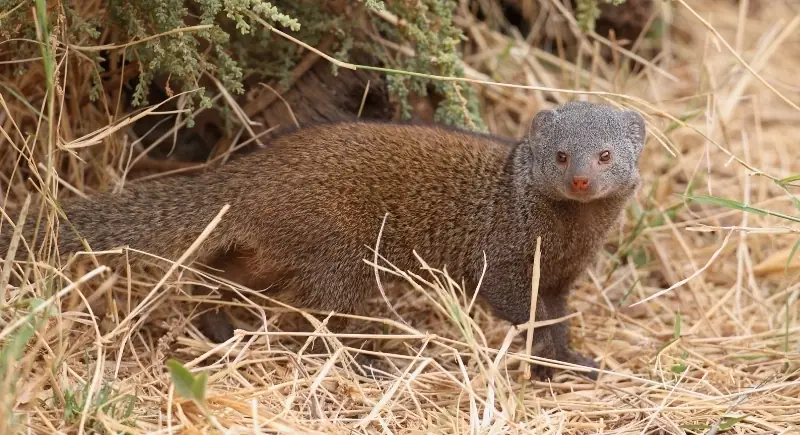
The mongoose uses its agility to land precise strikes at a snake’s head. Its nervous system resists neurotoxins, so it can take on snakes many times its size. Though not entirely immune, its resilience and technique have been documented in the wild, especially in encounters with cobras.
Kingsnake
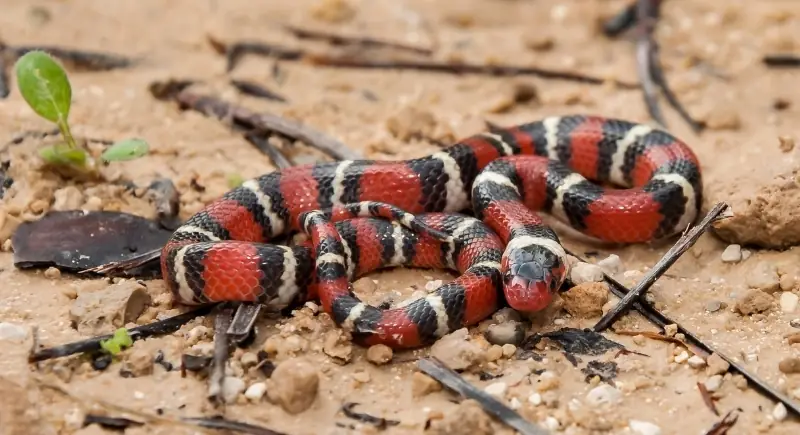
This North American snake regularly hunts other snakes, including rattlesnakes. It kills using constriction, not venom. Its resistance to venom is well-studied, and it often targets snakes even when other prey is available. The kingsnake’s name reflects its specialized predatory nature.
Secretary Bird
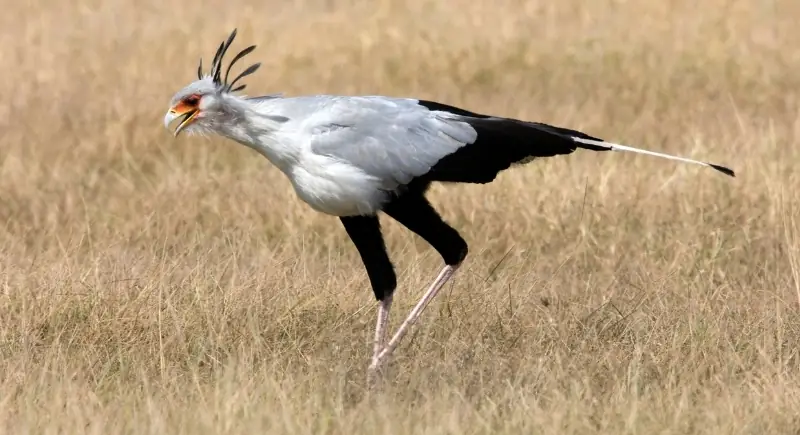
The secretary bird hunts snakes on foot rather than from the air. Its long legs deliver downward strikes strong enough to crush a snake’s skull. Studies show its kicks can generate forces several times its body weight. It commonly preys on venomous species, including cobras.
Wolverine
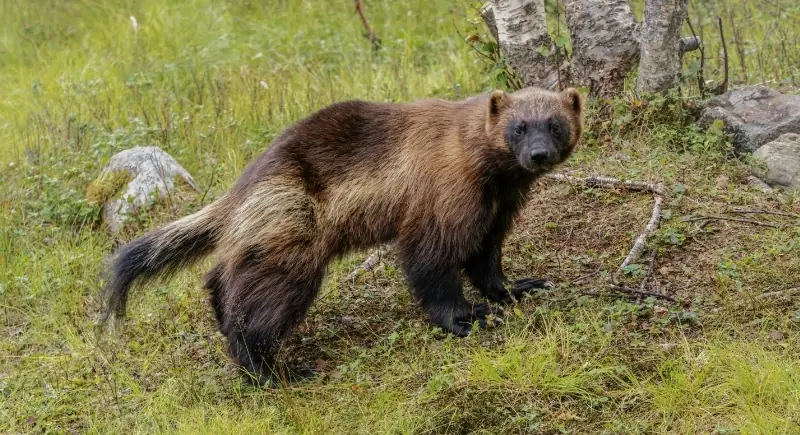
Wolverines don’t go out looking for snakes, but they don’t avoid them either. With jaws strong enough to crack bone and skin tough enough to resist bites, they’ve been seen taking down all kinds of venomous snakes.
Eastern Indigo Snake
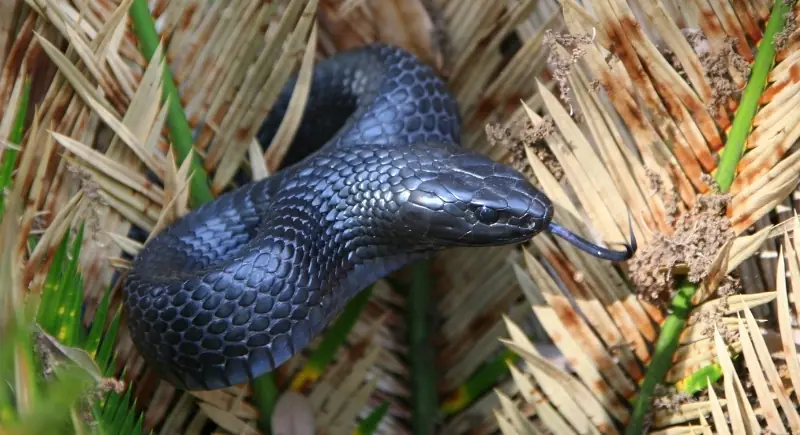
This large, nonvenomous snake, found in the southeastern U.S., doesn’t need poison or coils. It grabs prey and pins it against the ground with sheer strength. It often targets other snakes, including rattlesnakes. Research suggests it has some resistance to pit viper venom, which helps explain its confidence.
King Cobra
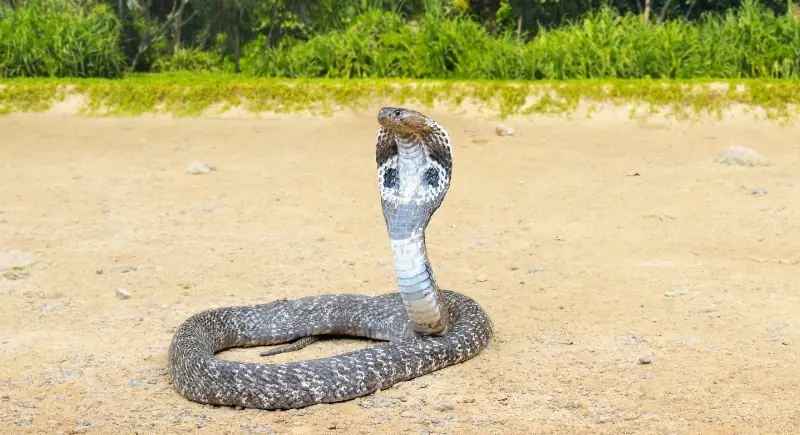
The king cobra specializes in eating other snakes. Its scientific name, Ophiophagus hannah, means “snake eater.” Some individuals target only one or two snake species throughout their lives. It subdues prey using powerful venom and typically begins feeding at the head, which may aid in swallowing and digestion.
Snake Eagle
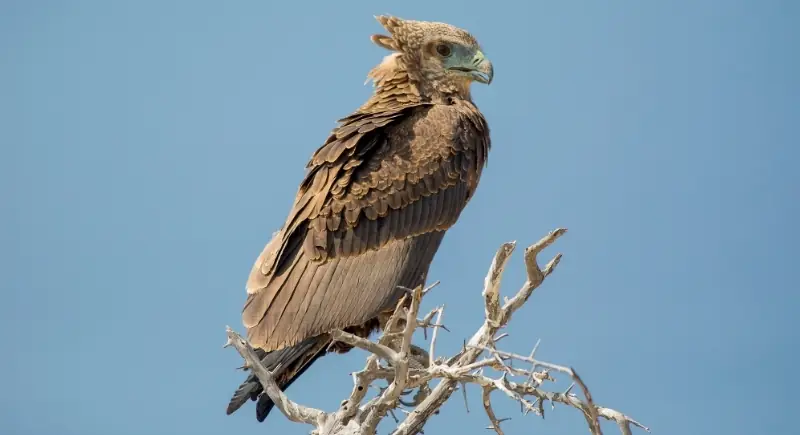
These raptors spot snakes from the sky and swoop in with speed. Their legs are covered in thick, scaly armor that helps reduce the risk of bites. Some snake eagle species specialize in venomous snakes and can take them mid-air or subdue them before landing. Their precision makes them efficient hunters.
Bobcat
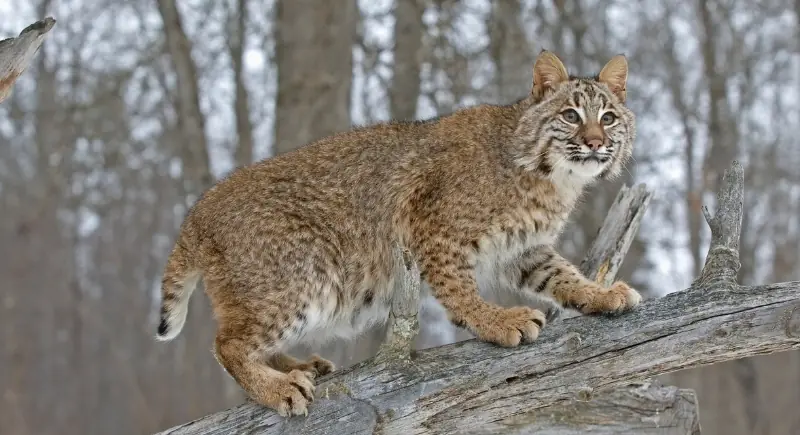
Bobcats mostly go after mammals and birds, but they will take a snake if it crosses their path. Their quick reflexes and strong front limbs help them pin a snake before it can strike. Observers have recorded bobcats calmly dispatching rattlesnakes, even though they don’t have venom resistance.
Laughing Falcon
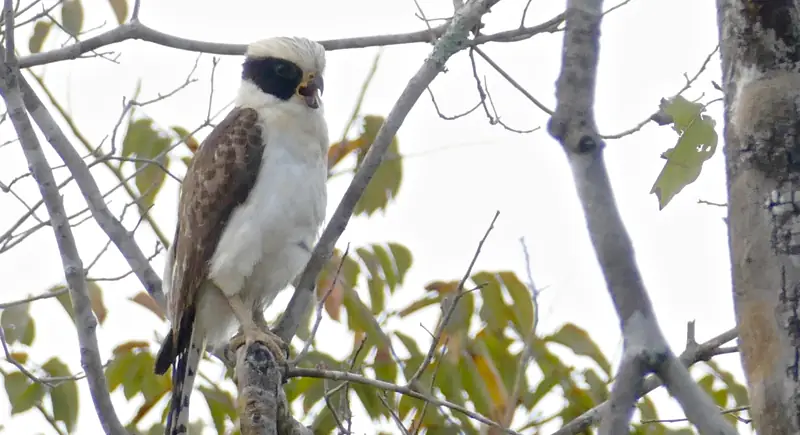
Among all falcons, the laughing falcon stands out for its snake-heavy diet. It’s found in Central and South America and frequently preys on highly venomous coral snakes. Rather than ambushing from high altitudes, it perches and scans carefully, then drops with accuracy. Its name comes from its call.
Humans
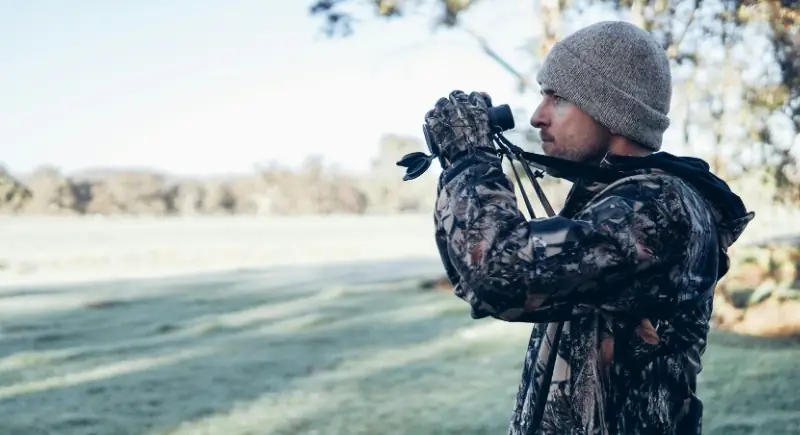
Humans have hunted snakes for food for thousands of years. Snake meat is consumed in parts of Asia, Africa, and the Americas, often prepared as soup or grilled dishes. In some cultures, snake products are also used in traditional medicine. Humans remain one of the most widespread predators of snakes worldwide.





