
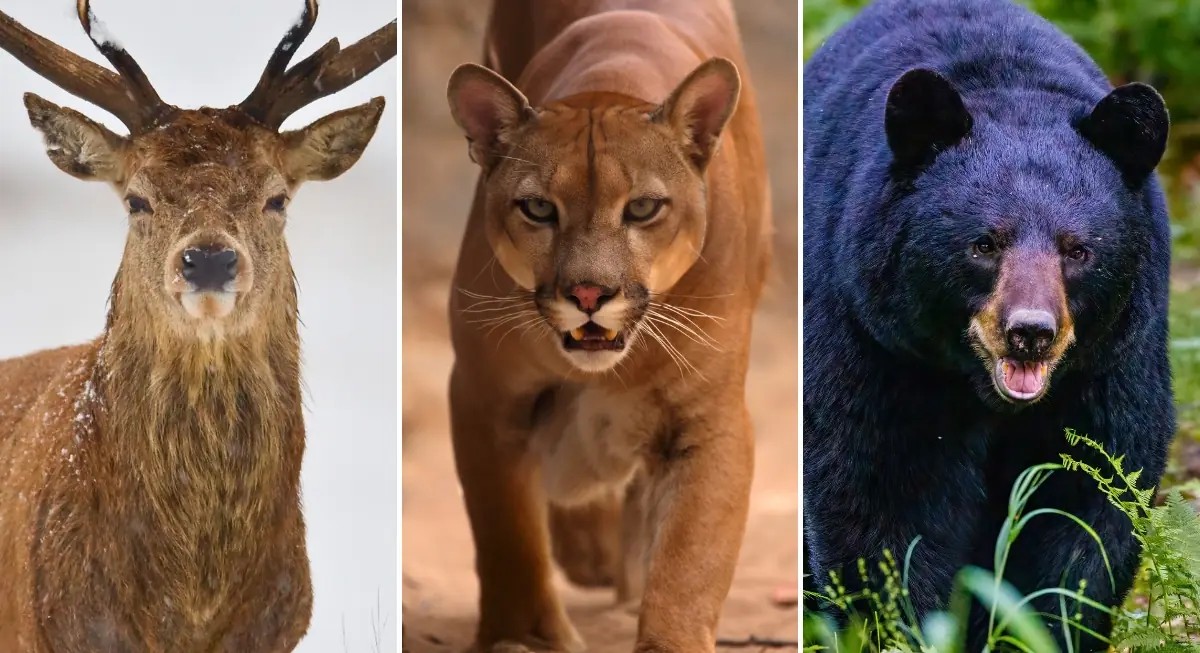
California has an incredible mix of coast, desert, and forest, which means you’ll run into all kinds of wildlife if you spend time outside. The majority of these animals aren’t looking for trouble, but some can seriously hurt you if you’re not paying attention. These aren’t only the big predators either—a few dangerous creatures in the state are smaller than your hand.
Here are the ones that you need to be on the lookout for.
Black Bear
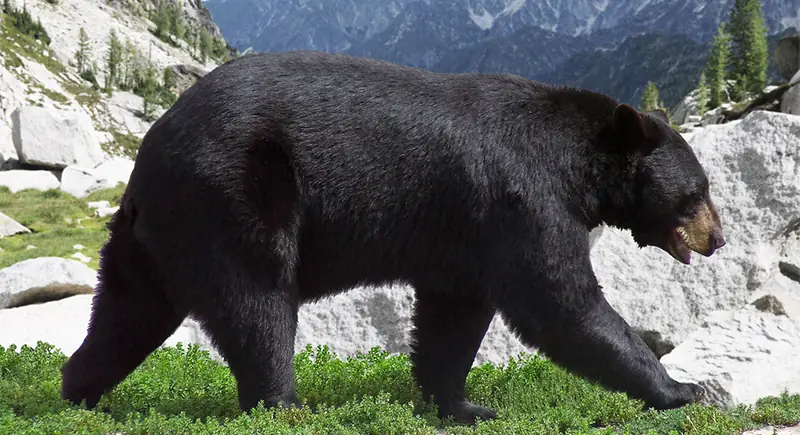
Not every large animal in California wants a fight, but that changes quickly when food or cubs are involved. In the Sierra Nevada and coastal mountains, these 500-pound creatures often show up near trash bins or campgrounds where meals have been left out. Though generally non-aggressive, a startled black bear can charge without warning.
Deer
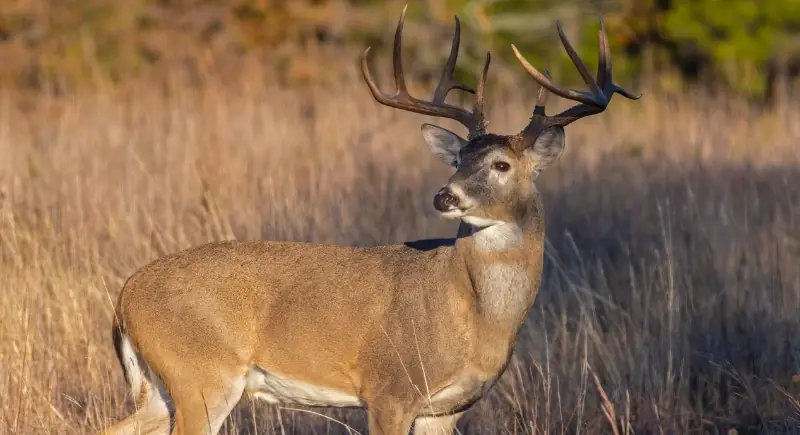
It’s hard to see deer as dangerous, but collisions with them happen constantly, usually during fall. These accidents can total cars and badly injure people. Deer tend to move during dawn and dusk, so be extra alert when driving through wooded areas at those times.
Black Widow Spider
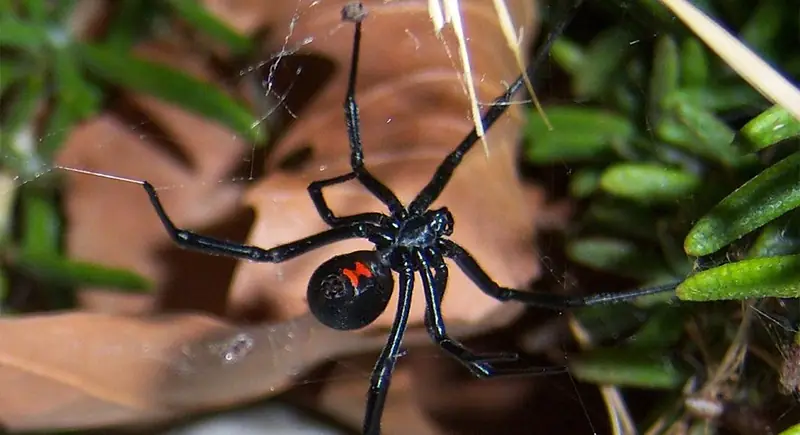
You’ve probably seen the black widow’s red hourglass before, and that’s a warning you should take seriously. These spiders are small but packed with venom that causes muscle pain, nausea, and seizures. They like dry, dark spaces like sheds, woodpiles, and garages. Bites usually happen when someone accidentally sticks a hand where it doesn’t belong.
Killer Bee
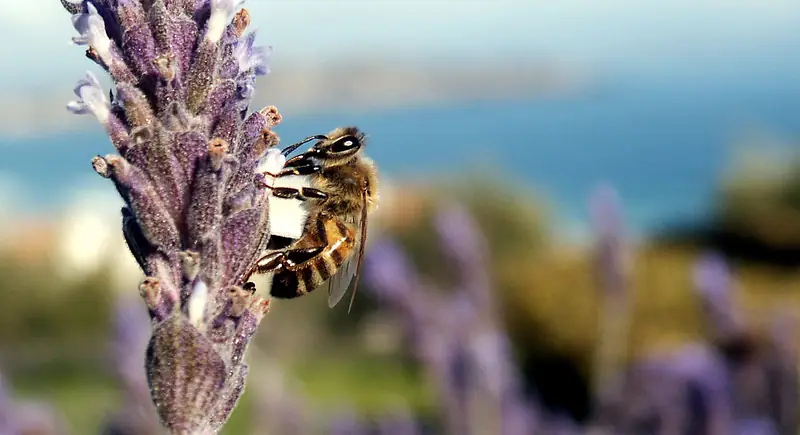
Africanized honey bees look like regular bees but act completely differently. Disturb their hive, and they’ll chase you for blocks. These bees showed up in California in the 1990s and have been spreading ever since. Their stings aren’t more poisonous, but they attack in huge numbers.
Mountain Lion
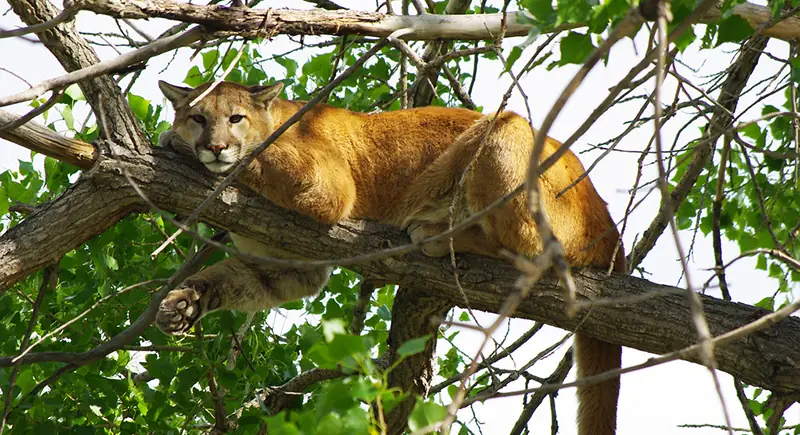
Don’t be surprised if you don’t hear or see anything before it happens, which is what makes these predators so dangerous. Found in forested and mountainous areas throughout the state, mountain lions are stealthy and highly territorial. Though attacks are rare, they can be deadly, especially for small children.
Mojave Green Rattlesnake
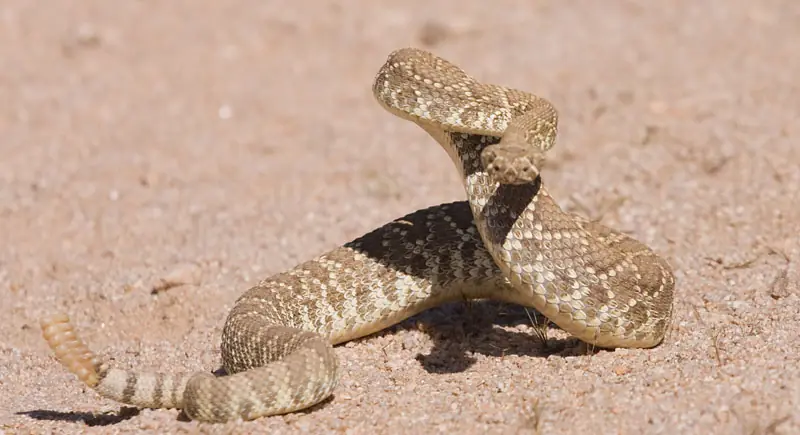
Wear boots and long pants when you go hiking in California’s deserts, mainly in warm months. Hidden under rocks and shrubs, the Mojave green rattlesnake carries venom that targets both the nervous system and the blood. It doesn’t strike unless provoked, but its bite can become critical without fast medical attention.
Great White Shark
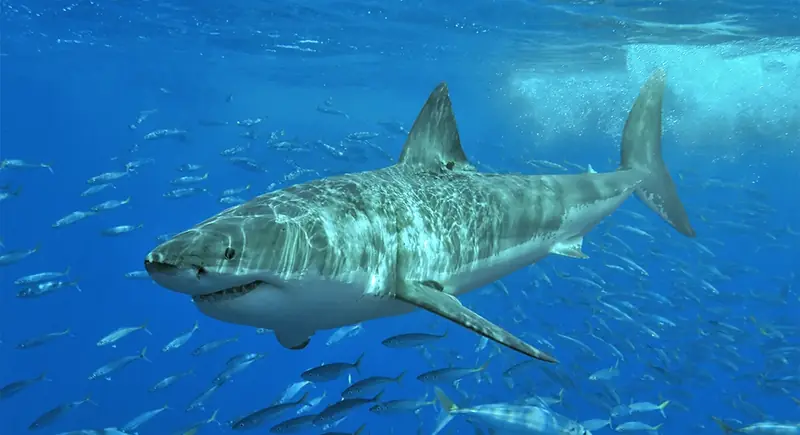
Sharks don’t go looking for humans, but surfers and swimmers sometimes end up in the wrong place at the wrong time. A large number of shark-related injuries in the state involve great whites. There have been over 200 incidents since 1950, and the highly fatal ones are tied to these creatures.
Stingray
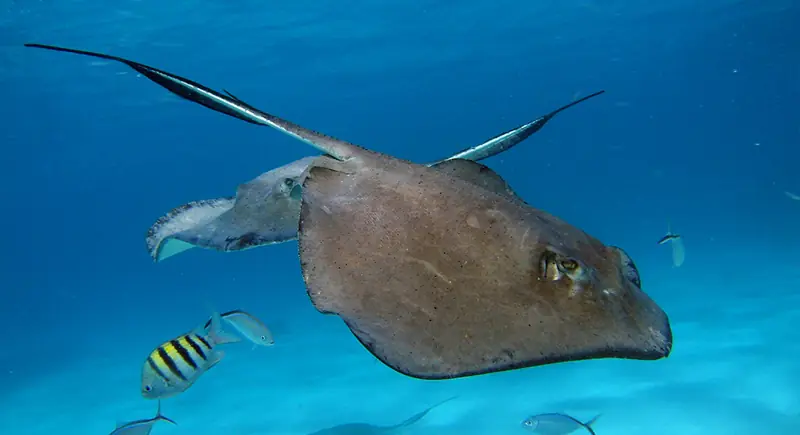
People tend to assume that stingrays are out to attack them, but stepping on one actually takes it by surprise. These flat-bodied creatures rest right beneath the sand in shallow, calm water, particularly during warm months. That’s why shuffling your feet as you enter the ocean—known as the stingray shuffle—can help. It gives them a chance to swim off before you get too close.
Arizona Bark Scorpion
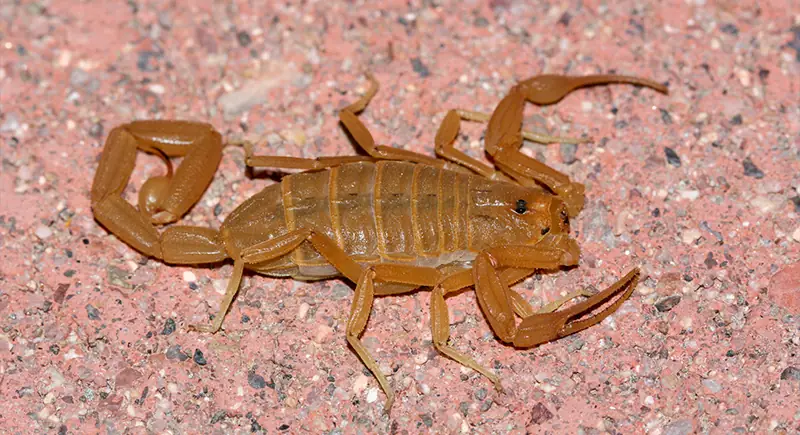
Even though they’ve been in California’s southern deserts for decades, many people still don’t believe scorpions are a real concern. But the Arizona bark scorpion is very much present and potentially dangerous. Small and light-colored, it blends easily into sand and rocks, hiding by day and hunting at night.
Coyote
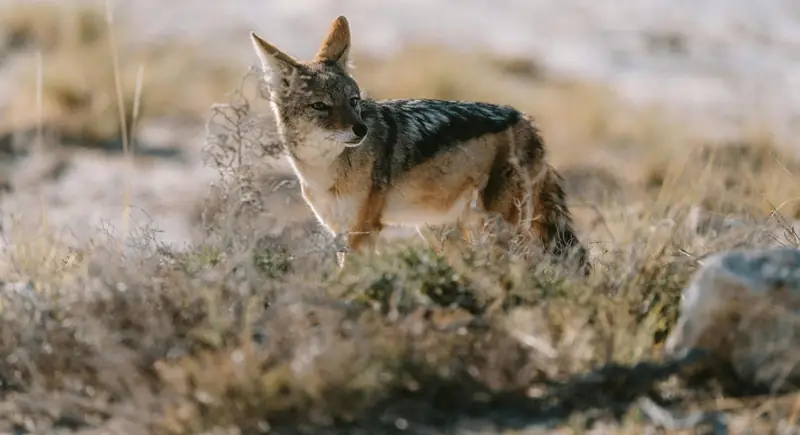
One of the most common—and increasingly bold—animals spotted in these areas is the coyote. Once shy around humans, they’ve learned to scavenge pet food, trash, and hunt unattended small pets. If one doesn’t flee, make yourself look larger and yell. Feeding them, even indirectly, encourages risky behavior.
Tarantula Hawk Wasp
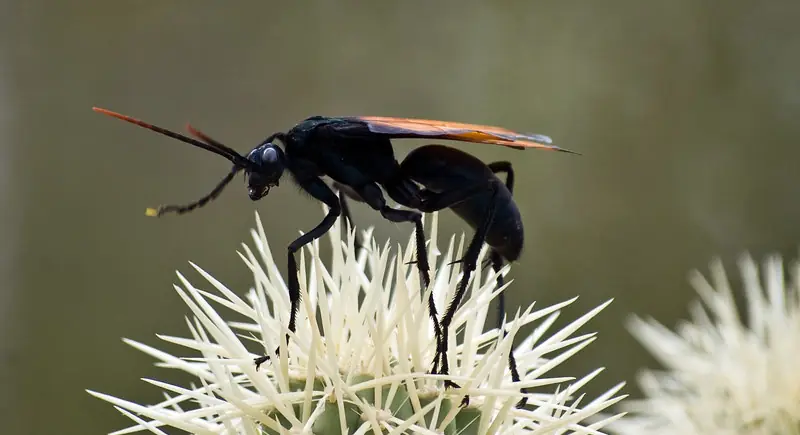
Entomologist Justin Schmidt, who created the Schmidt Sting Pain Index, placed the sting of the tarantula hawk wasp near the very top, just behind the bullet ant. Those who’ve been stung describe immediate, blinding pain that can completely incapacitate someone for several minutes.
Red Fire Ant
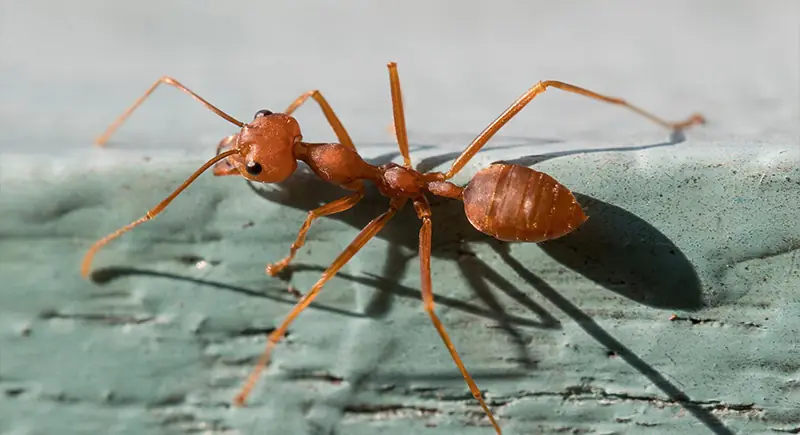
Imported decades ago by accident, red fire ants are currenty limited to a few eradication zones (mainly southern CA near Orange and Riverside counties), but they’re beginning to spread. They love warm, open spaces like pastures, playgrounds, and sidewalks for building their mounds. They’re known for both their painful stings and rapid swarming, and they’ve become one of the country’s most problematic invasive species.
Bobcat
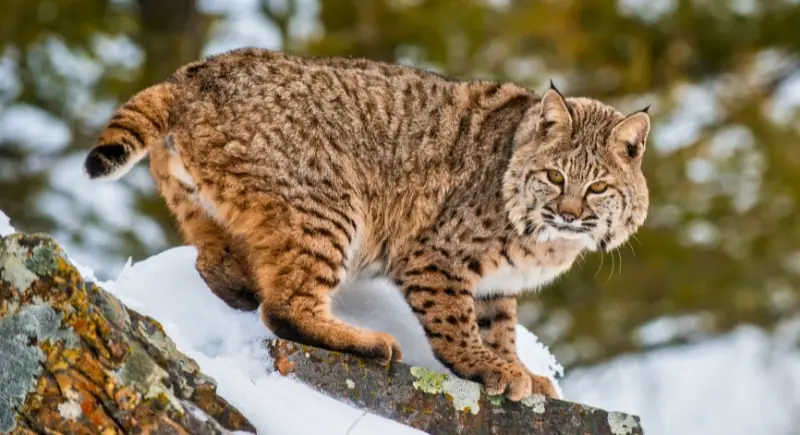
Spotting one of these elusive predators on a casual hike is rare, but not impossible. Bobcats are solitary, mainly invisible, and not something you’re likely to run into on a casual hike. They avoid people and hunt rabbits, birds, and rodents. The issue comes when people get too close to kittens or try to feed one. A cornered bobcat can slash with its claws and bite hard.
Ticks
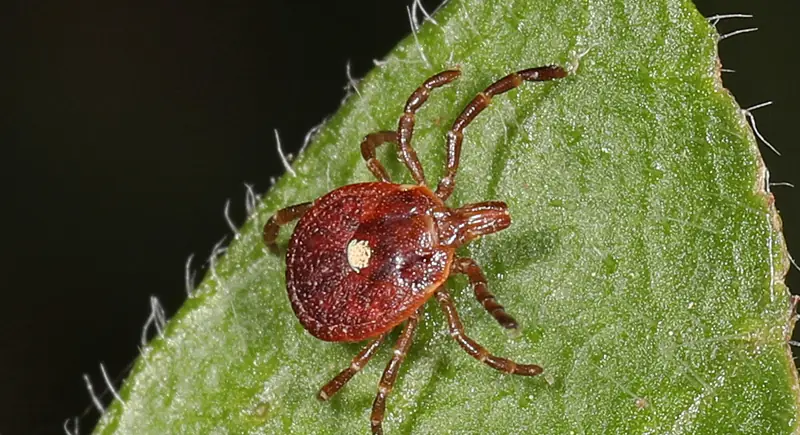
Some individuals dismiss them because of their small size, but that’s exactly what makes them dangerous. Ticks can carry diseases like Lyme and Rocky Mountain spotted fever, and you often won’t notice when one latches on. Pets are also at risk, so inspect their fur carefully after spending time outdoors.
Mosquitoes (West Nile Virus)
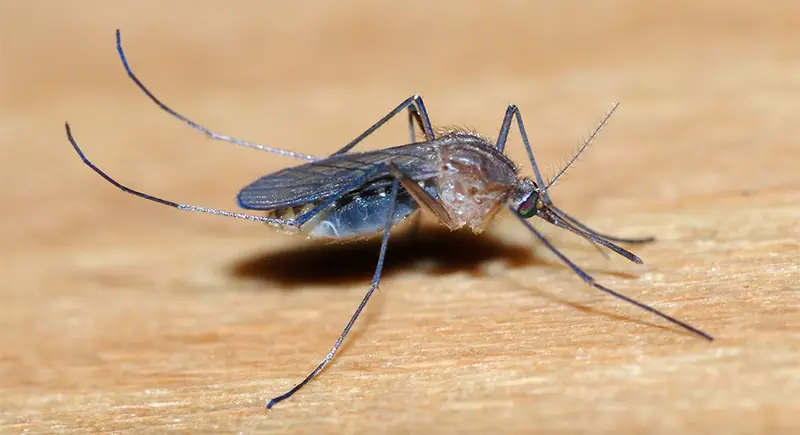
One bite seems harmless. In California, infected mosquitoes can spread West Nile virus, which may cause fever, weakness, or inflammation of the brain or the membranes around the brain and spinal cord. Most infections produce no symptoms, but severe cases can kill. Repellent, window screens, and emptying standing water reduce the chance of getting bitten at home.
Yellowjacket Wasp
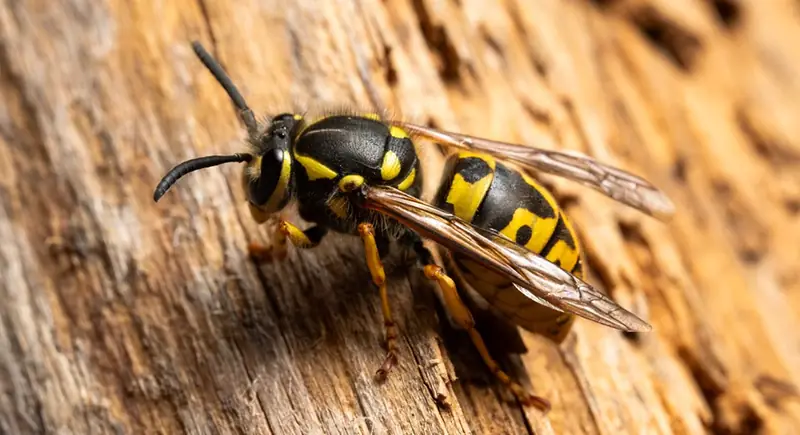
A yellowjacket circling the picnic table may be searching for soda, meat, or another food source. Trouble starts when someone swats, steps near a nest, or traps one against the skin. Yellowjackets can sting more than once, and people with venom allergies may face anaphylaxis. Keep food covered and give nests plenty of space.





