
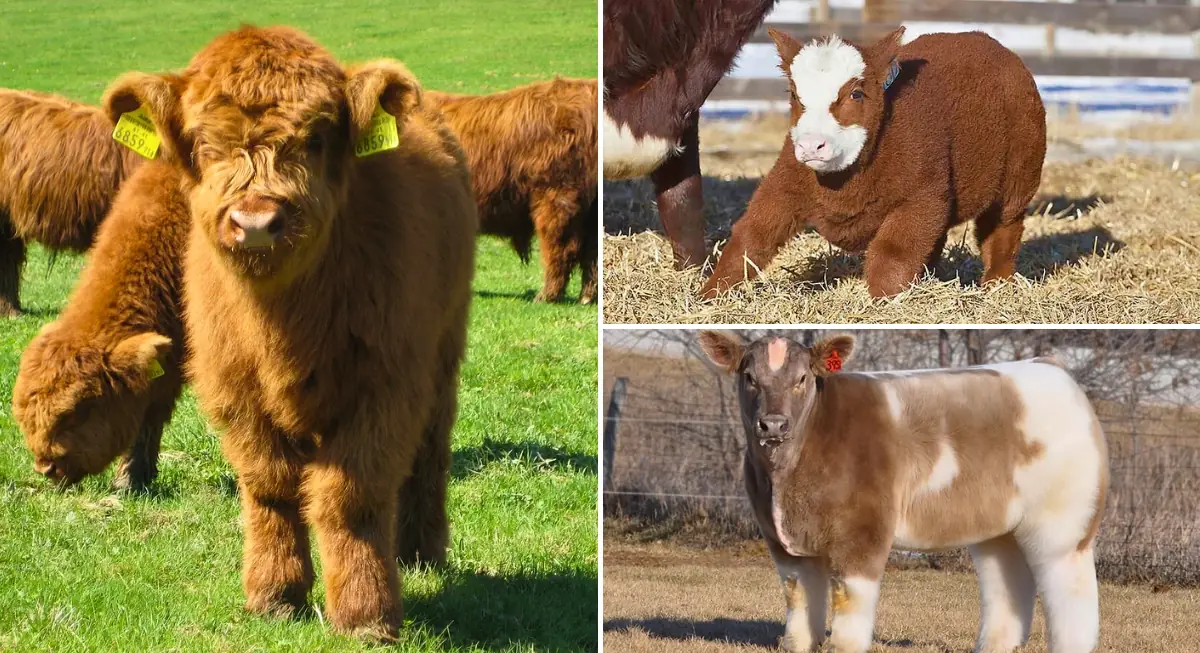
If you have ever seen a cow go from muddy to freshly washed, you know the difference is immediate. The coat looks brighter, fuller, and healthier. On a working farm, that actually matters. Removing dried mud and manure helps prevent skin problems and lowers infection risk. Clean hides also protect milk quality, and for show cattle, a well-kept coat lets judges focus on build and condition.
Holstein Pop
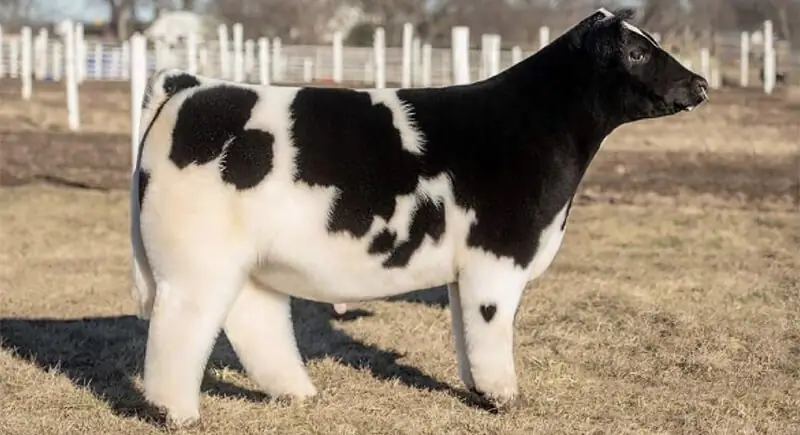
A spotless hide helps farmers quickly spot small cuts or scrapes before they turn into bigger problems during daily operations. No wonder this calf’s black-and-white coat really pops after having a good wash. Clean hair just has a way of trapping more air, creating a fluffier, fuller look. Removing manure and dirt also lowers bacteria that can irritate the skin.
Highland Fluff
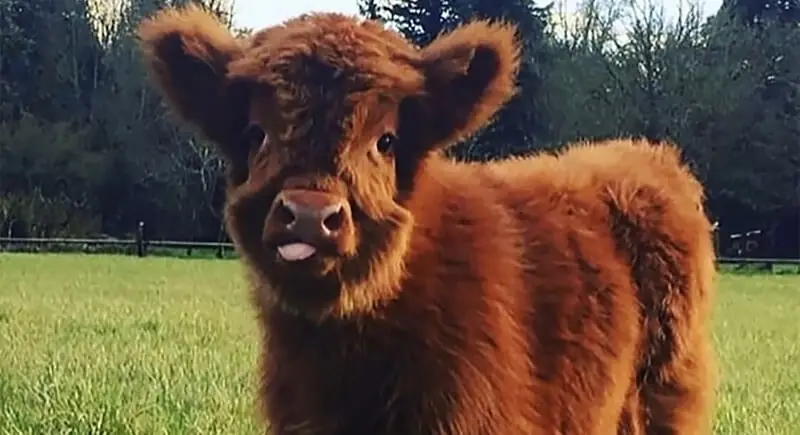
A good grooming session does more than make this shaggy sweetheart look extra fluffy. When long hair is cleaned and dried properly, the strands stay separated rather than matting, helping prevent moisture from lingering and causing skin issues. Regular brushing also boosts blood flow near the skin and gets the animal comfortable with handling.
White-Face Reset
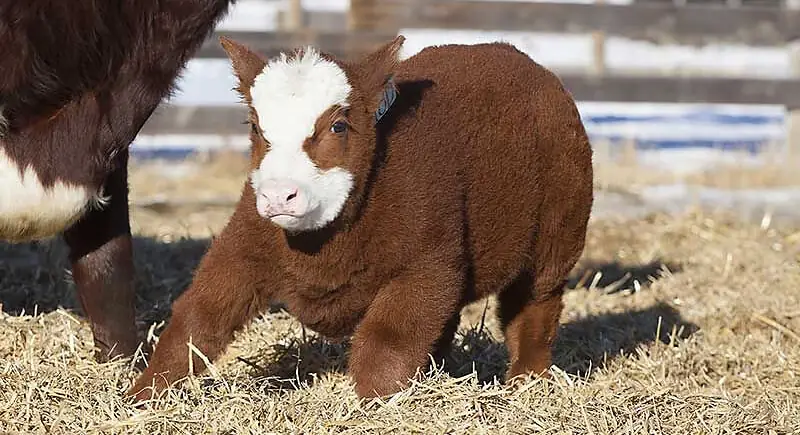
What we have right here is called a Hereford. This breed is known for its hardy build, red-brown bodies, signature white faces, and calm temperament. And with all the dirt washed off, this adorable cow’s fur looks noticeably brighter. Not to mention, it looks so huggable at this stage.
Red Show Look
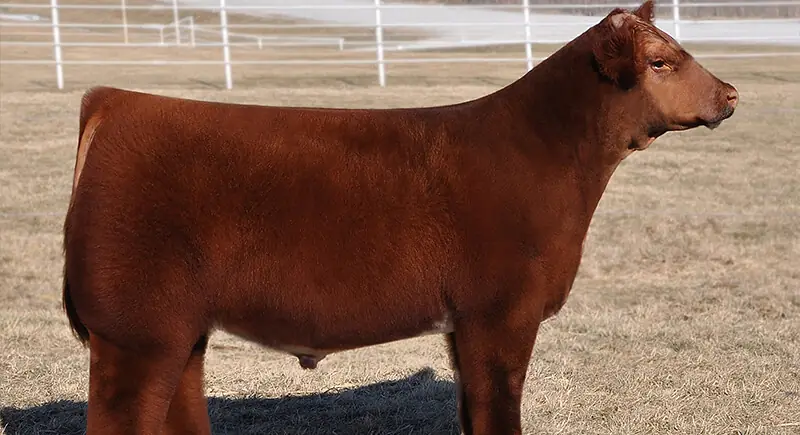
Many red cattle, like Red Angus or Hereford crosses, are bred for strong beef quality and heat tolerance. Their darker red pigment can also help reduce sun sensitivity compared to lighter-coated cattle, supporting healthier skin in sunny climates. Washing and conditioning a solid red cow before travel or shows keeps the coat bright.
Gray And Cream Finish
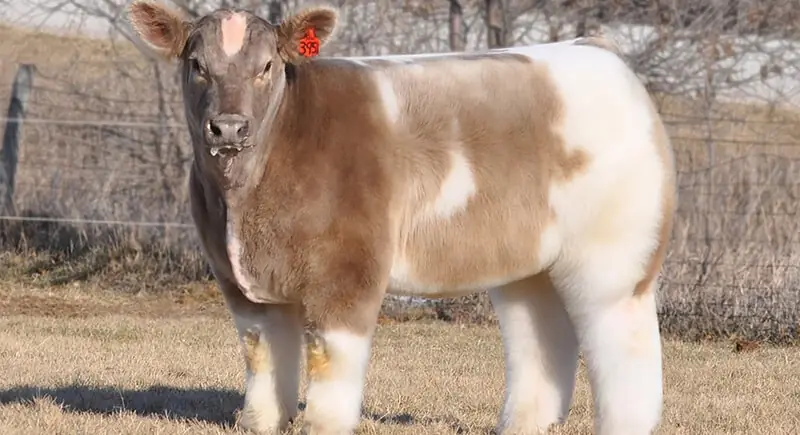
Grooming directly shapes how cows feel and behave, and this one seems to be feeling good, with its clean hair discouraging flies. It reduces tail flicking and stamping caused by irritation, leading to calmer cows. These animals conserve energy by regulating body temperature more efficiently and handling human interaction better.
Copper Coat Check
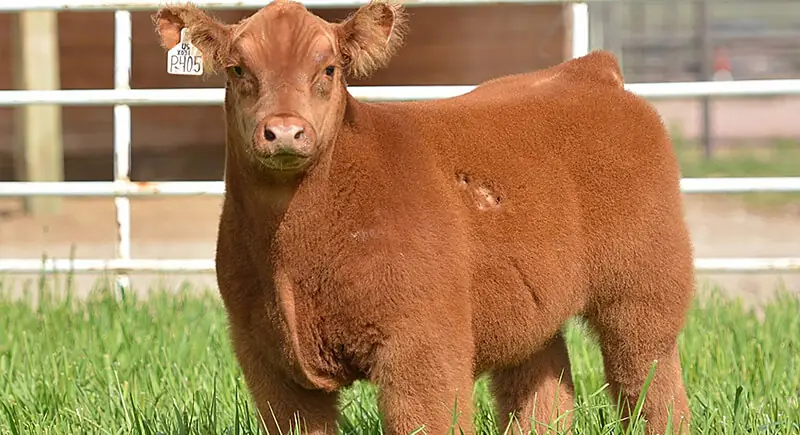
Why wouldn’t we be happy about this cow’s mini spa day? They just had a grooming session and health check all rolled into one. A thorough wash lifts the hair on a warm brown calf and brings out the richness of the coat. It also removes built-up dirt and reduces bacteria on the skin. Those ear tags are ID markers that help farmers track age, health records, and vaccinations.
Tag And Tidy
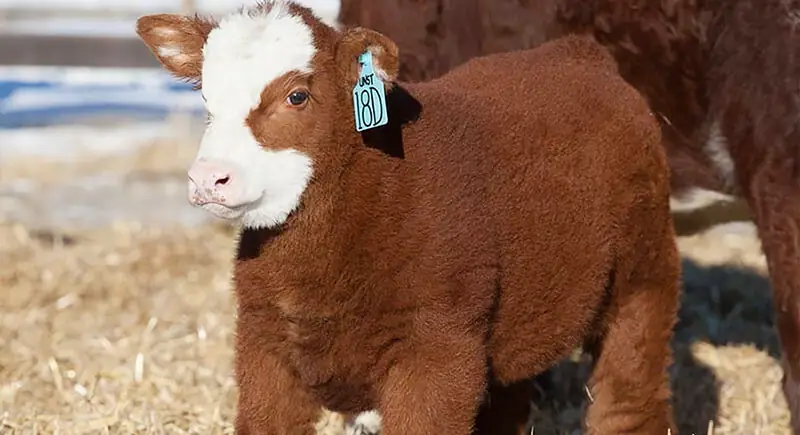
When cows know what to expect each day, they tend to relax and go with the flow. Many follow herd leaders to feed or settle in together once routines feel familiar. Those ear tag numbers are not random either. Farmers often use them as quick shorthand, with parts of the number hinting at the farm, the birth year, or where the animal falls in that season’s lineup.
Highland Walk-Up
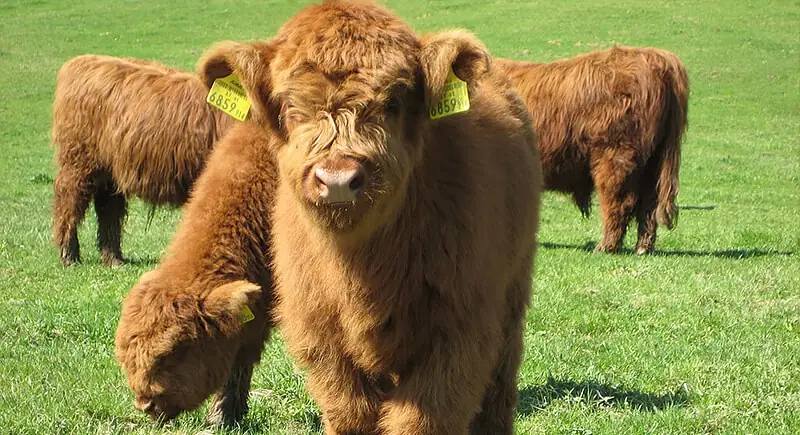
After grooming, a Highland calf’s long coat moves freely instead of tangling into mats. Proper drying matters because damp hair can trap bacteria close to the skin. Clean, separated strands reduce itching and lower the chance of self-inflicted scratches. The result is not just a softer look but a healthier, more manageable coat overall.
Show Ring Profile
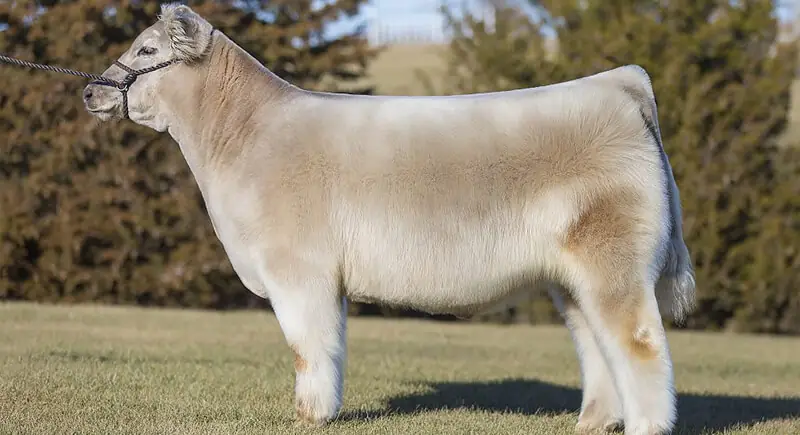
This calf is set up in a clean side profile, which is how judges evaluate structure. The smooth, evenly brushed coat makes it easier to see the topline, shoulder angle, and leg placement. There are no rough patches or dirt breaking the outline. Good washing and drying help the animal stand out for its build, not distractions.
One Fresh Blondie
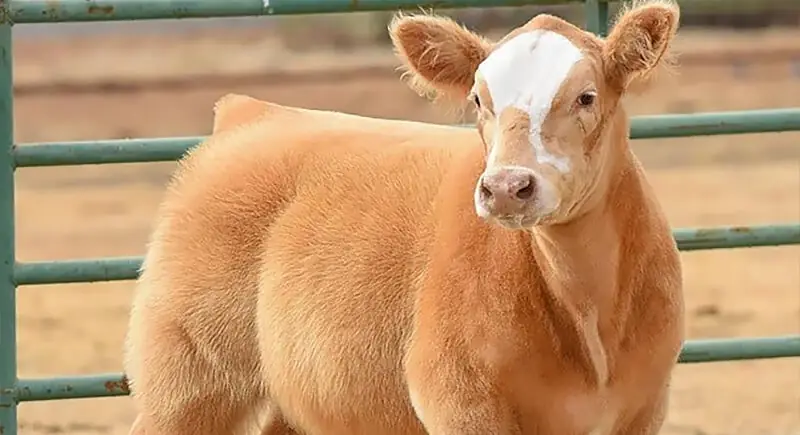
Staying free of dried mud is especially important for a light-colored calf like this one. Pale coats show buildup quickly, and caked dirt can rub against the skin and cause irritation. Washing removes that grit before it turns into small sores. A cleaner hide also keeps stalls and milking areas tidier, making daily farm work easier and more hygienic.





