
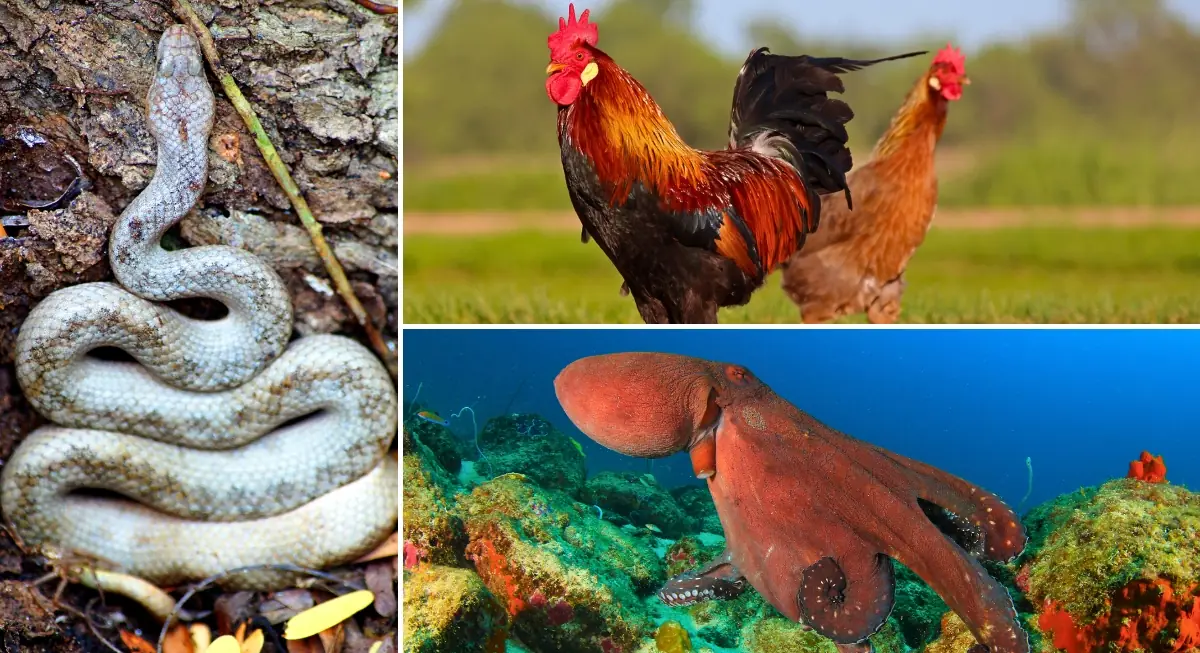
Losing a head sounds like the end of the road for most living things, but not for these animals. They shrug off decapitation like it’s no big deal and try to carry on like normal. Each creature on this list proves that life finds a way to be flexible and downright strange.
Snake
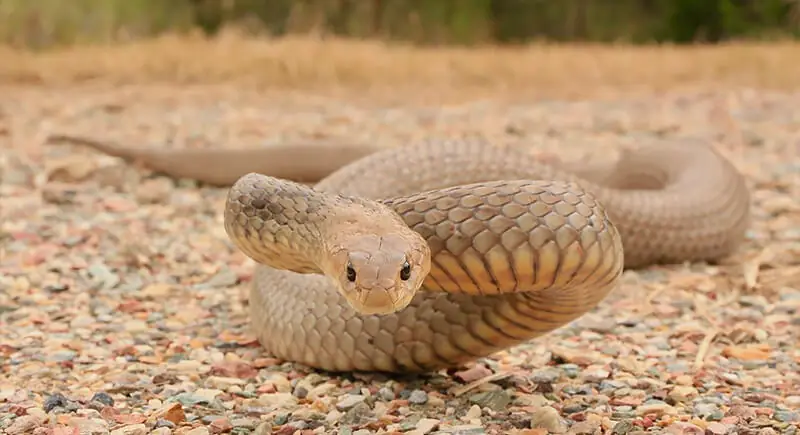
Snakes are tough. Even after losing their heads, their bodies can still react for hours. This strange show happens because the nerves inside a snake’s spine stay active long after the brain stops working. It’s wild but true, severed snake heads can still bite.
Chicken
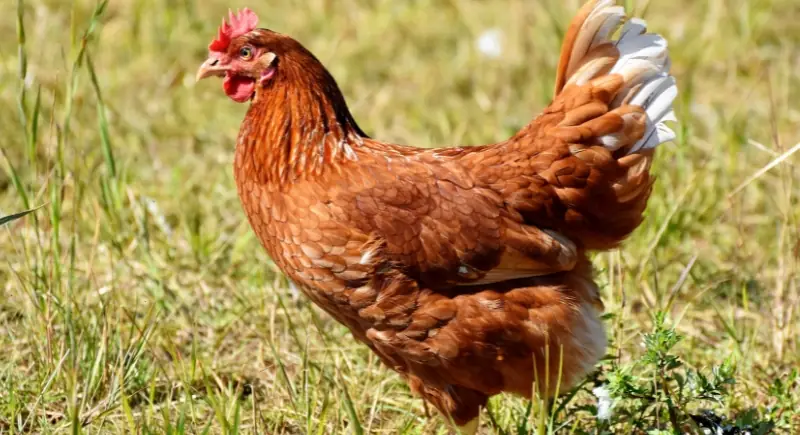
One of the weirdest survival stories belongs to Mike the Headless Chicken. In 1945, a farmer in Colorado beheaded Mike for dinner but missed a critical vein. Mike lived for another 18 months. A chicken’s brain stem sits low in the neck, so some can technically survive if it’s left intact.
Frog
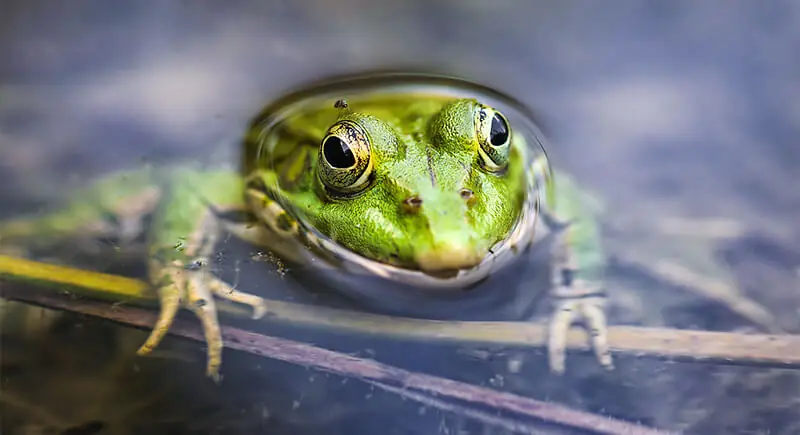
Frogs are masters of survival when it comes to nerve activity. Even after losing their heads, they still respond to stimuli. The spinal cord acts like a mini control center by sending signals to the legs for movement. One famous example shows a headless frog swimming in a straight line.
Cockroach
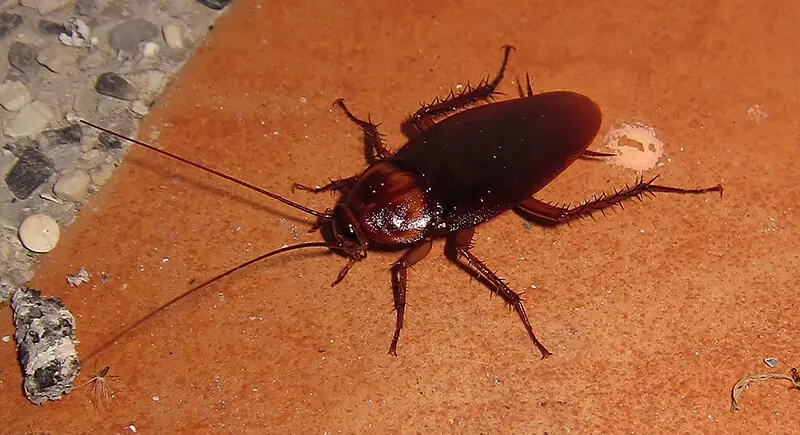
If there were an award for stubbornness, cockroaches would already have a trophy case full. Chop off a cockroach’s head, and it might still survive for a week or longer. They breathe through little holes in their sides, not their mouths or heads, so oxygen keeps flowing.
Octopus
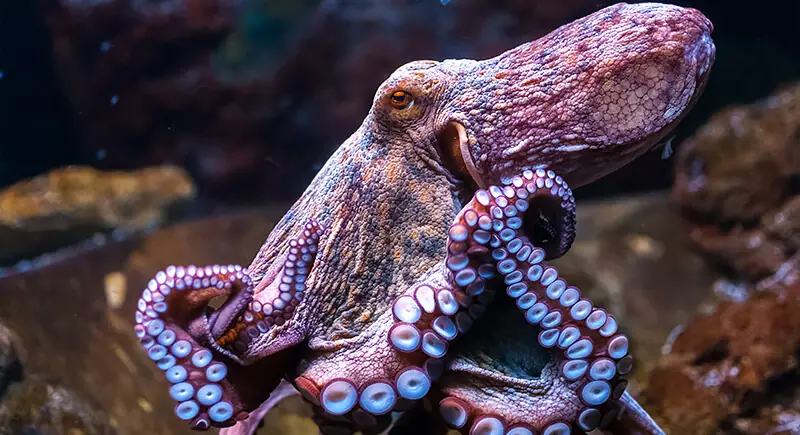
Octopuses are built like sci-fi creatures. Two-thirds of their neurons live in the arms, not the head. Each arm can taste, explore, and even make decisions independently. Basically, they run eight mini-brains at once.
Flatworm (Planarian)
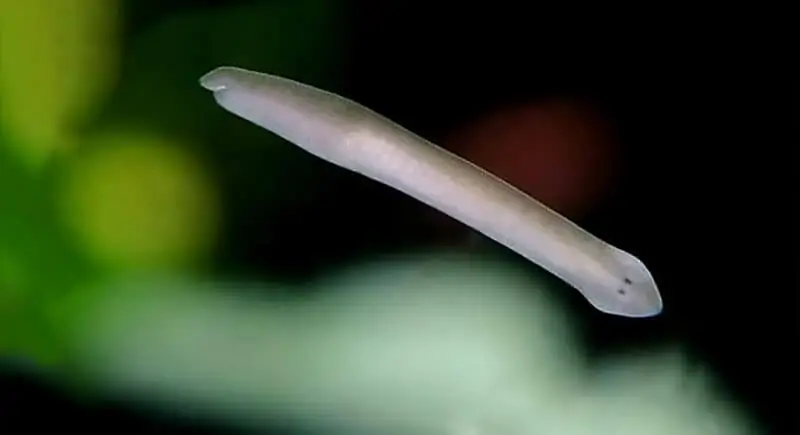
Cut a planarian’s head off, and it grows a brand-new one complete with memories! These tiny critters can regenerate not just body parts but learned behaviors, too. Their secret weapon is their crazy amount of stem cells that can become anything needed.
Praying Mantis
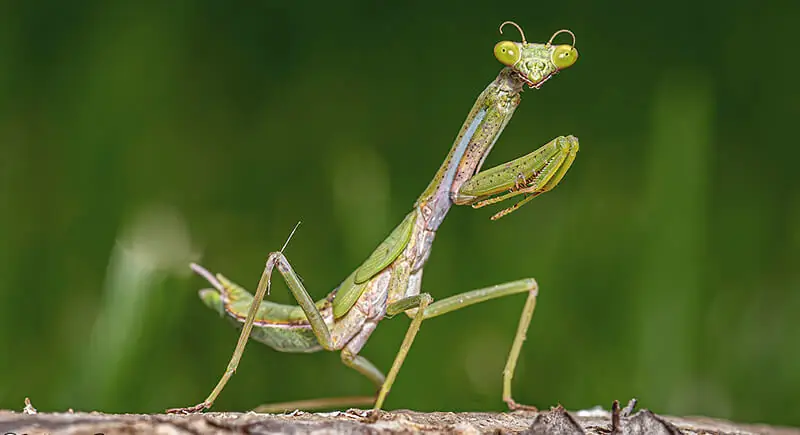
Praying mantises are hardcore romantics… in a weird way. During mating, females often bite off the male’s head. Instead of passing away instantly, the male’s body keeps mating, sometimes even more energetically. Scientists believe the removal of the head actually releases mating motor patterns usually suppressed by the brain.
Sea Star (Starfish)
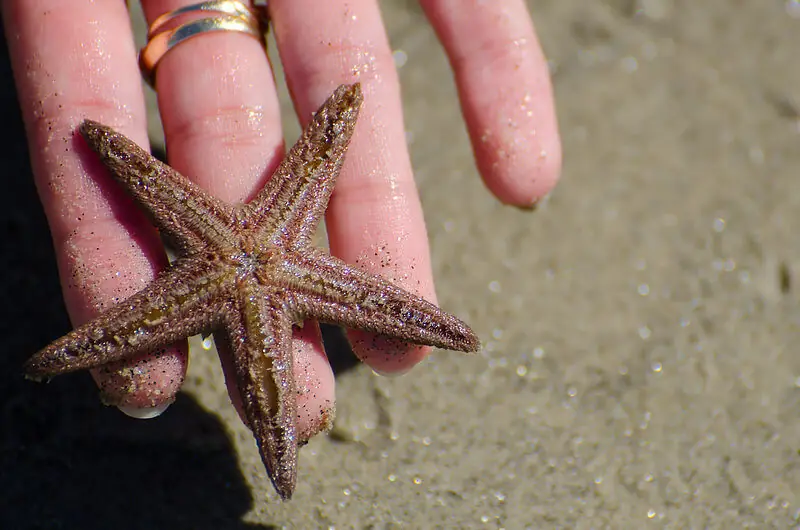
According to the National Oceanic and Atmospheric Administration (NOAA), some sea stars only need one-fifth of their central body to regenerate fully. They can even clone themselves when conditions get rough. Instead of panicking, these ocean creatures slowly knit themselves back together, piece by piece.
Spiny Lobster
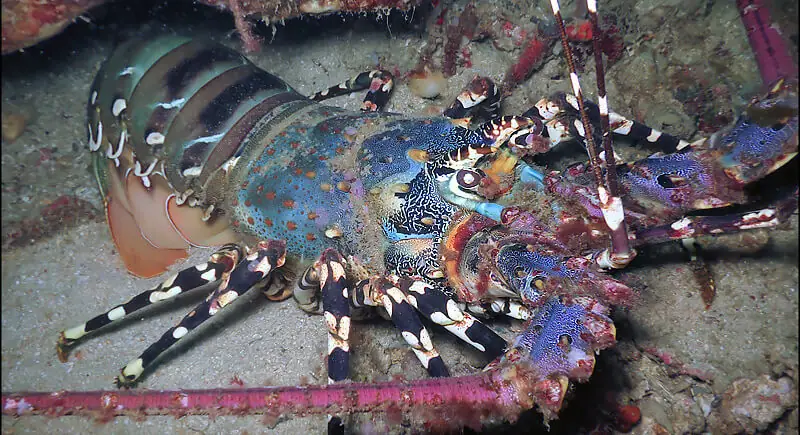
These crustaceans survive losing huge body parts, including pieces near the head. Thanks to a decentralized nervous system, their bodies stay functional while new parts slowly regenerate. Survival often comes down to creative body management out in the wild, and spiny lobsters get that.
Leech
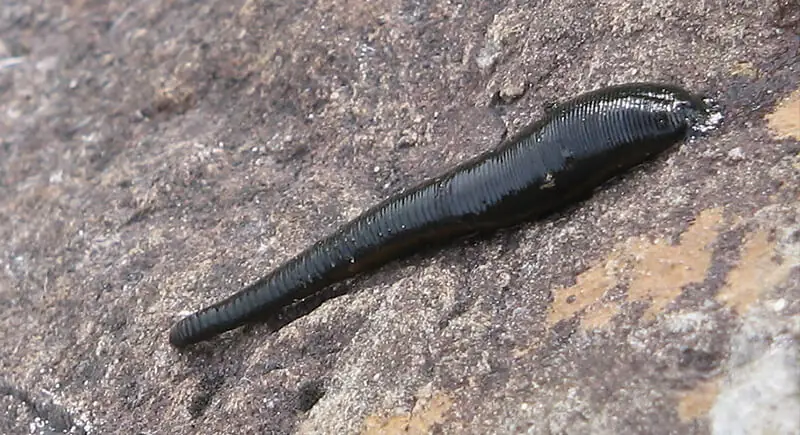
Injure a leech badly, yes, even near its head, and it just shrugs it off and keeps inching along. Most of its major systems stretch the entire body length, not clustered in one spot. Their slow metabolism and simple structure give them a serious survival advantage.
Jellyfish
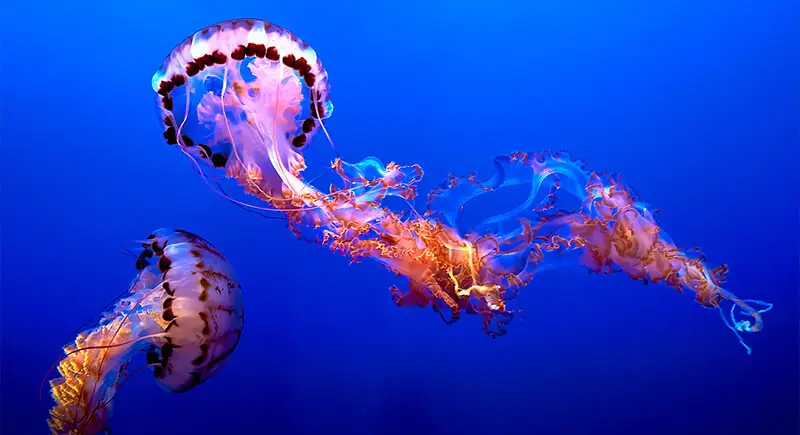
Jellyfish have been floating through oceans for over 500 million years by pulling off survival stunts like regenerating lost parts, including important structures near what would be the “head.” Some species like Turritopsis dohrnii, known as the “immortal jellyfish,” can revert their cells to a younger stage after injury.
Turtle
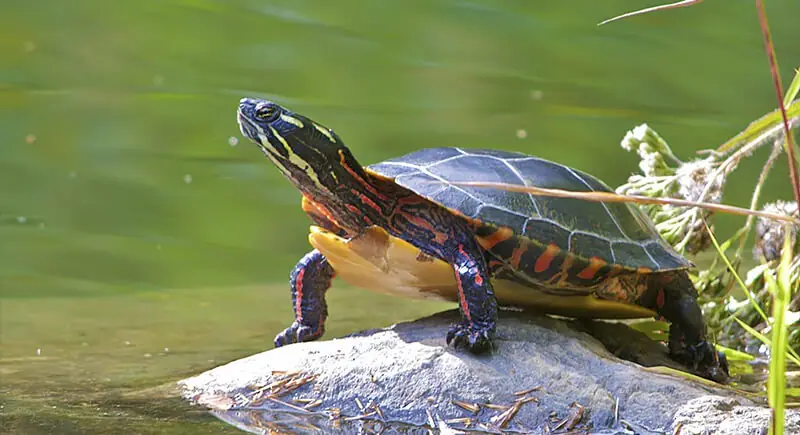
Some turtles have such robust nervous systems that they can survive for short periods after severe head trauma. Their simple body systems and slower metabolism mean they can keep muscles twitching longer than most animals. A turtle’s heart can even keep beating independently after separation.
Mudskipper
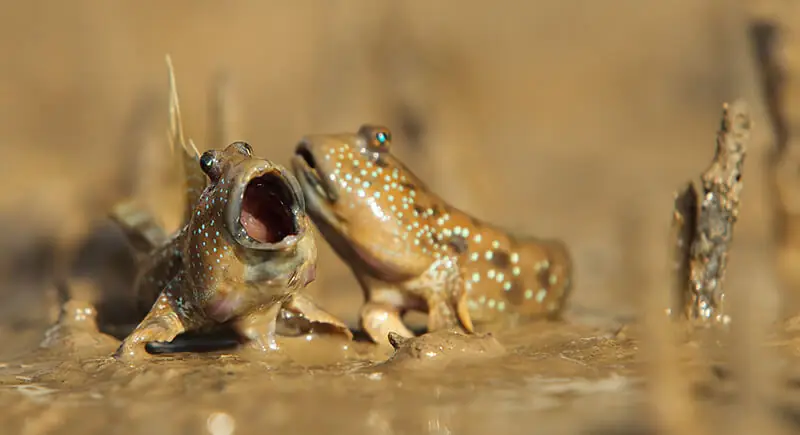
Mudskippers breathe through their skin and the linings of their mouth and throat, meaning they do not totally depend on the head for oxygen exchange. Watching one flop awkwardly across the mudflats without complete control looks clumsy, but it’s pure survival genius. They have backup systems that most animals could only dream of.
Hydra
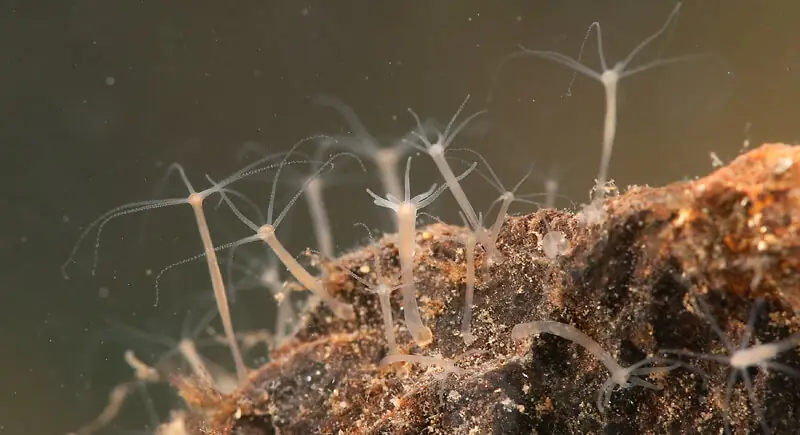
When you chop off a hydra’s head, it grows a new one, sometimes within a couple of days. They do not age, and their stem cells continuously rebuild their bodies. This biological magic trick means a hydra could theoretically live forever unless something eats it.
Tapeworm
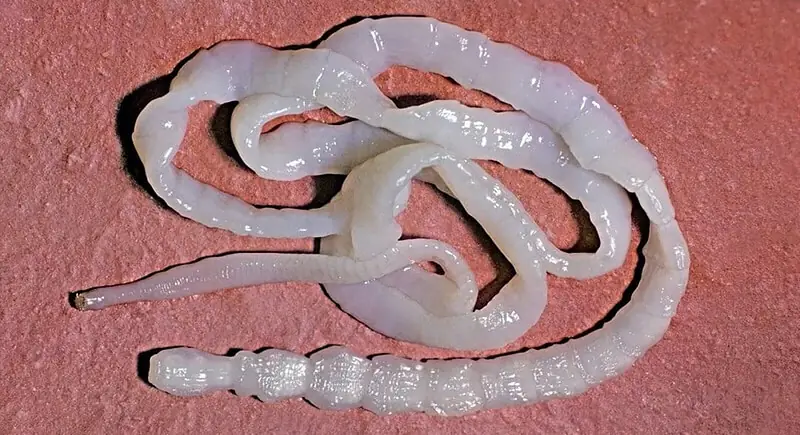
Tapeworms are nightmare fuel and survival legends, too. Parts of their body can keep living inside a host even if they lose their “head” or scolex. They anchor into the intestines and siphon nutrients directly through their skin, so no elaborate systems are needed. Some even regenerate a new scolex if conditions allow.
Antlion Larva
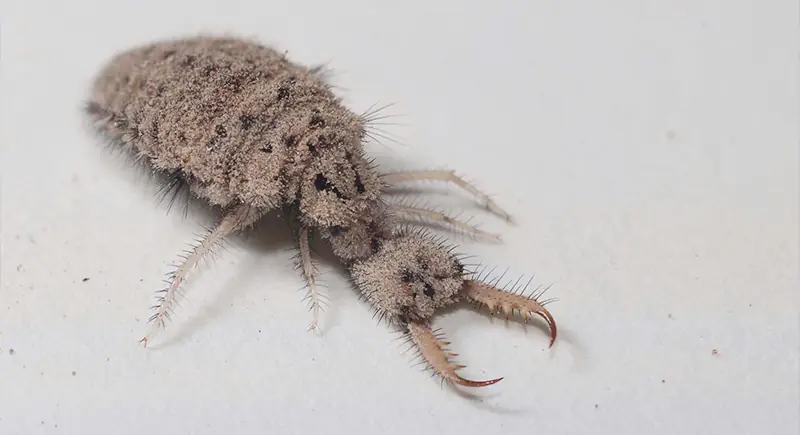
Antlion larvae already look like tiny monsters, so it fits that they can keep going after a major injury. Like many insects, basic body functions are distributed across a chain of nerve centers rather than relying on a single brain. That setup can let movement and reflexes continue briefly, even after the head is lost.
Axolotl
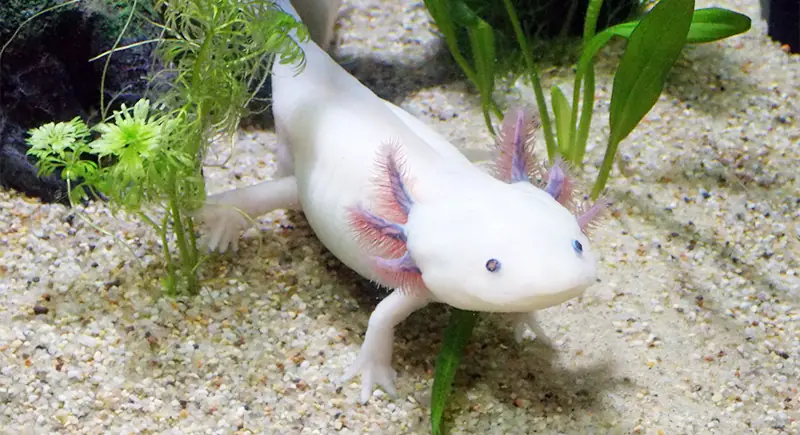
Planarian flatworms treat decapitation like a temporary inconvenience. Cut off the head, and many species can regrow a new one using stem cells distributed throughout the body. Some fragments can even rebuild an entire worm. It sounds made up, but biologists have studied this trick for years.





