
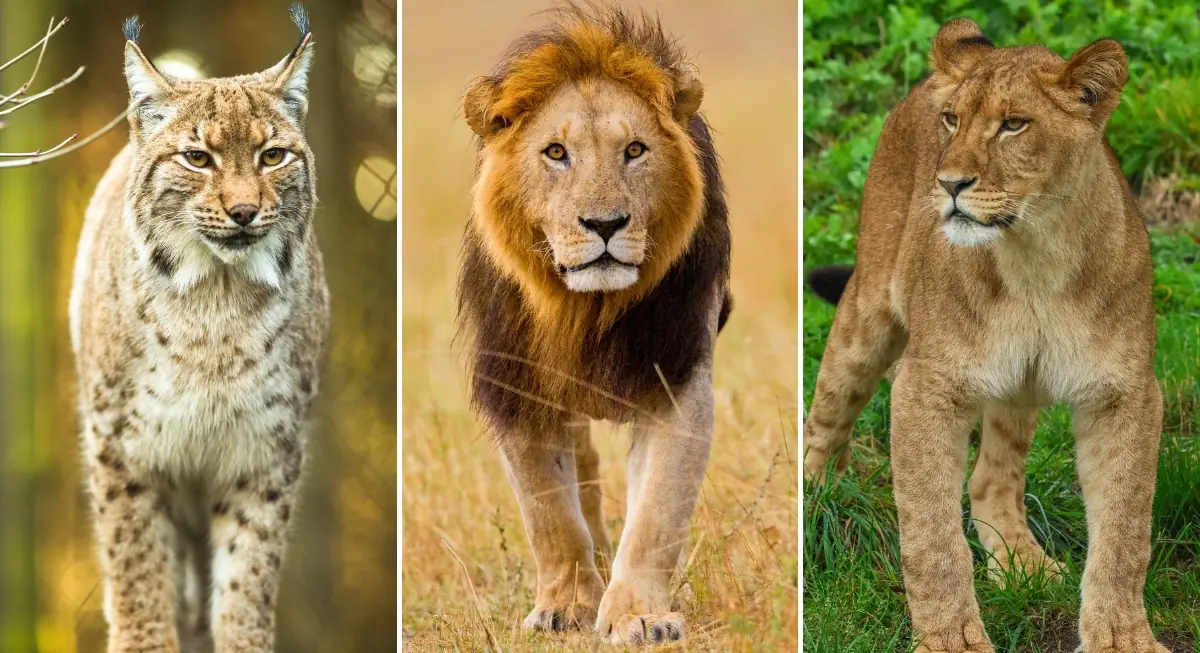
Most people think of lions and tigers when it comes to danger, and for good reason. But they are only part of the picture. Across the world, many other wild cats can be just as threatening in their own way. Some rely on sheer strength, while others depend on speed, timing, and accuracy.
Big cats often hunt by surprise and power, while smaller ones succeed through consistency and skill. Either way, size does not make something safe. Any wild cat can be dangerous if you get too close, which is why keeping your distance matters most.
10. Eurasian Lynx
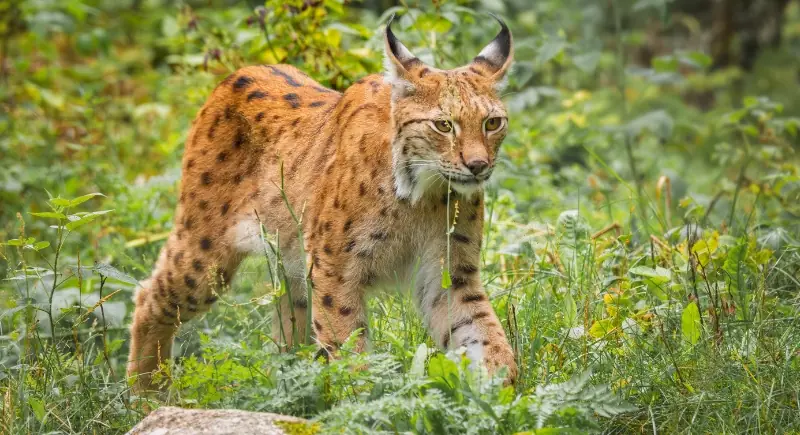
The Eurasian Lynx is known for its patience more than speed. This solitary hunter moves through northern forests with careful precision. Field data shows success rates of 20-30%, achieved through quiet stalking and precise ambushes. The strength of the Eurasian Lynx enables it to take down deer-sized prey, though its cautious nature keeps interactions with people to a minimum.
9. Serval
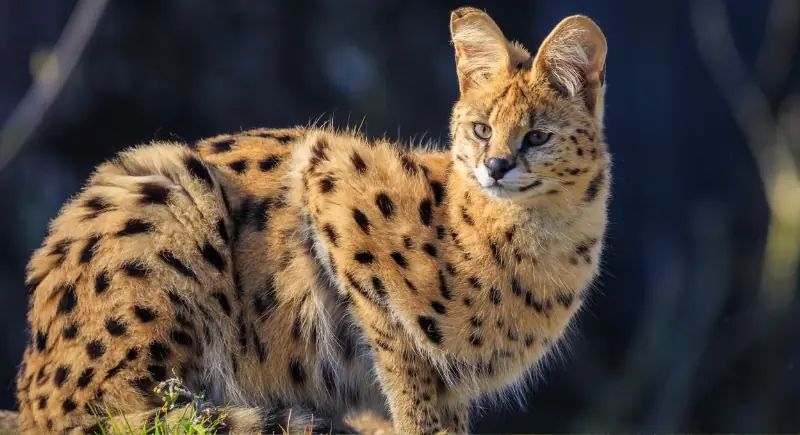
One of the most striking abilities of a serval is its vertical leap, which helps it to catch birds midair with remarkable accuracy. A near-50% capture rate reflects strong hearing and sharp timing during pursuits. However, its focus remains on smaller prey, which limits its risk level to humans.
8. Snow Leopard
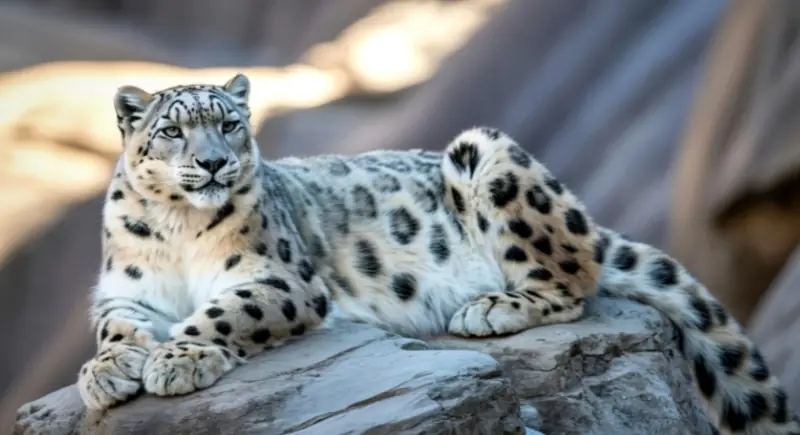
It is not easy for the snow leopard to hunt on steep slopes, which is why its hunting performance percentage stays between 10 and 15% despite its physical advantage. Reports describe individuals leaping great distances to reach targets across rugged terrain. Its physical ability stands out, though the distance from people keeps its overall danger relatively low.
7. Caracal
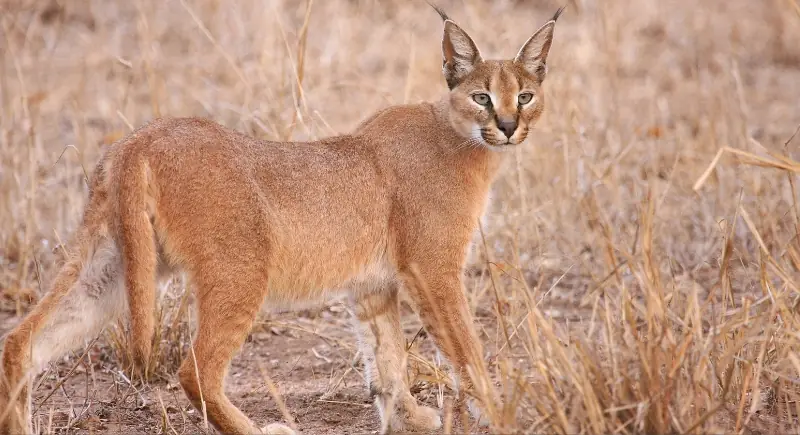
The caracal weighs between 8 and 18 kilograms and relies on speed and precision rather than size. It is known for its ability to leap high and catch birds midair, sometimes grabbing more than one in a single jump. It also hunts small mammals, using sharp hearing to detect movement. Its success rate stays high because each move is quick, controlled, and carefully timed.
6. Black-Footed Cat
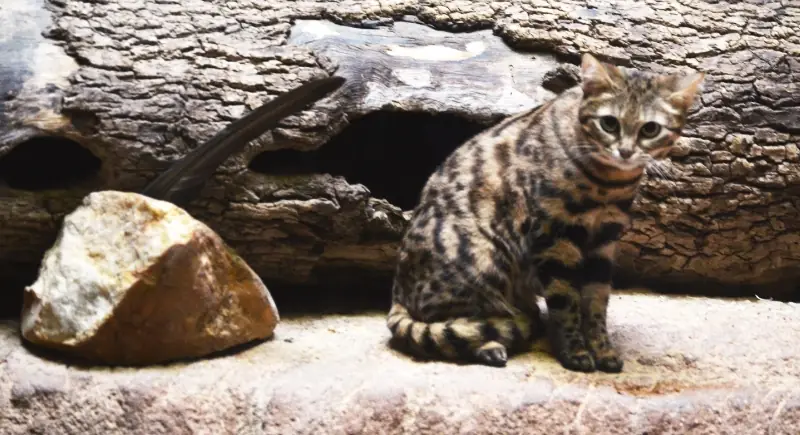
Under the right conditions, such as active nighttime hunting, the black-footed cat can capture prey every hour, which supports its remarkable efficiency. It targets rodents, small birds, insects, and reptiles, often hunting continuously through the night. This constant activity helps maintain its nearly 60% success rate.
5. Cheetah
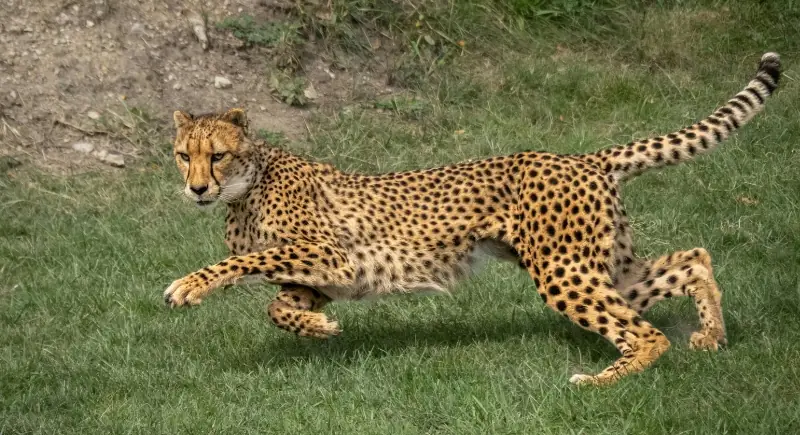
Cheetahs are built for speed, but they rely on short, explosive bursts rather than long chases. They accelerate quickly, close the distance, and bring down prey before exhaustion sets in. This approach keeps their hunting success between 40 and 58%, making them one of the more effective predators. Every hunt depends on timing, control, and using speed at exactly the right moment.
4. Cougar (Mountain Lion)
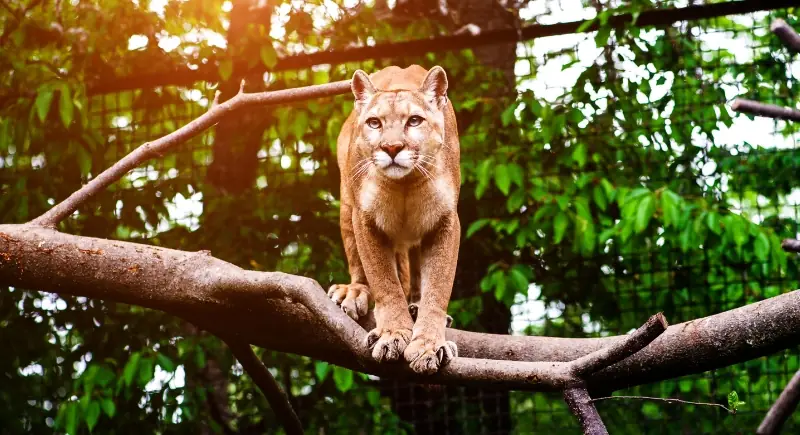
Wildlife agencies frequently advise maintaining a distance from cougars and avoiding sudden movement, especially as encounters have increased due to human expansion into forested regions. Its presence near human communities raises its ranking, even though attacks remain uncommon overall and usually occur when the animal feels threatened.
3. Jaguar
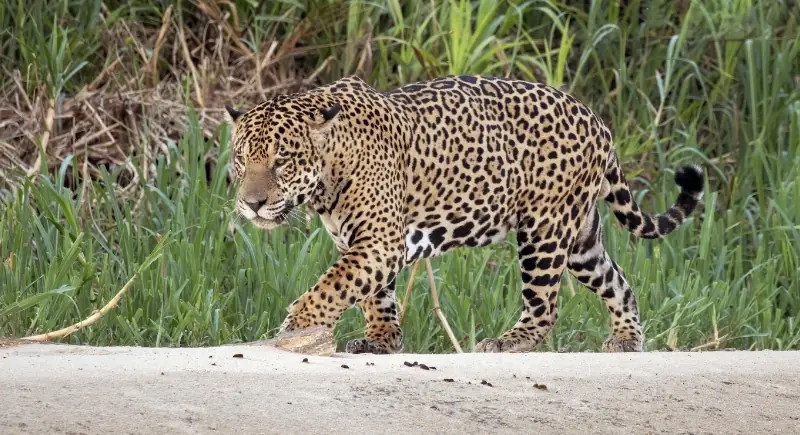
Since a jaguar typically looks for food in dense rainforests and wetlands, its hunting style leverages the element of surprise to exhibit power. Bite-force measurements indicate the ability to pierce bone, which sets this cat apart physically. This wildcat also has a varied diet, including reptiles, fish, and mammals such as deer and capybaras. Human attacks occur infrequently, though the capability remains high.
2. Tiger
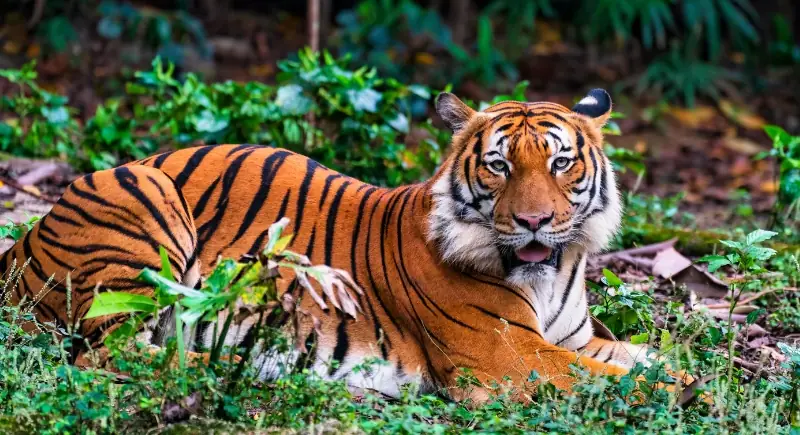
Because of its size and power, this apex predator dominates large territories across Asia with little competition. The tiger’s effectiveness in hunts ranges from 5 to 10%, though force allows it to overpower large animals such as deer and wild boar. Its strength compensates for lower efficiency in this case. That combination of physical dominance and recorded encounters secures its place among the most dangerous cats.
1. Lion
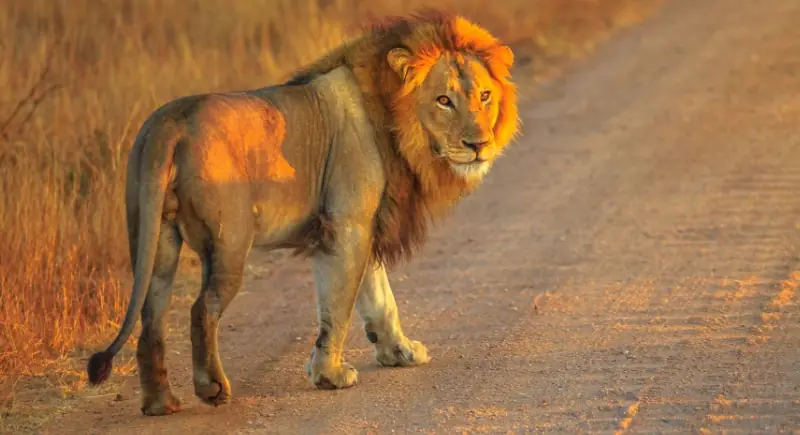
There are well-known cases of lions attacking humans, including incidents where individuals deliberately targeted people, which highlights their potential for conflict. This behavior closely connects to how they hunt, since group coordination enables prides to target large prey efficiently. Success rates between 25 and 30% reflect that teamwork.





