
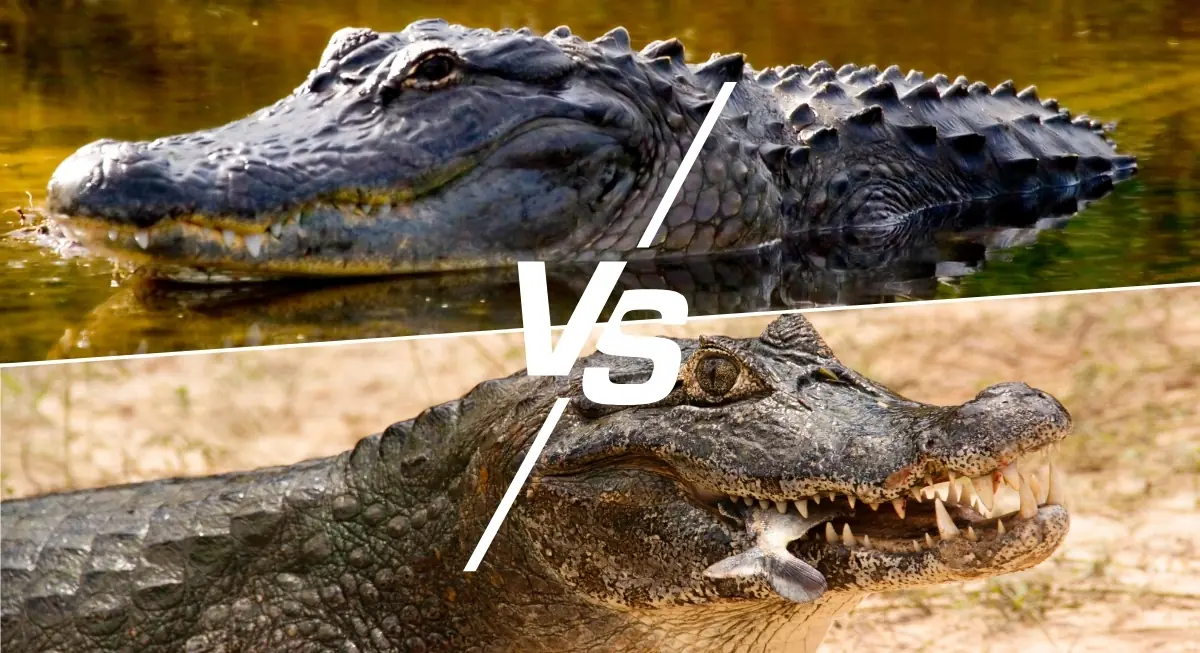
You’ve probably called a gator a croc, or the other way around, and kept it moving. No judgment, they do look alike. But there are a few sneaky, easy-to-miss details that set them apart. Once you know what to look for, you’ll never mix them up again.
Snout Shape
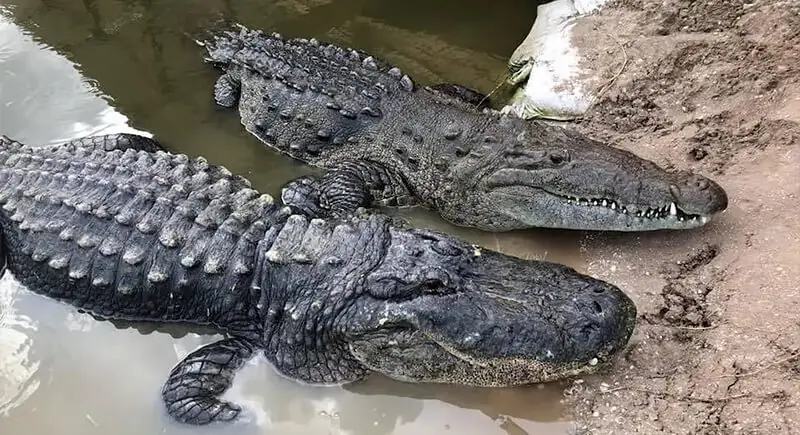
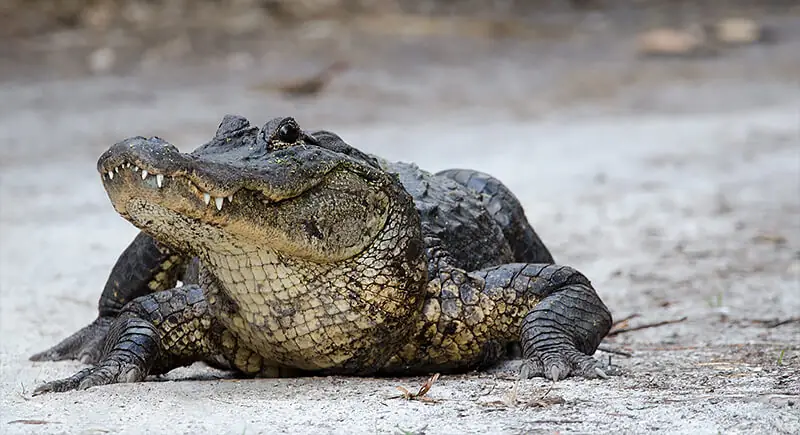
Alligators have wide, rounded U-shaped snouts, suited for crushing hard prey like turtles. Crocodiles display longer, pointed V-shaped snouts, which are ideal for slicing through water and catching agile fish. These snout shapes reflect their feeding styles and are one of the easiest ways to distinguish them visually.
Teeth Visibility
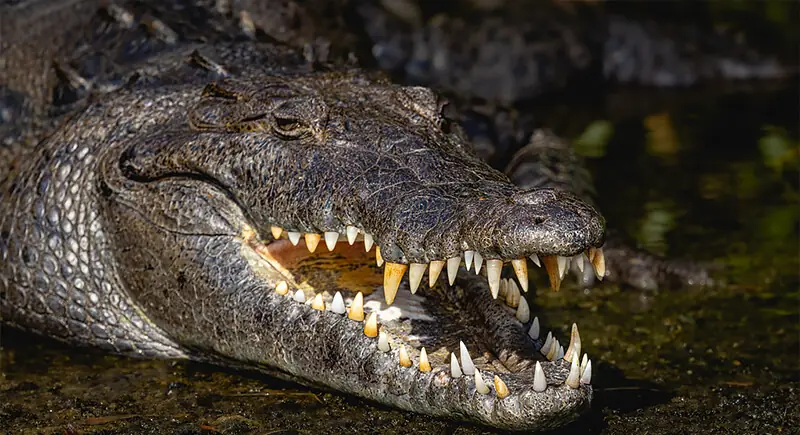
When alligators close their mouths, the upper jaw completely overlaps the lower, hiding their bottom teeth. Crocodiles differ, both jaws are about equal in width, so some lower teeth remain visible, including the pronounced fourth tooth.
Coloration
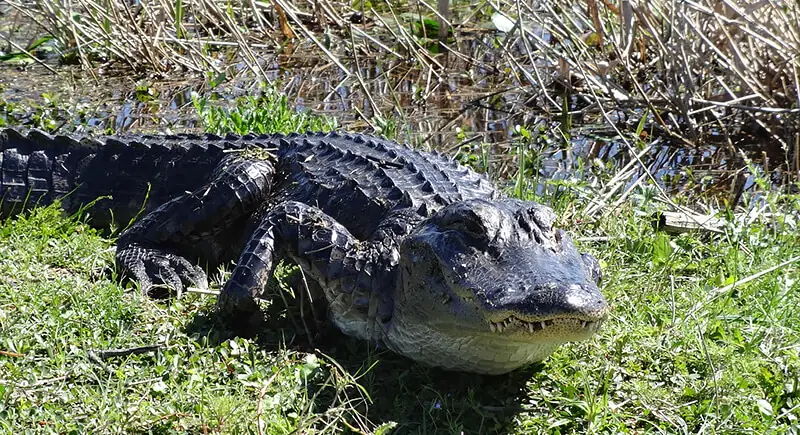
Color is another helpful clue. Alligators usually appear dark gray or black, which helps them blend well into murky freshwater swamps. Crocodiles tend to look lighter, often olive green or tan, matching the sandy or brackish coastal areas they inhabit. Having said that, environmental factors can slightly alter these base colors in both species.
Habitat Preferences
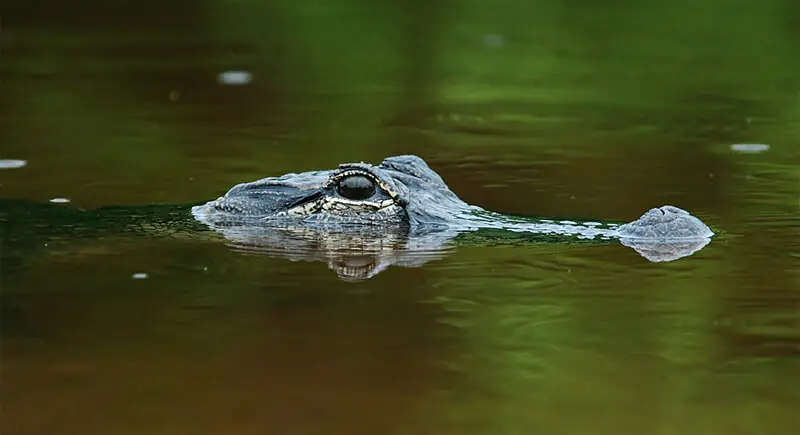
Alligators stick to freshwater swamps, lakes, and rivers, mostly in the southeastern U.S. and China. Crocodiles, thanks to working salt glands on their tongues, thrive in saltwater areas like coastal estuaries and mangrove swamps. This trait gives crocodiles access to a broader range of habitats globally.
Sensory Organs
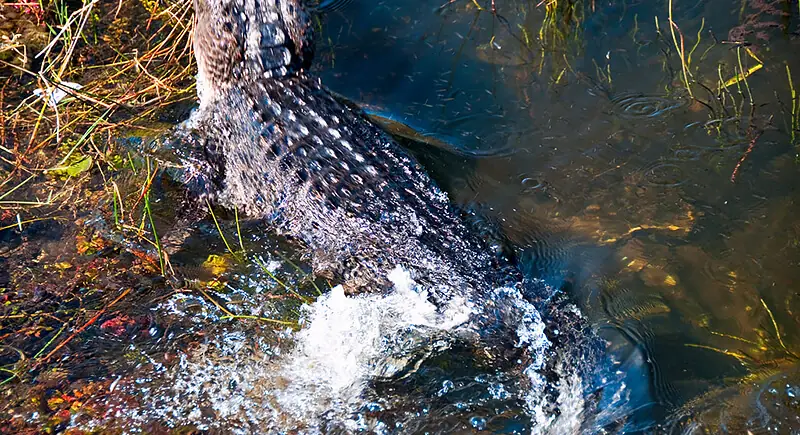
Both reptiles have integumentary sensory organs that detect vibrations in the water. Alligators have them primarily around their jaws. Crocodiles, however, feature these receptors across almost every scale. This means crocodiles have a certain sensory edge in tracking subtle movements from prey or intruders in aquatic environments.
Aggression Levels
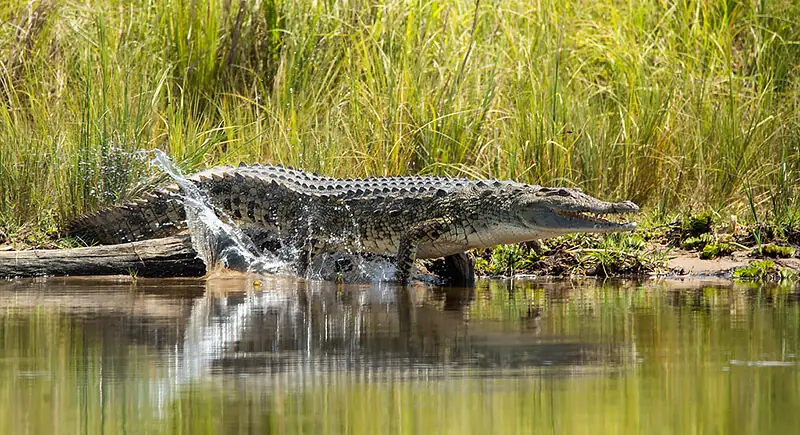
Crocodiles are significantly more aggressive than alligators. Nile and saltwater crocodiles are notorious for attacking large animals, including humans. Alligators prefer to avoid confrontation and often flee if approached.
Geographic Distribution
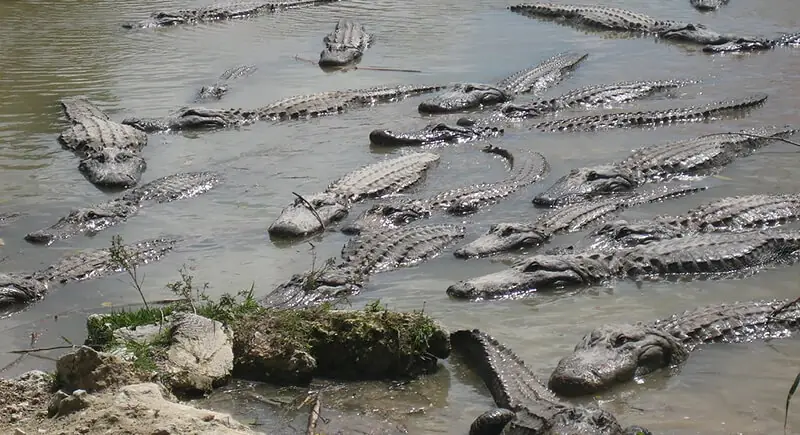
Alligators live mainly in the southeastern U.S. and parts of China, with the American alligator being more widespread. Crocodiles are globally distributed, spanning Africa, Asia, Australia, and the Americas. Florida is the only place in the world where both species naturally coexist, though rarely in the same habitat.
Nesting Habits
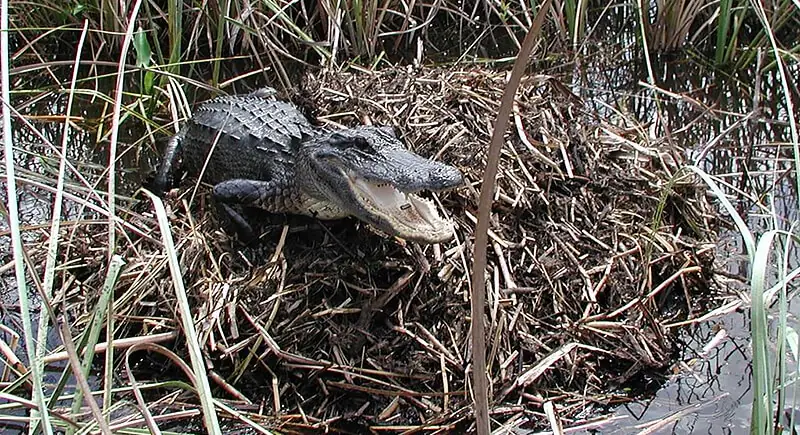
Alligators build mound nests using vegetation, which helps insulate their eggs. Crocodiles dig holes in sandbanks or mud to lay eggs and rely more on ambient heat. Both species guard their nests, but nesting material and location differ significantly.
Parental Care
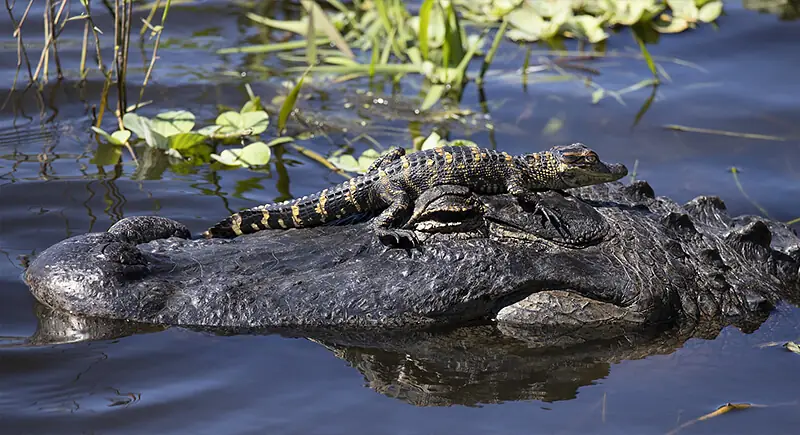
Female alligators are among the most attentive reptile mothers; they often stay with their hatchlings for up to two years. Crocodile mothers also show care, but tend to part ways earlier. Both will defend their nests fiercely, though, as their young face numerous threats from predators and environmental conditions.
Lifespan
Crocodiles generally live longer than alligators. In the wild, crocodiles can surpass 70 years, with some individuals reaching 100. Alligators typically live 30 to 50 years. Of course, both animals live longer in captivity under proper care.
Size Differences
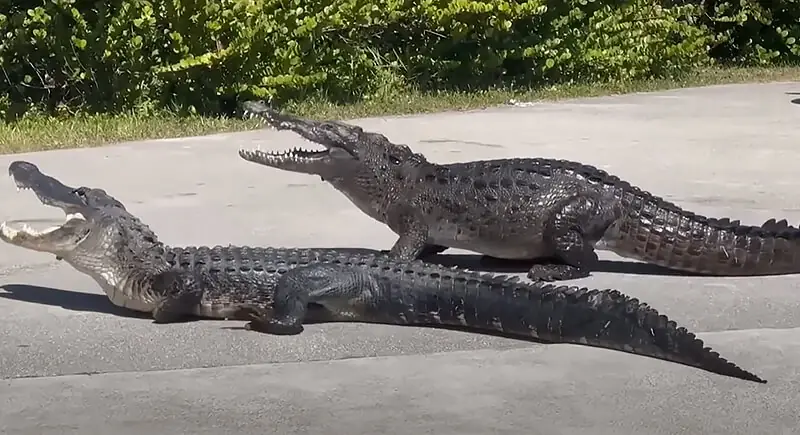
Crocodiles tend to be larger than alligators. Saltwater crocodiles can reach lengths of over 23 feet and weigh more than 2,200 pounds, while alligators are generally smaller, averaging 13 to 15 feet in length.
Limb Proportions
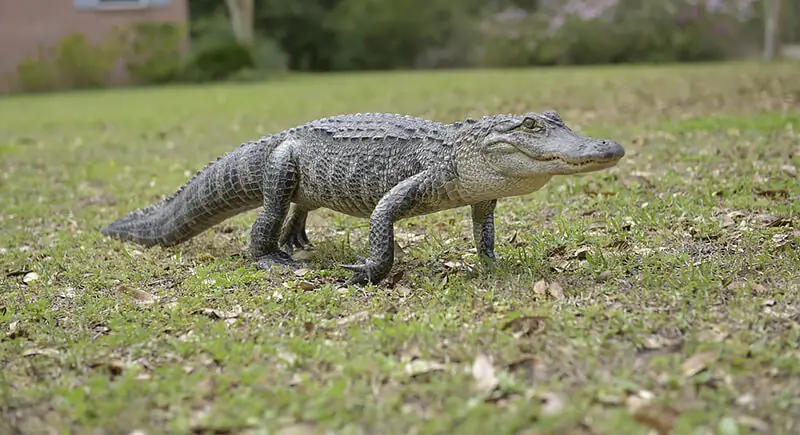
Anatomical differences go beyond teeth and tails. Alligators have shorter humerus and femur bones compared to crocodiles. This difference in limb length affects mobility and gait, especially on land. Crocodiles tend to move with a higher posture, while alligators stay lower to the ground when walking.
Salt Glands
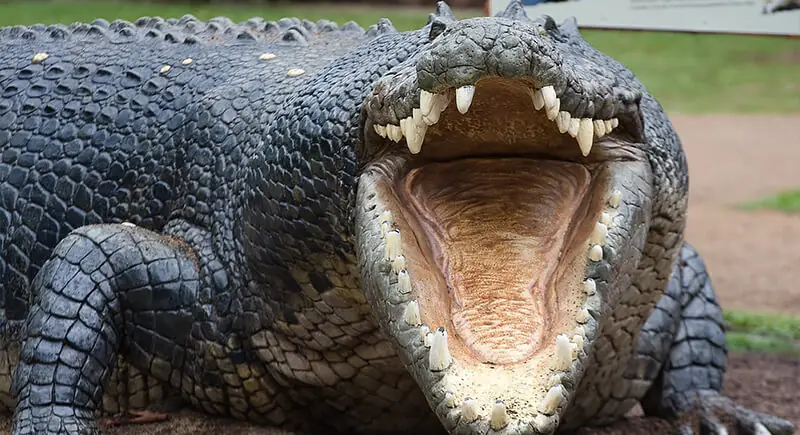
Crocodiles have fully functioning salt glands on their tongues, which allow them to excrete excess salt and thrive in marine environments. Alligators also have salt glands, but theirs don’t work efficiently, so they stay restricted to freshwater areas. This difference shapes where they can live and how widely they spread.
Jaw Strength
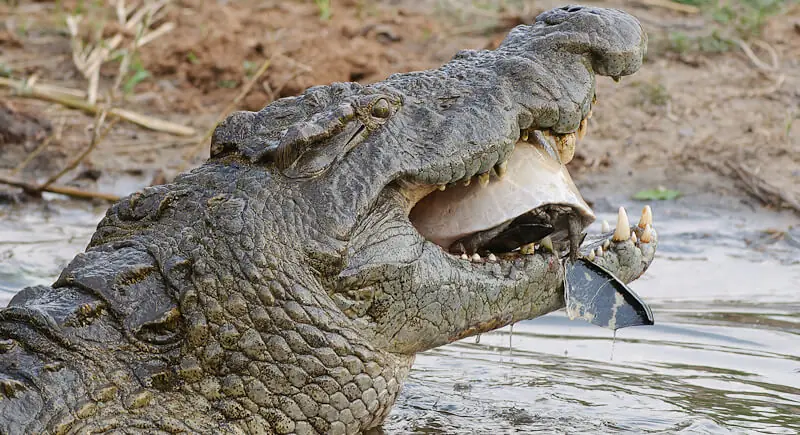
Both of these animals have strong jaws, but crocodiles take the prize for bite force. They use it to capture and dismember large prey, often employing a death roll. Alligators, while still formidable, use their jaw power more for crushing than tearing.
Conservation Status
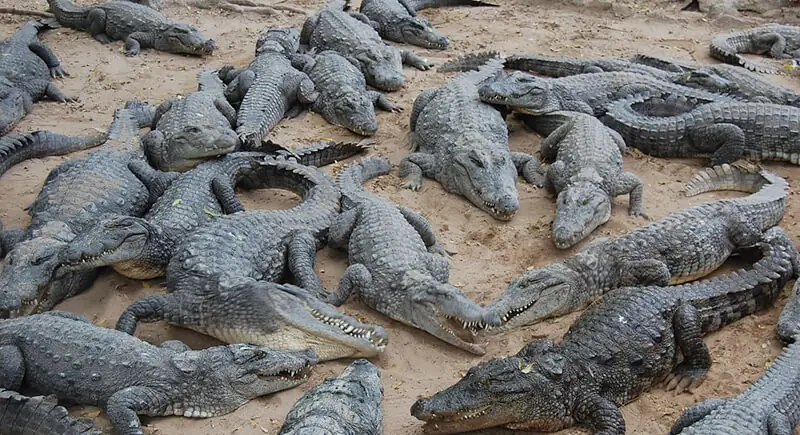
Thanks to legal protection, American alligator numbers have rebounded, and they are now considered of least concern. Crocodiles aren’t as lucky. Species like the Philippine and Siamese crocodiles are critically endangered due to habitat loss and hunting.
Tongue Mobility
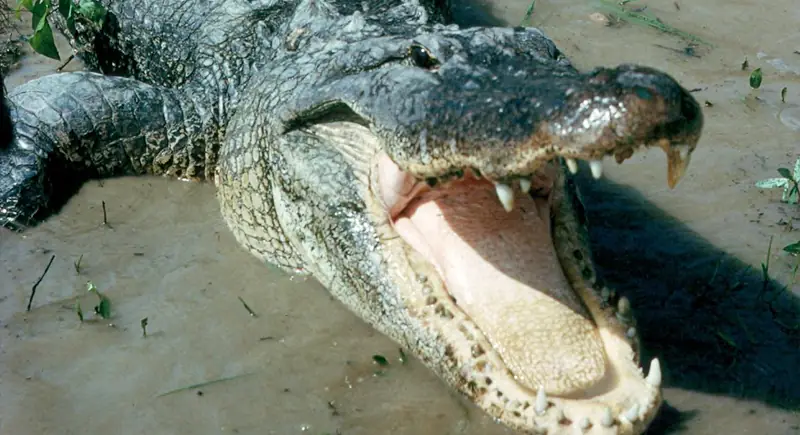
Crocodiles carry working salt glands on their tongues, which help them handle brackish and saltwater habitats without drying out. Alligators have similar glands, but they do not function the same way. You will not spot this difference from a boardwalk. Scientists had to study the mouths up close to catch it.
Webbed Feet vs. Jagged Fringes
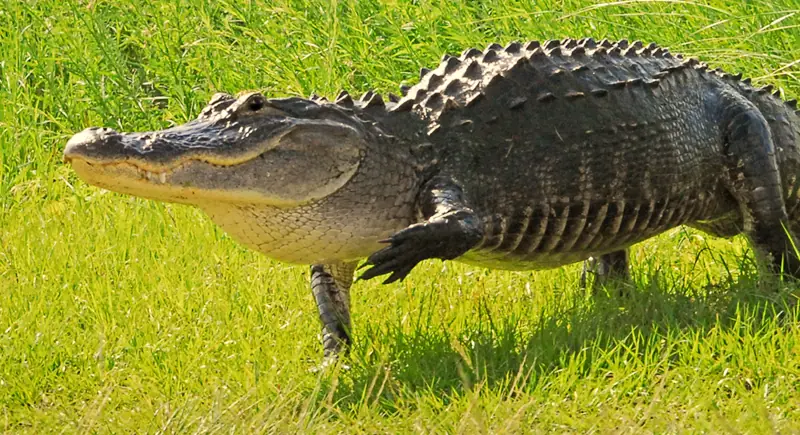
Look down instead of at the teeth. Alligators have more webbing between their toes, which helps in slow freshwater movement. Crocodiles lean another direction. Their feet show jagged fringes that help with traction and movement through mud, banks, and shifting coastal terrain. It’s a tiny detail but a big clue once you notice it.





