
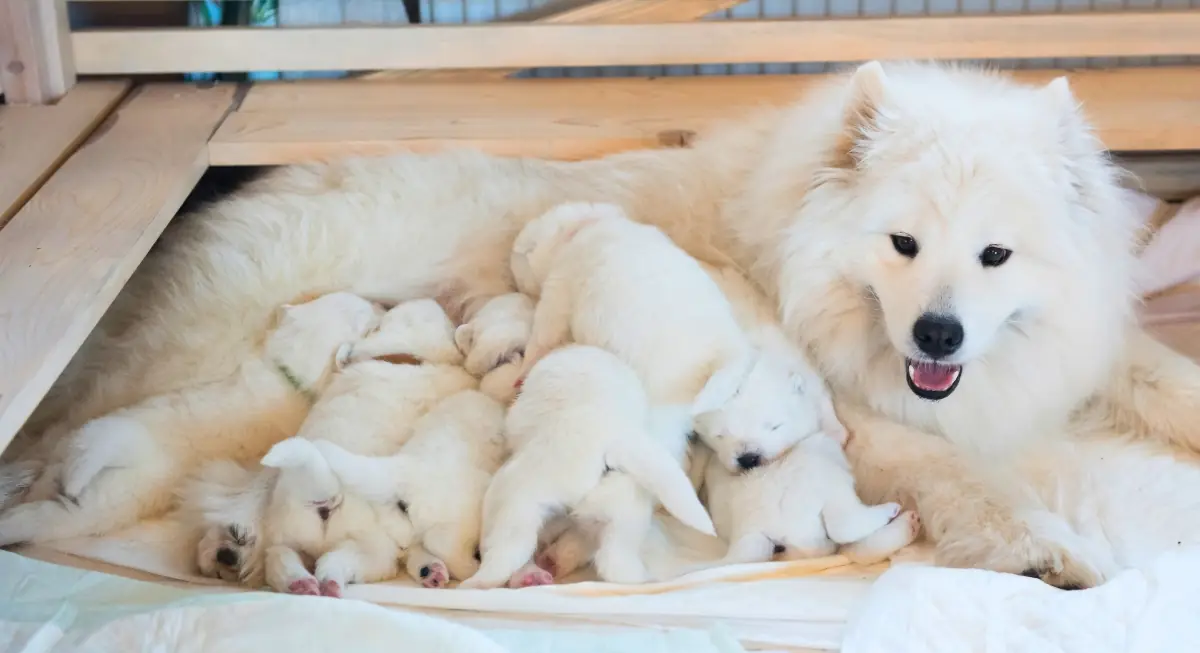
Thirty babies in a lifetime might sound unbelievable, but in the animal world, that number can be modest. Reproduction follows a clear biological pattern. Gestation length, lifespan, litter size, and how quickly young mature all influence how many offspring a female can have. Some species reproduce rapidly because they grow quickly and have short pregnancies. Others invest years in each birth, which naturally limits the total. Here’s how that balance looks across different animals.
Human

History records at least one woman giving birth more than 30 times in her life. Human pregnancy lasts about 9 months, which already limits how often childbirth can happen. Most pregnancies result in a single baby, even though twins or higher-order multiples are possible. Children also need years of supervision before they become independent adults. That long stretch of hands-on parenting keeps lifetime totals relatively low.
Horse
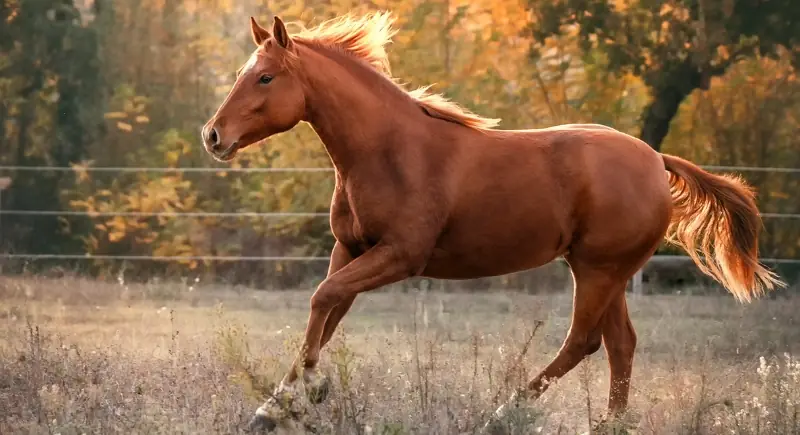
Horse gestation averages about 11 months, so a mare usually produces just one foal per year at most. Across a lifetime, that adds up to roughly 15 to 25 foals. Foals stand within hours of birth, which helps them survive in open grasslands where predators roam. Even so, biology keeps the pace slow and steady. Horses build strength one baby at a time.
Dogs

It only takes sixty-three days for puppies to develop. Female dogs can have multiple litters in a single year, and litter sizes often range from 4 to 8 puppies, depending on breed. Over an entire lifetime, totals can exceed 50 puppies. Dogs also reach sexual maturity far earlier than larger mammals, which extends their reproductive window. Quick pregnancies and repeat cycles turn modest litters into big numbers fast.
Elephant
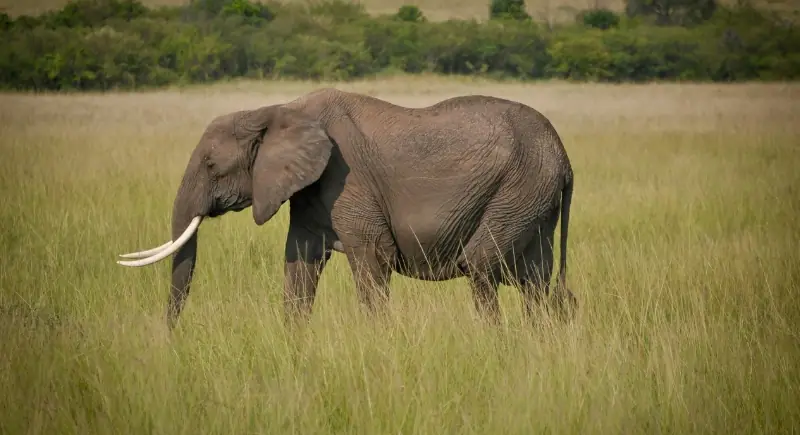
Elephant motherhood moves at its own pace. A pregnancy lasts about 22 months, longer than any other land mammal. Most mothers give birth to one calf at a time, then spend years raising it within a close herd. Because everything takes so long, a female usually has only four to six calves in her lifetime. Each birth demands time, strength, and steady care.
Lion
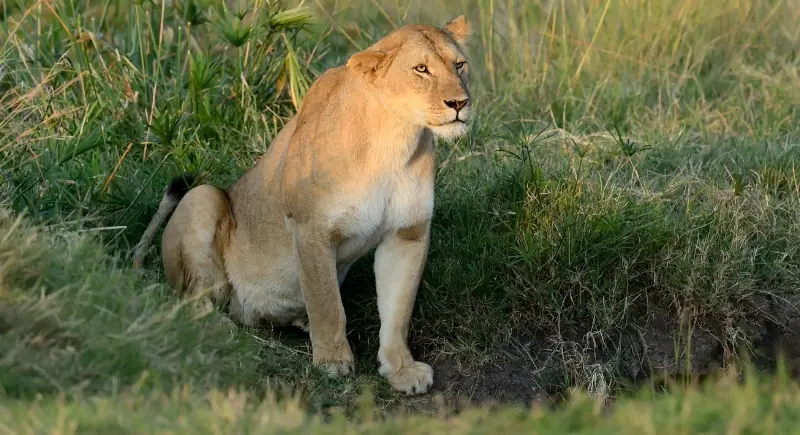
Life inside a pride shapes everything for a lioness. She carries her cubs for about 110 days and usually gives birth to two to four at a time. Over her lifetime, she may have around 10 to 20 cubs. Pride helps protect and even nurse the young, thereby improving survival. That shared effort allows lions to raise moderate litters with steady long-term success.
Rabbit
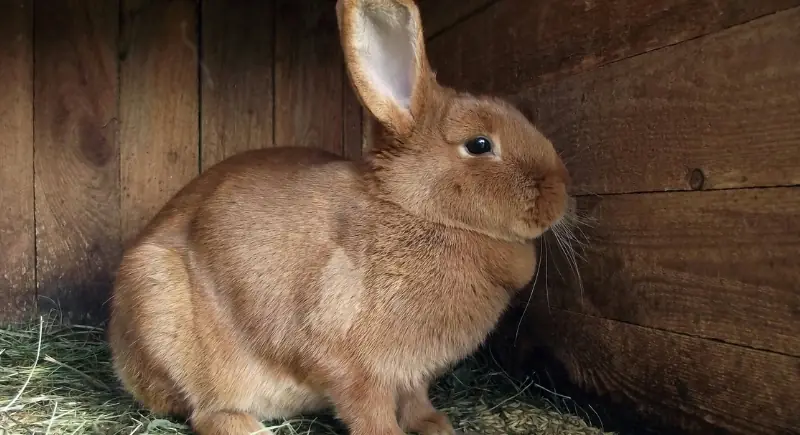
Rabbit gestation lasts just 28 to 31 days, and this is where the math explodes. Females can become pregnant again almost immediately after giving birth. Litters commonly include 4 to 12 kits, and under ideal conditions, a single female can produce more than 300 babies in her lifetime. Speed is their survival plan, as predators take a heavy toll on rabbits, so rapid reproduction keeps the population stable.
Cat
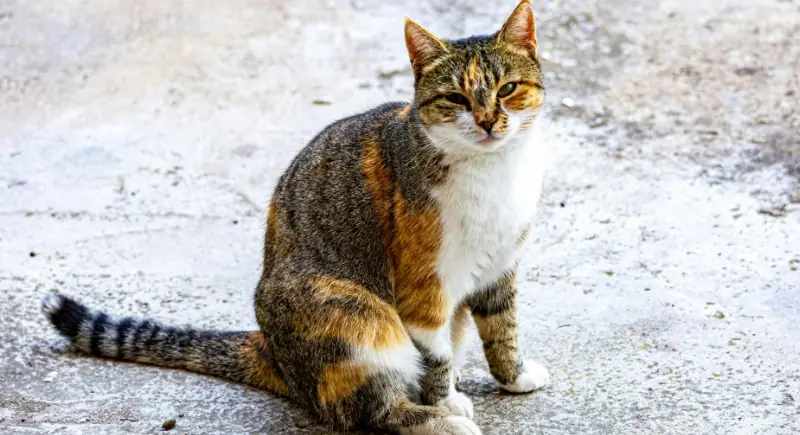
Domestic cats follow a similar pattern. Pregnancy runs about 63 to 65 days, and females often have multiple litters each year. Average litter size is 3-5 kittens. Over time, lifetime totals can exceed 100 kittens. And like dogs, cats also reach sexual maturity relatively early, which expands their breeding years. It adds up quickly, and neighborhoods notice.
Pig
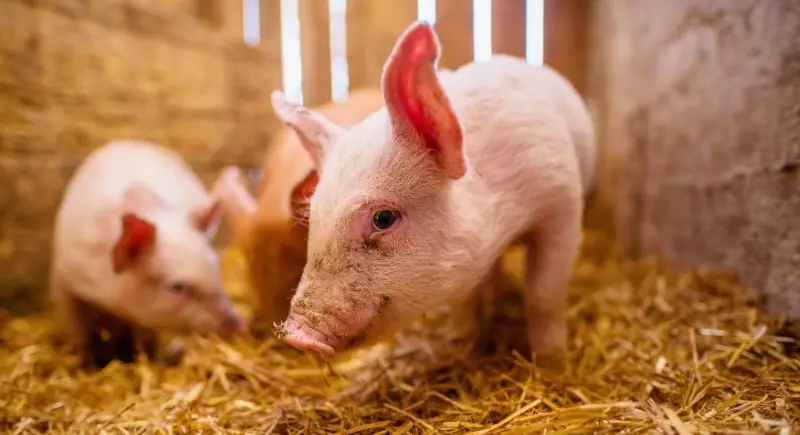
A sow’s numbers climb fast because pigs do not waste time. With gestation lasting about 114 days, litter sizes frequently range from 8 to 14 piglets. Under managed farm conditions, domestic pigs can have two litters per year. Over a lifetime, totals can surpass 200 piglets. Large litters and repeat pregnancies create one of the highest outputs among large mammals.
Mouse

Tiny body, enormous output. Mouse pregnancy lasts just 19 to 21 days. Litters typically contain 5 to 12 pups, and females can breed again soon after giving birth. Under favorable conditions, one female can produce more than 100 pups in her life. Early maturity accelerates the cycle even more. For mice, reproduction moves at lightning speed.
Cow
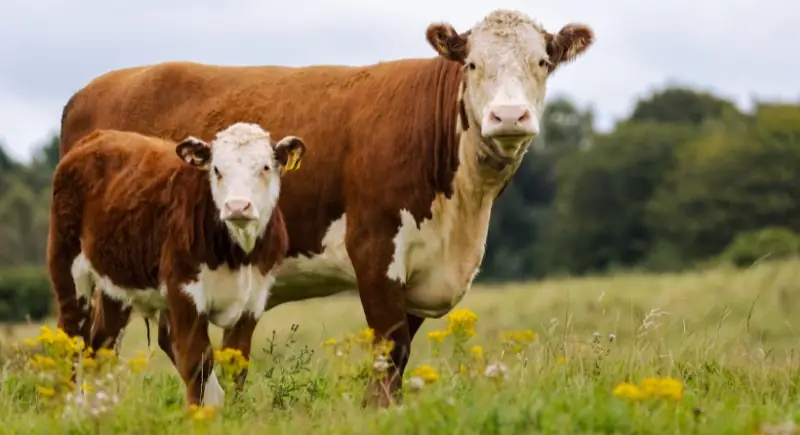
Cattle take a slower route. Their pregnancies last about 9 months, close to the length of a human pregnancy. Most cows give birth to one calf per pregnancy. Calves require extended maternal care before weaning, which naturally spaces out births. Compared with pigs, rabbits, or mice, lifetime totals stay modest. In the end, biology always chooses a strategy, and every species plays the long game differently.





