

Dolphins enjoy one of the friendliest reputations in the animal world. Movies, aquariums, and viral clips often show them swimming beside boats or helping people in the water. Their intelligence and strong social bonds have fascinated researchers for years, which helped build the idea that dolphins are the ocean’s cheerful geniuses.
However, marine research shows a different side of dolphins. The animals that seem playful and friendly to people are also skilled predators with complicated social lives. Scientists who study wild dolphins have observed intense competition, forceful mating behavior, and cooperation that can be carefully coordinated within groups. Researchers have also recorded unusual habits and episodes of aggression that reveal a much harsher side of dolphin behavior than most people expect.
Male Dolphins Kill Newborn Calves
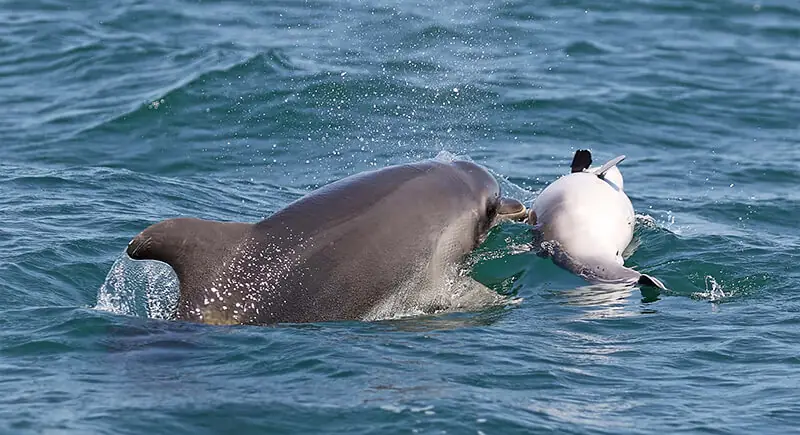
Infanticide is one of the most unsettling behaviors documented in bottlenose dolphins. Marine researchers have observed male dolphins attacking newborn calves shortly after birth. In several recorded cases, males rammed the young dolphin repeatedly until it drowned. Scientists believe the behavior is tied to reproduction. When a calf dies, the mother may return to fertility sooner, giving the male another chance to mate.
Male Dolphins Form Alliances to Control Females

Dolphin society includes some remarkably strategic relationships. Male bottlenose dolphins often form tight alliances with one or two other males to isolate females during mating attempts. Once a female is targeted, the males may spend hours or even days preventing her from escaping. Researchers in places like Shark Bay in Western Australia have documented males chasing females, blocking their path, and using physical intimidation to keep them nearby.
Dolphins Kill Porpoises Without Eating Them
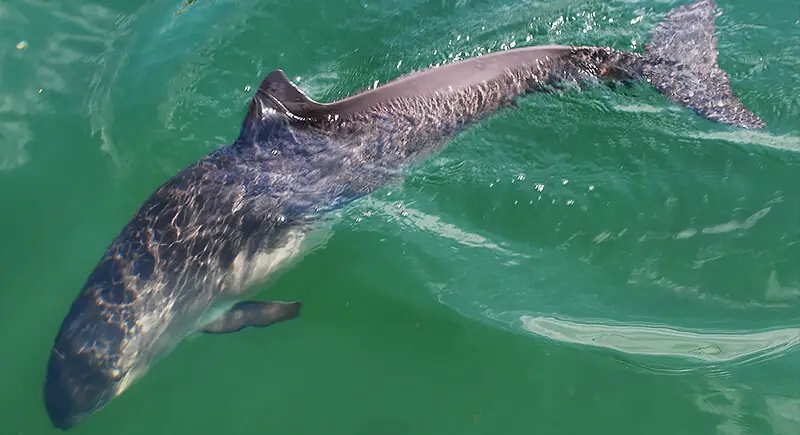
Along the coasts of Europe, dead harbor porpoises sometimes wash ashore with injuries that clearly match dolphin attacks. Autopsies have revealed broken ribs, bruising, and internal trauma consistent with powerful ramming from bottlenose dolphins. What puzzles scientists is that dolphins rarely eat these victims. The attacks appear to be aggressive encounters rather than feeding events. Some researchers believe it may involve territorial disputes or competition between species, but the exact motivation remains unclear.
Dolphins Sometimes Attack Humans

Most encounters between dolphins and humans are harmless curiosity, but there have been recorded cases where dolphins behaved aggressively toward swimmers. Some individuals have rammed people with their snouts or attempted to dominate divers in the water. These incidents are rare, but marine authorities in several regions have warned the public to keep a safe distance from wild dolphins. A full-grown one has strong jaws, can weigh more than 650 pounds (295 kg), and swims faster than most humans, which means even a playful interaction can quickly become dangerous.
Dolphins Torture Their Prey Before Eating It
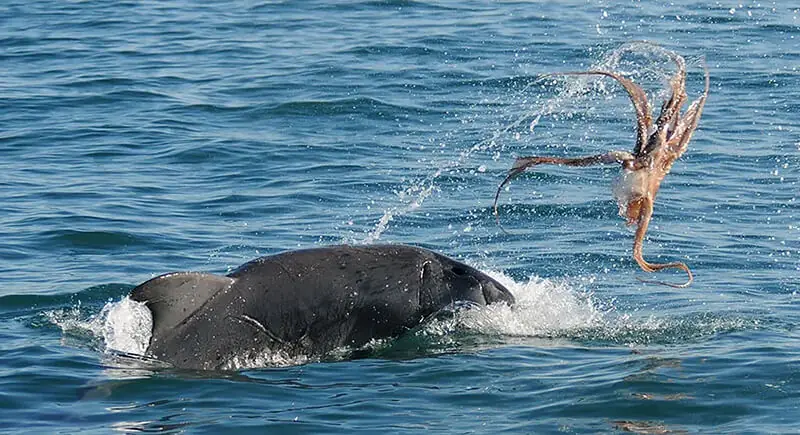
Dolphins are efficient hunters, but they do not always kill prey immediately. Marine biologists have observed dolphins tossing fish or squid into the air, striking them repeatedly with their snouts, and passing them between members of the pod. Sometimes this behavior helps disable prey that might fight back, such as octopuses. In other cases, it appears more like play. The prey is repeatedly attacked even after it has already been fatally injured before it is finally consumed.
Dolphins Intentionally Use Pufferfish Toxins
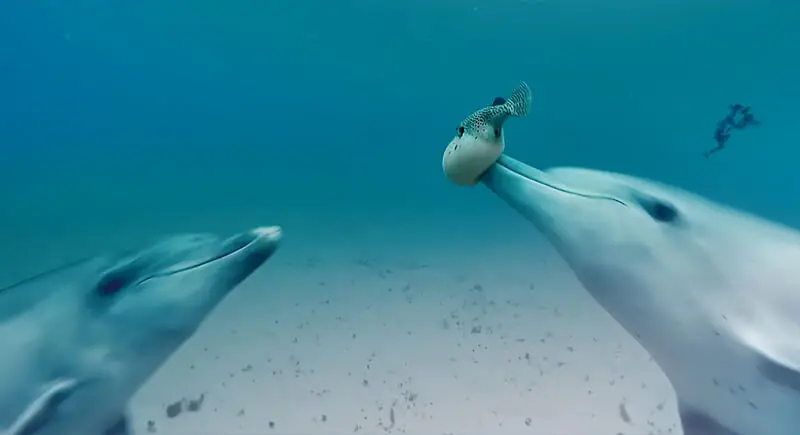
Footage filmed for a BBC wildlife documentary showed dolphins interacting with pufferfish in a way that surprised researchers. The dolphins carefully mouthed the fish and passed it between them rather than eating it. Pufferfish release a toxin called tetrodotoxin when threatened. In high amounts, it is deadly, but small doses can affect the nervous system. After the interaction, the dolphins appeared unusually calm, drifting near the surface and lingering as if in a trance.
Dolphins Commonly Carry Sexually Transmitted Diseases
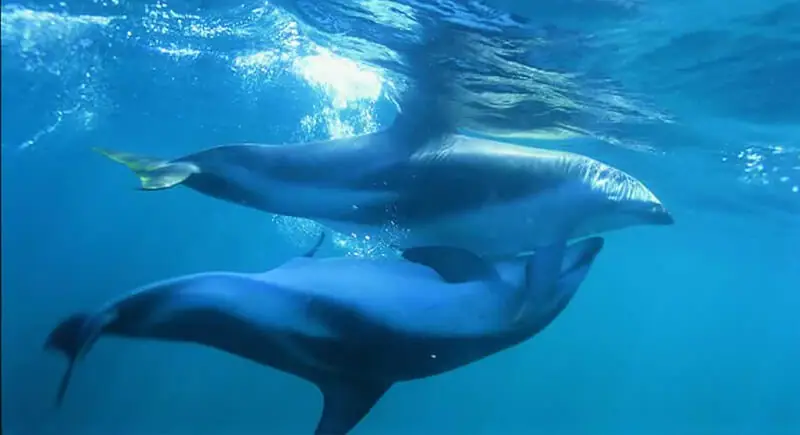
Like many highly social animals with frequent mating behavior, dolphins can carry infections that spread during reproduction. Marine health researchers have identified viruses similar to genital papillomavirus and herpesvirus in wild dolphin populations. These diseases are transmitted between individuals through close physical contact and can sometimes cause visible lesions on animals’ bodies. In some cases, the infections may also affect reproductive health and overall well-being.
Dolphins Sometimes Bully Other Dolphins

Dolphin pods have complex social hierarchies, and dominance conflicts can turn violent. In some groups, multiple dolphins have been observed isolating weaker individuals and repeatedly ramming or biting them. This behavior may be part of social competition, but it can leave the victim injured. In some cases, the targeted dolphin is driven away from the group.
Dolphins Have Been Used in Military Programs
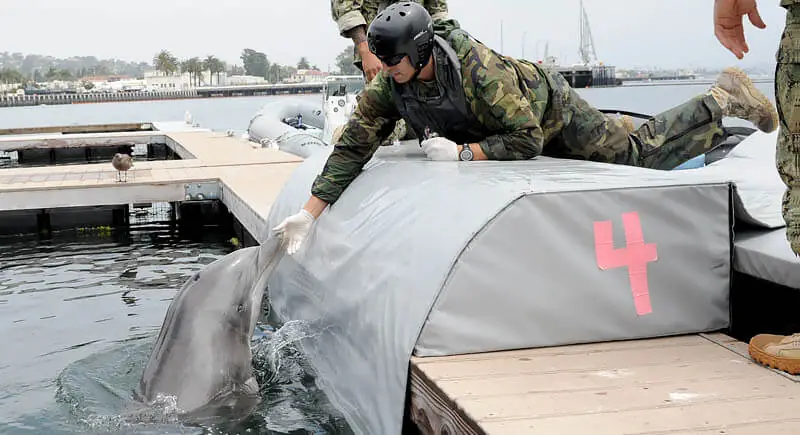
During the Cold War, the United States Navy launched the Marine Mammal Program, which trained dolphins to detect underwater mines and mark suspicious objects. Dolphins are highly effective at locating explosives because their echolocation can detect objects buried in sediment. Although rumors circulated that dolphins were trained as weapons, the Navy states the animals were primarily used for detection and security.
Dolphins Have Been Observed Using Dead Animals as Sexual Objects

Marine researchers have documented rare instances in which dolphins interacted with dead fish or other carcasses in ways that appeared to provide stimulation. In some observations, dolphins carried the dead animal for a period of time, repeatedly handling it before eventually letting it go. While the behavior is uncommon, it has been reported in the marine biology literature and suggests that dolphin mating behavior can extend well beyond reproduction. Scientists see it as another example of how complex and sometimes puzzling dolphin behavior can be.





