
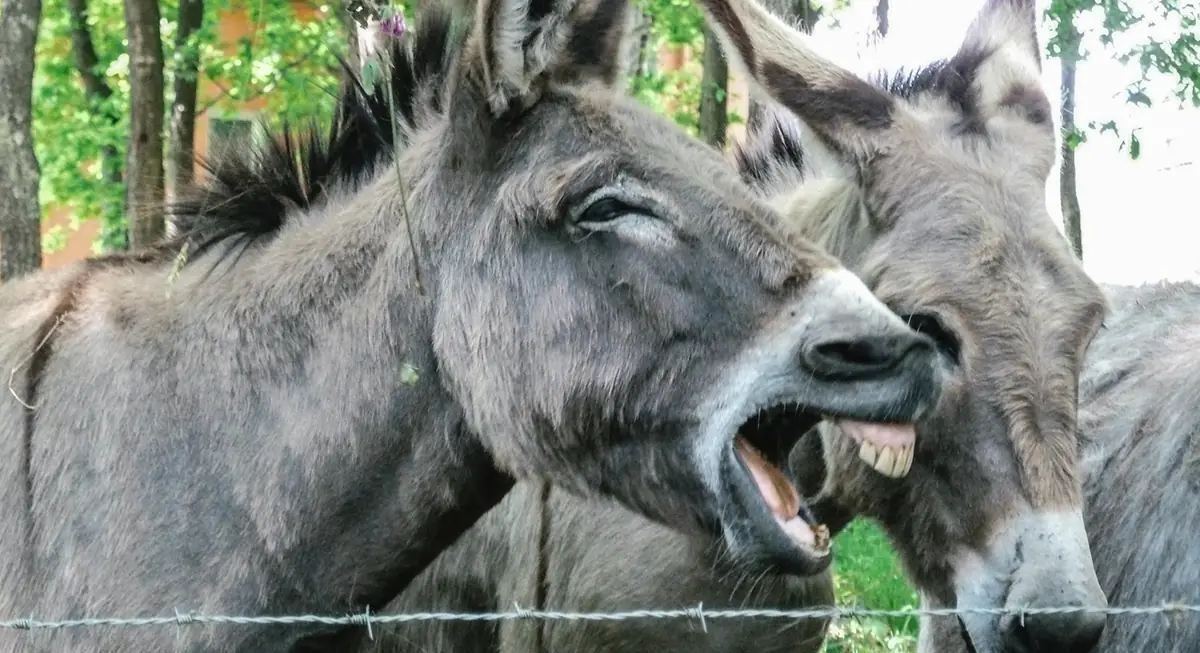
Donkeys are often underestimated but possess extraordinary traits that make them stand out. From their intelligence to adaptability, donkeys have proven invaluable to humans throughout history. These fascinating facts about donkeys will change how you see these resilient and resourceful animals.
Exceptional Memory
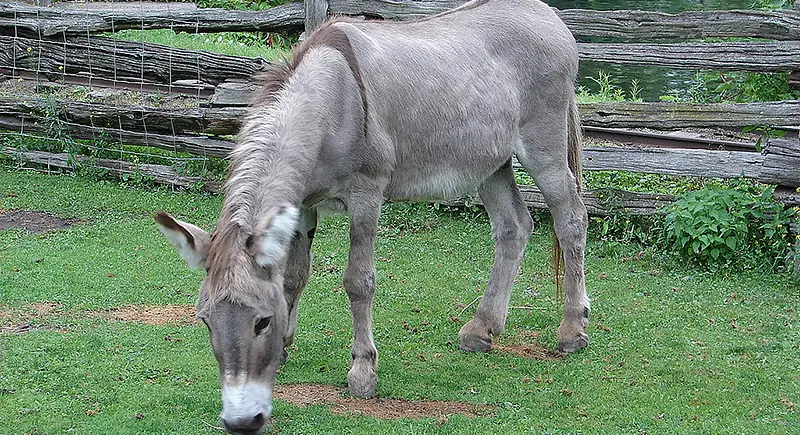
Donkeys excel at recalling places and individuals they’ve encountered, even after decades. Their memory allows them to navigate difficult terrains with precision and remember vital resources like water and shelter. This skill proves essential in helping them survive in harsh environments and forms the basis of their incredible adaptability.
Cautious and Intelligent
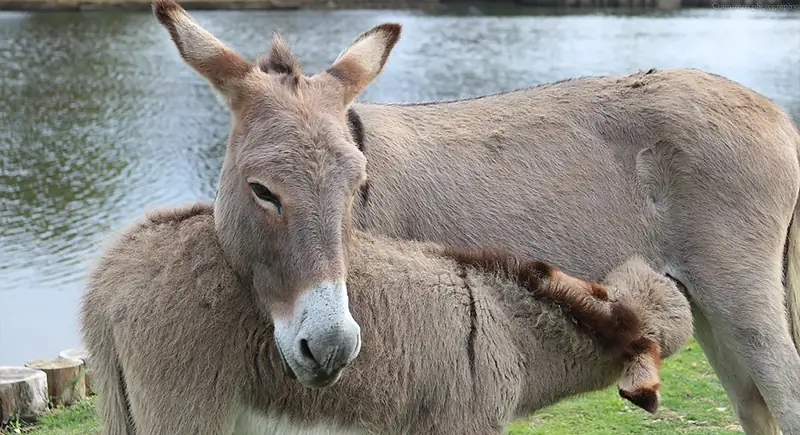
Donkeys assess their surroundings carefully, pausing to consider potential risks before acting. This behavior, often mistaken for stubbornness, highlights their intelligence and strong survival instincts. Unlike impulsive animals, donkeys think through challenges, ensuring their actions are deliberate and calculated for safety.
Emotionally Connected

Donkeys form lasting emotional bonds with companions, whether animals or humans. They show distress when separated from those they trust, reflecting their loyal and affectionate nature. These deep connections emphasize the importance of companionship for their well-being and make them uniquely empathetic animals.
Adapted to Tough Climates
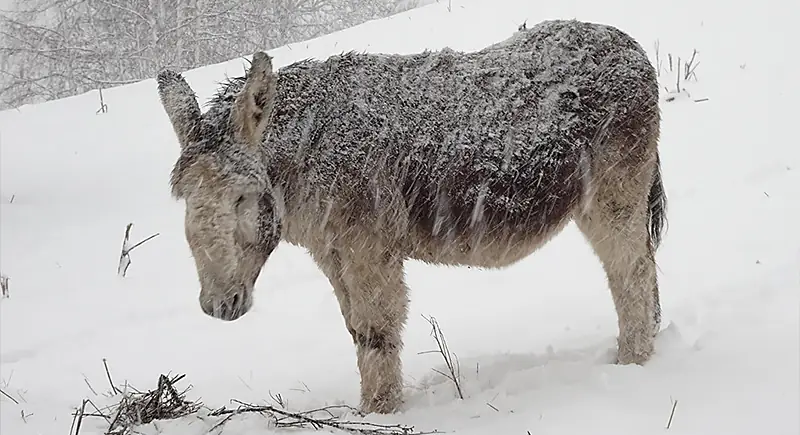
Originating from arid regions, donkeys are built to withstand extreme conditions. Their large ears help regulate body temperature, while their digestive systems efficiently extract nutrients from sparse vegetation. These adaptations make them indispensable in environments where few animals can thrive.
Effective Livestock Guardians
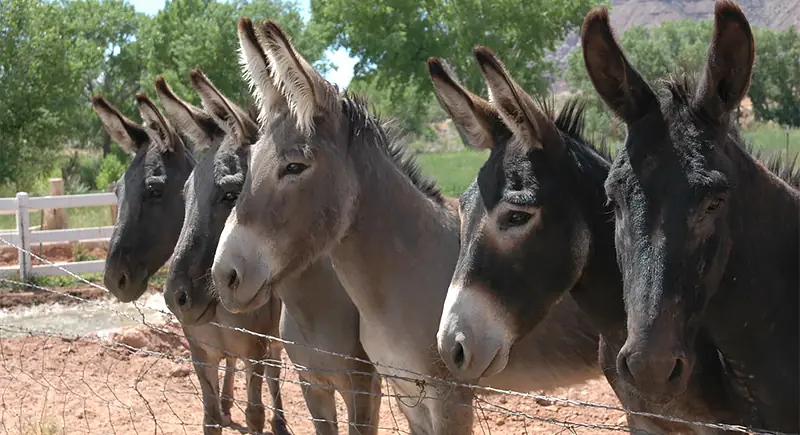
Donkeys instinctively protect herds from predators, especially canines. Farmers often rely on them to safeguard livestock like sheep and goats. Their strong defensive instincts, combined with their ability to chase away threats, make them valuable partners in managing farms and protecting animals.
Powerful Communication
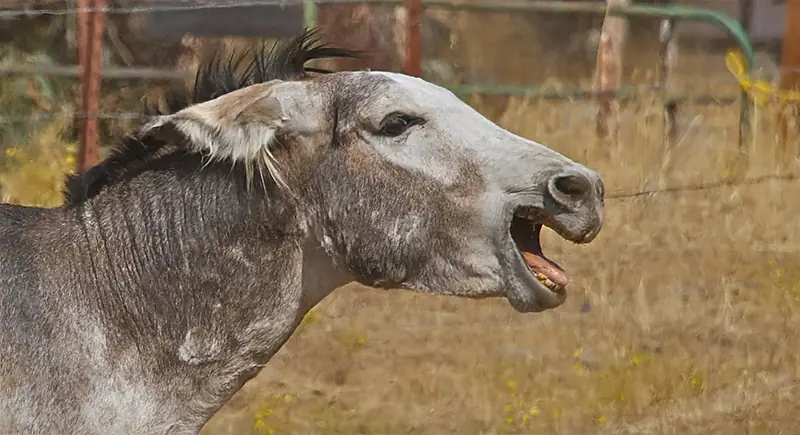
A donkey’s bray travels up to three kilometers, enabling them to communicate over vast distances. They use their distinctive calls to locate companions, express emotions, and warn of potential dangers. This ability ensures they remain connected, even in expansive or challenging terrains.
Masters of Navigation

Donkeys navigate rugged landscapes with exceptional agility and balance. Their sure-footedness allows them to carry heavy loads across rocky trails and steep paths. This capability has made them indispensable for transporting goods and people through remote and inaccessible areas for centuries.
Impressive Longevity
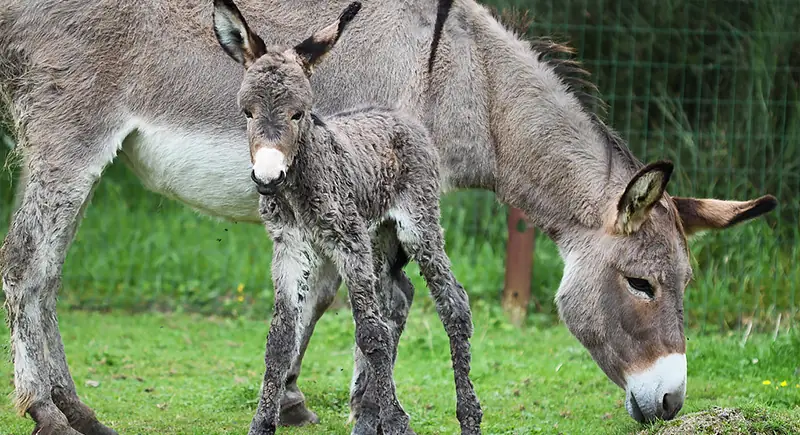
With proper care, donkeys can live between 30 and 50 years, reflecting their resilience and enduring value to humans. Their long lifespan strengthens the bonds they form with caretakers and ensures they remain reliable partners across generations.
Hooves Built for Durability

Donkeys’ hooves are compact and tough, designed to handle rocky and uneven ground. This adaptation ensures they remain stable and agile even in harsh terrains. Their durable hooves make them well-suited for work in rugged environments where other animals might struggle.
Expressive Ears
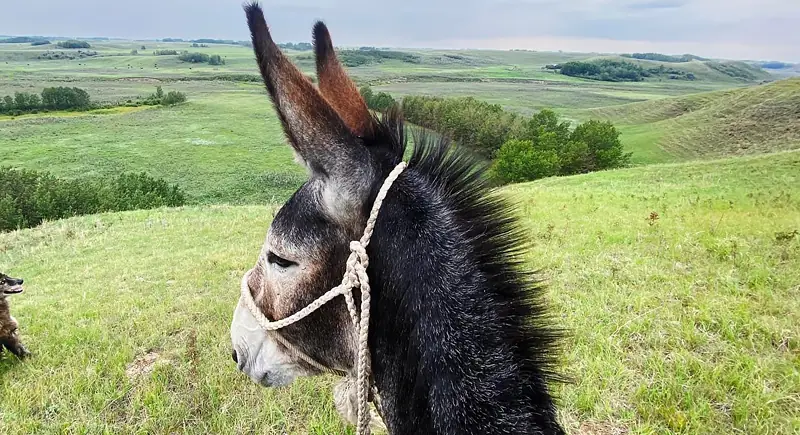
Donkeys use their ears not only to regulate heat but also to communicate their emotions. Their ear movements indicate curiosity, fear, or relaxation, providing valuable cues about their mood. This unique form of expression helps them interact effectively with their environment and companions.
Enduring Energy

Donkeys possess amazing stamina, allowing them to travel long distances without tiring. Their ability to sustain energy over time has made them essential for transporting goods and people in regions with limited resources. Their endurance remains one of their most valuable traits.
Efficient Grazers

Donkeys efficiently digest tough, fibrous plants, enabling them to survive on limited vegetation. Their ability to extract maximum nutrients from sparse food sources allows them to thrive in barren landscapes. This dietary efficiency highlights their resilience in harsh environments.
Distinctive Coat Patterns
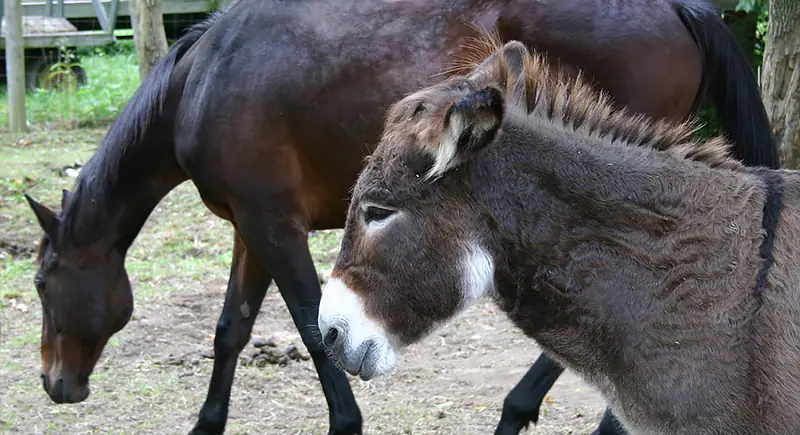
Many donkeys feature unique coat markings, such as dorsal stripes along their backs and cross-shaped patterns on their shoulders. These markings often carry cultural significance and add to their striking appearance, making them easily recognizable and celebrated in folklore and traditions worldwide.
Empathy Toward Humans
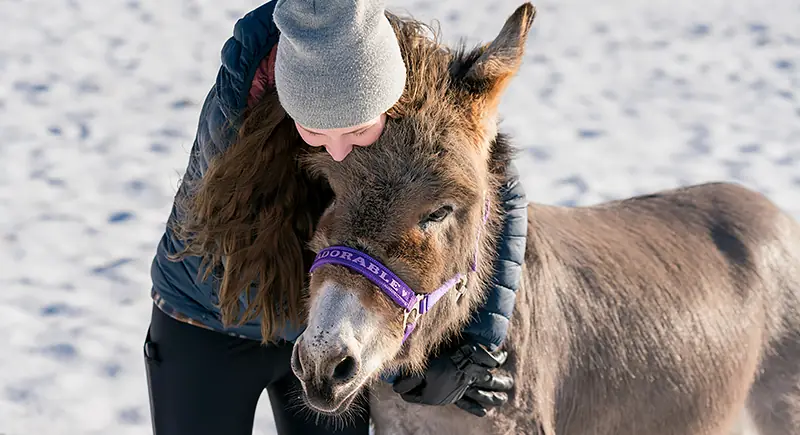
Donkeys display sensitivity to human emotions, responding with calmness and care to those they trust. Their empathetic nature allows them to bond deeply with their caretakers. These connections emphasize their intelligence and their ability to form meaningful, enduring relationships with people.
Playful Curiosity

Donkeys have a curious and playful nature, which leads to exploring their surroundings and engaging with objects. This inquisitiveness reflects their sharp minds and keeps them mentally stimulated. Providing activities or challenges encourages their well-being and strengthens the bond between donkeys and their caretakers.
Sense Approaching Storms
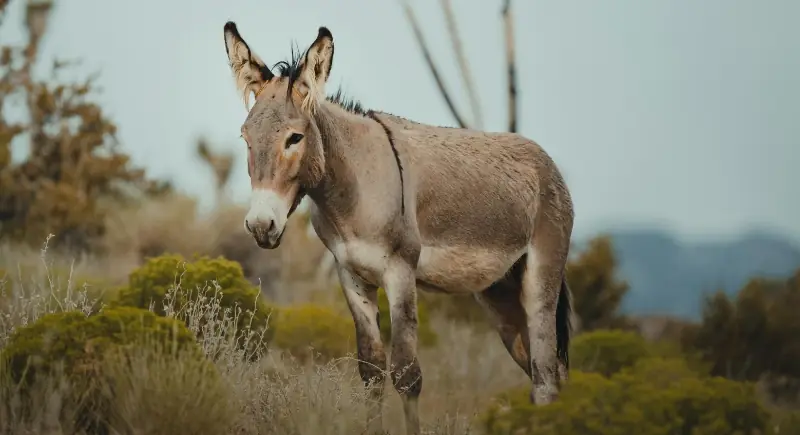
Donkeys are highly sensitive to environmental changes, and research shows that their behavior often shifts during sudden weather changes, such as wind, rain, or drops in temperature. They tend to seek shelter more readily than many equines when conditions turn harsh, a practical response that helps them stay comfortable and protected outdoors.
Outsmart Predators
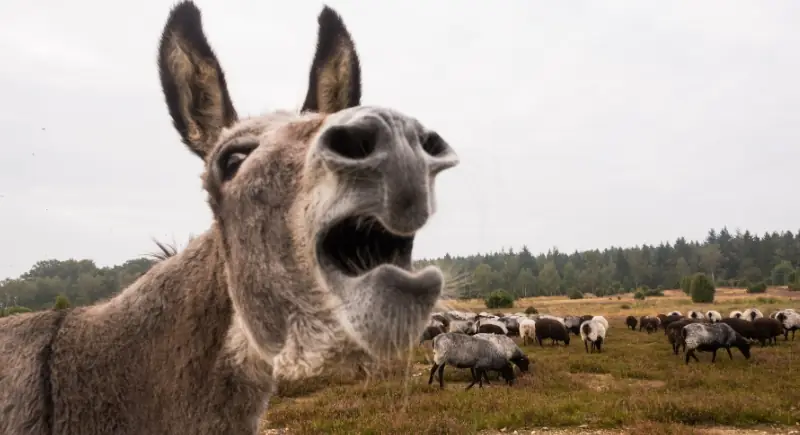
Donkeys are naturally alert animals with strong protective instincts, which is why some farms use them as livestock guardians. They may bray loudly, stand their ground, or deliver a forceful kick when confronted by threats like roaming dogs or coyotes. Their reactions can deter certain predators, though effectiveness varies widely.





