
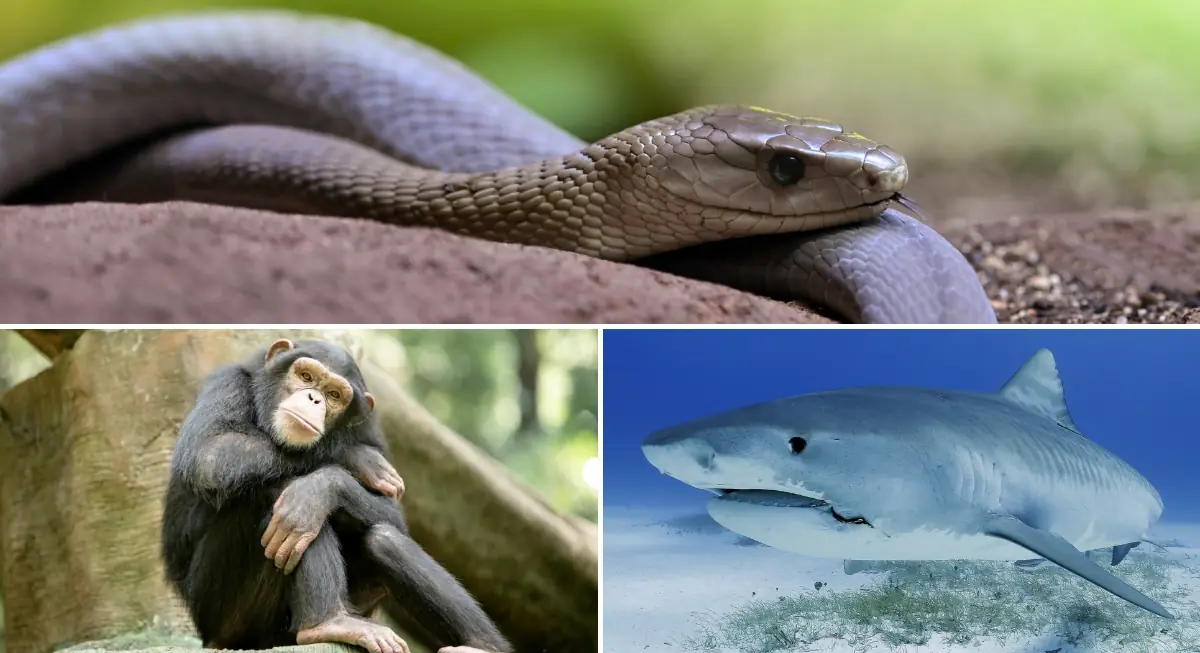
Aggression in the animal kingdom can take many forms, including biting, charging, and stinging. Some animals lash out to defend their young, others to secure a meal, and a few seem ready just because you got too close. This list pulls together the creatures with the sharpest tools and the least patience for backtalk.
Nile Crocodile
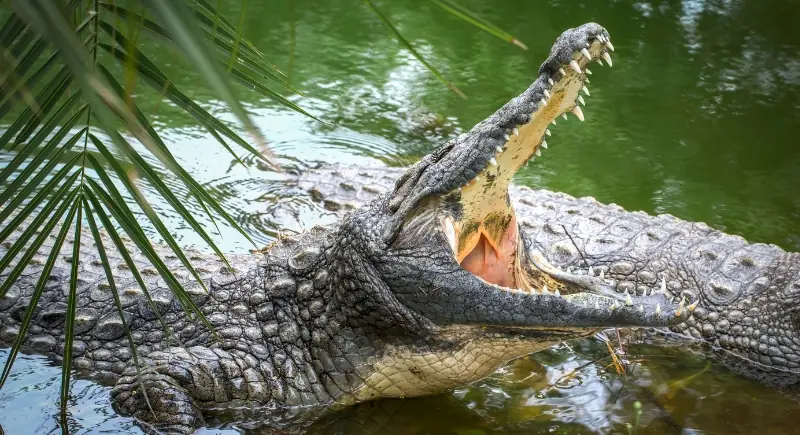
In parts of sub-Saharan Africa, this crocodile is feared for good reason. It doesn’t hesitate to drag prey—including humans—into the water with one brutal snap. Its bite force measures over 3,000 pounds per square inch. Once locked in, it performs a spinning roll to rip prey apart.
Fire Ant
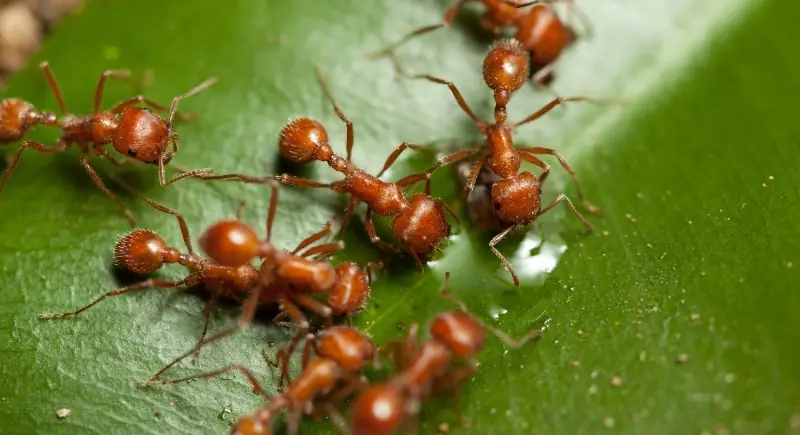
Just standing near a mound is enough to trigger an all-out attack. Fire ants bite and then sting in a circle formation, injecting venom that burns intensely. For some people, the reaction turns serious, even life-threatening. They’ll also fight other ants with unrelenting fury, invading colonies and overthrowing queens.
Hippopotamus
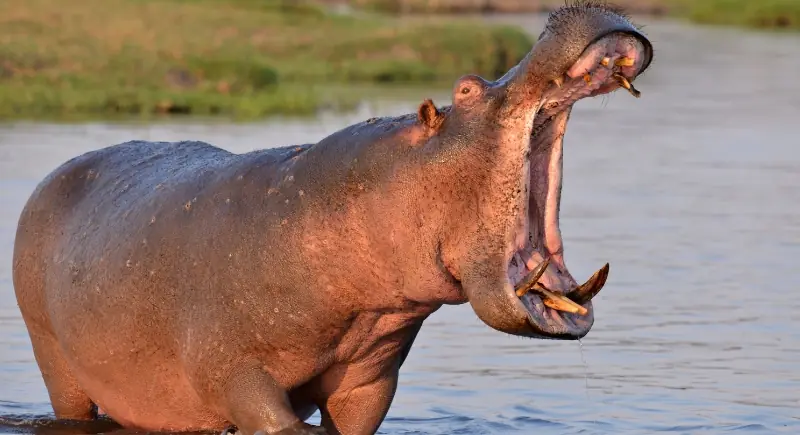
Nobody expects a hippo to sprint—but they can, and do. Despite their couch-shaped bodies, hippos are fast, territorial, and quick to take offense. More people in Africa are killed by hippos than by lions. Hippos have even flipped boats and harmed passengers. And yes, they can hold grudges.
Black Mamba
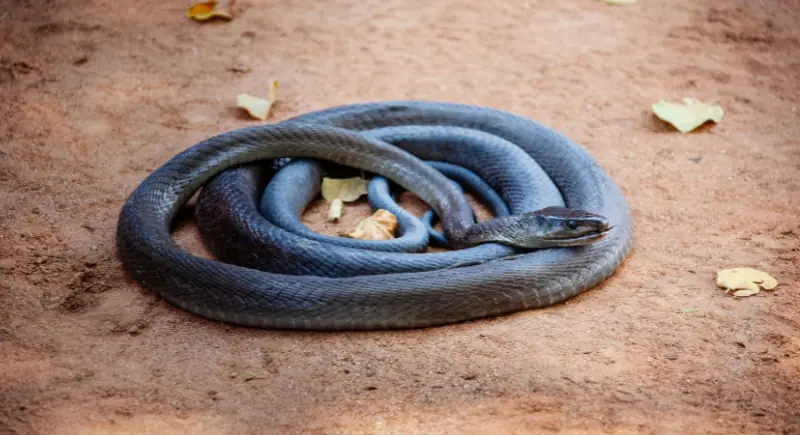
The black mamba is one of the world’s most feared venomous snakes. When threatened, it will rear up, spread a narrow hood, and deliver multiple rapid bites. Its venom is fast-acting and often fatal without treatment. With top speeds of 12 miles per hour, it’s also incredibly hard to outrun.
Wild Boar
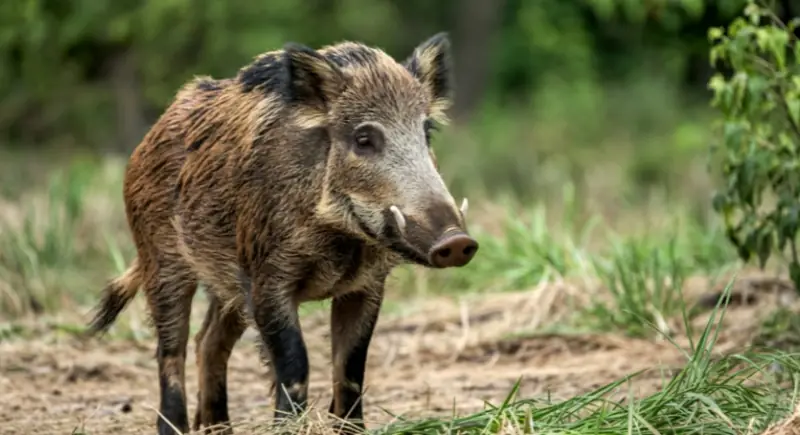
The wild boar is a powerful and highly defensive animal rather than an outright attacker. They are muscular, fast, and equipped with sharp tusks that can cause serious injuries when they feel threatened. In rural and forested regions, encounters usually happen when humans accidentally cross their path or disturb their territory.
Assassin Bug
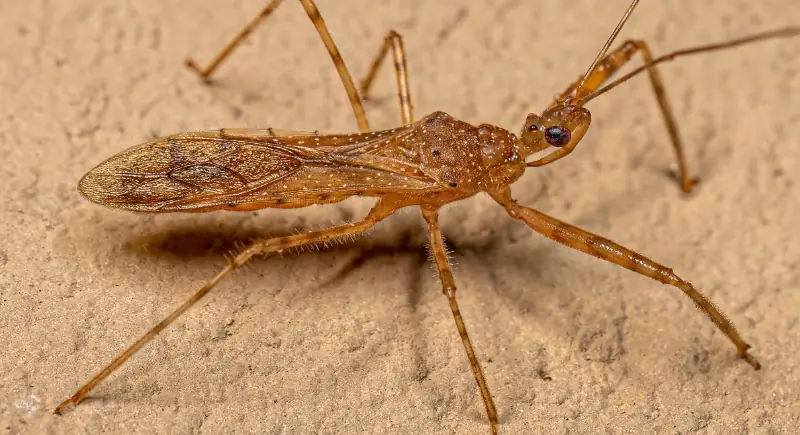
The assassin bug earns its name from its hunting technique. These insects prey on other bugs by stabbing them with a sharp, needle-like proboscis and injecting enzymes that liquefy their insides. Some species, particularly those known as kissing bugs, can transmit Chagas disease through their feces.
Chimpanzee
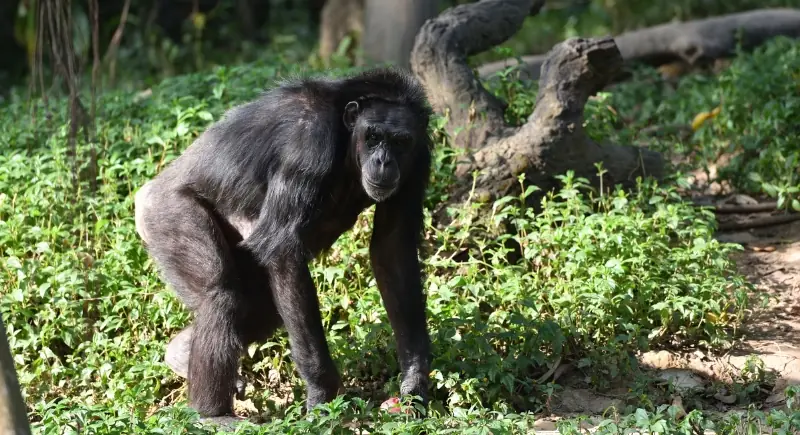
Chimps have been known to rip off human fingers and ears, and in the wild, they organize raids against rival groups. They’ve even been witnessed using tools for hunting. They’re smart enough to target vulnerable spots and strong enough to do damage once they get there.
Bull Shark
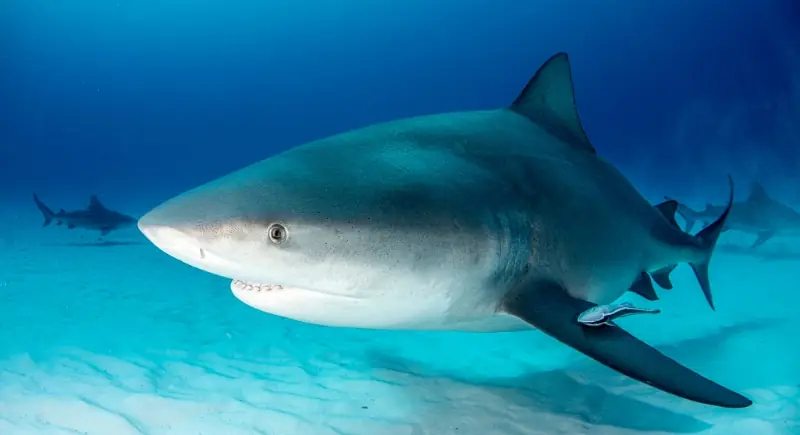
Bull sharks are among the most dangerous shark species due to their unique ability to survive in both saltwater and freshwater. They are commonly found in rivers, estuaries, and coastal areas where humans swim, which increases the likelihood of encounters. Their build and bite make them responsible for a significant number of shark encounters worldwide.
Elephant
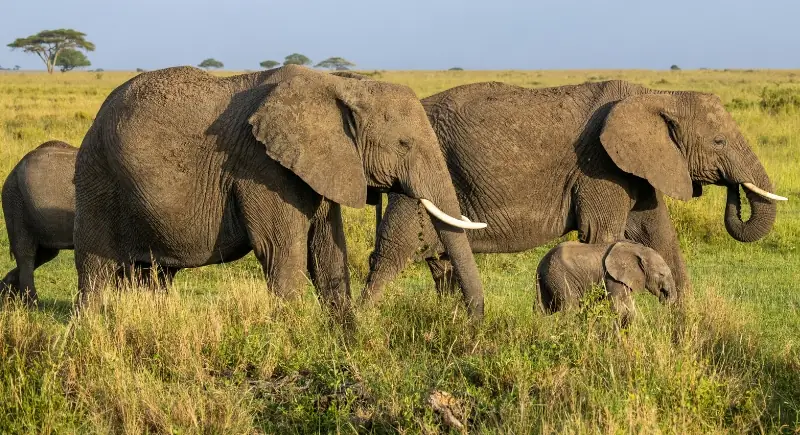
Yes, elephants are social and intelligent, but they can become aggressive during musth—a period when testosterone levels skyrocket. Most confrontations begin when individuals feel their personal space is threatened. Their size alone is enough to cause destruction, but combine that with a short temper, and you have a force that’s nearly unstoppable.
Honey Badger
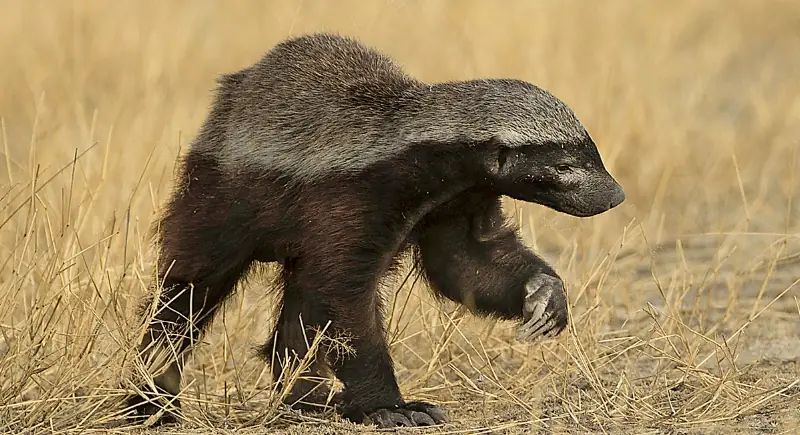
The honey badger has earned its fearsome reputation due to its toughness. It is known for confronting predators when threatened and for its ability to survive encounters that would injure most animals. Their thick, loose skin allows them to twist and escape bites, and their strong jaws help them defend themselves effectively.





