
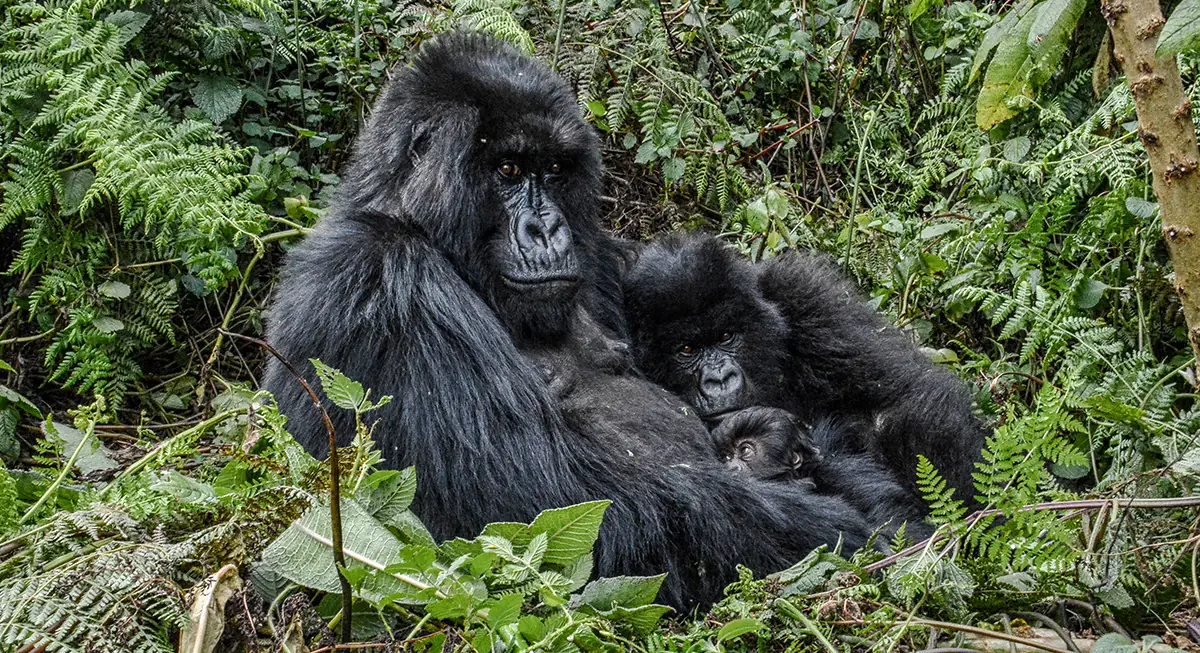
Mountain gorillas might look like muscle-bound jungle kings, but they’ve got layers (and lots of them). Behind those broad shoulders and serious stares are creatures full of quirks, social smarts, and habits that might surprise you. So get ready because you might just rethink everything you thought you knew about the most majestic vegetarians in the wild.
They Share 98% of Human DNA
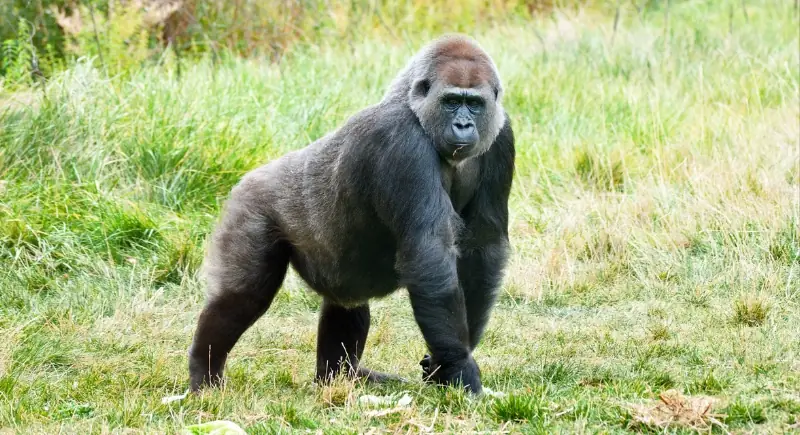
Mountain gorillas are genetic cousins and share nearly all of our DNA. That’s why they sneeze, get emotional, and sometimes throw tantrums—just like people. Watching them interact feels eerily familiar because, on a molecular level, they’re practically family. If they had Wi-Fi, they’d probably be texting in group chats, too.
They Build New Beds Every Night
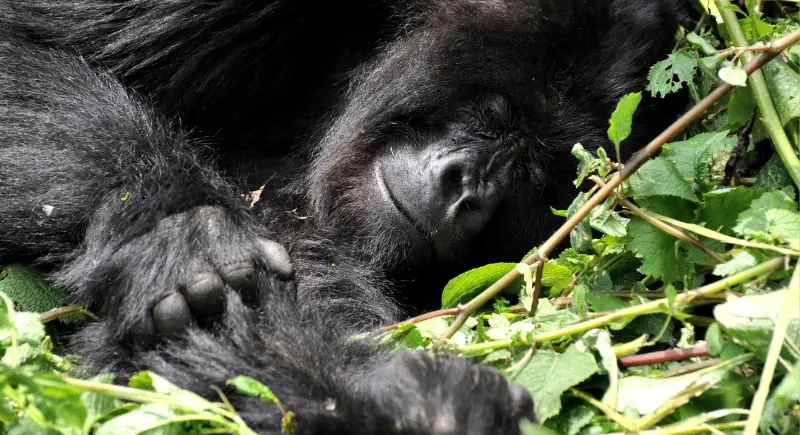
Each evening, the gorillas gather leaves and branches to create fresh sleeping nests. They don’t reuse yesterday’s setup—they start from scratch. This nightly ritual helps reduce parasites and keeps their sleeping arrangements bug-free.
Only Around 1,000 Exist in the Wild
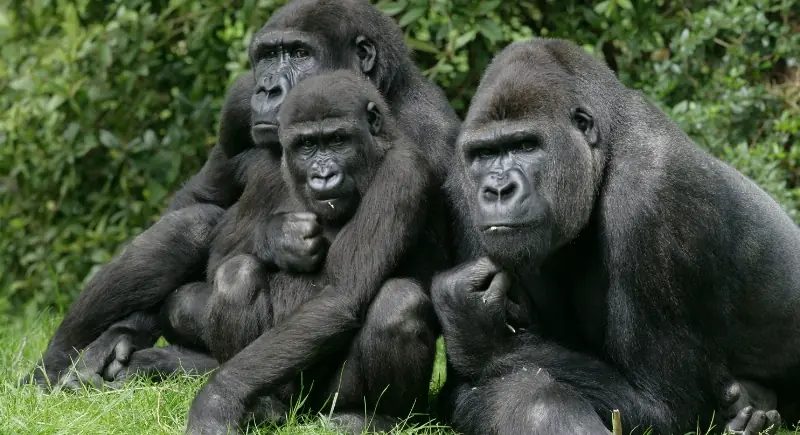
Mountain gorillas are on the edge of extinction. With just over 1,000 left in Uganda, Rwanda, and the Congo, every birth is a major conservation victory. That number once dipped below 300, but decades of effort helped turn things around. They’re still rare—but not yet gone, thanks to humans caring enough.
They’re Strictly Vegetarian
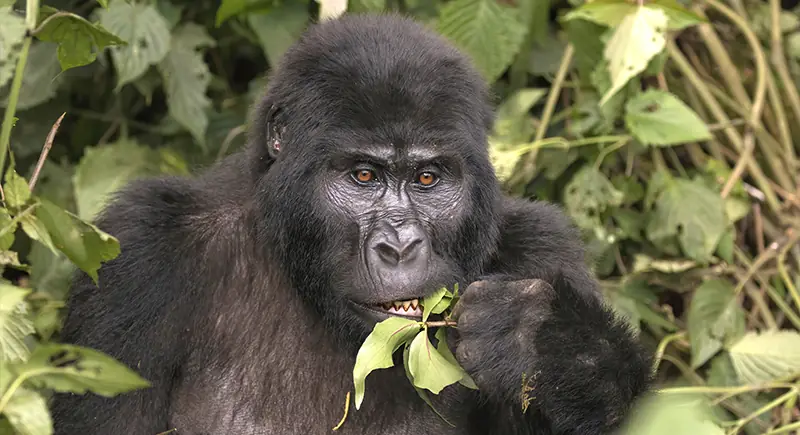
Despite their massive build, mountain gorillas skip the meat. Their daily diet includes over 100 types of plants, mainly leaves, stems, and shoots. Occasionally, they munch on insects, but meat’s off the menu. Turns out that bulking up doesn’t require steak—just a whole lot of fiber and foliage.
They Live in Family Troops
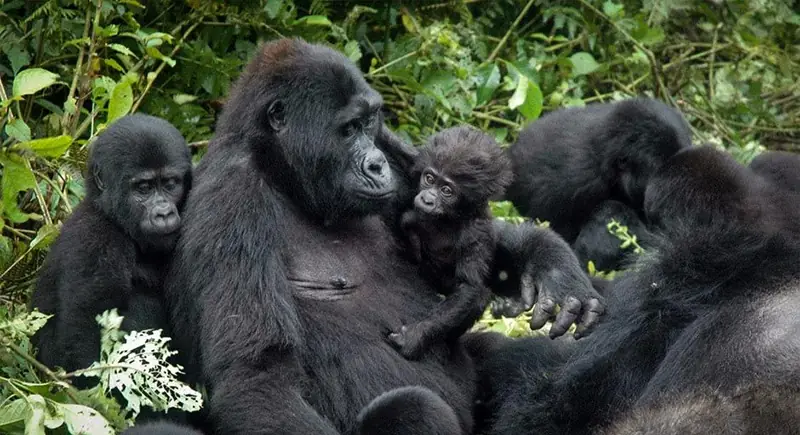
Gorilla life centers around family. Troops usually include one silverback, several females, and their kids. The silverback handles protection and decision-making—basically, dad, boss, and bodyguard rolled into one. These groups are tight-knit, affectionate, and surprisingly peaceful. There’s even babysitting involved, which makes them sound a lot like suburban parents.
Silverbacks Aren’t Always Aggressive
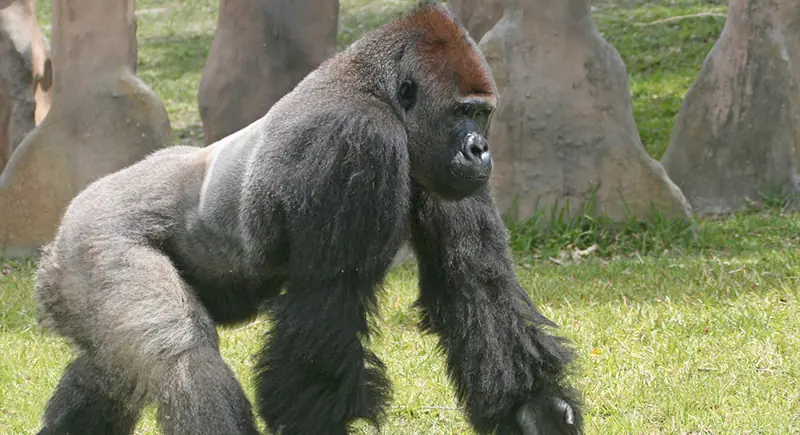
That iconic chest-beating? It’s mostly for show. Silverbacks rarely fight unless truly provoked. The sound warns others to back off without escalating to violence. It’s bluffing at its finest—loud, dramatic, and often enough to avoid conflict entirely. For such powerful creatures, they’re pretty chill unless you cross the line.
They Rarely Drink Water
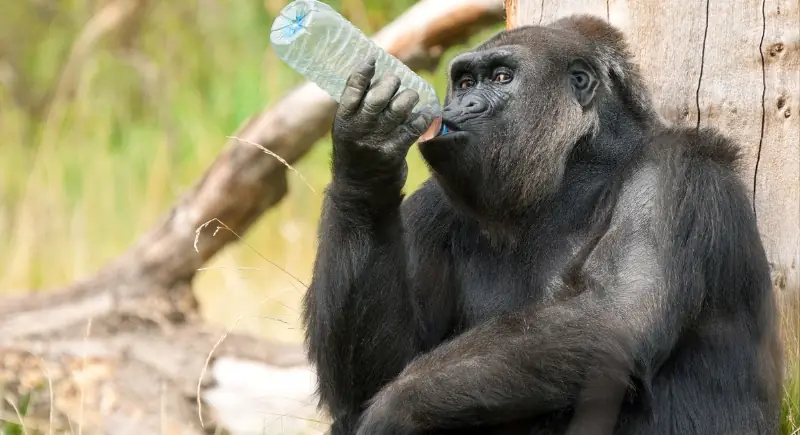
Mountain gorillas don’t belly up to watering holes like many animals. Instead, they get hydration straight from their leafy meals. The plants they eat provide enough moisture to keep them going. It’s another reason why their diet keeps things green in every sense.
They Can Catch Human Illnesses
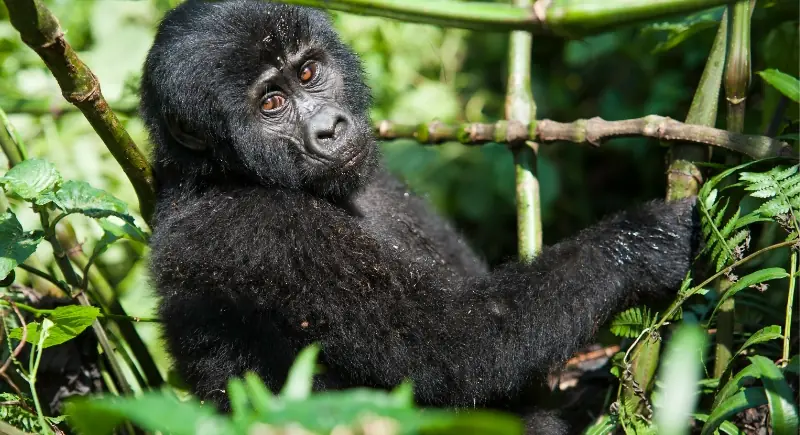
Our similarities come with risks. Mountain gorillas are vulnerable to human diseases like the flu or COVID-19. That’s why conservationists wear masks and keep their distance. One cough from a tourist can become a serious health threat. Protecting them means treating them like fragile neighbors—not photo ops.
They Communicate With Over 20 Sounds
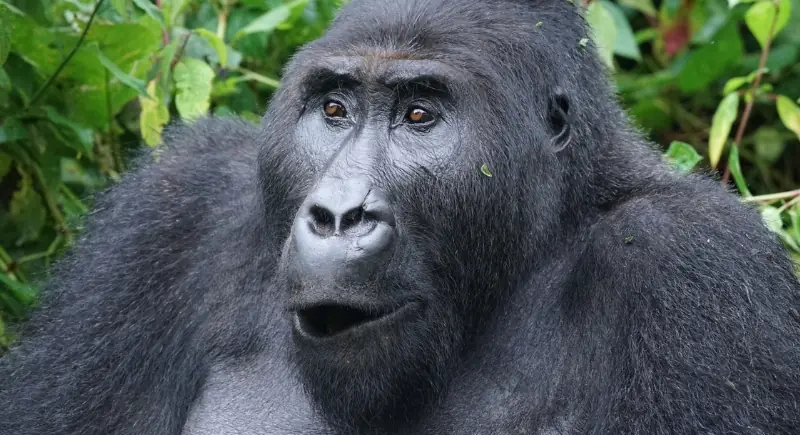
Grunts, barks, hoots, roars—gorillas have a surprisingly sophisticated soundboard. These calls convey everything from “stay close” to “danger ahead.” It’s a language all on their own. Add in body language, and they’re practically multilingual.
Infants Stay With Their Moms for Years
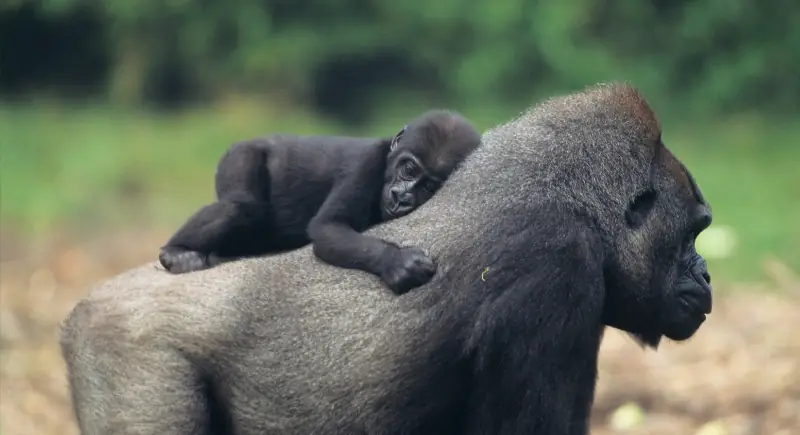
Baby gorillas are clingy—and for good reason. They rely on their mothers for everything during their first few years. Even after they stop nursing, they stick close until they’re ready to branch out. It’s a slow, gentle upbringing with loads of cuddles, learning, and patient maternal supervision.
They Don’t Survive in Captivity
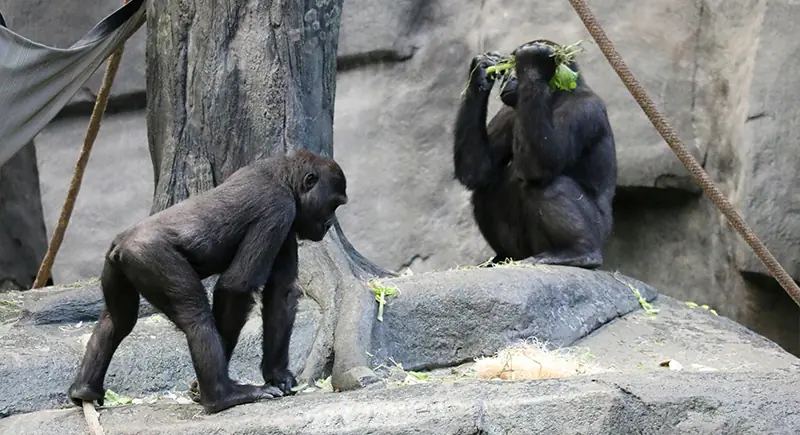
Unlike lowland gorillas, mountain gorillas have never thrived in zoos. Every attempt to keep them in captivity has failed, often fatally. Their survival depends entirely on wild habitats and protected reserves. If they vanish from the mountains, they vanish forever—there’s no second chance in a glass enclosure.
They Use Tools in the Wild
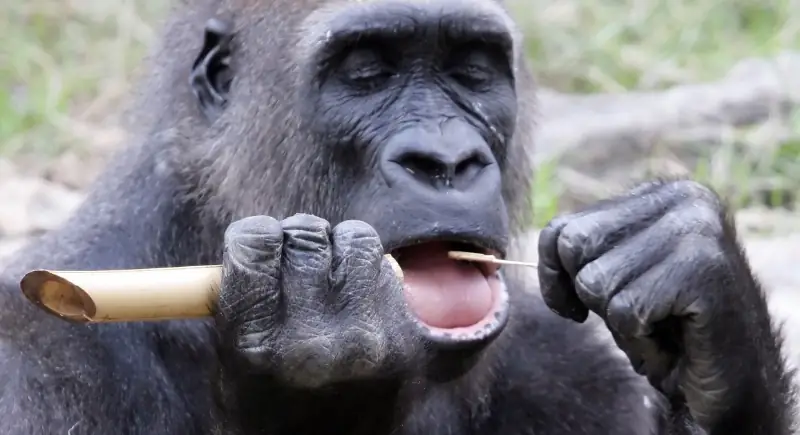
Tool use isn’t exclusive to chimps. Some mountain gorillas have been spotted using sticks to test water depth or as walking aids. These rare but real moments show off their smarts and prove that they problem-solve when needed.
Each Nose Print Is Unique
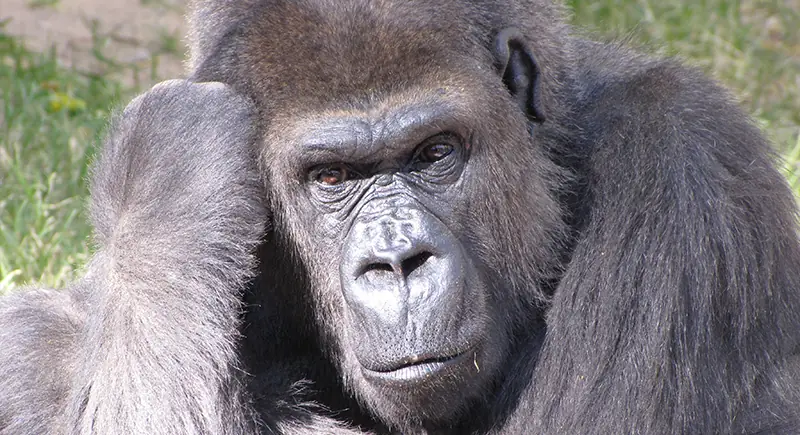
Forget fingerprints—gorillas are ID’d by their nostrils. Researchers use high-res photos of nose patterns to track individuals. Each one has a slightly different shape, texture, and wrinkle pattern. It’s the gorilla equivalent of a passport photo, except it was taken by binoculars in the middle of the forest.
They Yawn When They’re Stressed
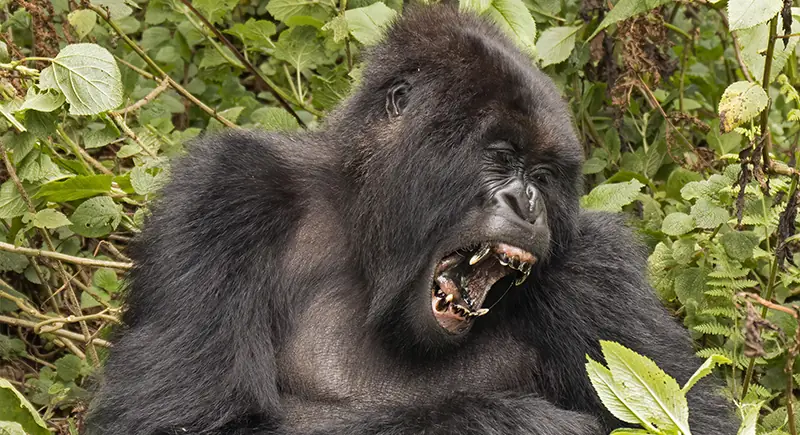
We yawn when we’re tired. Gorillas yawn when they’re anxious or tense. It’s a calming reflex that helps regulate breathing and release tension. Seeing a big silverback yawn during a stare-down means they’re trying to de-escalate without resorting to fists or fangs.
Their Arms Are Longer Than Their Legs
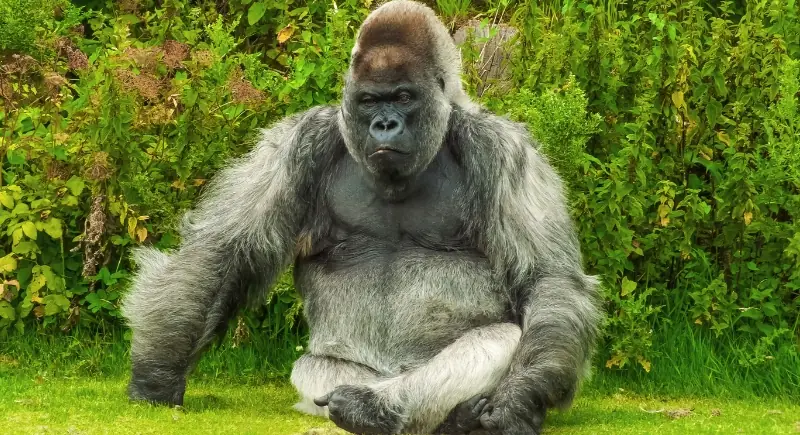
Gorillas have arms built for business. Being longer than their legs, they allow efficient knuckle-walking and powerful swings through thick brush. It gives them serious upper body strength and mobility in steep terrain.
High-Altitude High Society
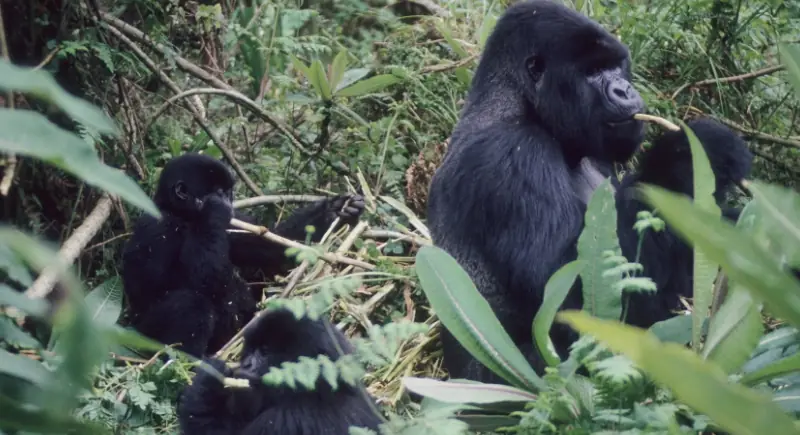
Mountain gorillas live where the air is thin, and the views are wild. Their home sits high in the forests of central Africa, often above 8,000 feet, where cool temperatures and thick vegetation shape daily life. These groups stick close, move together, and build tight social bonds that feel more neighborhood than wilderness.
Competitive Grooming
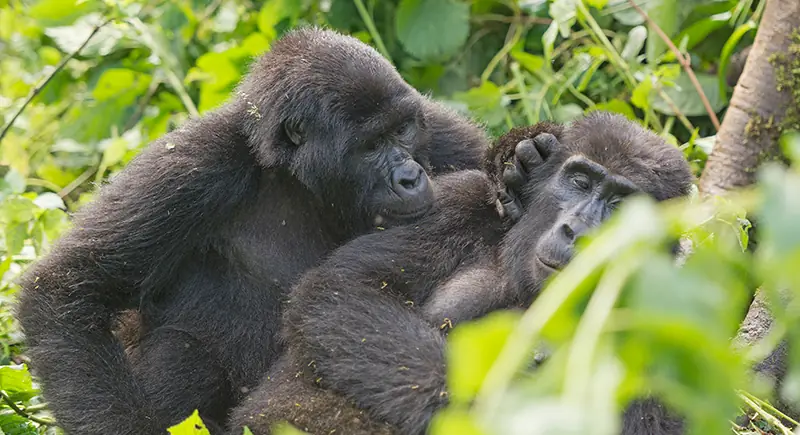
Grooming is not just about staying clean. It works like social glue. Group members pick through each other’s fur, removing debris while also strengthening trust. Younger gorillas often crowd in, eager for attention, and higher-ranking individuals are most often groomed. It is part hygiene routine, part friendship maintenance.





