
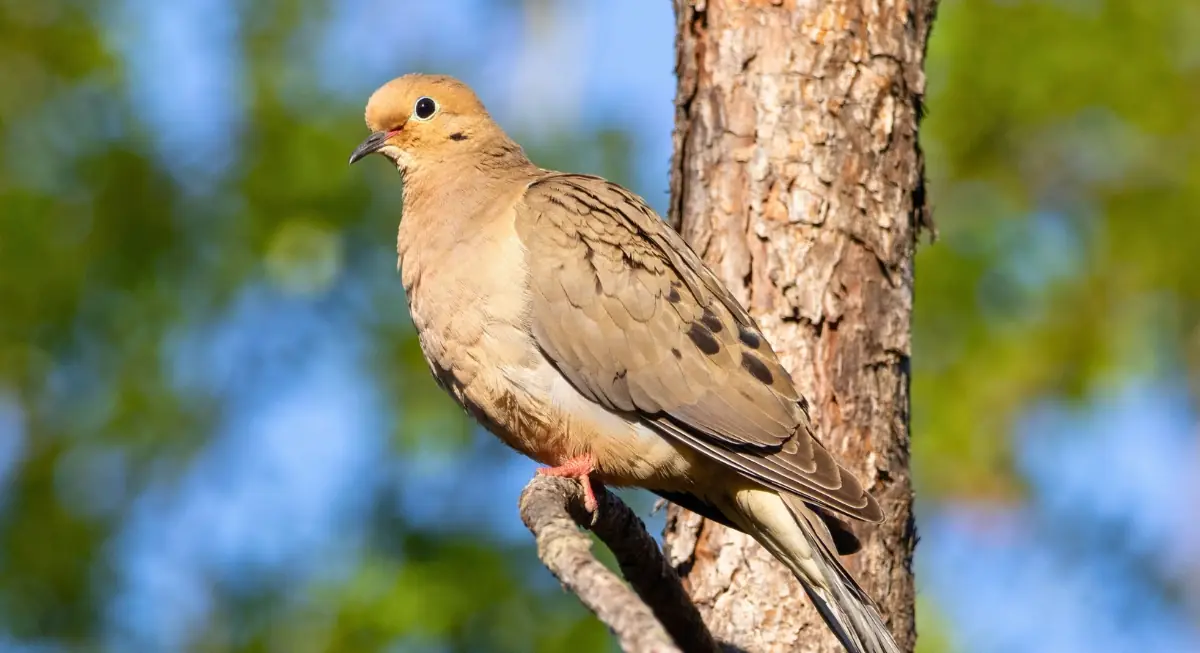
Mourning doves don’t need flashy colors or songs to stand out. Their gentle cooing, soft plumage, and peaceful vibe make them some of the most recognizable birds across North America. But behind that calm exterior is a surprisingly fascinating little creature with habits that are anything but boring. Let’s learn some interesting facts about the mourning bird.
They Can Fly at 55 Miles Per Hour
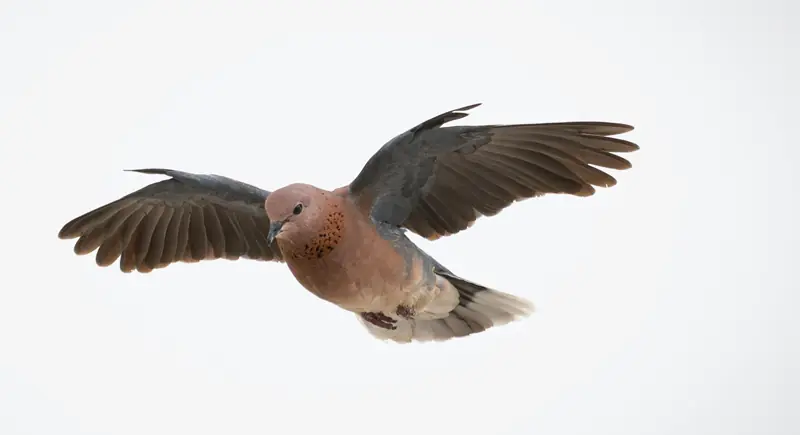
Don’t let their soft look fool you—mourning doves are built for speed. Their tapered wings and streamlined bodies let them zip through the air at speeds reaching 55 mph. That’s faster than most songbirds, and it helps them escape predators with a burst that sounds like flapping wind and panic.
They Mate for Life
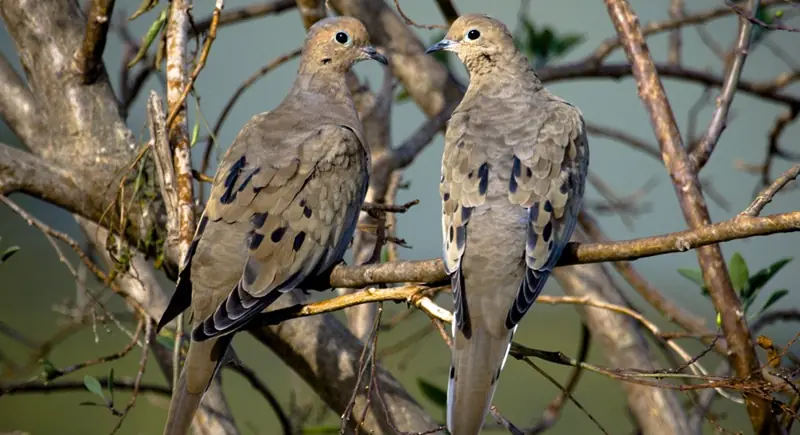
Once paired, mourning doves rarely stray. These birds pick a partner and stick with them through season after season. The bond goes beyond nesting—they preen each other, share food, and take turns incubating eggs. It’s a gentle, loyal kind of love that quietly lasts longer than most marriages.
They Produce “Pigeon Milk”
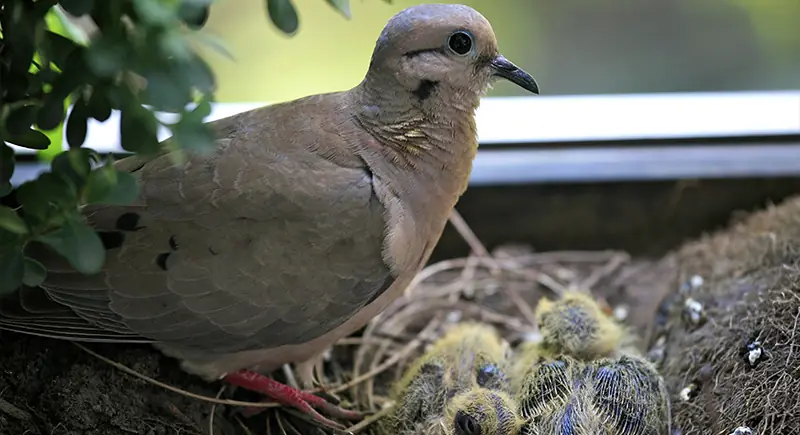
It’s not actually milk, but it’s close. Mourning doves, like all pigeons, feed their chicks a substance called crop milk. Both parents produce it, and it’s packed with fat and protein. This gooey food helps squabs grow fast, even before they can handle seeds or grains on their own.
Their Nesting Skills Are… Not Great
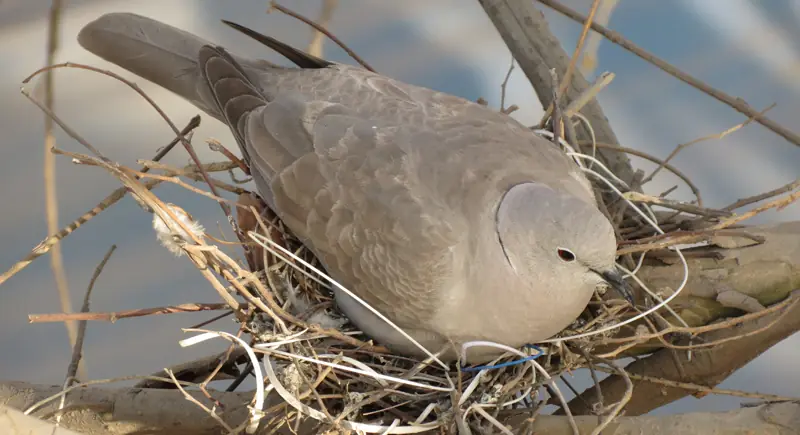
If you’ve ever spotted a lopsided pile of twigs on a ledge, you’ve likely found a mourning dove nest. They build quickly, use minimal material, and often nest in the weirdest spots—like flower pots or satellite dishes. The parenting instincts are strong, but the architecture is another story entirely.
They Can Lay Eggs Five Times a Year
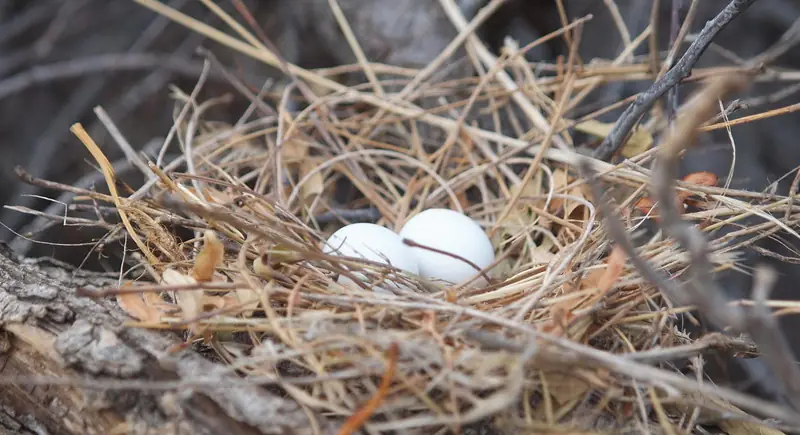
While many birds raise one brood annually, mourning doves can have up to five. Their short incubation period and fast-growing chicks let them squeeze multiple nesting cycles into a single season. It’s nature’s way of keeping their numbers high—even when predators and bad weather cut their chances short.
Their Wings Whistle When They Take Off
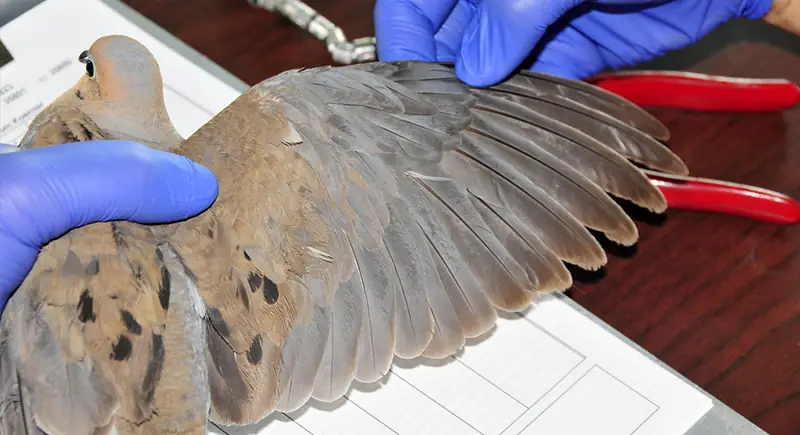
That loud fluttering sound when a mourning dove bolts is intentional. The whistling comes from their wing feathers, and it’s believed to act as an alarm signal. That way, if one bird is startled, others in the flock get the heads-up—and predators know they’ve been spotted and lost the element of surprise.
They Can Store Food in Their Throat
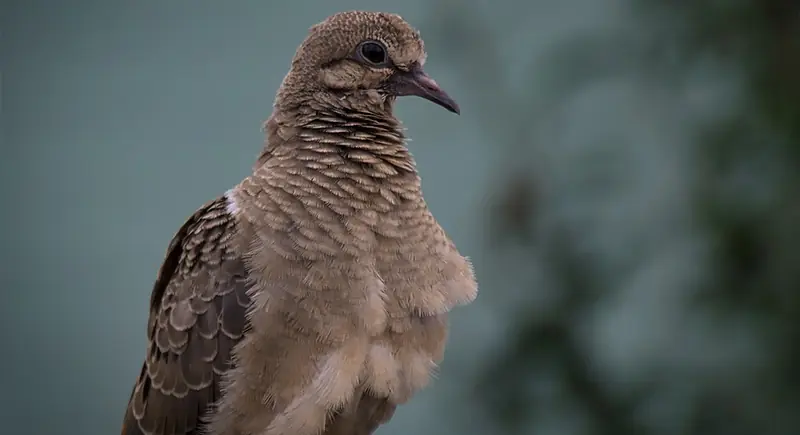
Mourning doves don’t always eat on the spot. Instead, they gulp seeds quickly, then store them in their esophagus (called the crop) to digest later, safely out of view. It’s like packing a to-go container in their throats—perfect for birds that prefer not to linger in wide-open spaces.
They Prefer Ground Feeding
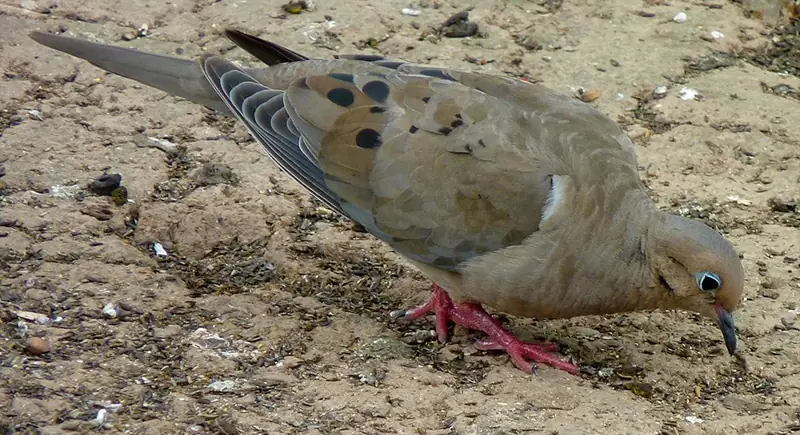
You won’t often catch a mourning dove picking at feeders like finches or cardinals. They prefer to peck at the ground to gather seeds dropped by messier birds. It’s a practical, low-drama approach that keeps them out of fights and closer to cover—plus, they’re surprisingly tidy about it.
Their Feathers Act Like Insulation
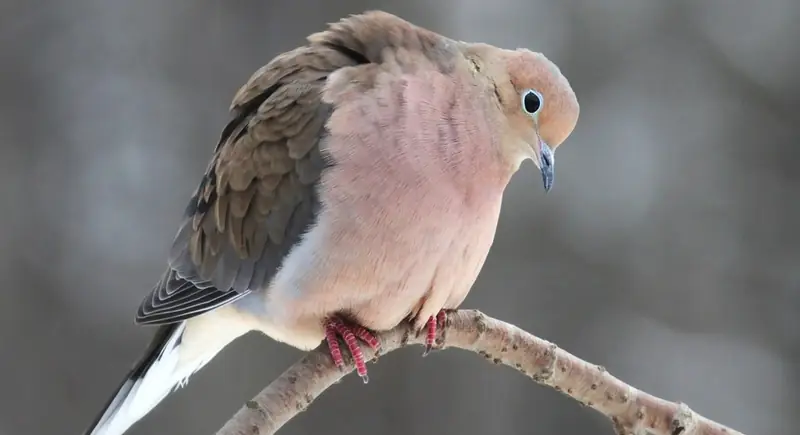
Mourning doves are equipped with layers of soft feathers that keep them warm in winter and cool in summer. These feathers trap air close to the body and create an insulating barrier that regulates temperature without much effort. Nature’s built-in thermostat is pretty effective.
They Have Excellent Vision
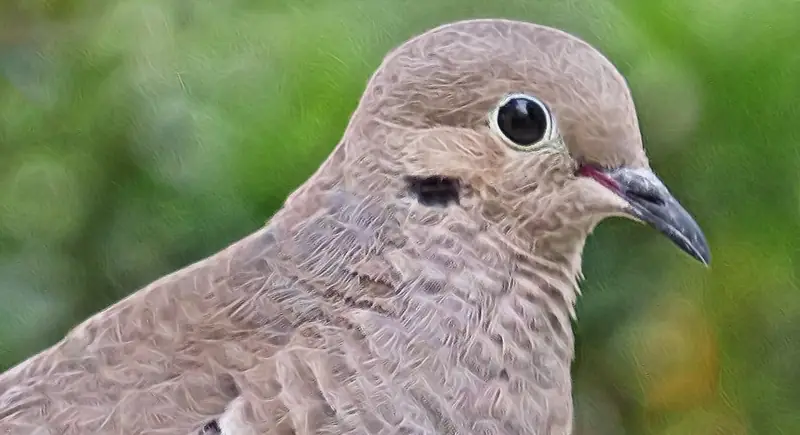
Their big, dark eyes aren’t just for show. Mourning doves have incredibly sharp eyesight, capable of spotting tiny movements and detecting food from a distance. This helps them avoid predators and locate safe foraging areas. Even in low light, those gentle eyes are always scanning for safety and snacks.
They Sleep in Roosts Together
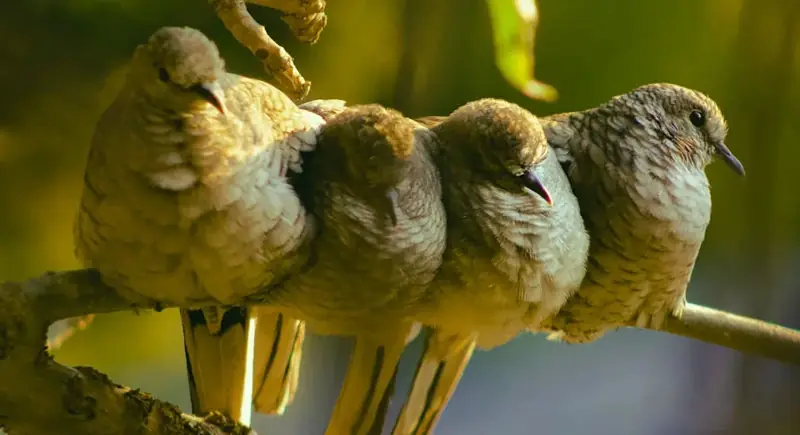
At night, mourning doves often gather in small flocks and sleep tucked into branches or ledges. These loose roosts offer safety in numbers, but they’re not crowded. Each bird keeps space around it, staying alert and ready to flutter off if something stirs nearby. It’s quiet company—not chaos.
Their Call Isn’t Actually Sad
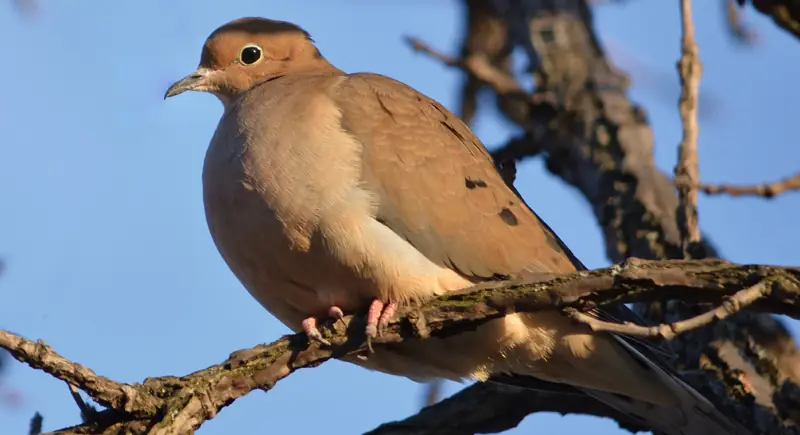
That soft, haunting coo often gets mistaken for sorrow, but it’s more about communication than melancholy. Males use it to court mates or claim territory. The sound is low, slow, and deliberate, helping it travel far through quiet neighborhoods or open fields. It’s calm, not mournful—despite the name.
They Raise Chicks in Pairs
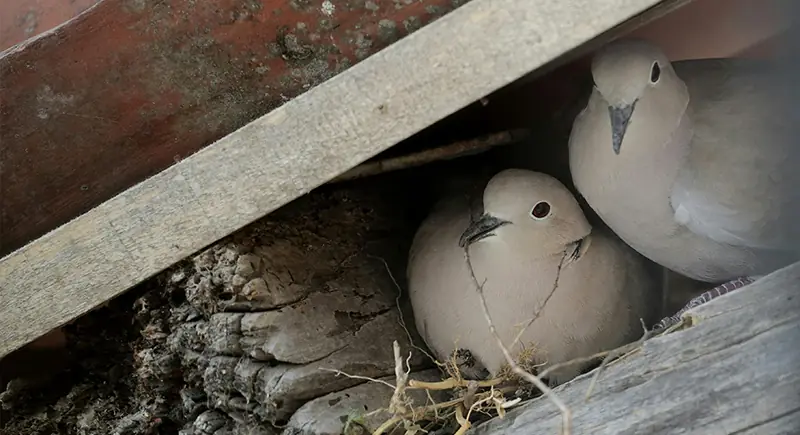
Both mom and dad take turns incubating the eggs and feeding the young. Females usually handle the overnight shift, while males sit during the day. Once hatched, the chicks get attention from both parents until they fledge. It’s a true tag-team effort—and oddly refreshing in the bird parenting world.
They Can Drink Without Tilting Their Heads
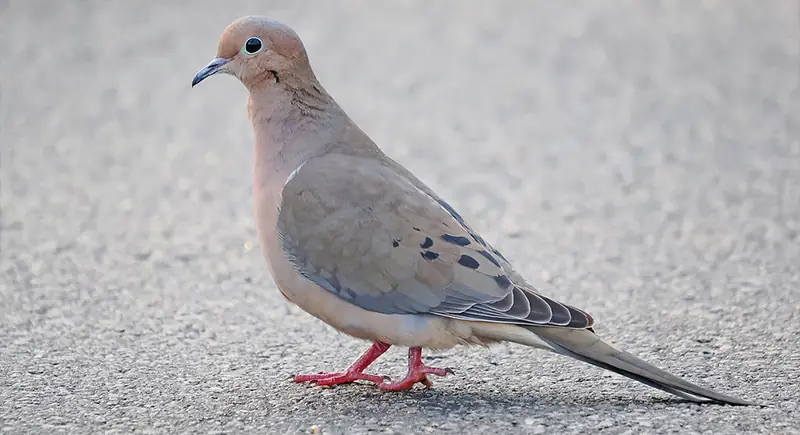
Most birds need to tip their heads back to swallow water. Mourning doves are one of the few that can suck it up like a straw. This lets them hydrate quickly—perfect for staying alert at exposed water sources where pausing too long could mean becoming someone else’s lunch.
They’ve Adapted Well to Urban Life
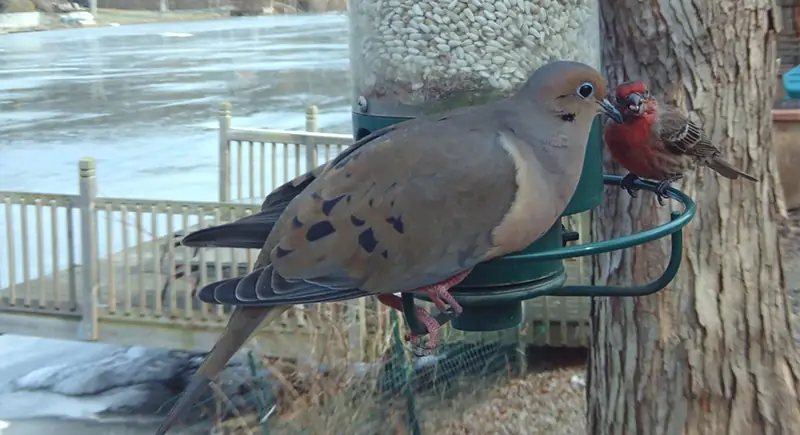
City sidewalks, power lines, and balconies have become regular hangouts for mourning doves. They’ve adapted their nesting and feeding habits to human environments without much fuss. As long as there are seeds and a quiet nook nearby, they’ll settle in. Their peaceful nature fits right in with suburbia’s morning soundtrack.
Tail Feather “Telescoping”
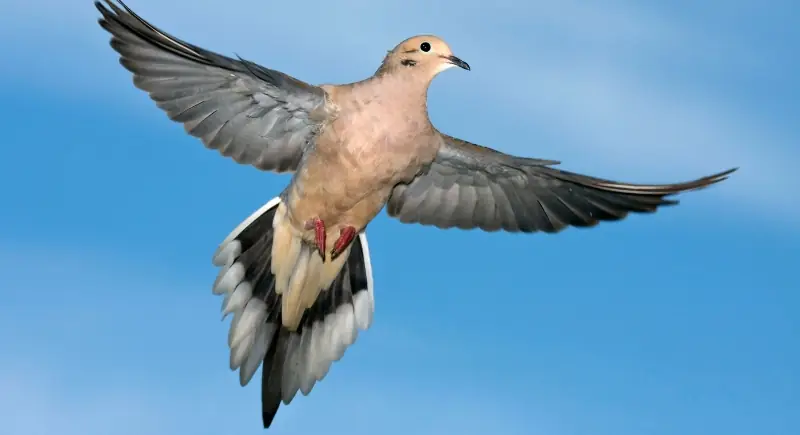
Mourning Dove tails do a neat trick midair. When taking off or landing, those long outer feathers spread and flex, almost as if they are sliding outward. That quick adjustment helps with balance and tight turns. It looks subtle, but it is part of why these birds handle sudden movement so smoothly.
The Rain Dance Reflex
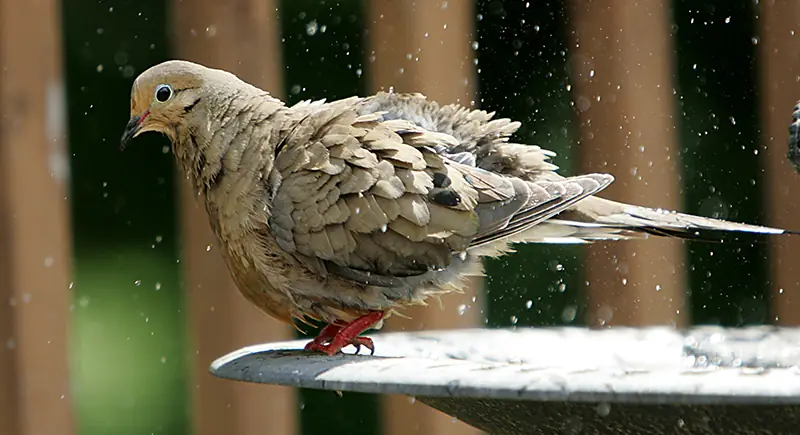
Light rain can flip a switch in a Mourning Dove. Instead of hiding, some fluff up, spread wings, and let droplets soak in. It doubles as a quick bath, loosening dirt and parasites. That little wiggle session keeps feathers in shape and ready for flight once the sky clears.





