

Sloths make modern life look exhausting. While the rest of the world rushes around, these tree-dwellers adhere to a simple routine that has been effective for millions of years. Behind their sleepy expressions is a survival strategy built on patience, efficiency, and very low stress. Here are a few facts that make their lifestyle oddly enviable.
Two Very Different Types

Sloths are split into two-toed and three-toed groups, and the difference goes far beyond claw count. Two-toed sloths are slightly larger and belong to a completely different family line than three-toed sloths. Even though they share the same rainforest neighborhoods, they evolved separately and ended up with different traits that still lead to similar laid-back lives in the trees.
Digestion Moves at Its Own Pace
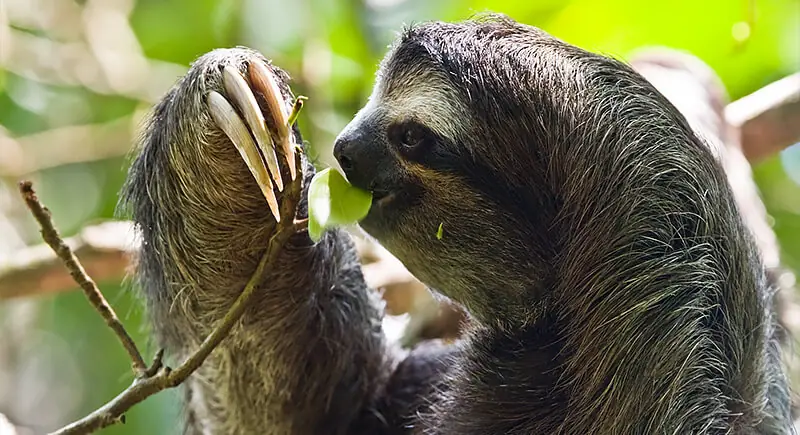
Eating for this animal is a once-in-a-while thing. Their multi-chambered stomach can hold up to 37% of their body weight at once, which allows them to process tough leaves slowly. Food can sit in the stomach for weeks.
Trees Handle Almost Everything
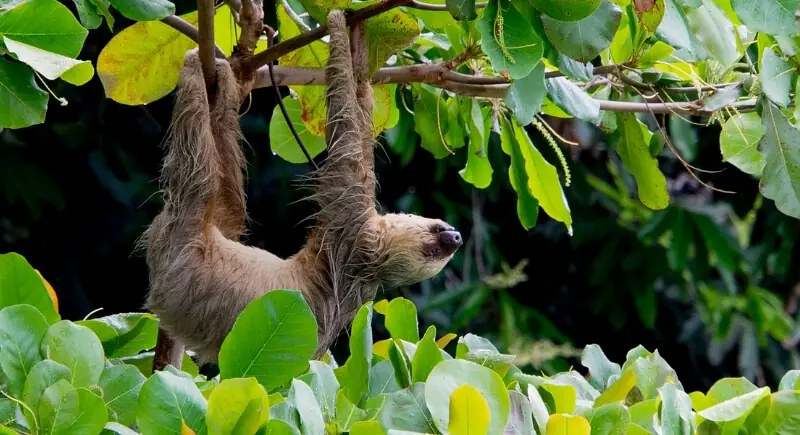
Life rarely requires touching the ground when branches cover all the essentials. Sloths sleep, eat, mate, and raise young while hanging upside down in the canopy. Their curved claws hook securely onto branches, which reduces muscle strain and allows for long periods of rest without effort. Trees provide safety, access to food, and stability all in one place.
Bathroom Day Is a Commitment
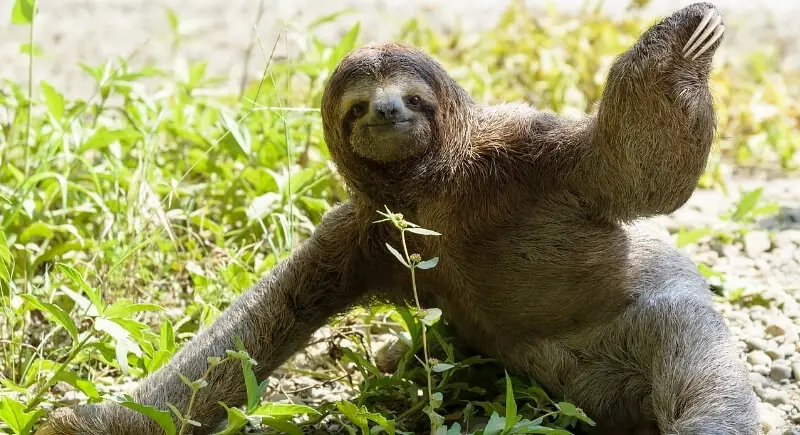
Once a week, a sloth makes its slow trip to the forest floor for bathroom business. During that single visit, up to 20% to 30% of body weight can be released at once. The ritual is risky because predators are nearby, but the consistency keeps their routine predictable and limits how often danger becomes part of the schedule.
Water Changes the Rules

Movement on land is awkward and painfully slow at about 4 meters per minute. Water tells a different story, since sloths can swim roughly three times faster than they crawl. Their strong forelimbs power a relaxed paddling motion that helps them cross rivers or reach new areas without the struggle they face on solid ground.
Slow Equals Smart
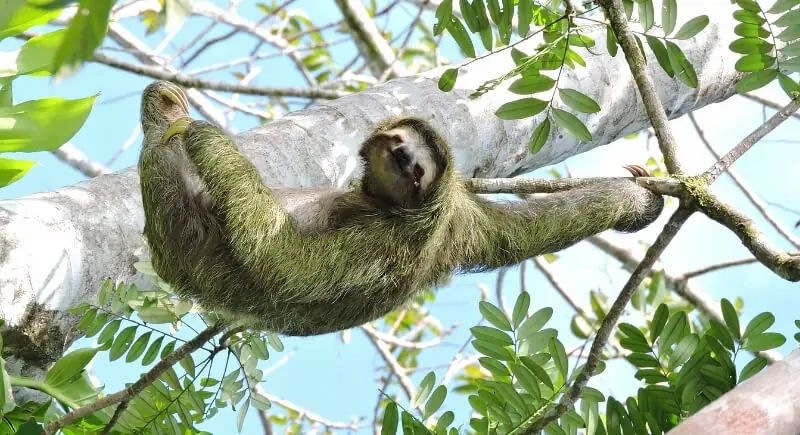
Many predators rely on movement to locate prey, but that’s not necessary for sloths. Their low-energy diet supports this behavior, as burning calories too quickly would lead to food problems.
Sleep Is Practical, Not Lazy
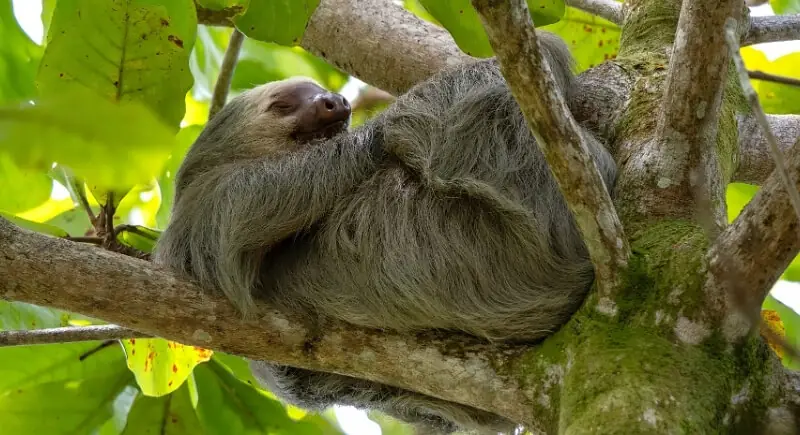
Sloths in the wild sleep around 8 to 10 hours per day, which is less than what’s often assumed. The remaining hours are spent feeding, adjusting position, or staying alert while remaining mostly motionless.
Ancestors Were Enormous
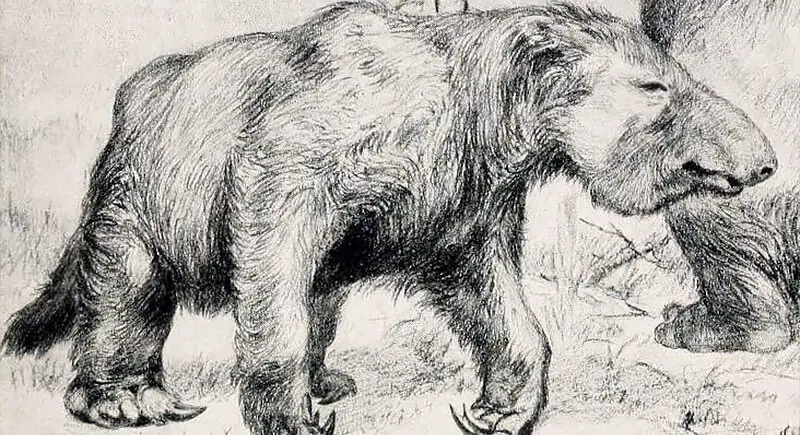
Modern sloths look calm and unassuming, but their ancestors were anything but small. Ancient ground sloths, such as Megatherium, reached heights of up to 6 meters and weighed several metric tons. Fossil evidence suggests these animals lived on land and relied on size and strength.
Fur Hosts Its Own World
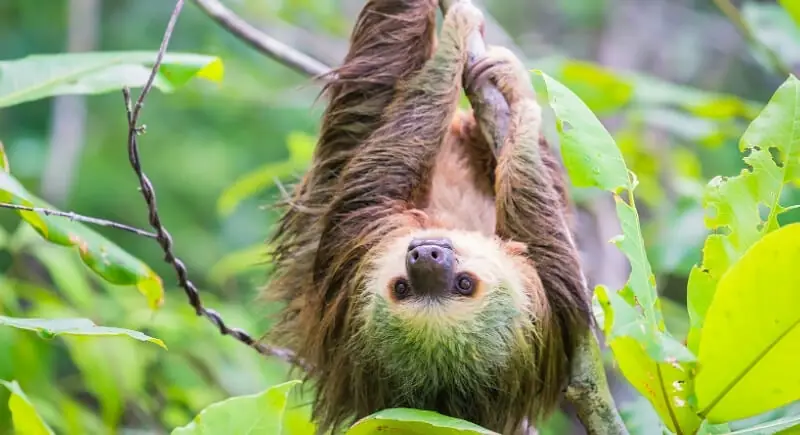
Their fur is structured with grooves that trap moisture, which creates a perfect environment for algae, insects, and microbes. This miniature ecosystem thrives while the sloth hangs above the forest floor. Each hair strand supports life.
Algae Pulls Double Duty
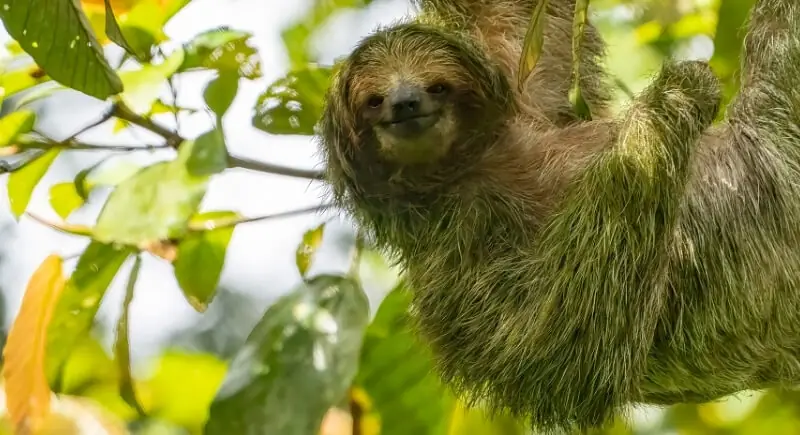
Green algae growing on the fur gives sloths a slight green tint that blends into the surrounding foliage. This natural coloring helps reduce visibility from above and below. The algae also provide trace nutrients, while benefiting from the moist environment that the sloth’s fur naturally maintains during rainy seasons.





