
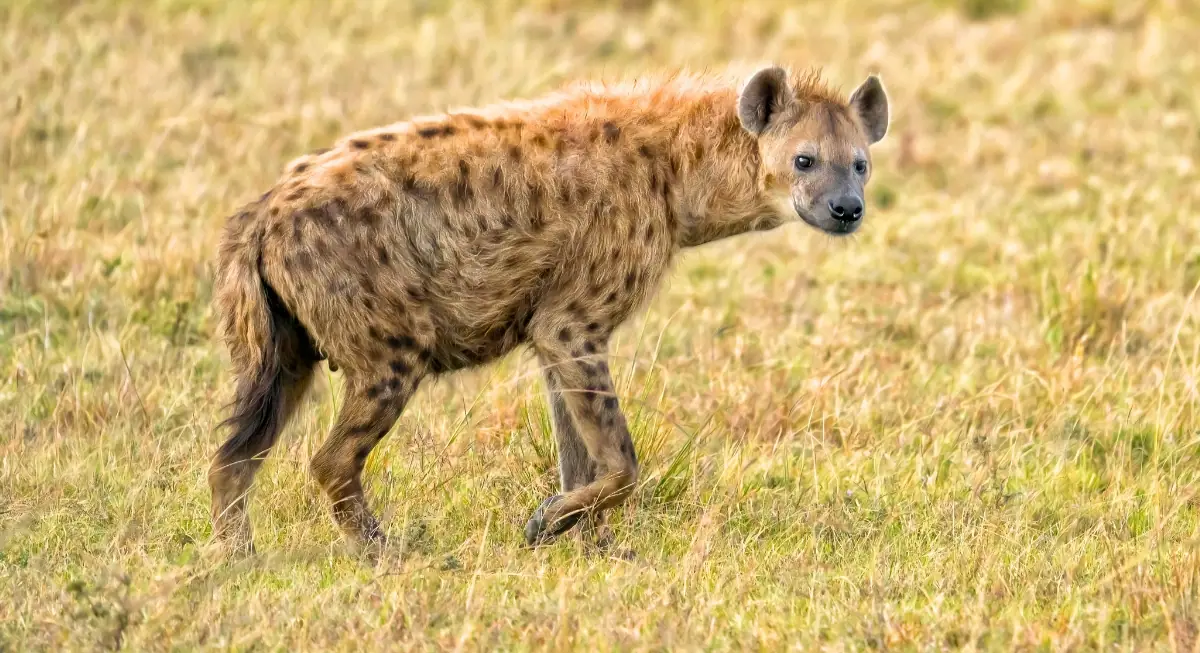
We tend to picture female animals as gentle or secondary to the males. Nature tells a different story. In many species, females are the hunters, the leaders, and sometimes the most ruthless ones in the group. Survival shapes their behavior in ways that can seem shocking from a human perspective. These ten animals prove that female power in the wild is complex, strategic, and far more intense than most people expect.
The Praying Mantis
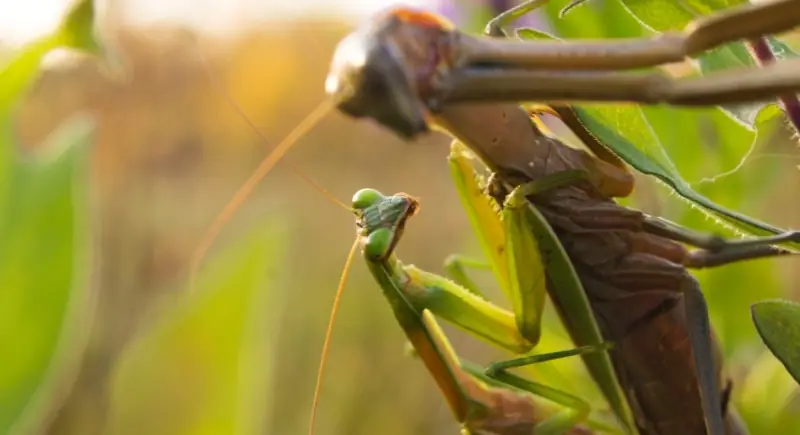
Losing your head mid-mating sounds catastrophic, but for male praying mantises, it’s a constant threat. Females who sometimes cannibalize their partners also tend to lay more viable eggs, since the male’s body supplies amino acids. A Proceedings of the Royal Society B study confirmed this nutritional consequence. In reality, the behavior is driven more by the female’s hunger than by any reproductive strategy.
Spotted Hyenas
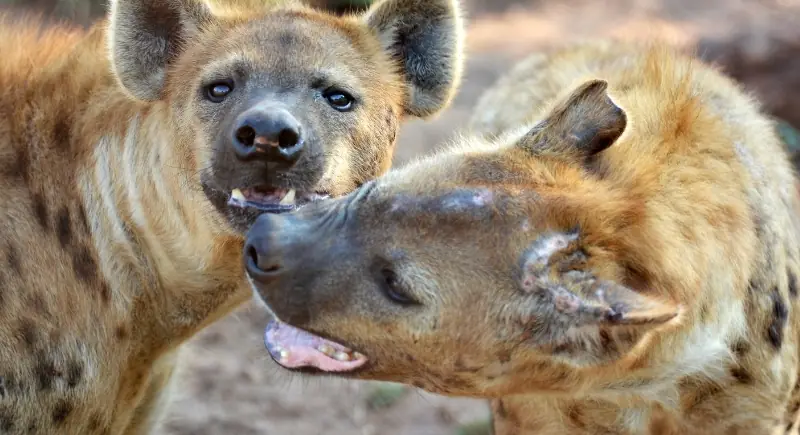
Female spotted hyenas have one of the most unusual reproductive systems in mammals. Their anatomy resembles that of males, and they even give birth through the same narrow passage. First births are especially risky and can be fatal for both mother and cub. Despite this, females dominate the clan. They are larger, more aggressive, and choose their mates.
Day Octopus
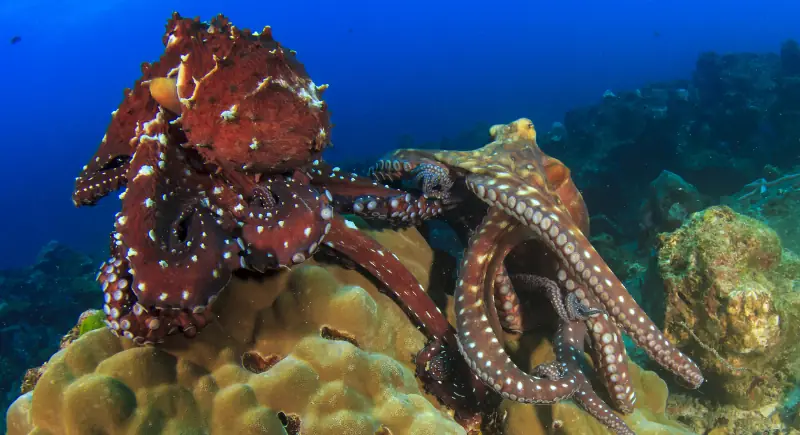
Researchers Christine Huffard and Mike Bartick observed a female day octopus in Indonesia mate for 15 minutes before wrapping three arms around her partner’s mantle to seal off his gills. He turned white, which is a distress signal, before she suffocated him while she held on, after which she dragged his body back to her den. The researchers classified this as deliberate predation, noting the strangulation was distinct from anything observed during mating.
Bonobos
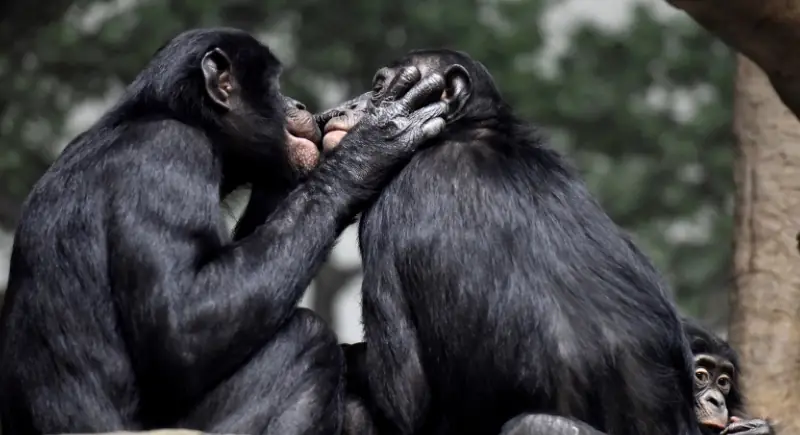
Bonobo society is female-led, and mating is central to maintaining that power. Females build coalitions through frequent genital contact, and those bonds are strong enough to overpower males who are physically larger on average. A 2025 study published in Communications Biology found that females target males in 85% of group confrontations. Other records show that most of the recorded serious injuries were inflicted by females on males.
Tarantula Hawk Wasps
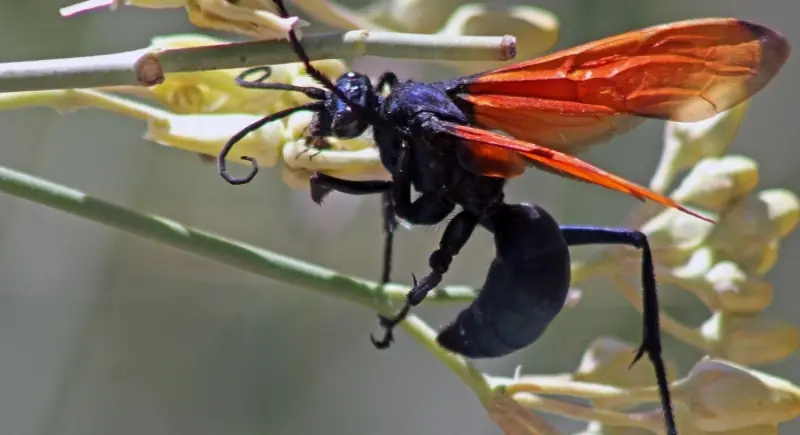
The Schmidt Pain Index, which rates the pain from some animals’ stings on a scale of zero to four, rates the female tarantula hawk wasp as a solid four. That rating means the insect boasts one of the most painful stings on record. She uses it to paralyze tarantulas eight times her weight, drags the spider into a burrow, lays one egg on its abdomen, and seals the entrance.
Australian Redback Spider
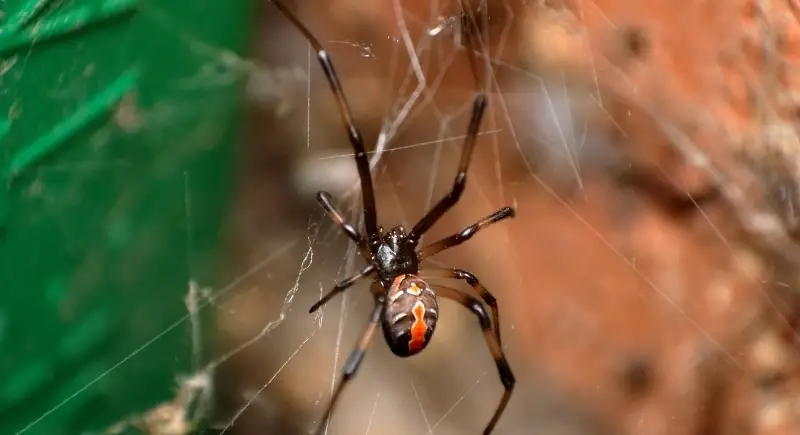
In a significant number of cases, female Australian redback spiders consume the male during the act. Interestingly, biologist Maydianne Andrade found that the males are often complicit. By somersaulting onto the female’s fangs mid-mating, a male extends copulation time and delivers more sperm than he typically would. Females that eat their first mate also tend to reject subsequent suitors, meaning the male’s death can secure his paternity.
Green Anacondas
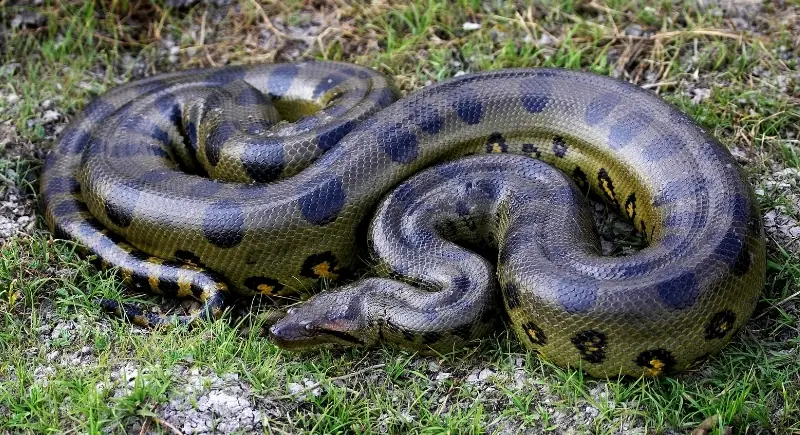
When a female green anaconda enters breeding season, she releases pheromones that draw several males, who coil around her body in a mass for up to four weeks. After mating, she may consume one of the smaller males before a seven-month pregnancy during which she eats nothing. This is rarely documented, and scientists speculate that it is an energy strategy, since producing offspring places a significant metabolic burden on females.
Blanket Octopus
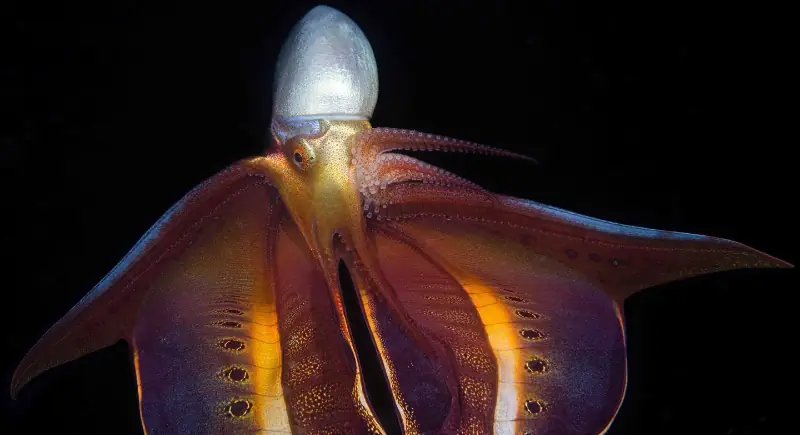
The female blanket octopus can grow up to 2 meters long, while the male is only about the size of a walnut, one of the most dramatic size differences between males and females in the animal kingdom. During reproduction, the male transfers a specialized arm carrying sperm to the female and dies soon after. Young blanket octopuses have also been seen tearing tentacles from Portuguese men-of-war and using them for defense.
Komodo Dragons
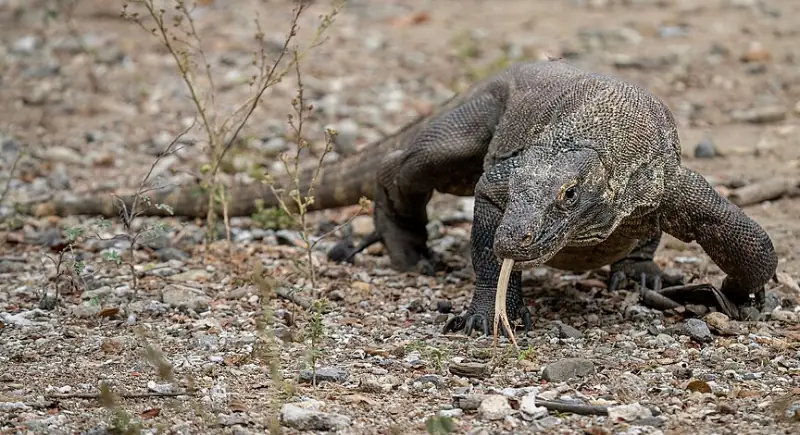
Komodo dragon females can reproduce without mating through a process called parthenogenesis. Chester Zoo confirmed this in a 2006 Nature study after staff found fertilized eggs in an enclosure housing only females. Every offspring produced this way is male, meaning a lone female on an isolated island could seed a breeding population, a capacity scientists attribute to the species’ island-limited range in Indonesia. Ideally, they still mate with males.





