
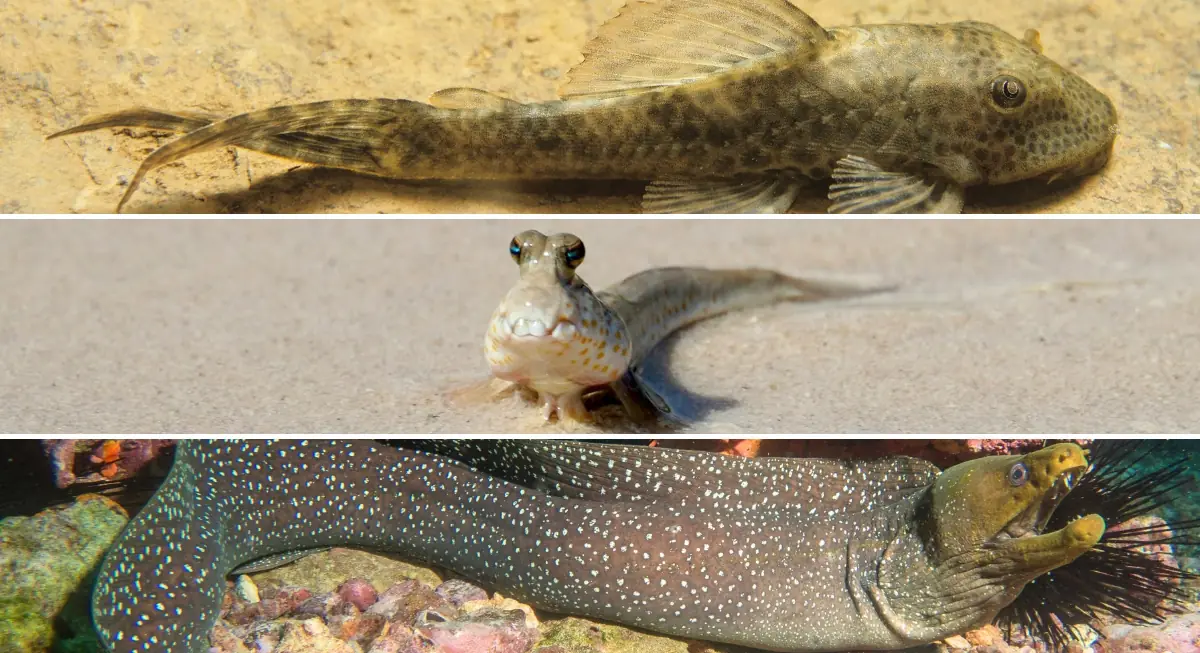
Fish are usually confined to water as their primary habitat, but a small group defies that rule in surprising ways. These species can remain on land for hours, days, or even years, thanks to specialized organs, unique skin, or behaviors that resemble those of amphibians. Some leave water because it dries up; others chase food; and a few simply need air, like everything else on land.
Plec
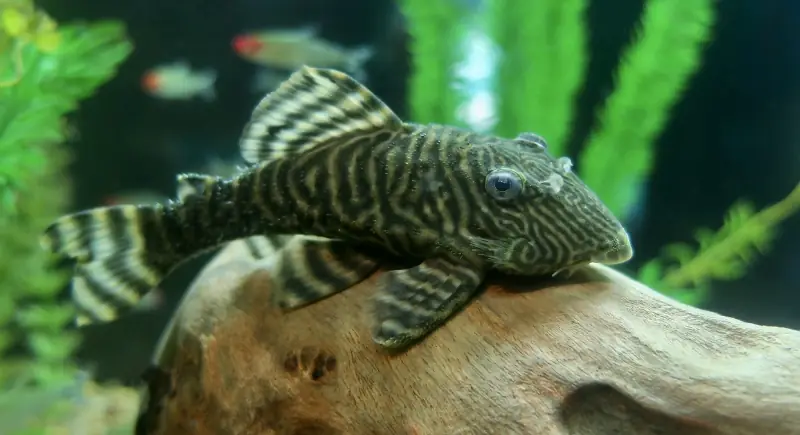
This armored-looking catfish is native to South America and thrives in freshwater and brackish rivers. When water levels drop, some of them can survive out of water for up to 20 hours. The plec gulps air into its digestive tract for respiration, buying it time to relocate to a better stretch of water.
Mangrove Rivulus
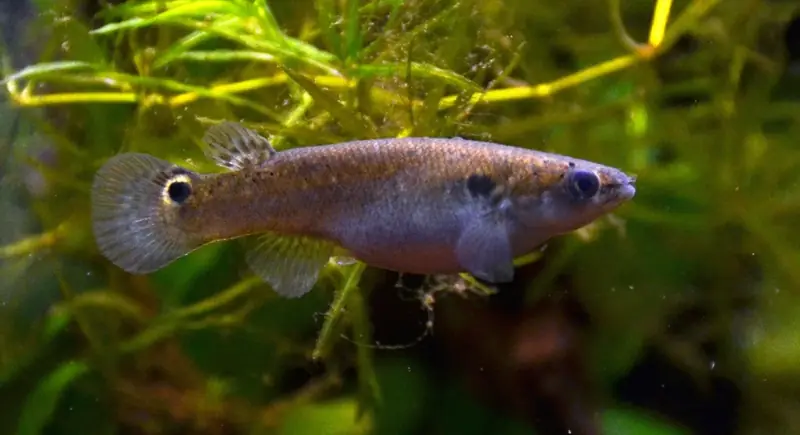
This small fish, found in mangrove swamps and shallow pools, treats land like a backup plan. It can survive out of water for as long as 66 days by absorbing oxygen through highly specialized skin and functioning gills. When conditions get hot or dry, it hides inside rotting logs where moisture keeps it alive.
Mudskipper
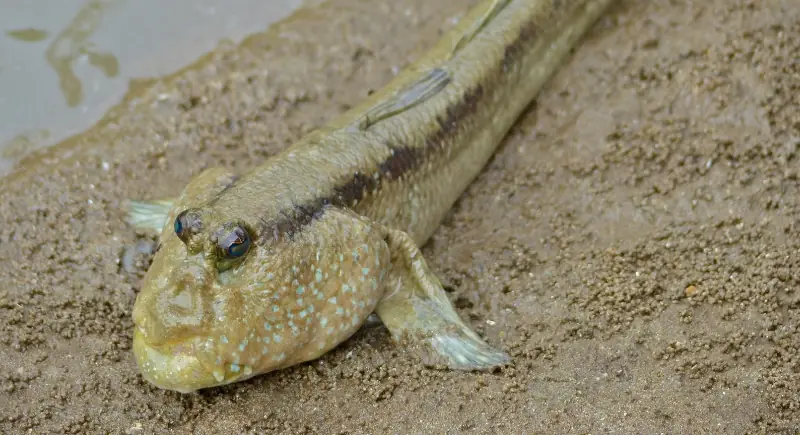
Mudskippers live on muddy shorelines across Asia and Africa, and they spend much of their time on land while feeding. They breathe through their skin and gills and use strong pectoral fins to propel themselves. Using cutaneous and buccal/branchial air-breathing, some can even survive for about 24 to 48 hours if their skin remains moist.
Walking Catfish
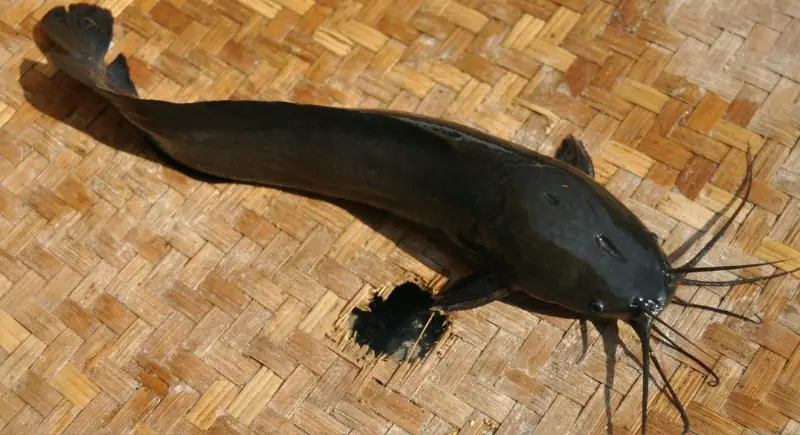
Walking catfish can travel on land and survive for around 18 hours without returning to water as long as it’s in moist conditions. Road crossings after rainstorms are a real thing for this Southeast Asian species. It has an extra air-breathing organ that supports oxygen intake while out of water.
Arapaima
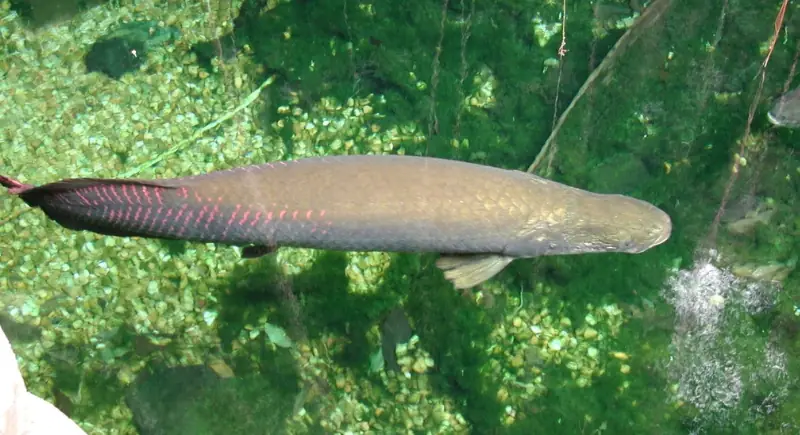
This giant freshwater fish flips the usual survival story on its head. Arapaima gigas is an obligate air breather, meaning it must gulp air regularly to live. A modified swim bladder functions like a lung, enabling it to breathe air even when submerged for only short periods.
West African Lungfish
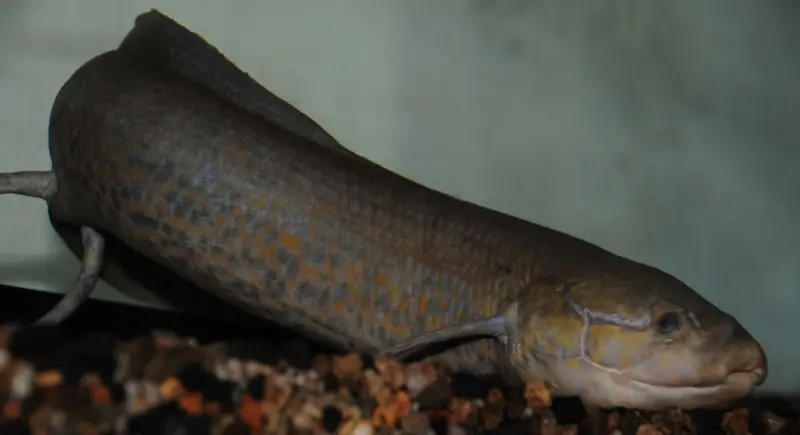
Dry seasons are not a deal breaker for this species. When water disappears, the fish burrows into mud and seals itself inside a mucus cocoon. It uses a primitive lung to breathe air and can remain dormant for years until rain returns.
Eel
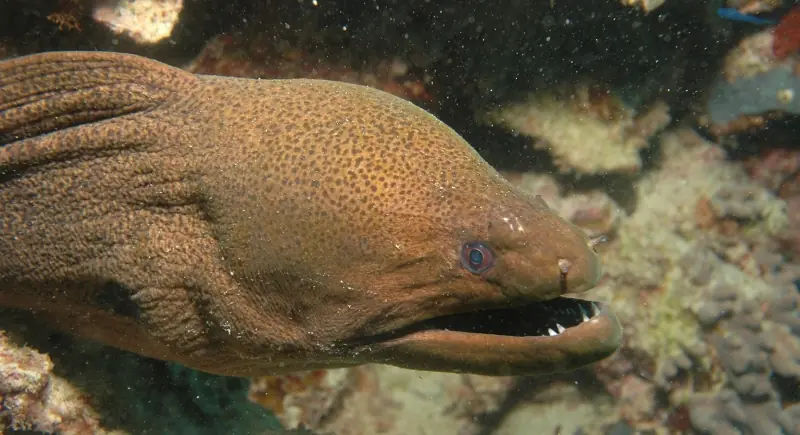
Some eels solve obstacles the hard way. They can leave the water to climb over dams or rocky barriers while migrating upstream. Oxygen passes directly through their skin, which allows them to survive short trips across damp land.
Killifish
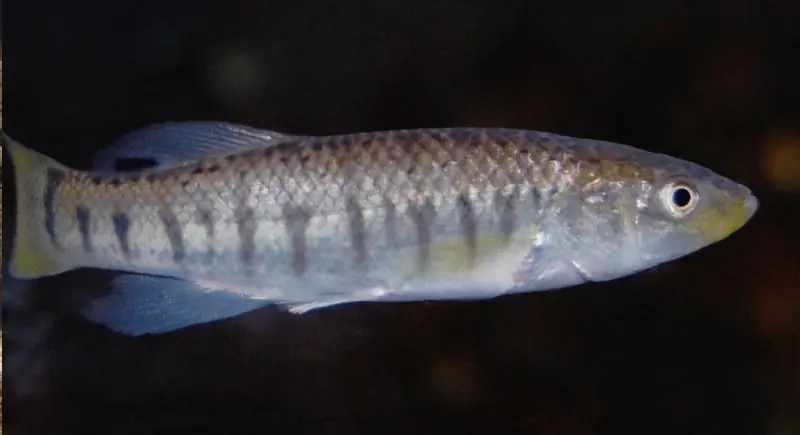
These small fish look chaotic on land, but their movement is intentional. Killifish flip and push themselves across wet surfaces to reach new pools. A species called the mummichog uses visual cues to orient its body toward water before jumping.
Four-Eyed Fish
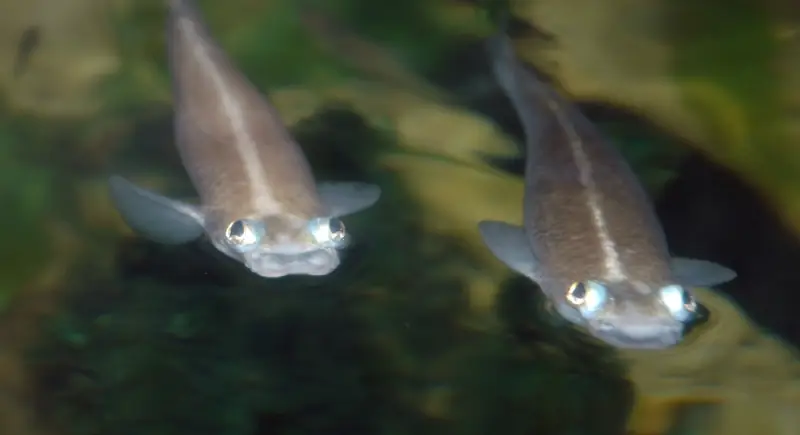
Seen along South American coastlines, this fish spends much of its time swimming at the water’s surface. Its eyes are uniquely adapted to see simultaneously above and below water, allowing it to spot food and predators in both environments. However, it does not routinely leave the water just to forage.
Snakehead
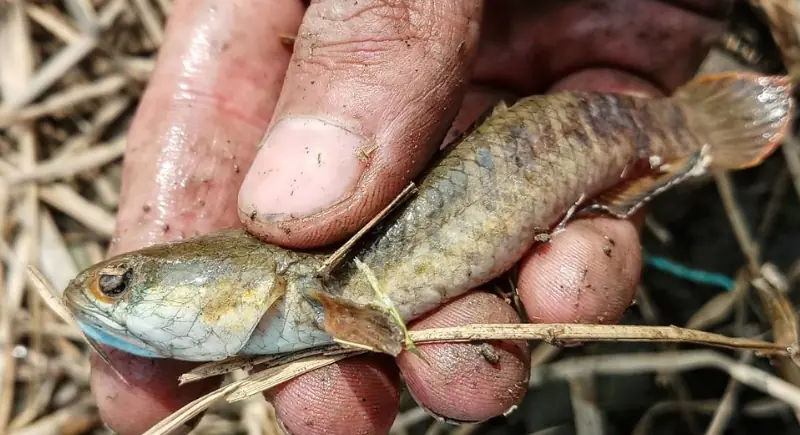
Snakeheads, known for causing headlines, can breathe air using a specialized chamber above their gills. This ability allows them to survive for hours without water while moving between ponds. Their land travel usually happens when water sources shrink or food becomes scarce.





