

Garages are full of dark corners and forgotten boxes, which makes them an easy place for certain spiders to settle in. Most keep to themselves and only bite if disturbed, but a few have venom that can cause real problems. Knowing which ones turn up in garages can help you spot risks before a careless reach turns into a painful surprise.
Black Widow
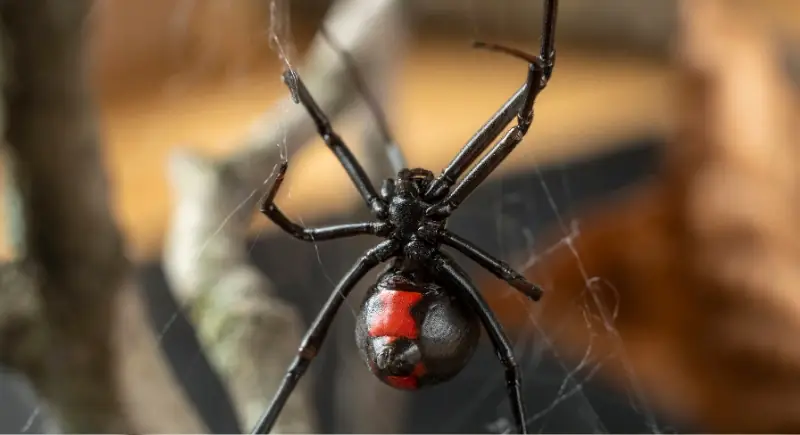
Glossy black with a red hourglass, the black widow thrives around stored items and low-traffic corners. Garages offer sheltered edges and a steady supply of insects. The venom targets the nervous system and can trigger muscle pain and cramps. Bites stay uncommon because this spider retreats quickly.
Brown Recluse
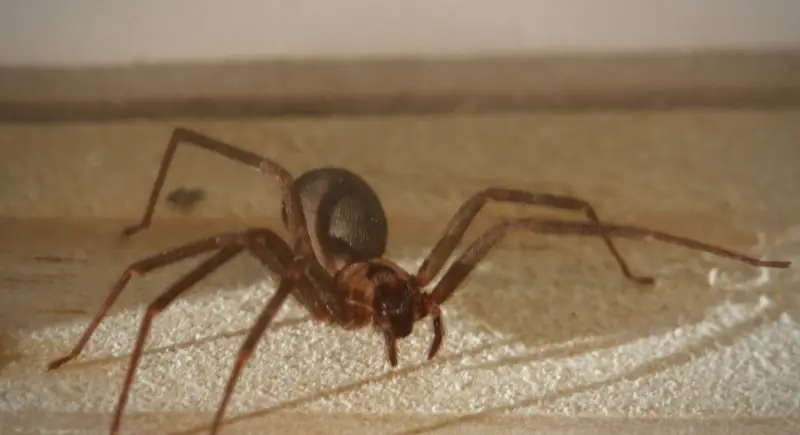
The brown recluse favors still, dry spaces and blends easily with cardboard boxes and folded drop cloths. Garages check every box on that list. A small violin-shaped mark on the back offers a key clue. Its venom damages tissue near the bite site, and symptoms may take hours to show.
Brown Widow
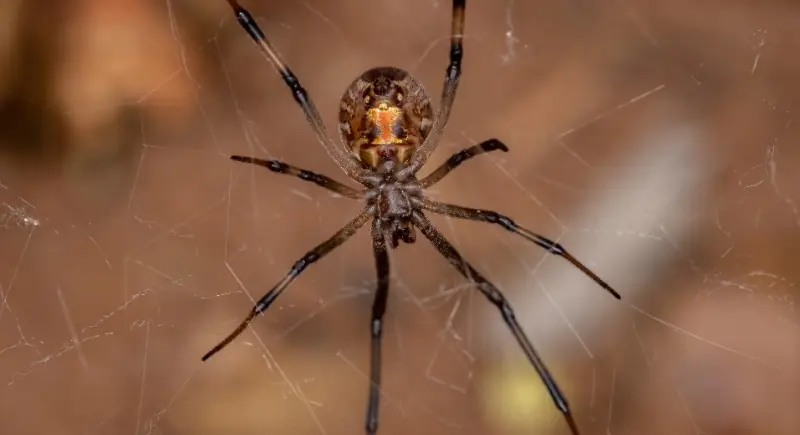
If you notice egg sacs that look like tiny white sea mines, a brown widow is likely close by. The spider itself is easy to miss at first, but the orange hourglass on its underside and its speckled brown legs give it away once you know what to look for. It usually spins its web low to the ground, tucked into garage corners or beneath benches where it can stay undisturbed.
Yellow Sac Spider
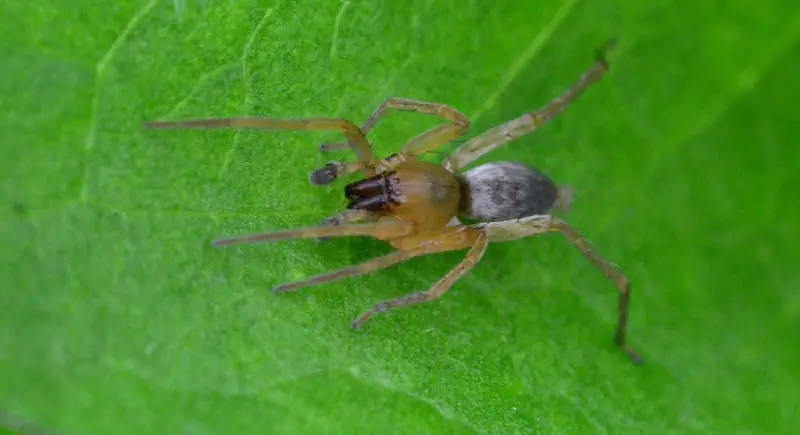
This spider makes small silk “sleeping bags” in ceiling corners and along wall gaps. Unlike many others, it tends to roam instead of staying put, which is why people often bump into it without realizing. Its bite usually causes a brief sting or itch, but the surprise is often the worst part.
Hobo Spider
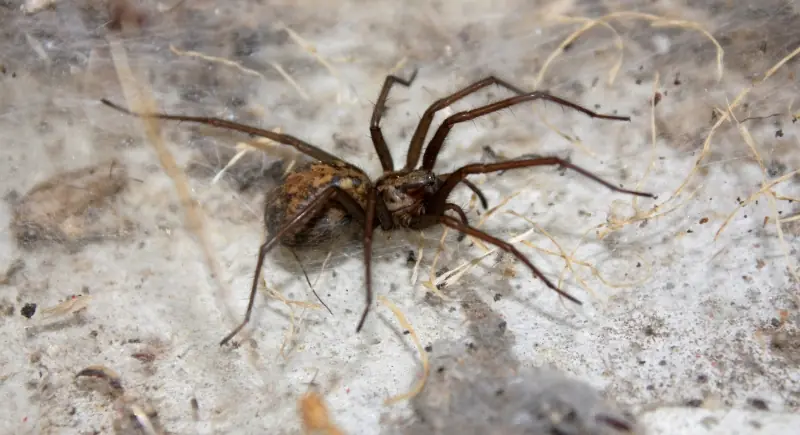
Funnel-shaped webs near baseboards could be a sign of a hobo spider. They’re a bit hairy, hard to identify, and live in places like Oregon and Washington. Although old reports suggested nasty side effects from bites, newer studies haven’t found much evidence.
Desert Recluse
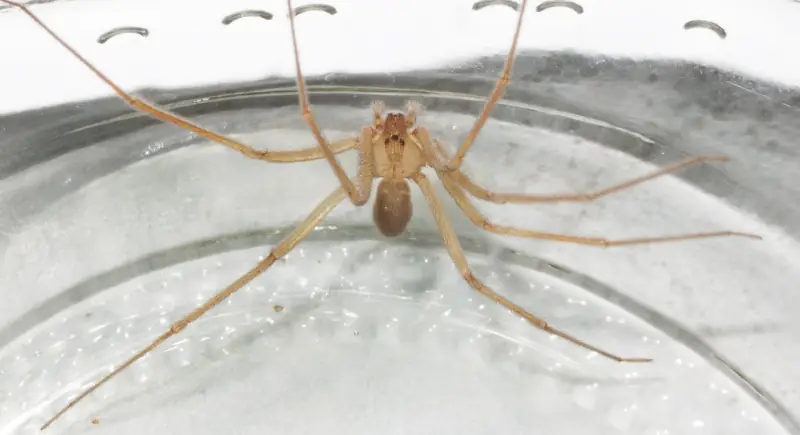
Pale in color and easy to overlook, the desert recluse is found mainly in Arizona, New Mexico, and surrounding areas. It blends into its surroundings so well that people often notice it only after contact has already happened. Symptoms from a bite may be delayed, but when they do appear, they can turn into slow-healing wounds.
Mediterranean Recluse
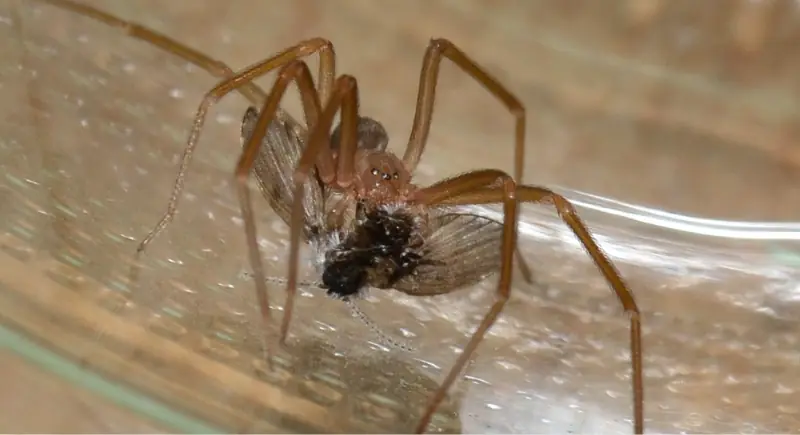
This spider arrived through shipping routes and now appears in limited pockets of the U.S. Garages near ports or warehouses see the highest chance of sightings. Venom resembles that of other recluses and may cause slow-healing wounds. The spider remains shy and rarely travels far once it has settled.
False Widow
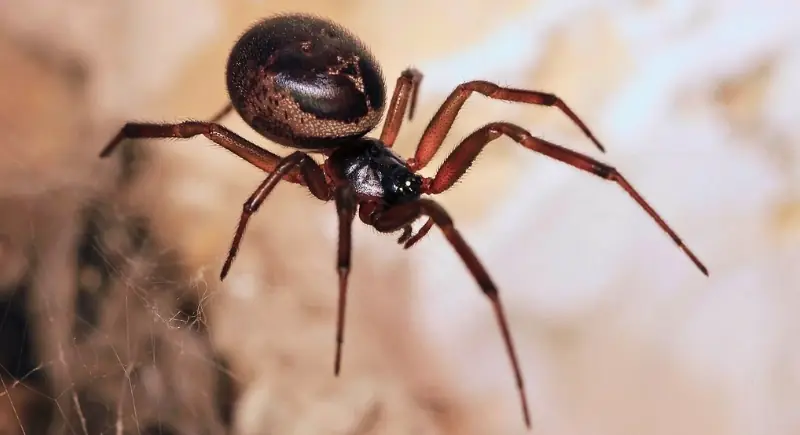
False widows resemble black widows at a glance, though their markings look less dramatic. They favor warm indoor-outdoor spaces, which places garages on the menu. Venom can cause sharp pain and swelling that feels intense for a short period. They often claim corners near doors where insects gather under exterior lights at night.
Red Widow
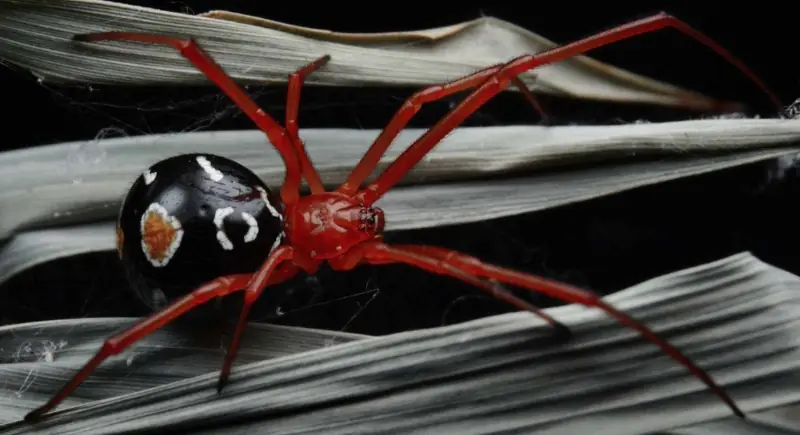
Found mainly in Florida, the red widow hides in cluttered garages near palmetto leaves and storage piles. Its bright markings stand out more than most widows, though sightings remain rare. The spider sticks close to its web and rarely wanders into open floor space.
Chilean Recluse
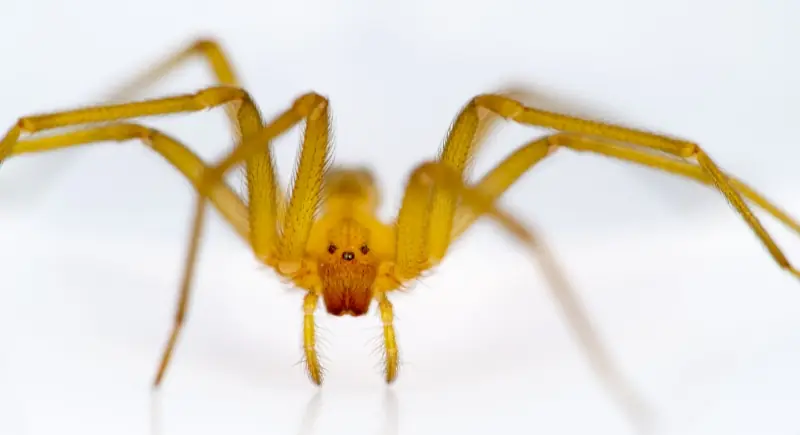
This species ranks among the more medically serious recluses and shows up only in isolated U.S. locations after accidental transport. Garages provide a foothold thanks to steady shelter and minimal disturbance. Venom can cause significant tissue damage.





