
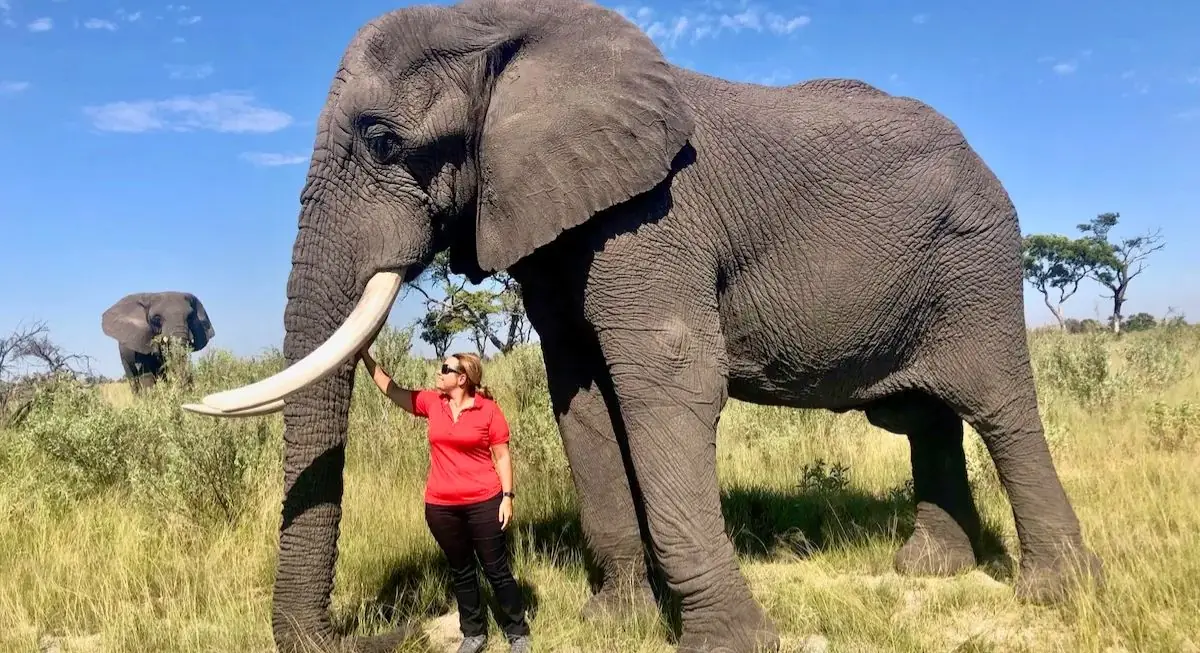
Size shapes the way animals move, hunt, and survive. For example, in the ocean, ginormous creatures rely on their massive bodies to travel long distances or ambush prey. On land, there are large animals that use their sheer weight to deter predators. In this article, we’ll discuss some of the largest creatures on the planet that shape the world around them.
Blue Whale (Largest Overall Animal)
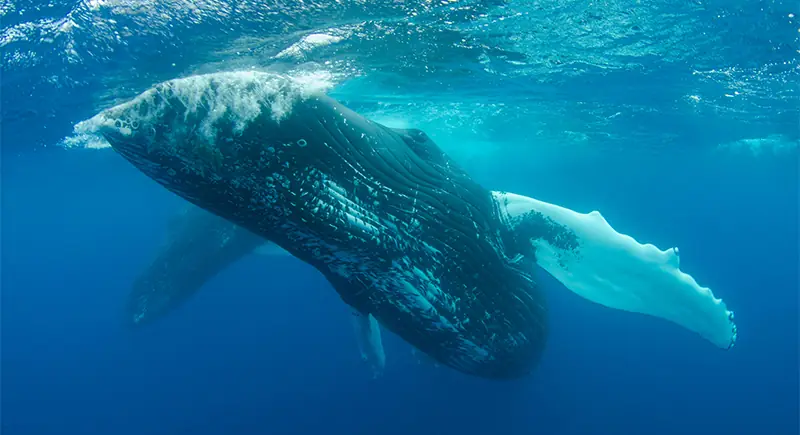
The blue whale is the biggest animal on Earth and is found in all major oceans except the Arctic. These gentle giants can stretch nearly 30 meters long—roughly the length of a large school bus—and weigh around 190 tonnes. Their enormous heart pumps around 60 gallons of blood per beat and can be detected as far as 3 kilometres with sonar equipment.
African Bush Elephant (Largest Terrestrial Mammal)
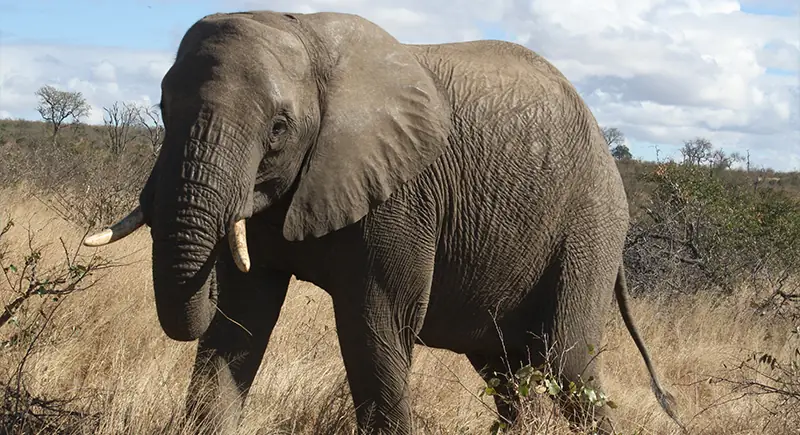
The African bush elephant remains the heaviest land animal and primarily roams the sub-Saharan Africa’s dense forests. Males can weigh up to 10 tonnes and stand over 3.5 meters tall at the shoulder. Despite their size, their calves can walk within an hour of birth.
Ostrich (Largest Bird)
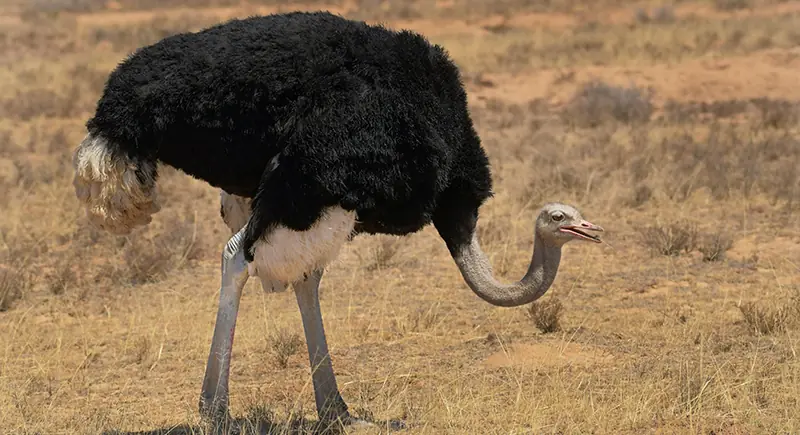
The ostrich is the largest living bird and is native to African grasslands. It can stand up to 9 feet tall and weigh as much as a small motorcycle. This flightless bird has massive eyes and legs that can deliver a powerful kick.
Saltwater Crocodile (Largest Reptile)
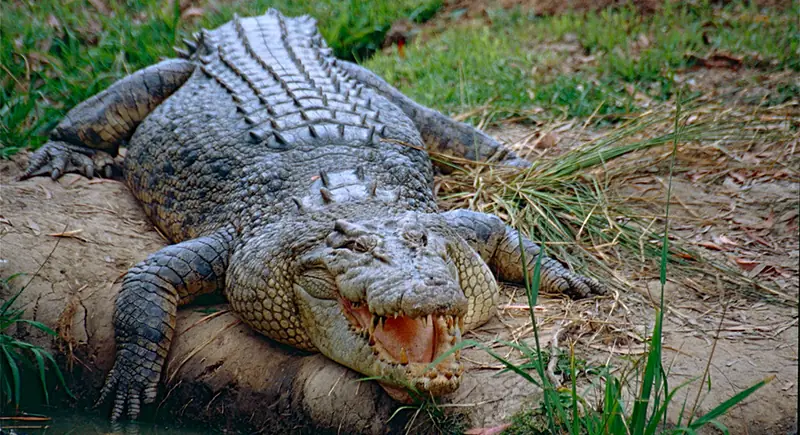
The saltwater crocodile dominates the murky waters of Southeast Asia and northern Australia. Some exceed 6 meters in length and weigh over a ton. Their muscular bodies and crushing jaws give them a prehistoric and armored aura. Interestingly, they live up to 70 years.
Green Anaconda (Largest Snake)
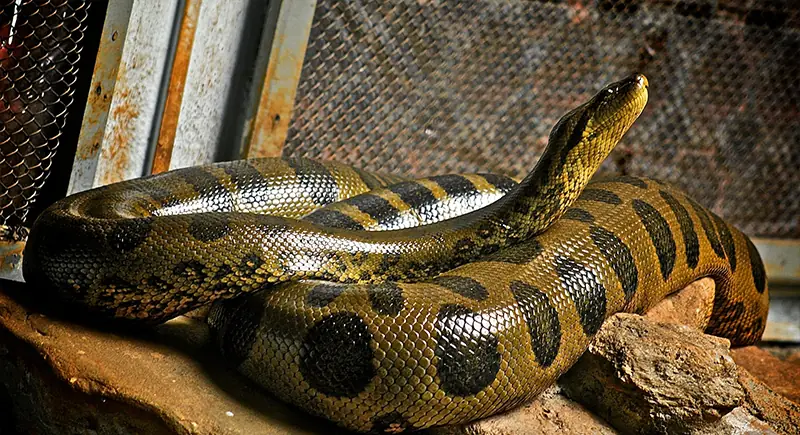
The green anaconda is noted for its sheer girth. It can reach 20 feet long and weigh around 250 kilograms—roughly equivalent to a small car. This heavy serpent, often lurking in South American swamps and rivers, moves with a grace that belies its massive build.
Komodo Dragon (Largest Lizard)
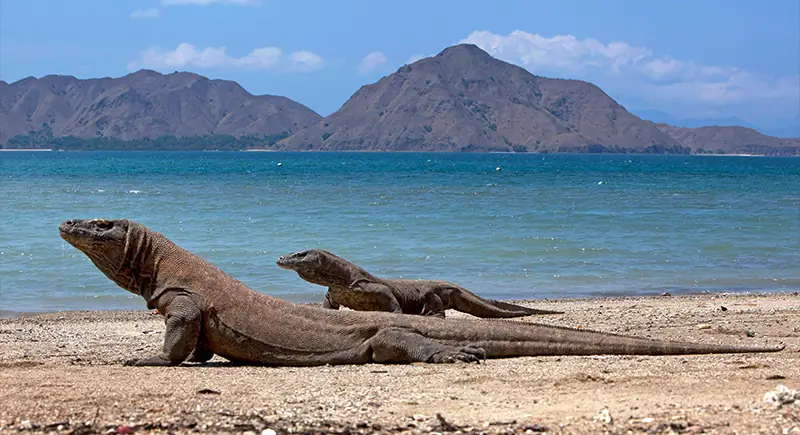
Found only on Indonesia’s Komodo, Rinca, and Flores islands, these creatures can reach 10 feet long and 366 lbs—for perspective, that’s three adult humans stacked end-to-end. Their venomous bite can drop a water buffalo, and they’ll swim between islands like scaly Olympians. They also have a voracious appetite and can eat a whole deer.
Chinese Giant Salamander (Largest Amphibian)
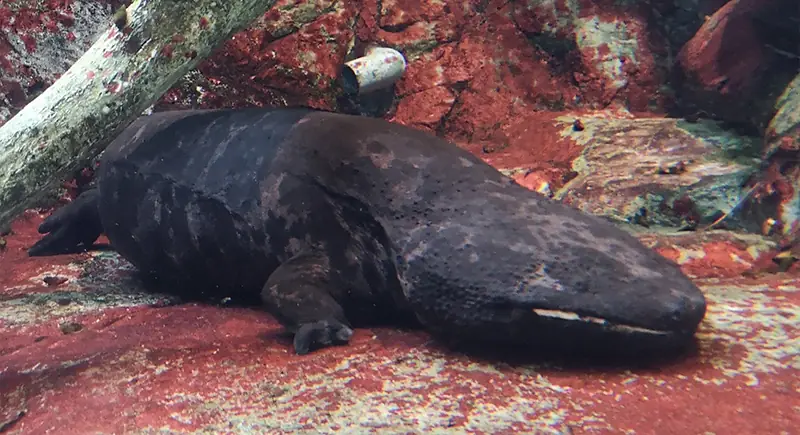
With dimensions approaching those of a small motorcycle and a weight comparable to a large dog, the Chinese giant salamander is a champion in its class. Its wrinkled skin and deliberate movements allow it to live peacefully in cool, clear streams.
Whale Shark (Largest Fish)
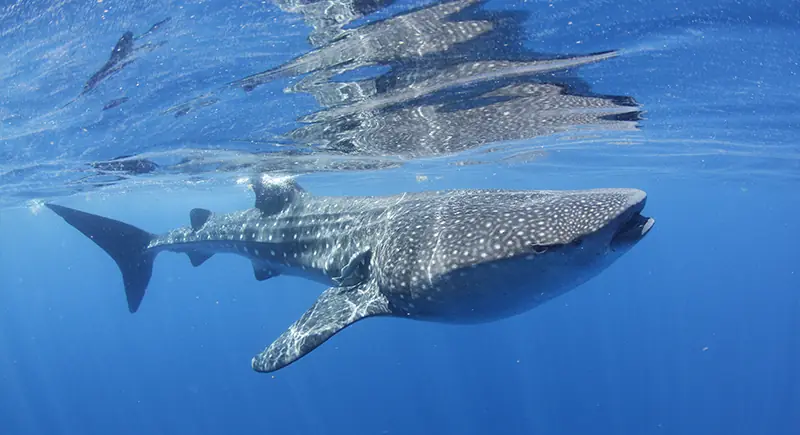
As a true marvel of the ocean, the whale shark can stretch up to 12 meters and weighs roughly 20 tonnes, about the mass of a small bus. Its enormous mouth filters tiny plankton as it glides gracefully through warm tropical waters.
Colossal Squid (Largest Invertebrate – Cephalopod)
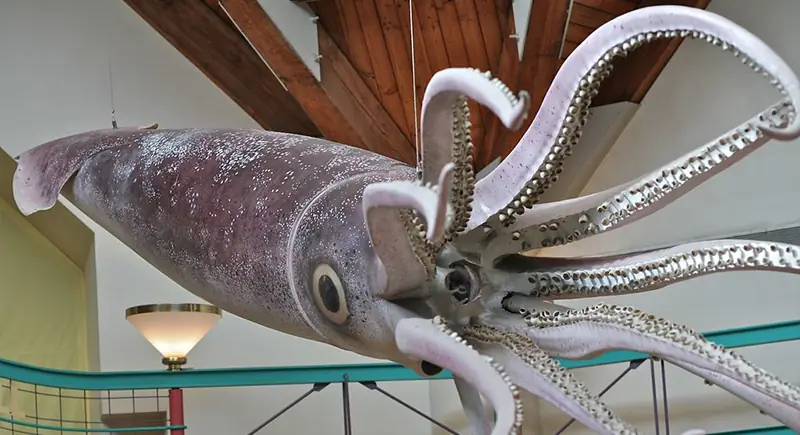
This deep-sea wonder can extend up to 14 meters and weigh around 750 kilograms. For those who can’t picture it, this squid’s weight rivals that of a small car. Its prominent eyes and elusive nature make it an awe-inspiring creature among scientists and tourists of the Southern Ocean.
Lion’s Mane Jellyfish (Largest Jellyfish)
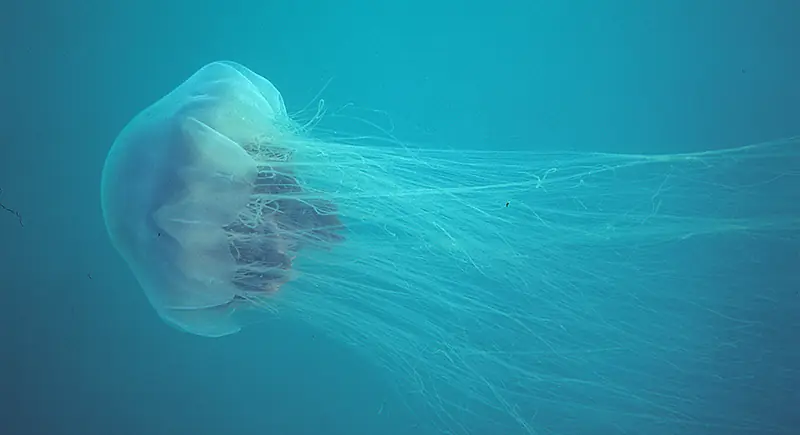
This jellyfish is a natural spectacle, featuring a bell spanning over 2 meters and tentacles extending beyond 15 meters. Its delicate yet stinging strands make it resemble a living work of art. Despite their colorful appearance, they pack a painful sting.
Capybara (Largest Rodent)
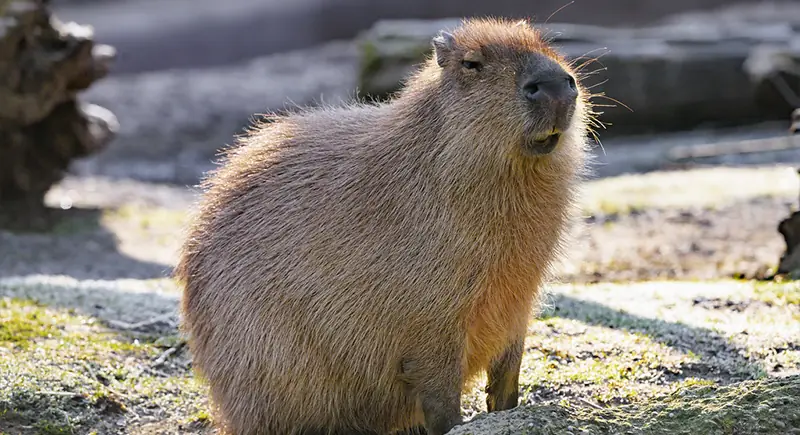
Beloved for its friendly demeanor, the capybara is the largest rodent, standing about 1 meter tall and weighing up to 65 kilograms (similar in weight to a small dog). It thrives along the riverbanks and wetlands of South America and can hold its breath underwater for 5 minutes.
Goliath Beetle (Largest Insect)
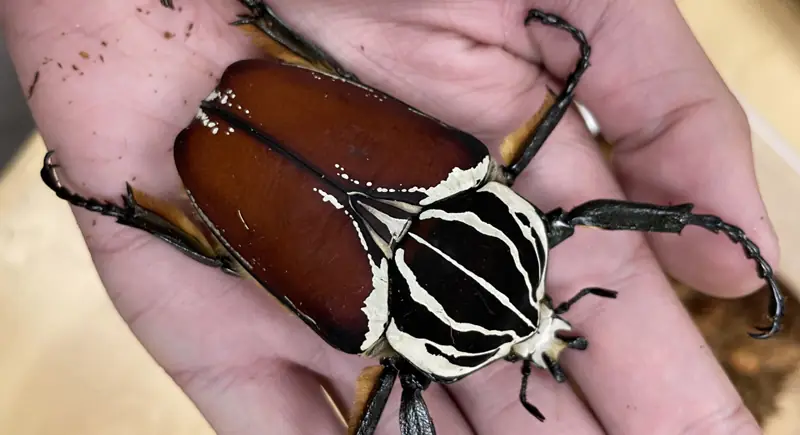
When it comes to insects, the goliath beetle is the undisputed giant. Some can grow up to lengths of 11.5 centimeters and weigh over 100 grams—about the size of a human hand. Interestingly, they can lift 800 times their weight. Their striking coloration makes them a marvel amid Africa’s tropical rainforests.
Giant Clam (Largest Mollusk – Bivalve)
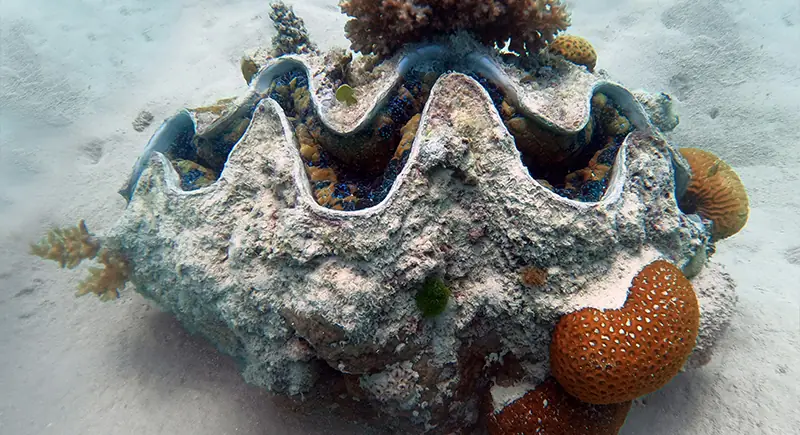
A giant clam can grow to 1.2 meters in length and weigh over 200 kilograms. Its vibrant, thick shell shelters tiny marine communities and is an impressive natural ocean structure. In addition to their size, giant clams can live as long as 100 years.
Sperm Whale (Largest Toothed Whale)
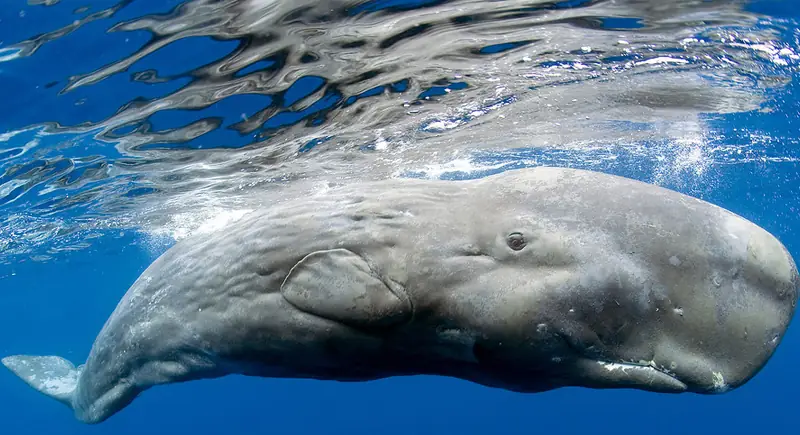
Renowned for their formidable dimensions, the sperm whale can grow 18 meters long and weigh around 50 tonnes. Its distinctive blocky head and deep-diving pursuits, especially when chasing squid, have helped it become legendary among apex marine predators. Despite their weight, they eat around 3% of their weight daily.
Polar Bear (Largest Land Carnivore)
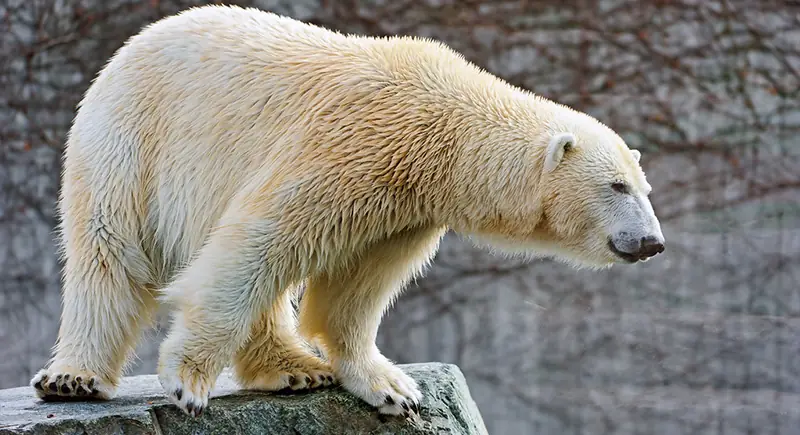
Few land predators match the raw power of the polar bear. Weighing up to 1,000 kilograms and standing nearly 1.6 meters tall at the shoulder, they are the perfect combination of muscle and endurance. Despite their stunning white fur, these marine mammals have pitch-black skin.
Giant Pacific Octopus (Largest Octopus)
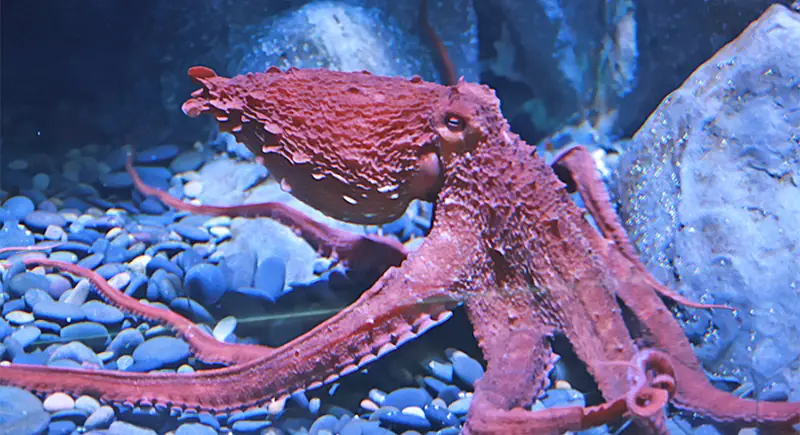
The Giant Pacific octopus rules the chilly waters of the North Pacific and can spread its arms wider than a compact car at more than 20 feet across. Weights of over 150 pounds have been recorded, supported by remarkable strength and hundreds of powerful suckers. Its intelligence stands out, with problem-solving skills that make encounters unforgettable.
Moose (Largest Deer Species)
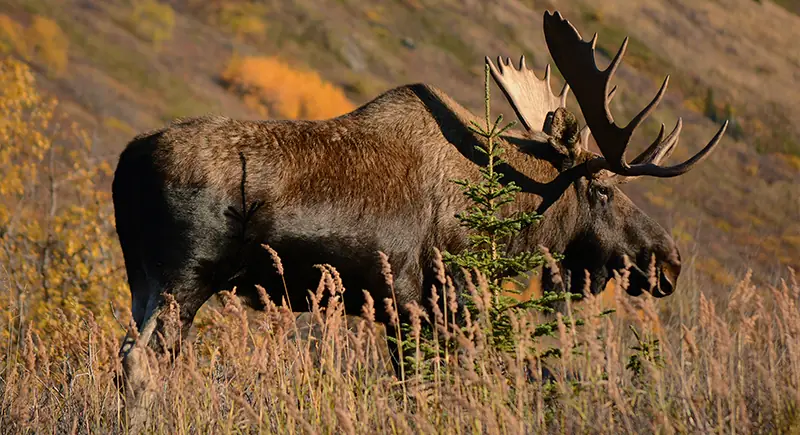
The moose towers over northern forests from Alaska to Scandinavia, often standing around 6.5 feet at the shoulder and weighing up to 1,500 pounds. Its towering antlers can span 6 feet and turn even a quiet woodland path into an awe-inspiring sight. Despite its size, it moves through wetlands with surprising ease.





