
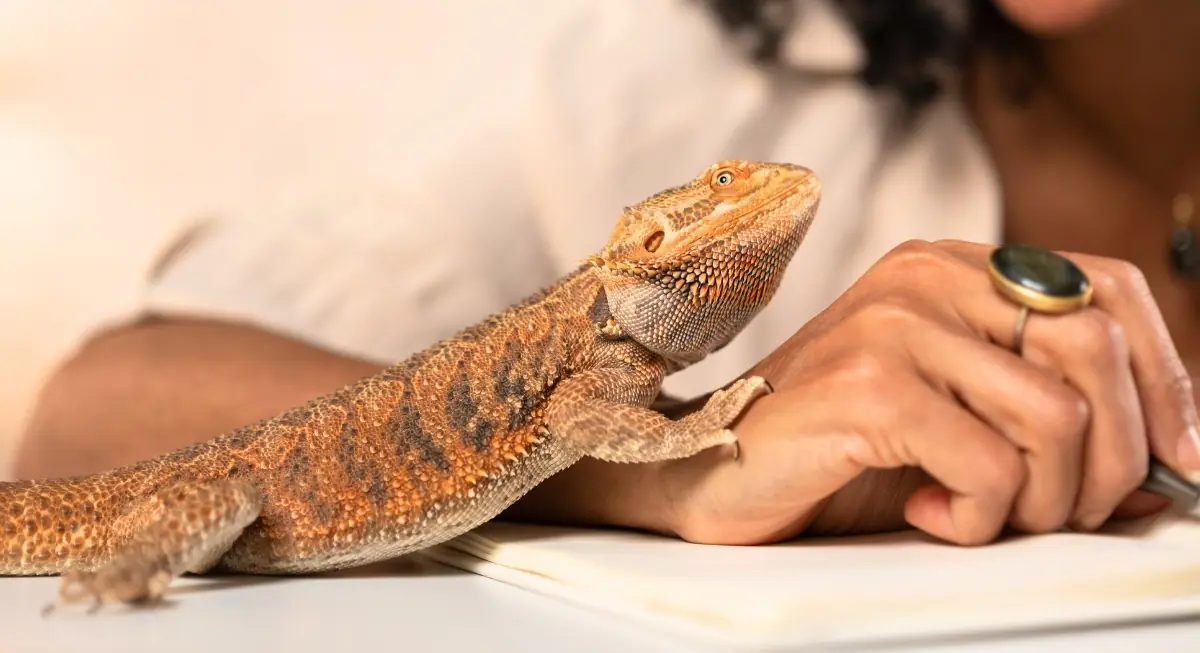
Reptiles can be great first pets when you pick the right species. The easiest ones don’t need huge tanks or complicated setups, and they handle small beginner mistakes without falling apart. That makes the learning curve far less stressful.
The reptiles on this list stay manageable in size, eat simple diets, and have calm, predictable temperaments. You don’t need a biology background to care for them. With steady routines and a little attention, these pets settle in well and let new owners ease into reptile keeping with confidence.
Leopard Gecko
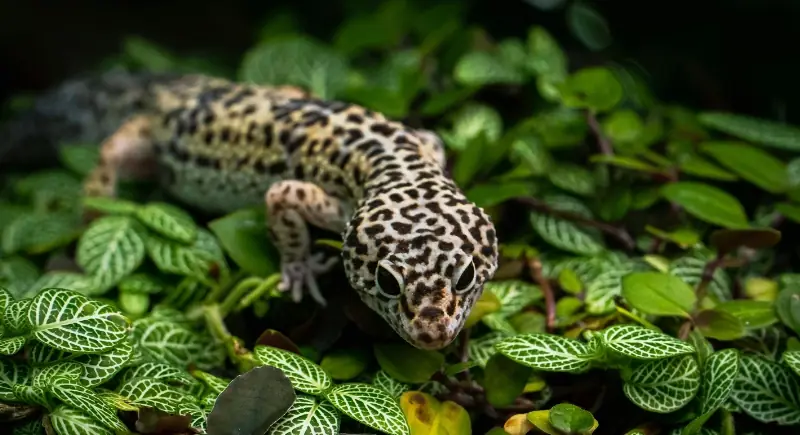
This insect-eating gecko has earned its reputation by being one of the simplest reptiles to care for. It doesn’t need UVB lighting and thrives in a basic 20-gallon tank with warm and cool areas. A humid hide helps during shedding, and it stays quiet and mellow. The Leopard Gecko’s tail stores fat, which helps it through short periods without food.
Bearded Dragon
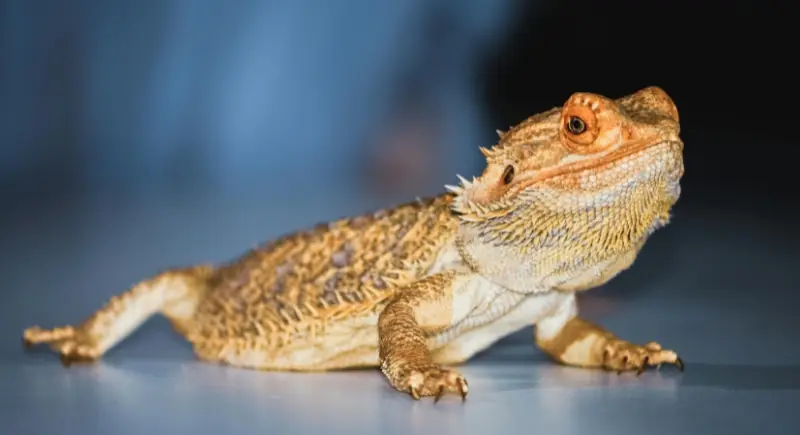
A bearded dragon is a pet that enjoys interaction and socialization. These lizards are calm, responsive, and stay active during the day. They’re large enough to handle confidently but still manageable for small households. With proper heat and lighting, they become routine-driven and easy to keep. However, you’ll need to feed insects when they’re young and add greens as they grow.
Crested Gecko
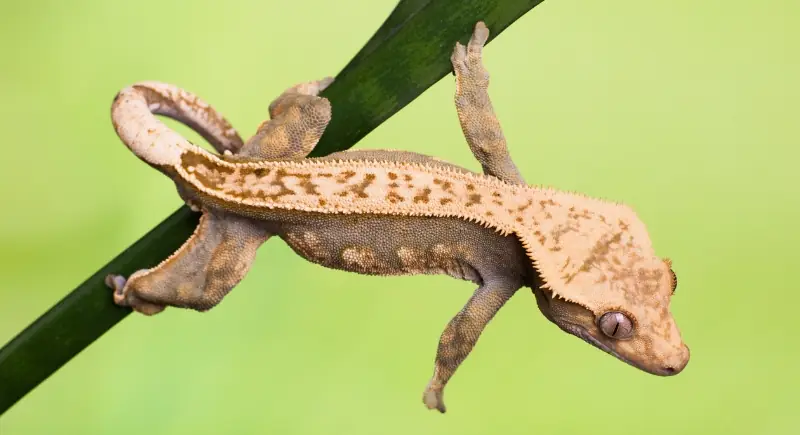
Crested geckos were once thought extinct until a 1994 tropical storm led researchers to rediscover them. That unexpected return helped launch their popularity as pets. They tolerate physical touch and live comfortably on diets consisting of fruit-based powders. Many owners appreciate that they do fine without UVB lighting, and live insects can be added only if you want to, not because they’re required.
Corn Snake
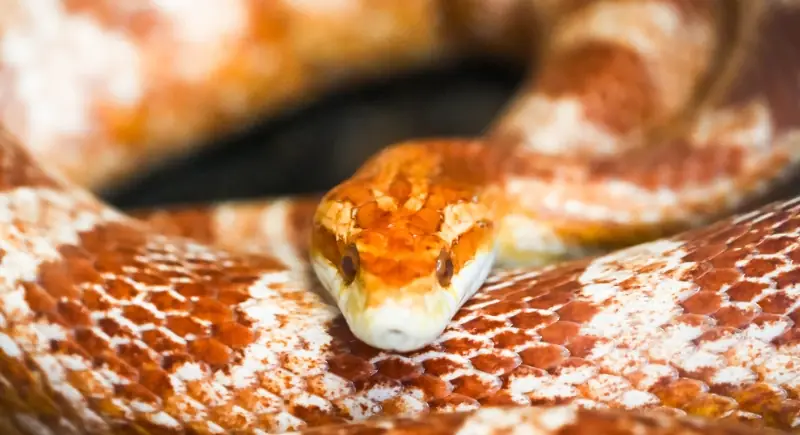
Corn snakes are a go-to choice for beginners because they adapt well to steady routines and stay at a manageable adult size. Most reach about 4 to 6 feet, which feels substantial without being overwhelming. They stay comfortable in a secure enclosure with a warm hide to retreat into, and their care doesn’t rely on special lighting or tricky humidity setups. Feeding is simple too. A thawed rodent once a week is usually enough to keep them healthy and growing at a steady pace.
African Fat-Tailed Gecko
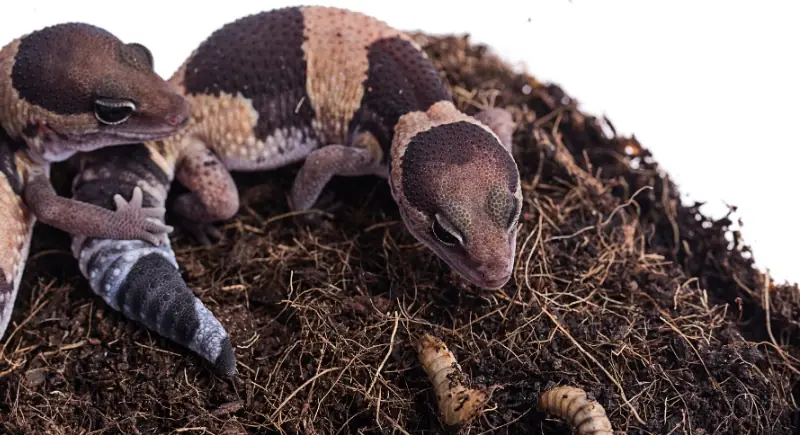
This gecko is similar to a leopard gecko, but it is a little less active. African fat-tailed geckos originate from West Africa and typically measure under 9 inches. Although slightly more reclusive, they adapt to being picked up with time. They’re harder to find in pet shops but well-regarded for their calm nature. The setup remains simple, and their daily needs mirror those of leopard geckos.
Ball Python
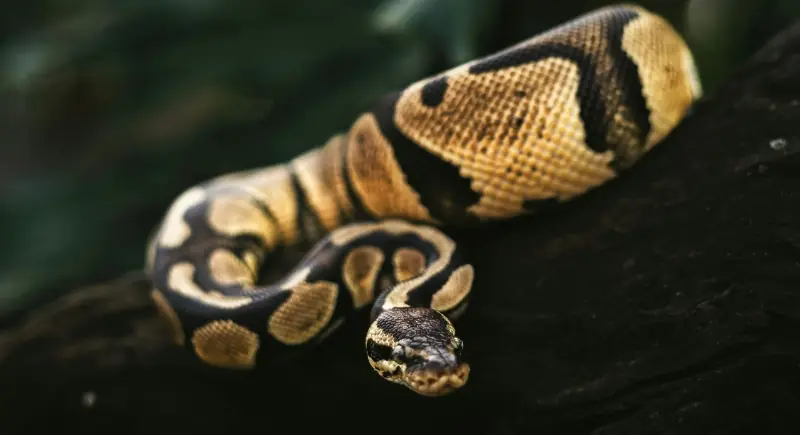
Ball pythons curl into a tight ball when uneasy, which helps them stay calm. They remain under five feet and often live 20 to 30 years. Most settle into handling easily. A weekly pre-killed rodent is enough, and temporary hunger strikes rarely harm them. Their steady behavior and simple care make them a beginner favorite.
Spotted Python
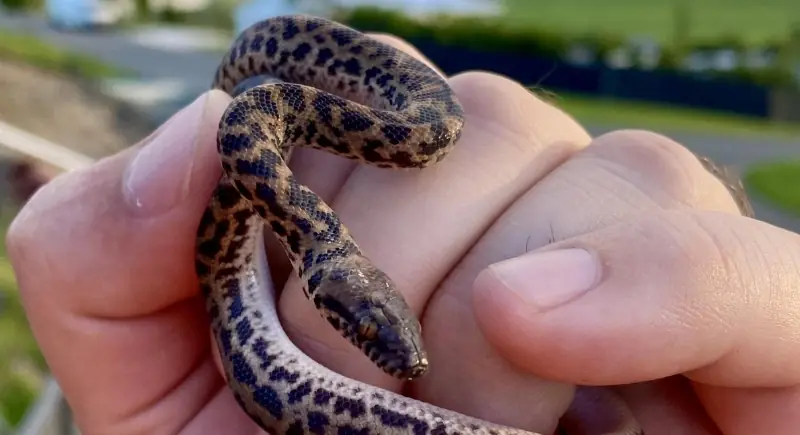
While spotted pythons don’t get much attention in pet stores, they offer a solid introduction to snake keeping. These Australian natives stay between three and four feet and are known for being steady eaters. One of their best traits is that they do not show defensive behavior.
Pink-Tongue Skink
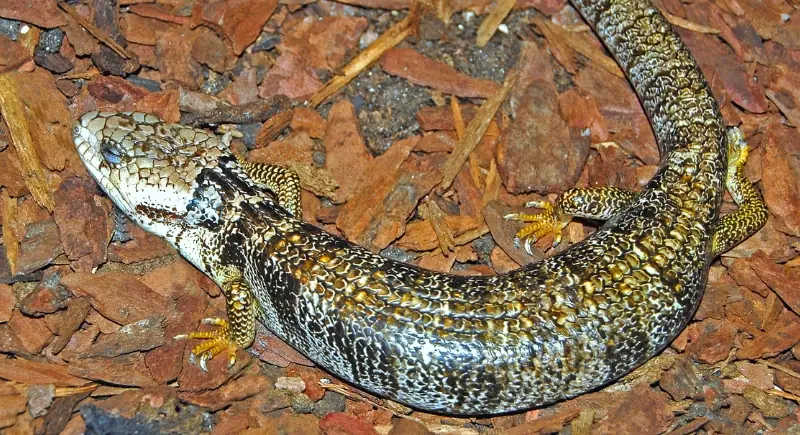
Because they don’t rely on live insects daily, meal prep becomes simpler for new keepers. Pink-tongue skinks eat a wide range of foods, including fruits, snails, insects, and even soft proteins like canned dog food. Though they cost more upfront, they’re always captive-bred and adjust well to home life.
Eastern Box Turtle
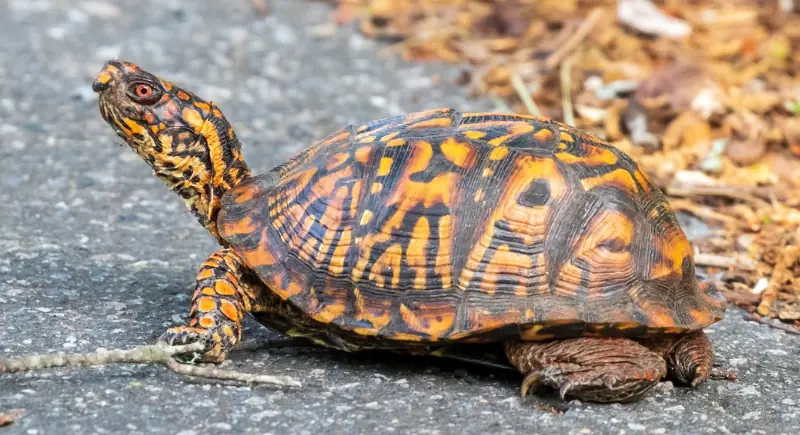
Box turtles don’t swim much but still require shallow water and moderate humidity. They eat both plants and protein, which includes insects and berries. Their dome-shaped shells and hinged plastrons help protect them from predators, and give them the name “box” turtle. Many live decades in captivity with proper management. They spend time burrowing or soaking and prefer naturalistic enclosures.
Russian Tortoise
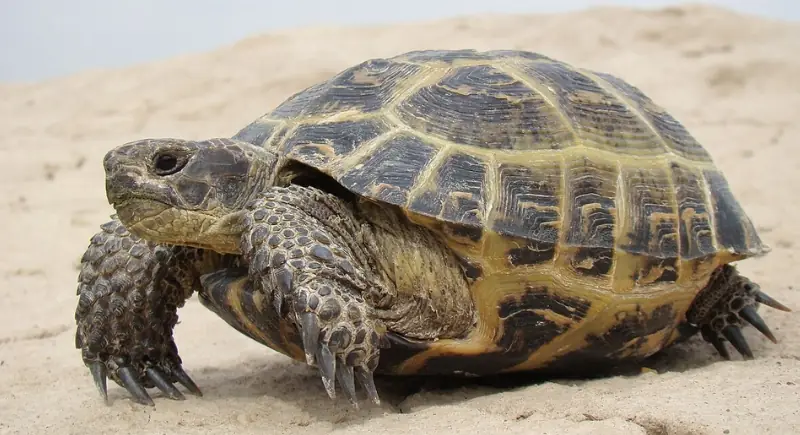
A tortoise of this kind eats mostly weeds and leafy greens and stays under 10 inches fully grown. Indoors, it needs UVB lighting and a warm basking area. Outdoors, it benefits from sun exposure and dry, well-drained soil. Unlike aquatic turtles, it tends to appreciate dry environments and doesn’t need filtration or large water areas.





