
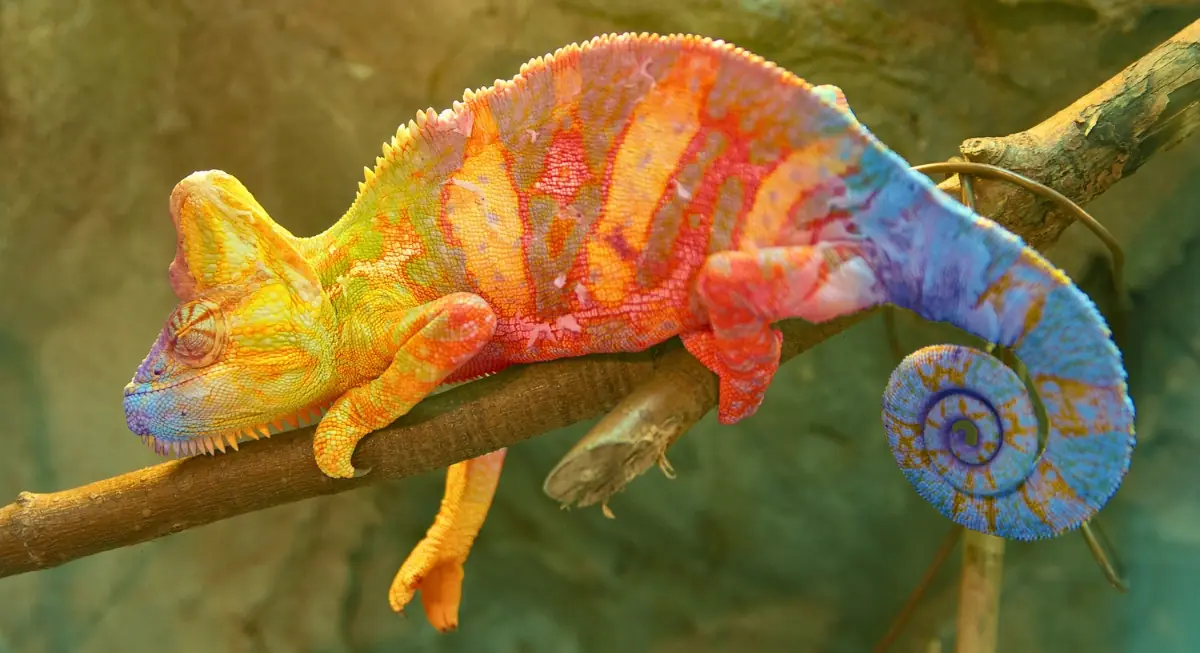
You think you know animals until one does something that stops you in your tracks. It turns out that some of the most familiar creatures hide wild tricks up their sleeves. Here are a few abilities that these animals don’t exactly advertise.
Chimpanzees Exhibit Contagious Urination
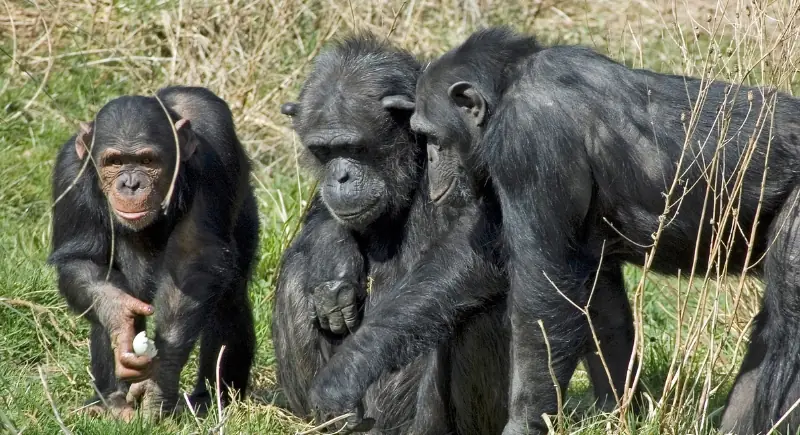
Chimpanzees don’t just live in social groups; they even go to the bathroom together. Studies have shown that lower-ranked chimps are more likely to urinate shortly after a nearby chimp does. This strange, synchronized behavior might actually help reinforce social bonds and coordination within the troop.
Dogs Experience Varied Dream Patterns

Dogs dream often. Unlike humans, whose sleep cycles are longer and fewer, dogs can have up to 20 dream episodes in a night. Small breeds dream more frequently than large ones, likely replaying familiar activities like chasing, playing, or eating as they snooze.
Owls Utilize Asymmetrical Ears for Precise Hunting
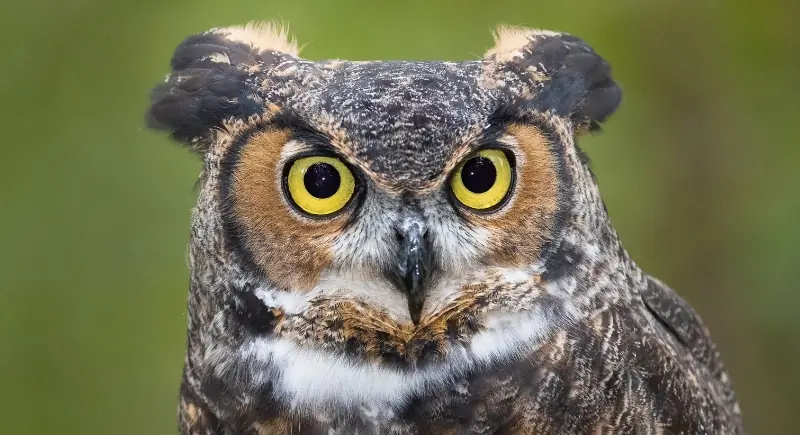
Owls don’t just rely on silent flight to catch prey; they have one ear positioned higher than the other. This uneven alignment lets them detect the vertical and horizontal source of a sound at once to build an accurate mental map of movement, even in total darkness.
Emus Demonstrate Problem-Solving Abilities
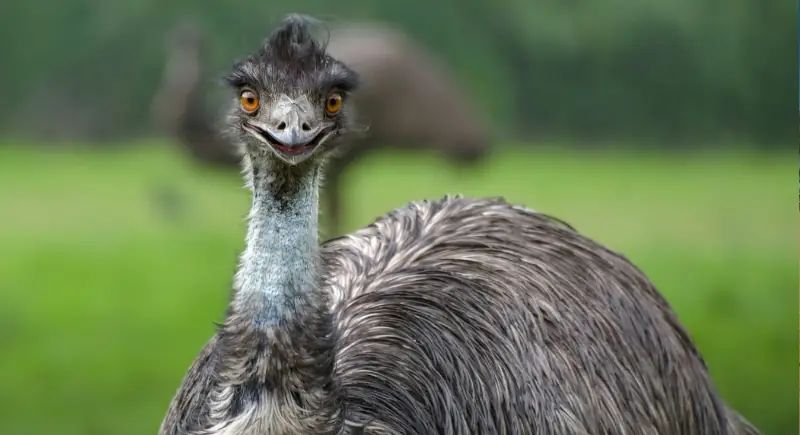
When researchers gave emus a food puzzle involving a rotating wheel, the birds figured it out fast. With a 90% success rate, emus demonstrated cognitive skills once thought limited to parrots or crows.
Snakes Exhibit Ultraviolet Coloration for Camouflage
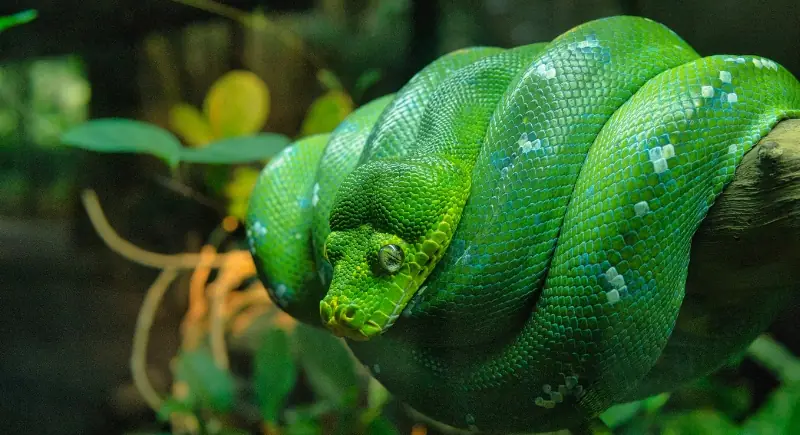
Some snakes possess skin that reflects ultraviolet light, invisible to humans but useful in their ecosystems. In forest canopies, this UV reflectance helps them blend into backgrounds that also scatter ultraviolet rays to offer protection from predators like birds that can detect this hidden spectrum.
Ants Communicate Through Acoustic Signals
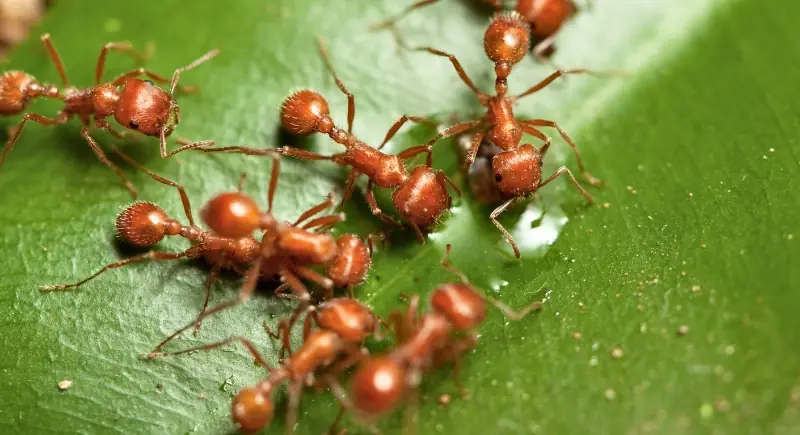
Ants don’t just “talk” through chemicals. Many species of ants create sound by using a spike on their abdomen and rubbing it with a leg to produce vibrations. These vibrations act as distress signals or status indicators.
Platypuses Glow Under Ultraviolet Light
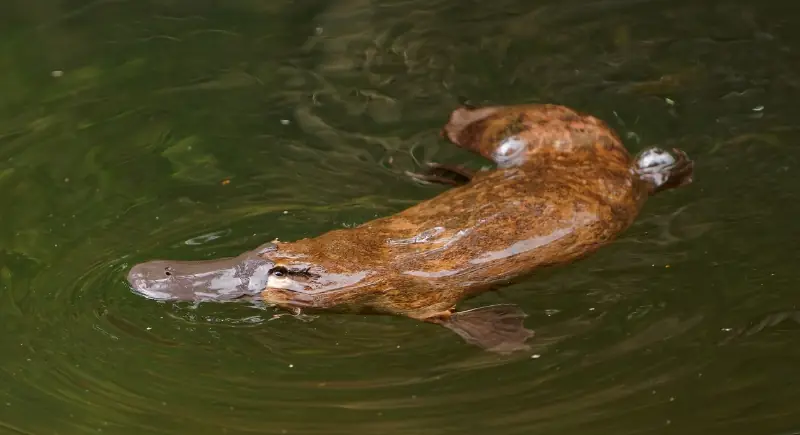
Seen under ultraviolet light, the fur of a platypus emits a strange bluish-green glow. Scientists aren’t sure why. Some speculate it’s for camouflage; it may absorb UV light instead of reflecting it. Others think it might just be a weird byproduct of the animal’s already bizarre biology.
Pumpkin Toadlets Struggle with Jumping Due to Inner Ear Structure
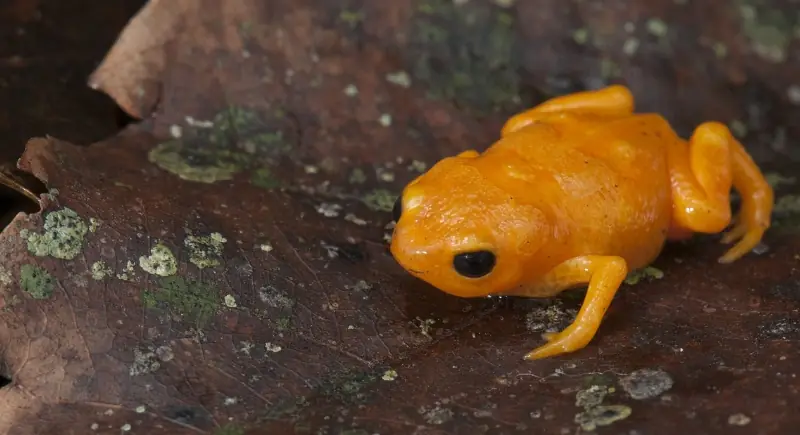
These thumbnail-sized frogs leap like they’ve never practiced. That’s because their inner ears are too underdeveloped to keep them balanced midair. The result is a clumsy, tumbling hop. Evolution seems to have prioritized size over grace.
Dinosaurs Likely Had Vibrant Coloration
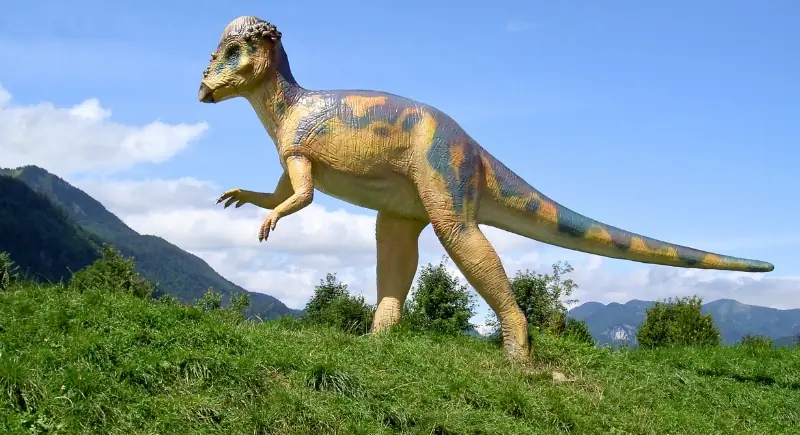
Fossil evidence is limited, but scientists now believe some dinosaurs had vivid coloring, thanks to carotenoids from their diet. Modern birds absorb these pigments from fruits and plants, and it’s likely extinct species did the same. That means certain dinosaurs may have had brightly colored skin, faces, or feet.
Octopuses Experience Complex Sleep Cycles
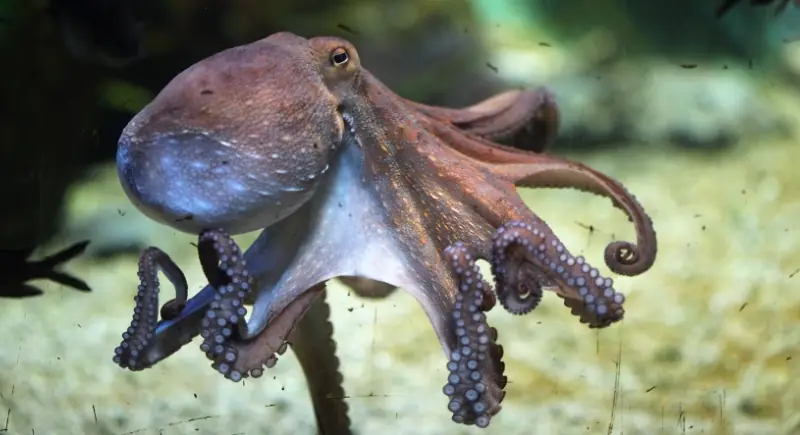
Octopuses enter a two-stage sleep cycle resembling the REM and non-REM states seen in humans. During active sleep, they change skin color rapidly, suggesting they might be dreaming. This level of brain activity in an invertebrate hints at unexpected complexity in their cognition and memory.
Thorny Devils Utilize Capillary Action to Drink Water
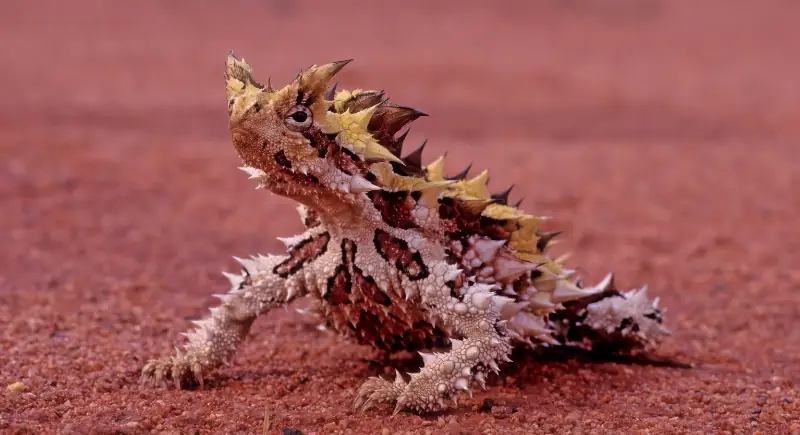
The thorny devil doesn’t need to bend its head to drink. Its skin is covered in tiny grooves that channel water from any part of its body directly to the mouth. This adaptation helps it absorb dew or rain right off the sand in dry desert environments.
Porcupines Use Quills for Defense and Communication
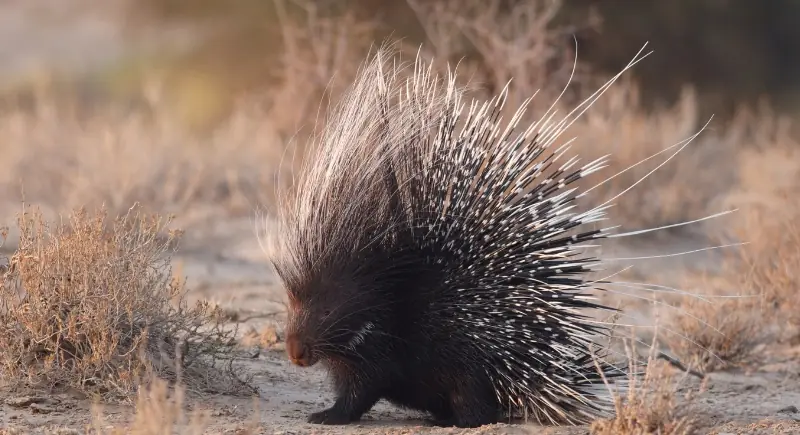
Porcupines raise a crest of sharp quills when threatened to instantly make themselves look bigger. But that’s not all, they can shake specialized hollow quills on their tails to produce a rattling sound in an attempt to warn predators to back off.
Indian Chameleons Change Color for Communication and Thermoregulation
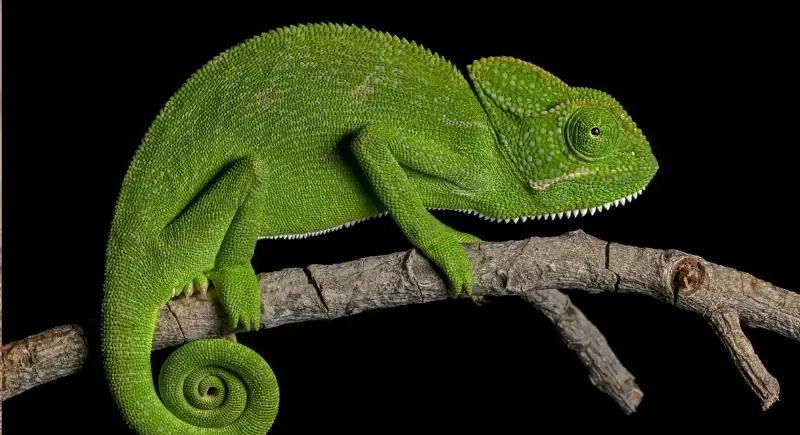
The color-shifting talent of Indian chameleons isn’t about camouflage as much as it’s about mood and temperature. A darker tone absorbs heat when they’re cold, while flashes of color can signal aggression or courtship.
Red Lionfish Possess Venomous Spines for Protection
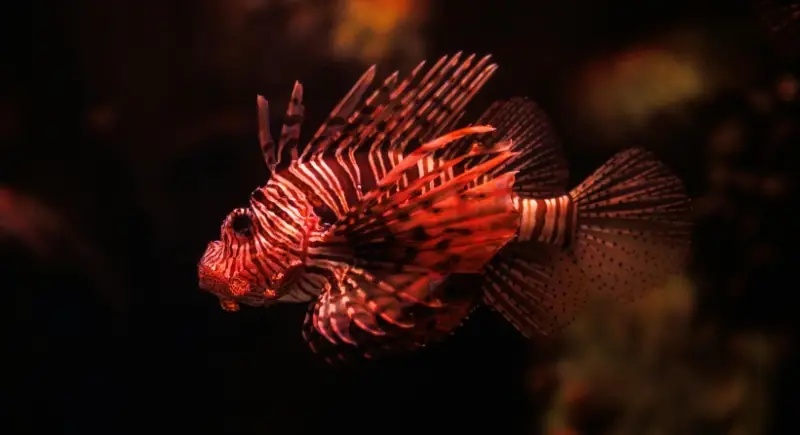
The red lionfish looks ornamental, but touch it, and you’ll regret it. Venomous spines on its back and sides inject neurotoxins that cause pain and swelling. This bold display is a vivid warning to predators: beauty can sting.
Stalk-Eyed Flies Use Eye Stalks for Mating Displays
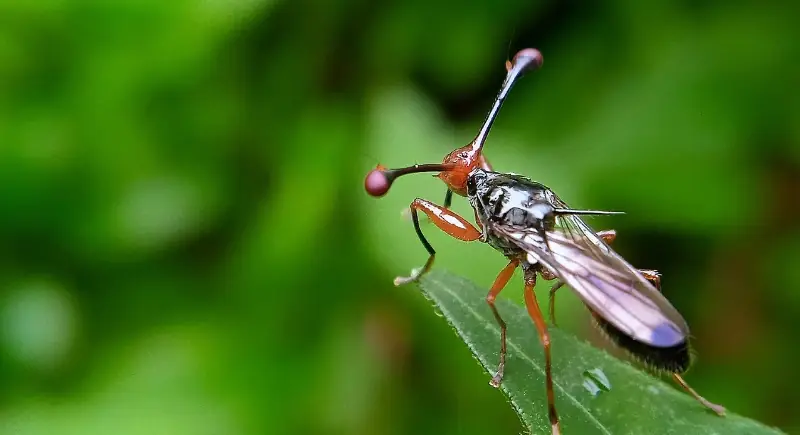
These bizarre-looking flies flaunt long eye stalks that stretch out from their heads. The longer the stalks, the more attractive the male appears to potential mates. Some even use them in head-to-head contests by pushing rivals back in a literal show of strength and genetic value.
Crows Remember and Share Human Faces
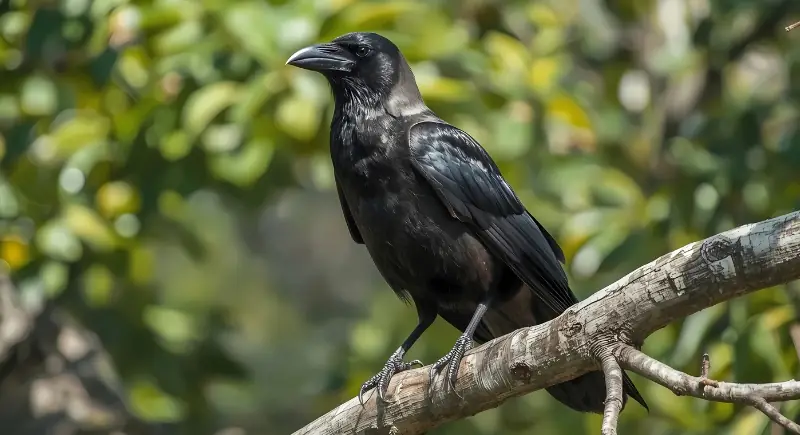
Crows can spot a face and file it away like a bad customer review. In one study, researchers wore masks while trapping crows, and the birds later scolded people wearing those same masks. The wild part? Other crows joined in, too. Word got around without a group chat.
Elephants Use Distinct Names for Each Other
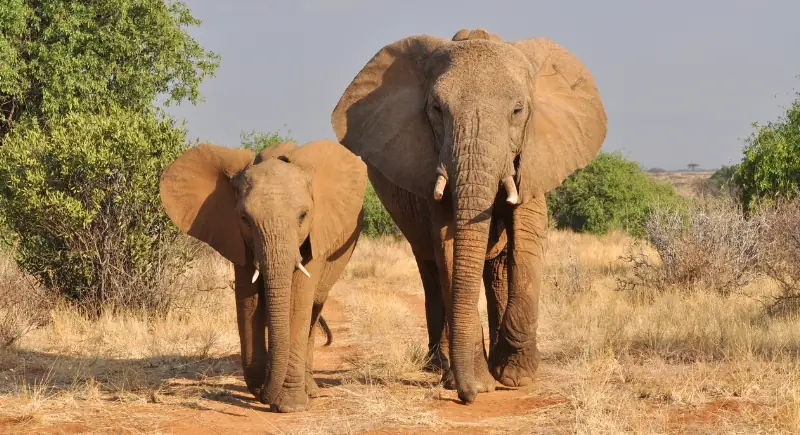
Elephants do not just trumpet into the distance and hope someone gets the hint. Researchers found that African elephants use calls aimed at specific individuals, almost like names. Play one back, and the right elephant may answer or move closer. That is not noise. That is someone being called.





