
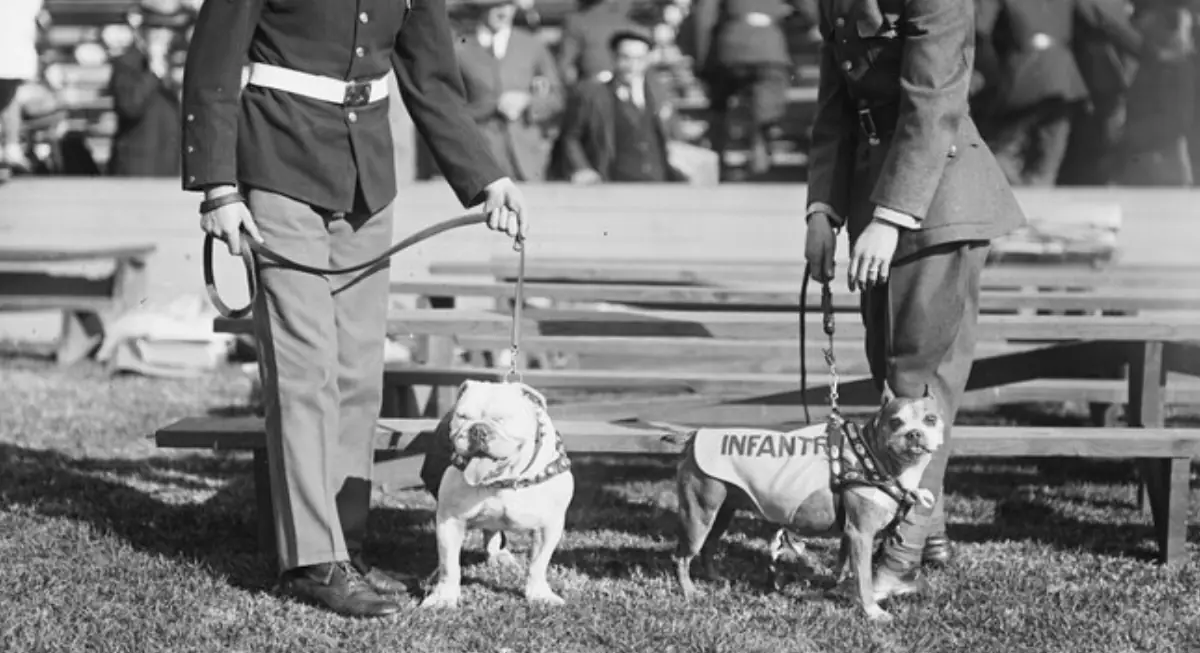
History books usually highlight generals, political leaders, and famous battles. Animals, on the other hand, do not receive much attention, even though they played important roles during major conflicts. Soldiers relied on them for tasks that demanded strength, speed, or sharp instincts. Their work supported military logistics, rescue efforts, and battlefield communication. Some even held official ranks or earned decorations for their service, but you were probably never taught about them in school.
Mice and Canaries Helped Detect Poison Gas
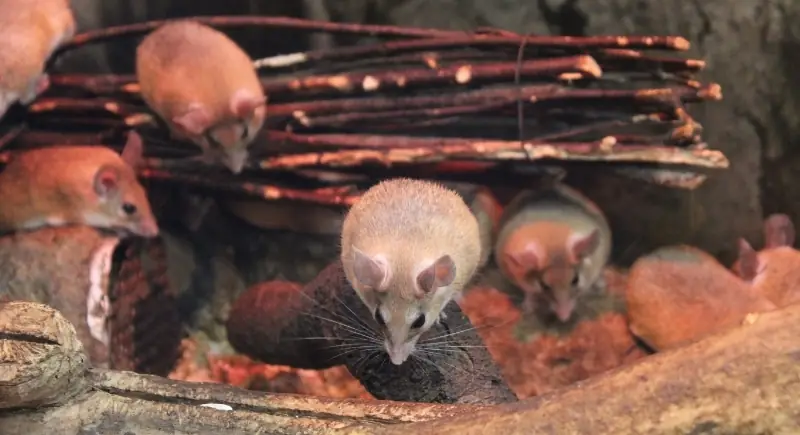
Poison gas terrified soldiers during trench warfare in World War I. Scientists noticed that small animals, such as mice and canaries, reacted quickly when harmful gases entered the air. Military units kept them inside small cages at observation posts along the Western Front. When the animals showed signs of distress or stopped moving normally, troops put on gas masks.
A Bear Carried Artillery Shells in Combat
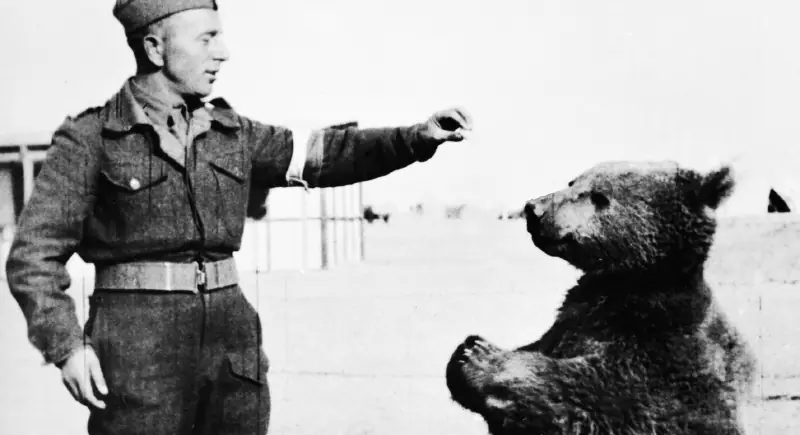
Wojtek, the Syrian brown bear, started life as an orphaned cub discovered by Polish soldiers in Iran in 1943. The troops enlisted him as a private so he could travel with their artillery supply unit. During the Battle of Monte Cassino in Italy, he carried heavy crates of artillery shells across the battlefield, and impressed everyone so much that the company later adopted his image as their official emblem.
A Baboon Served in the Military
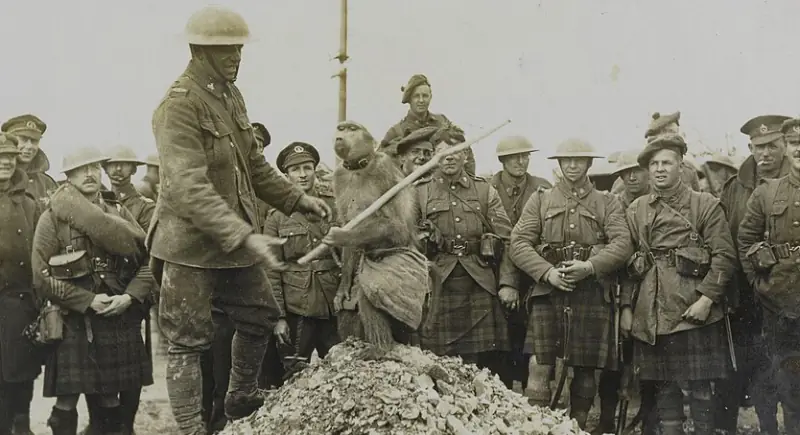
It was unusual for a baboon to serve in the military, yet Jackie became part of the South African forces during World War I alongside his owner, soldier Albert Marr. Commanders allowed the companion to remain with the unit, and Jackie soon adapted to daily routines. His keen hearing and vision helped him detect approaching danger earlier than human guards.
A Stray Dog Captured a German Spy
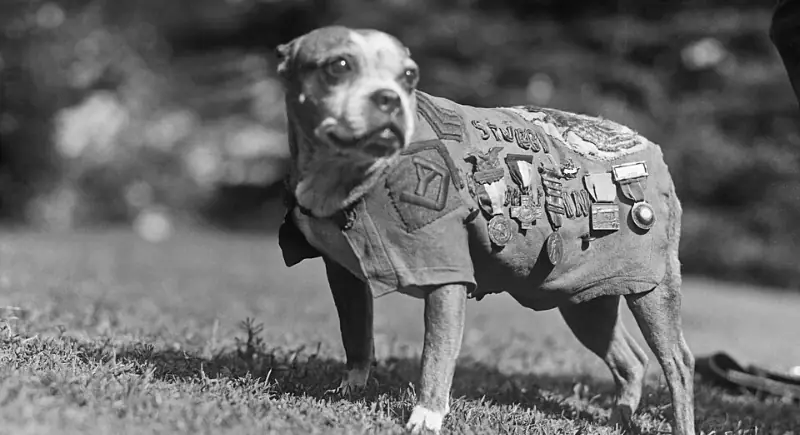
Though he started out as a stray dog wandering around Yale University, Sergeant Stubby later became one of the most famous animals connected to World War I. Private J. Robert Conroy secretly brought him along when his regiment traveled to France, where the canine learned routines and stayed close to the unit during training exercises. His most famous moment came when he chased down a German spy and held him until American troops arrived.
Horses Carried People Across Battlefields
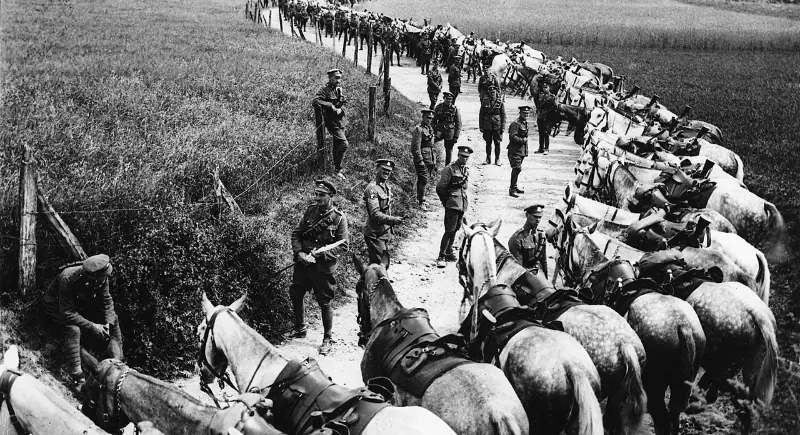
When World War I began in 1914, armies still depended heavily on horses for movement and communication. Cavalry units transported soldiers quickly across open terrain where vehicles struggled to travel. Horses also carried scouts, messengers, and officers across long distances during campaigns. One horse named Warrior gained attention after surviving the entire war alongside British officer Jack Seely. Warrior endured intense fighting at the Somme and Ypres.
Pigeons Delivered Crucial Battlefield Messages
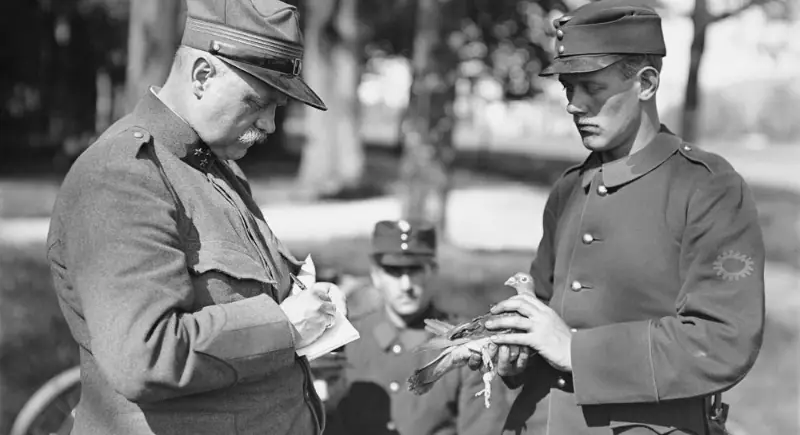
Military communication typically failed during major operations, especially when radio equipment broke down or signals became unreliable. Carrier pigeons offered a dependable alternative for delivering urgent messages. Signal units trained the birds to return to their lofts while carrying written notes attached to their legs.
Dogs Rescued People Buried in Rubble
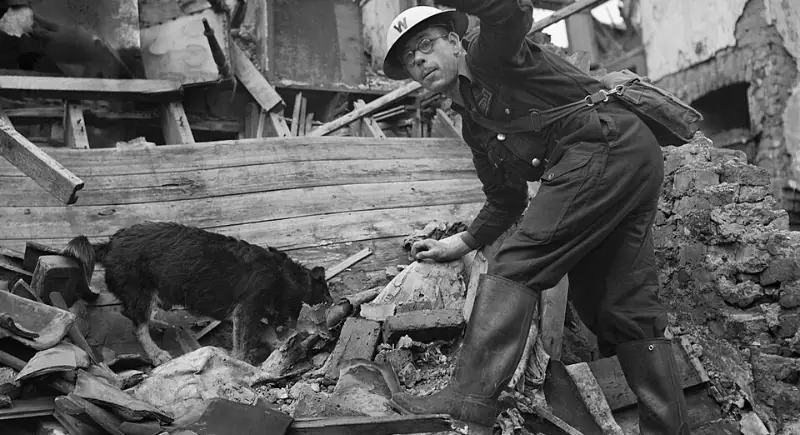
During World War II, air raids left many cities buried under collapsed buildings, with civilians trapped beneath the rubble. Rescue teams quickly realized that dogs could help find survivors where humans could not easily search. In London, a stray dog named Rip became famous for helping air raid wardens locate people buried under debris. Another rescue dog, Jet, worked alongside his handler and helped save around 150 people trapped in bombed buildings.
Pack Animals Delivered Supplies to Front Lines
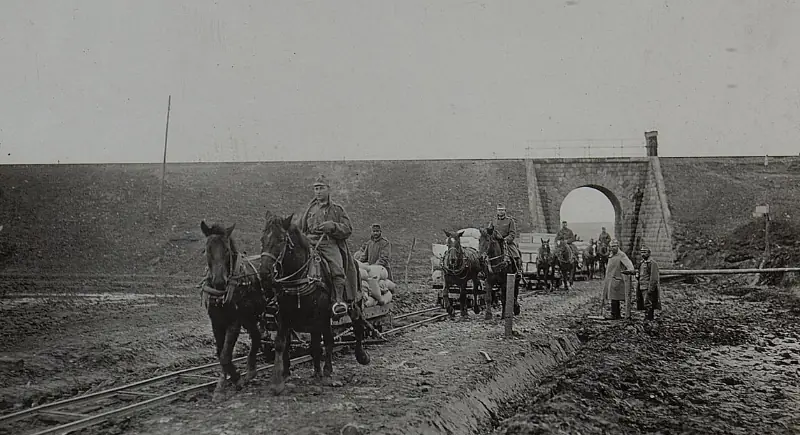
Horses, mules, and donkeys carried ammunition, food, and medical supplies across battlefields damaged by artillery. Heavy bombardment tended to destroy roads and leave vehicles unable to reach front-line positions. This is where pack animals were used because they could move steadily through mud, steep hills, and broken ground.
Elephants Performed Heavy Wartime Labor
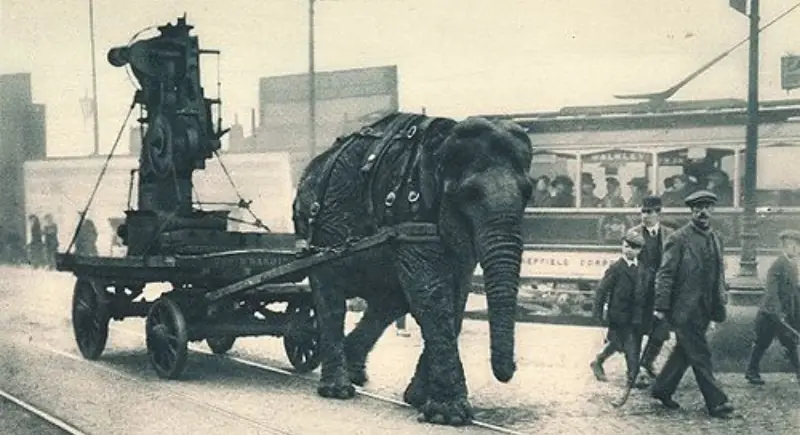
The ability of elephants to move heavy equipment through dense jungle terrain and areas with poor road networks helped them play an important role in logistics in parts of Asia during World War II. They were used to transport weapons and assist with construction work. Elephants also helped move aircraft parts and other large objects that soldiers could not manage alone.
Animals Helped Control Rats in War Zones
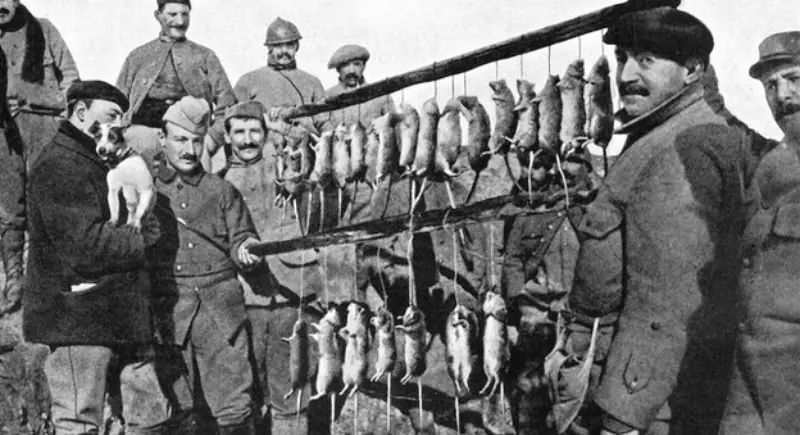
Trench warfare created harsh living conditions where rats spread quickly and threatened food supplies. Officials relied on cats and dogs to control these pests. For example, cats mostly lived aboard naval ships and hunted rodents that damaged stored food supplies. These pest control efforts improved hygiene and protected limited food supplies during long periods of fighting.





