
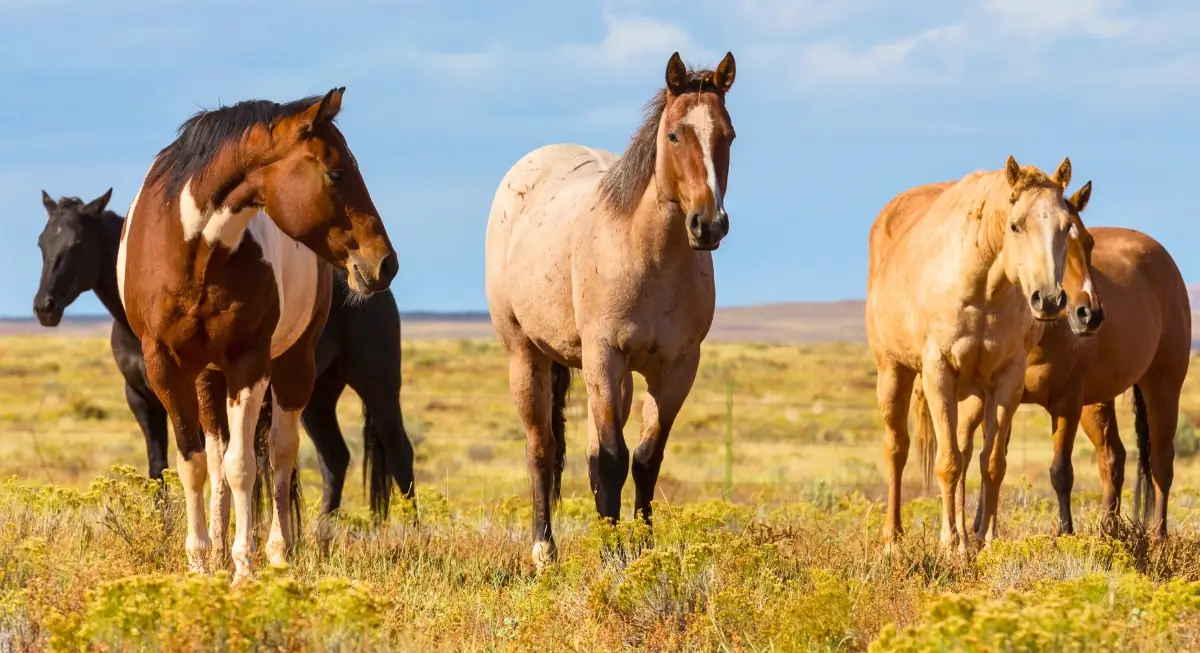
Learning to ride is a lot easier when you’re paired with the right horse. Some breeds are known for being patient and steady, which is exactly what most beginners need. You don’t want a horse that’s jumpy or hard to manage—you want one that allows you to build trust and feel comfortable. This list is about breeds that are easy to work with, forgiving when you make mistakes, and just plain good to learn on.
Quarter Horse
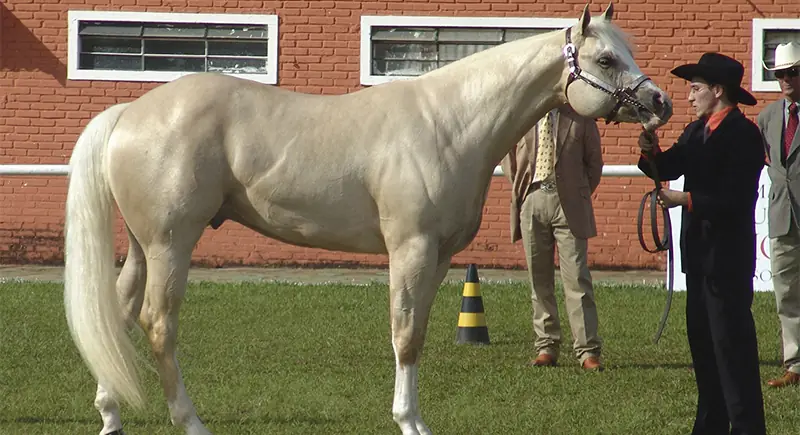
Quarter Horses are one of the most common starter breeds. They’re balanced and respond well to new riders. Their bodies are strong and compact, which makes them just right for trail rides and basic skills.
Morgan
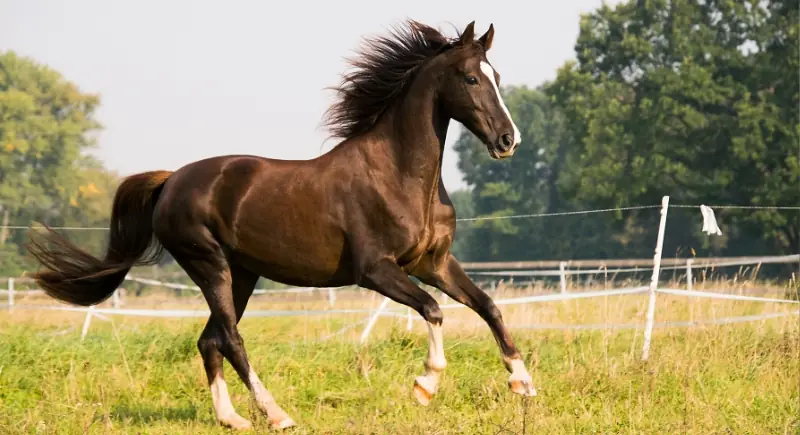
Morgans are known for being friendly and smart and make excellent partners for beginners who are still learning. They adapt well and tend to bond with people quickly. They’re not too big, which makes it easy to build confidence. Their easygoing nature makes them ideal for riding lessons or relaxed long rides.
Paint Horse
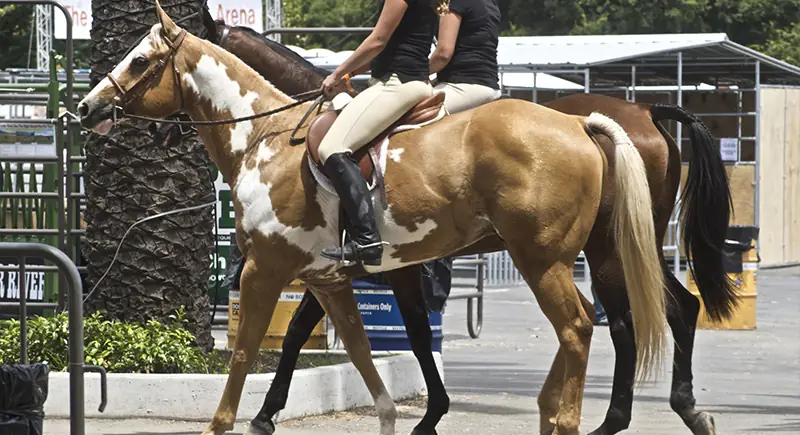
Paint Horses are known for their unique color patterns, but they’re also excellent horses for fresh learners. They’re even-tempered and usually easy to train. Many riding schools use them because they tend to stay calm in busy settings. Their cool attitude makes the process feel less stressful.
Appaloosa
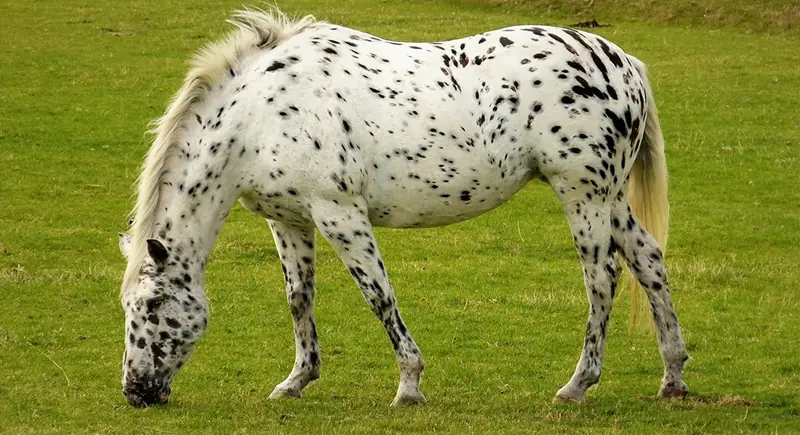
These spotted horses are stable and sensible. They don’t panic easily and are often used in beginner-riding programs. They’re not overly strong or pushy, so riders feel in control. They’re also smart enough to understand cues but not so reactive that they overwhelm newcomers.
Tennessee Walking Horse
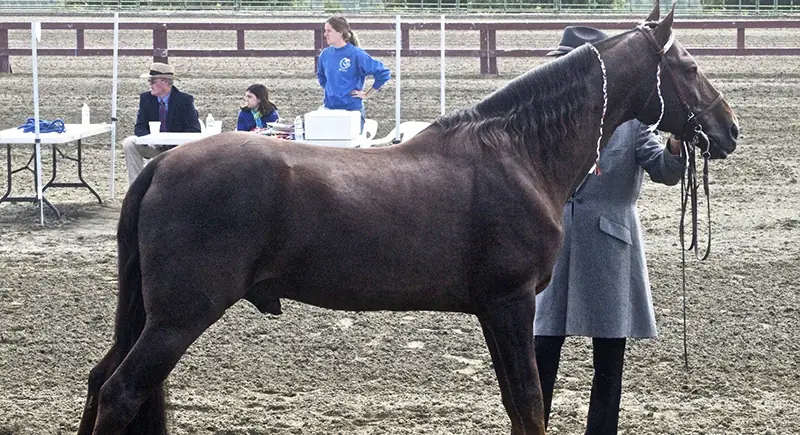
These horses are smooth to ride and don’t bounce much, which is key to maintaining a steady pace. Their slow pace and soft gait make them easier to handle than other breeds. They’re known for being patient, which makes them a good choice for long, quiet rides.
Welsh Pony
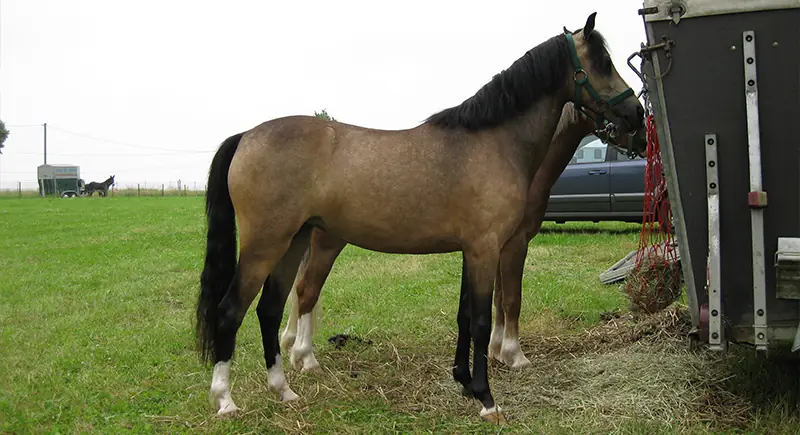
Smaller in size, Welsh Ponies are perfect for kids or young adults. They’re smart, gentle, and can be trained to do a little bit of everything. Some are more spirited, but many are good-natured. They’re often used in lessons because they’re reliable and easy to manage.
Icelandic Horse
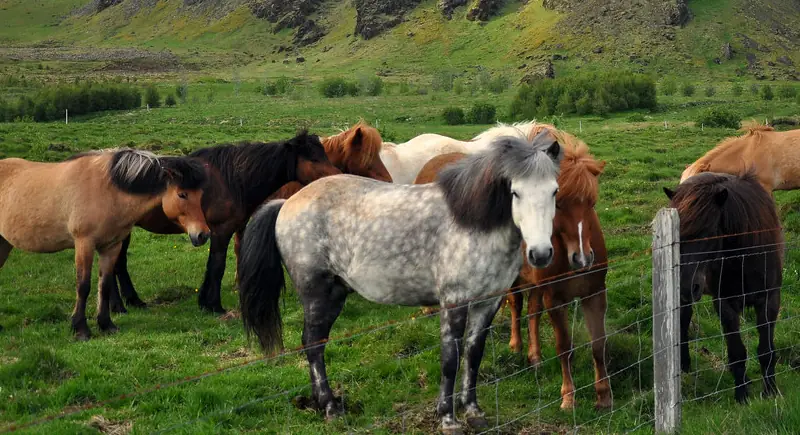
Icelandic Horses are shorter but strong and comfortable to ride. They have a firm gait that helps with balance. Their smaller size makes them feel less intimidating. They’re used to rough weather and terrain, so they’re sure-footed and confident, which can help nervous people feel safer.
Haflinger
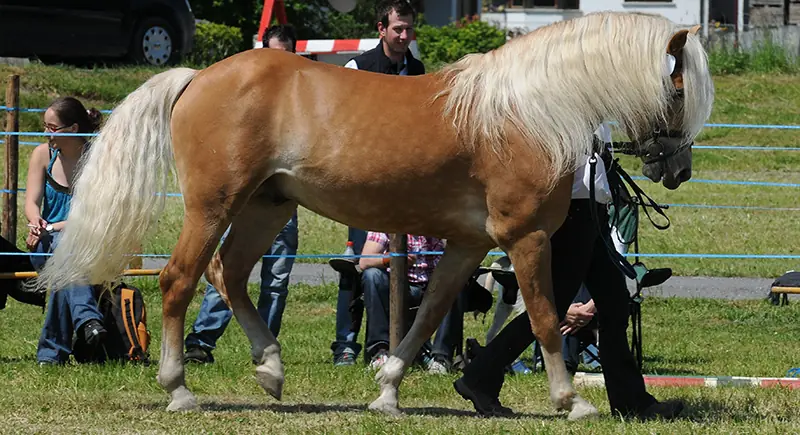
Haflingers are sturdy horses with a gentle attitude. They’re easy to train and often used for both riding and pulling carts. Because of their strength and patience, they’re a good fit for people who are new to riding.
Connemara Pony
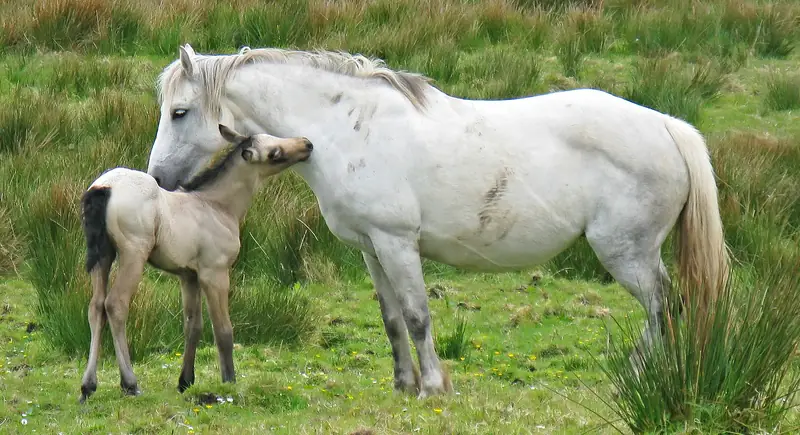
This Irish breed is what fresh learners need because they’re willing and secure. They’re strong enough for adults but small enough for kids. Their patience makes training fun, and they adapt well to both flat work and trails. Many riding schools rely on them.
Percheron
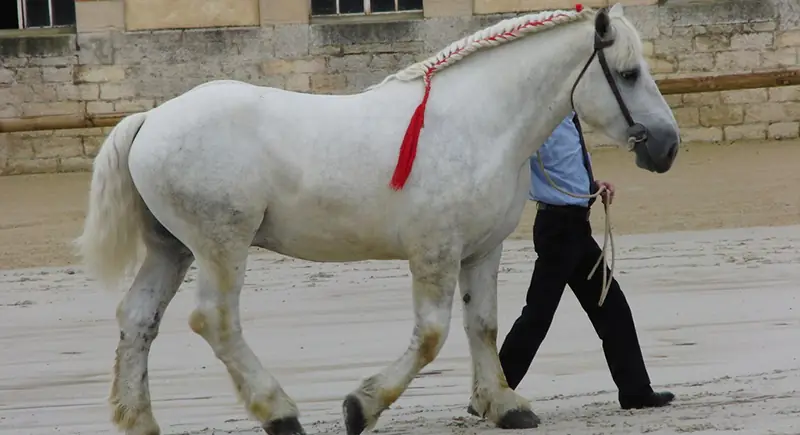
These towering giants are large but very easygoing. Percherons are draft horses, but they’re often used for initial lessons because of their quiet nature. They move slowly, think before reacting, and are hard to spook. If their size doesn’t intimidate you, they’re surprisingly easy to handle.
American Saddlebred
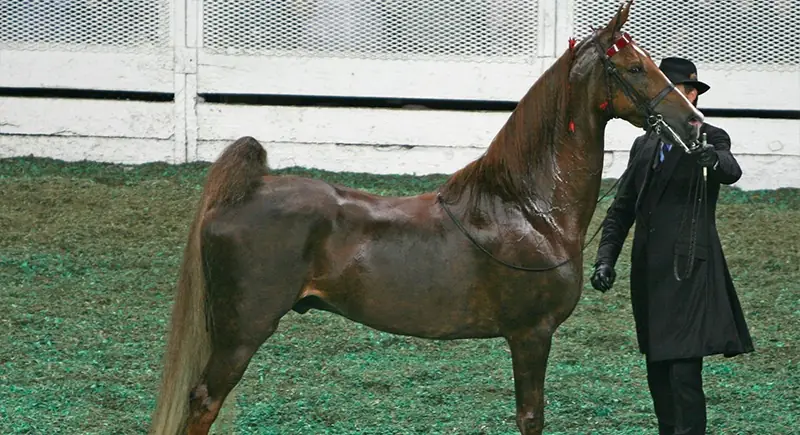
Saddlebreds are alert without being too much to manage. They’re often used in shows, but many are also steady enough for those just starting out. If trained well, they’re responsive and willing to work.
Rocky Mountain Horse
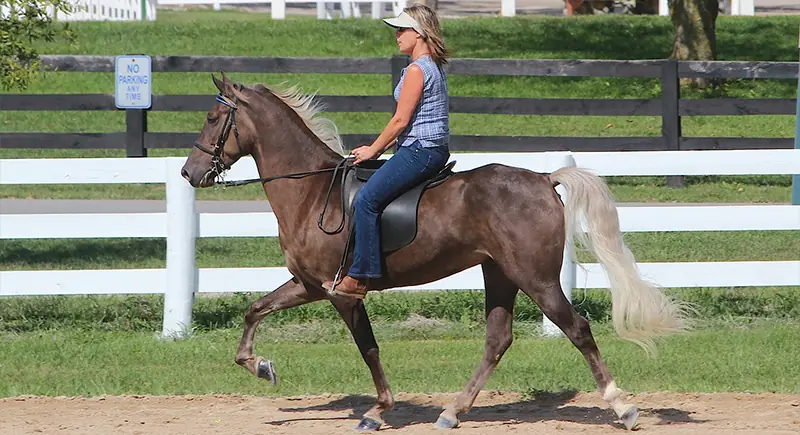
These horses have a unique gait that feels nice and easy to ride. They’re usually understanding, kind, and not easily startled. They also bond well with their rider and are often used for trail riding.
Arabian (Well-Trained)
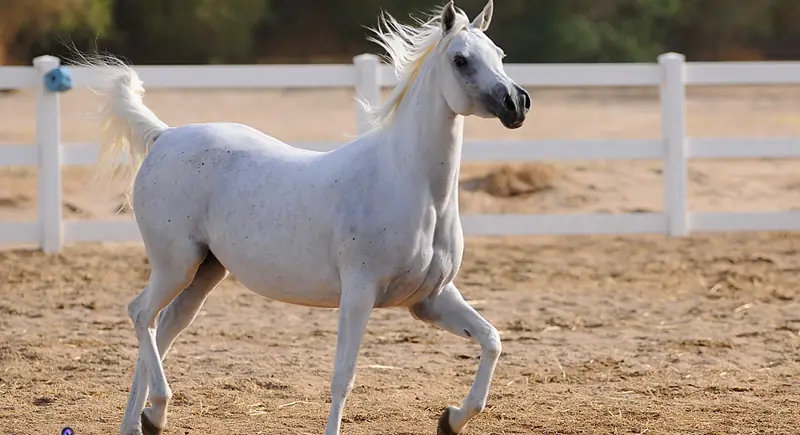
Arabians can be energetic, but a well-trained one is smart and very aware of their rider. They’re shorter and lighter than many breeds. These animals are not for everyone—but with the right match, they can be great teachers.
Clydesdale
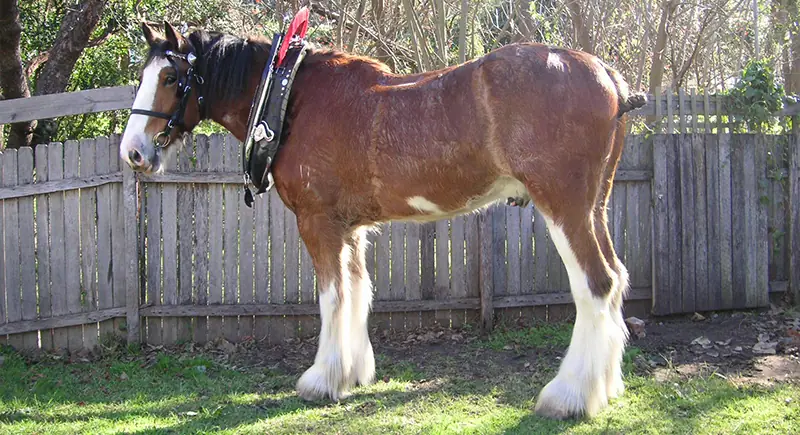
Often seen in parades, Clydesdales are large but very kind. Their slow pace makes them surprisingly manageable. They’re not built for speed, which is a plus for someone trying to take it slow. If space isn’t an issue, their soft nature makes up for their size.
Missouri Fox Trotter
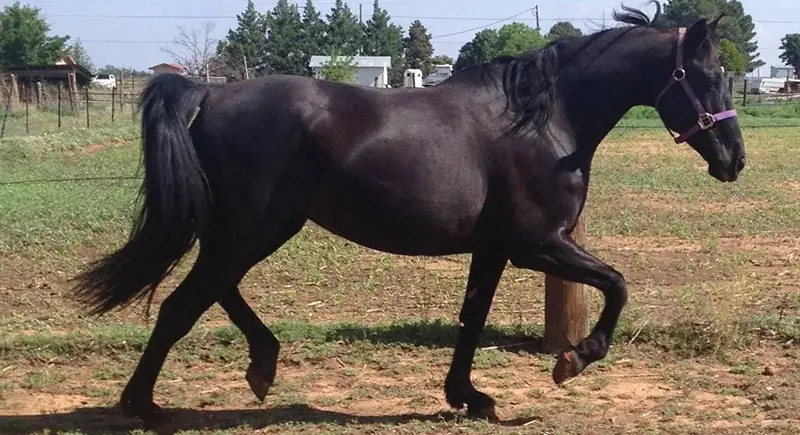
This breed is known for its gliding gait, which helps amateurs stay balanced. They’re quiet, comfortable, and restful. They’re used for trotting and lessons because they rarely rush. People who want a relaxed experience often find them easier to ride than expected.
Norwegian Fjord
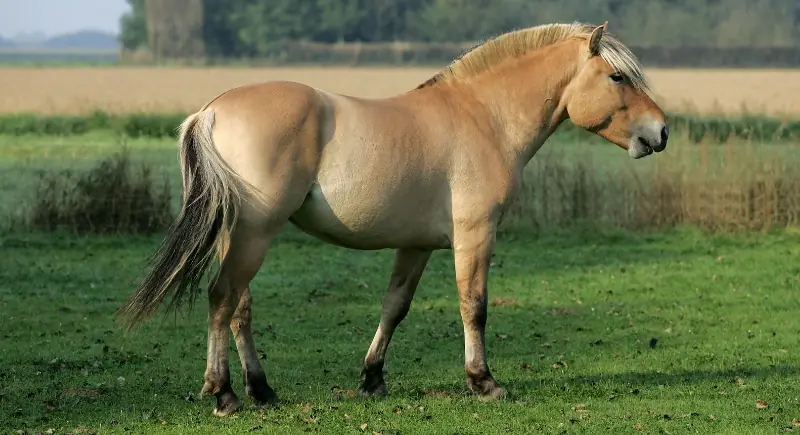
The Norwegian Fjord looks sturdy and compact, and that build works in a beginner’s favor. This ancient breed from Norway is known for a calm, steady temperament and strong work ethic. Fjords are usually willing and patient, which helps new riders feel secure. They’re often used in lesson programs and trail riding for good reason.
Irish Draught
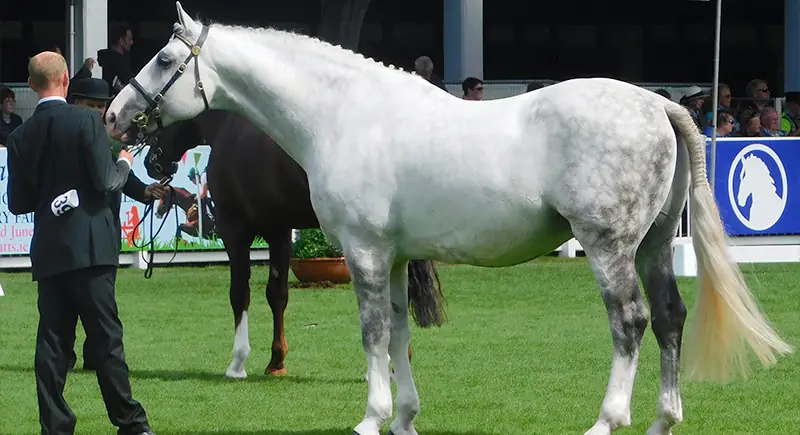
Irish Draught horses are solid, balanced, and known for their kind nature. They were initially bred in Ireland as versatile farm and riding horses, which is reflected in their steady temperament. While larger than some starter breeds, many have a relaxed temperament. In riding schools and family barns, they’re often valued for being dependable partners.





