
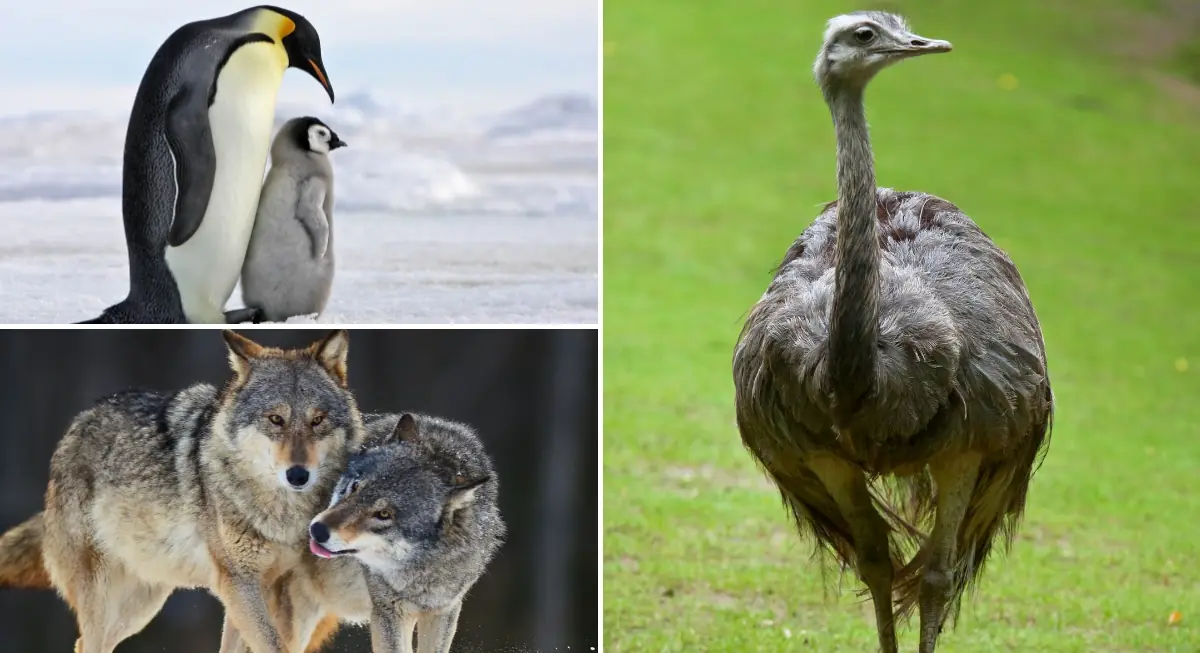
Some animal fathers take their responsibilities to a new level when raising the next generation. They incubate eggs and carry tiny babies across the forest floor. Their dedication, creativity, and hard work help their young survive and show how varied and fascinating animal parenting can be. Here is a closer look at some of nature’s most dedicated dads.
Seahorses
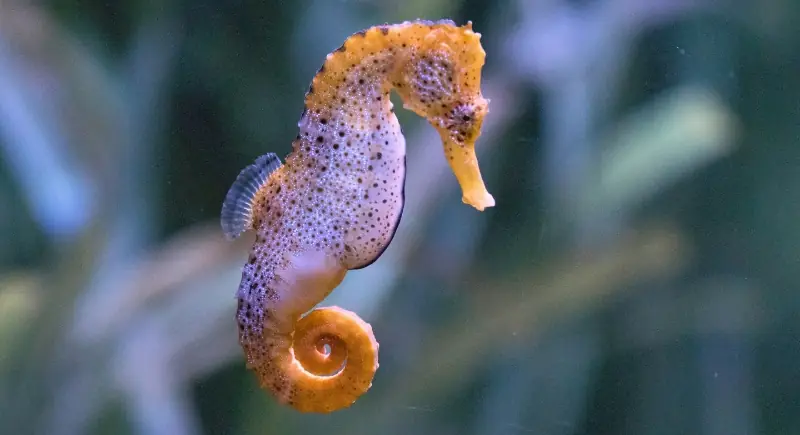
Seahorse fathers have one of the most unusual parenting roles in the underwater world in the underwater world. Males nurture their offspring within a brood pouch that offers safety and sustenance. Nutrients like calcium help the developing babies grow strong skeletons, while their dad regulates temperature and blood flow inside the pouch to keep them healthy.
Mouthbrooding Fish
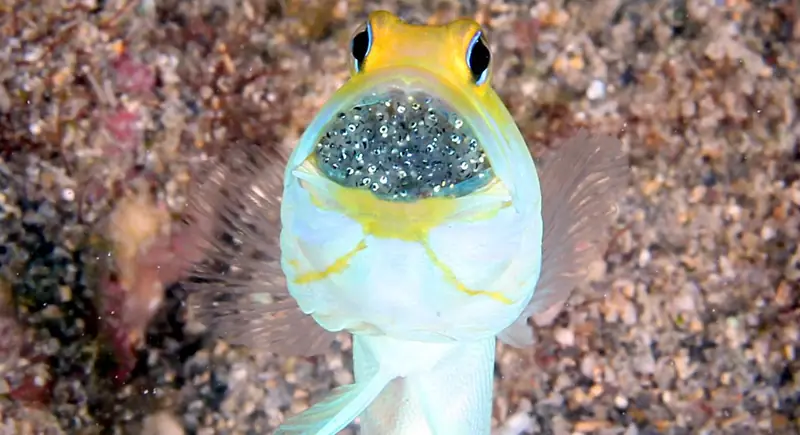
In species that practice mouthbrooding, male parents protect fertilized eggs by holding them safely inside their mouths. This clever strategy keeps the eggs from predators, although it comes with risks. In places like Lake Tanganyika, sneaky catfish even trick these loving dads into raising impostor offspring alongside their own.
Owls
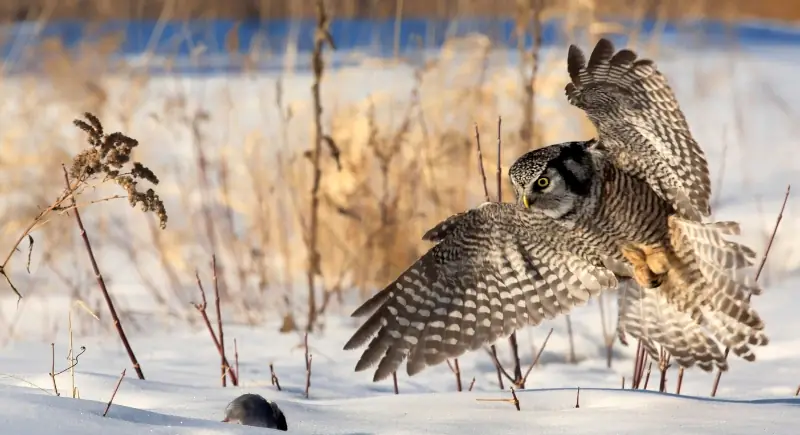
Keeping a growing family fed is no small task, but owl dads take the lead in hunting and delivering meals. The mothers stay behind to incubate the eggs, but their other halves manage nearly every task once the eggs are laid. The dads in barn owls and burrowing owls, especially, scout out prey, store extra food for later, and fiercely stand guard against potential intruders or threats.
Giant Water Bugs
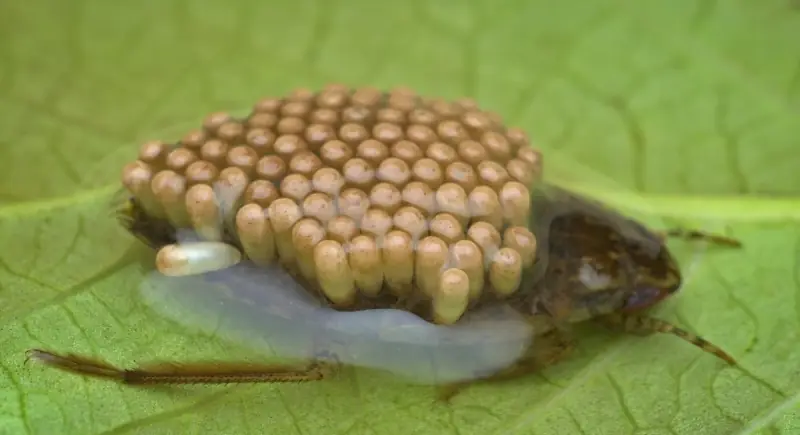
Egg-carrying takes a literal turn with giant water bugs. After mating, females attach dozens of eggs to the male’s back. He keeps the eggs moist for the next couple of weeks and fans them with his wings to ensure enough oxygen reaches the developing nymphs.
Smooth Guardian Frogs
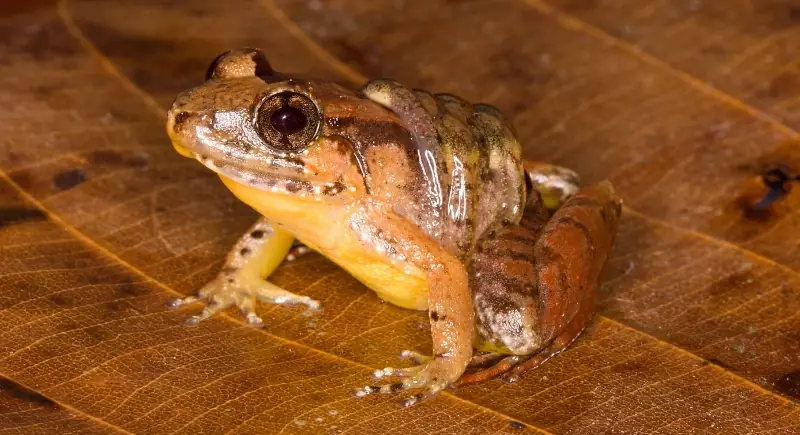
In the wet forests of Borneo, male smooth guardian frogs stay close to the eggs after the females move on. When the tadpoles hatch, they cling to his back, ready for transport. He shuttles them through dense underbrush to isolated puddles.
Greater Rheas
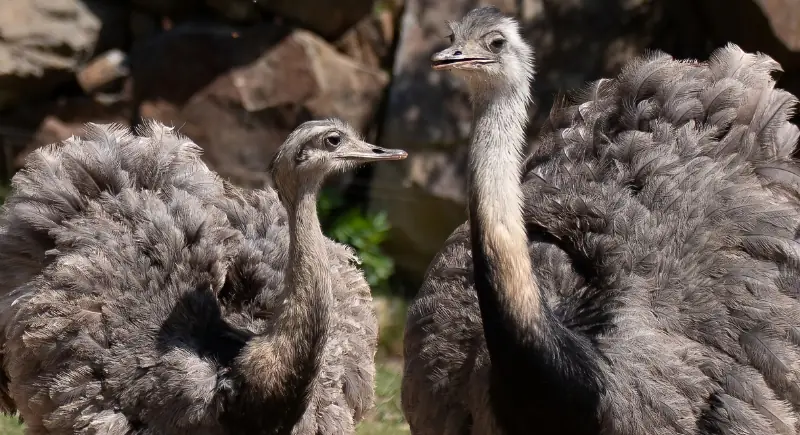
Greater rhea males build sprawling nests, sometimes hosting eggs from a dozen females. After the eggs are laid, the dads take over by incubating the clutch for weeks. Even after the chicks hatch, these devoted dads stand between their young and danger by shielding the vulnerable little ones from threats, including aggressive females looking to take out the competition.
Emperor Penguins
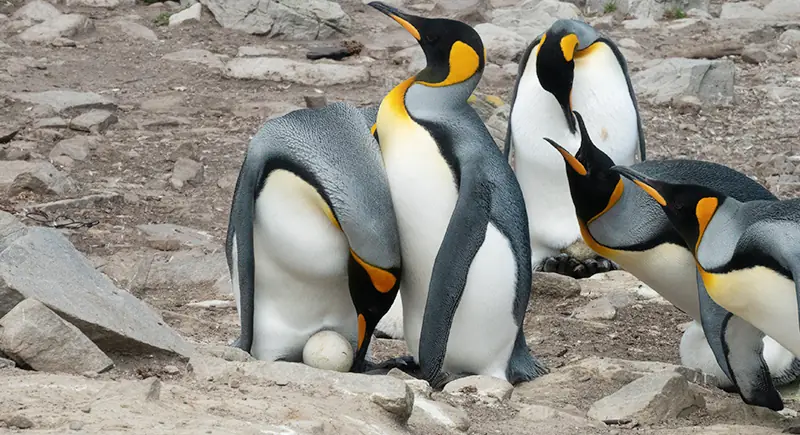
Braving Antarctica’s fiercest conditions, emperor penguin fathers cradle a single egg on their feet, tucked under a flap of skin. They stand huddled together, battling winds and freezing temperatures for over two months without eating. Their endurance and dedication ensure the chick has a warm start until the mother returns from the sea.
Poison Frogs
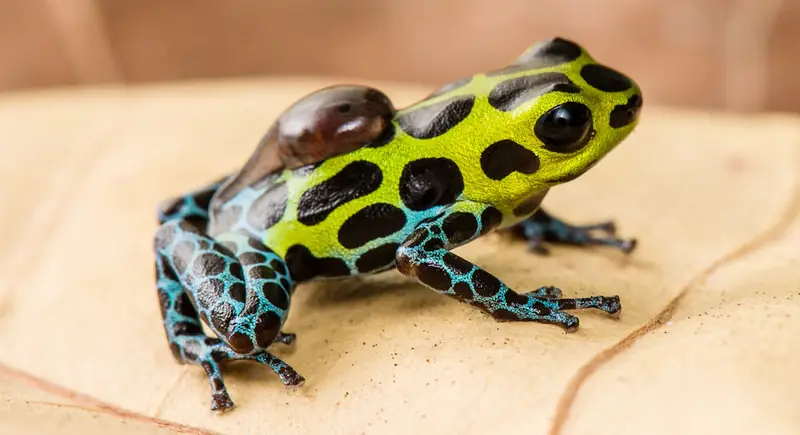
These brightly colored poison frogs show incredible care once their eggs hatch. The male counterparts transport their young piggyback-style, climbing high into trees to find water-filled plant hollows. They don’t abandon them there; instead, they return frequently to check the conditions and make sure their precious children are safe and developing properly.
Gharials
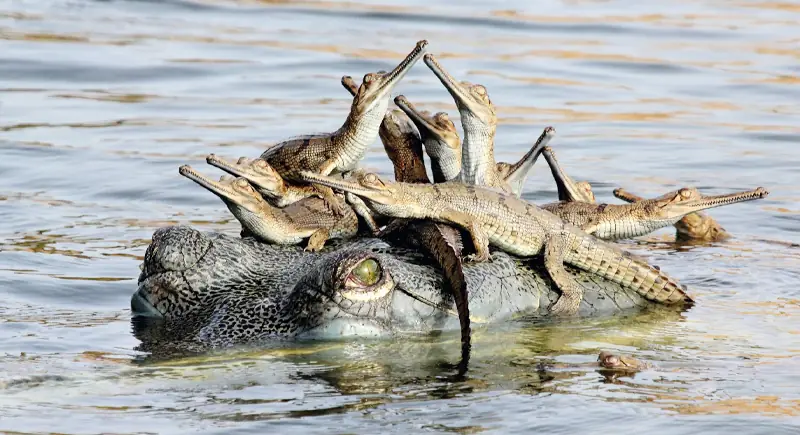
Gliding through rivers with hatchlings perched on their backs, male gharials stay close to their young. These attentive figures guard the small ones against predators and rival males. Their unusual appearance, marked by a long snout and bulbous tip, doesn’t stop them from being fierce defenders of the next generation.
Jacanas
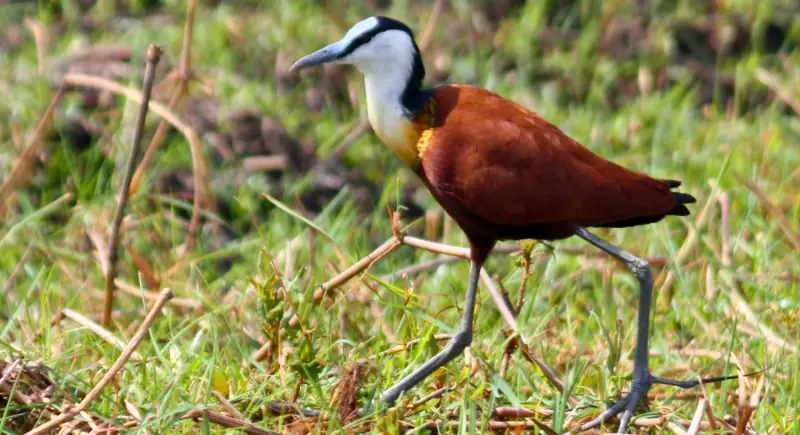
On the water’s surface, floating nests built by male jacanas cradle future generations. These parents invest time fending off dangers while tending both eggs and hatchlings. In their matriarchal society, males do all the parenting while females roam and mate freely. It’s a rare twist where the dads carry nearly the entire burden of care.
Bald Eagles
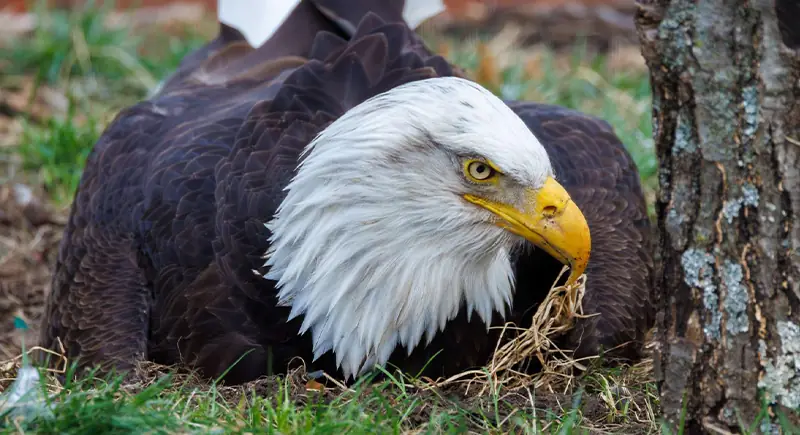
Murphy, a captive bald eagle, showed how strong parenting instincts can be. He built a nest for a rock before caretakers introduced him to an orphaned eaglet. He quickly accepted his new role, nurturing and feeding the chick until it grew strong enough to one day soar on its own.
African Wild Dogs
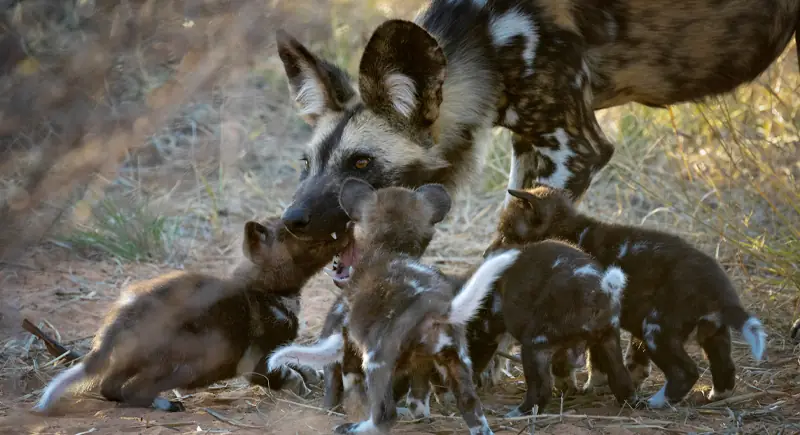
Feeding hungry pups requires creativity, and African wild dog fathers deliver. Since their young can’t chew solid meat, the dads swallow food and regurgitate it back in a softer form. This method keeps pups nourished and ensures they stay close to the den, away from predators lurking outside.
Golden Lion Tamarins
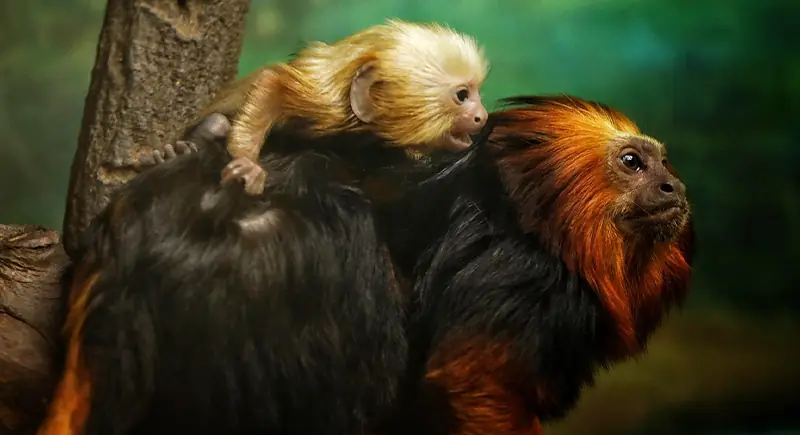
Golden lion tamarin dads never seem to rest. From two weeks old, the infants cling to them nearly nonstop. Dads hand the babies over for nursing and then take them back, even mashing soft foods to help the little ones transition to solid meals as they grow.
Marmosets
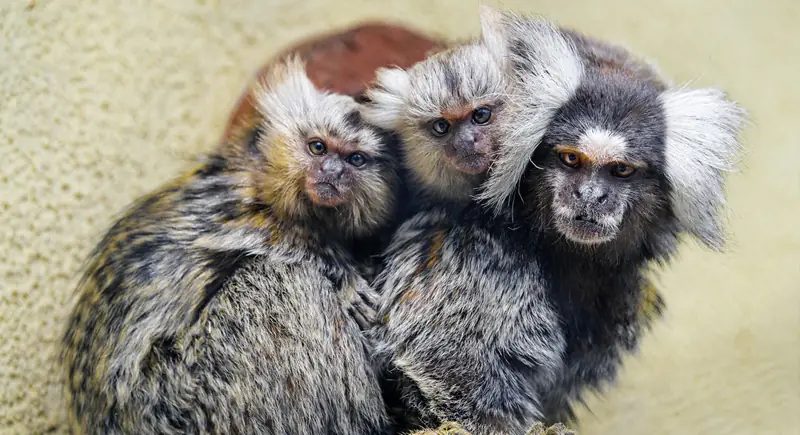
Caring starts at birth for marmoset fathers. They are present during delivery, cleaning up after birth, and severing umbilical cords. In the weeks that follow, they keep the infants clinging as they move branch to branch, feed them, groom them tirelessly, and make sure the tiny infants grow healthy and strong in their early days.
Barbary Macaques
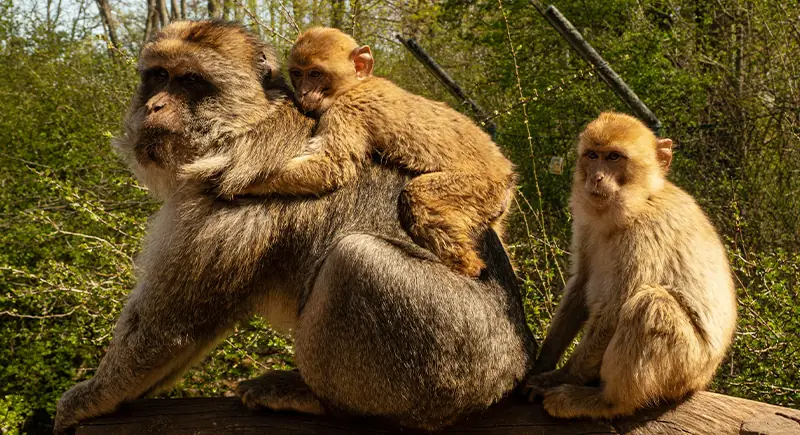
Among Barbary macaques, carrying and caring for infants helps males build social status within the troop. Males often pick up and carry babies, sometimes not even their own, to foster bonds. This behavior strengthens the group’s unity and keeps the youngest members safer within the community.
Gray Wolves
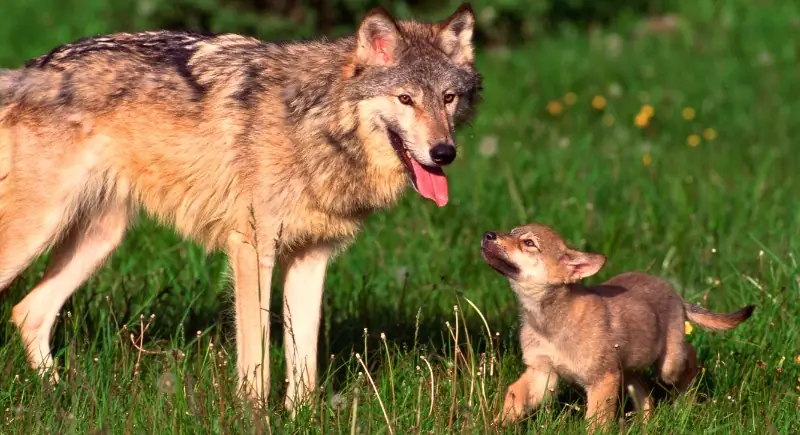
Gray wolf fathers are heavily involved in teaching pups how to hunt and survive. They bring food to nursing mothers, guard the den, and guide young wolves as they learn to track and take down prey. Sometimes, wolf dads even adopt lost pups, raising them as part of their tight-knit family.
Darwin’s Frogs
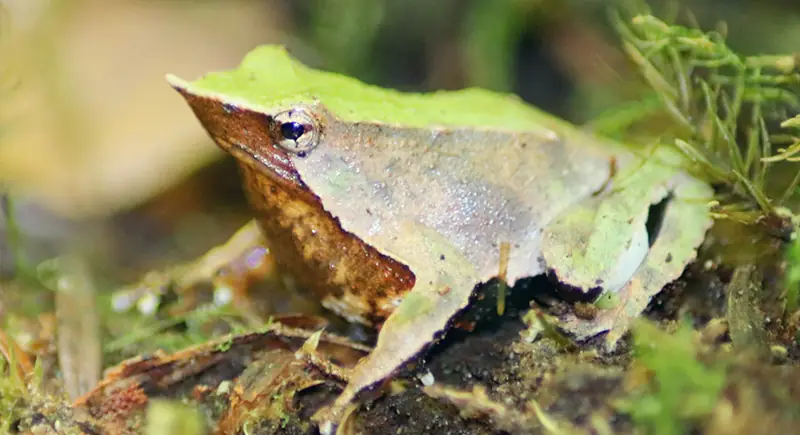
Darwin’s frogs take fatherhood in a direction that still surprises biologists today. After the eggs hatch, the male scoops the tiny tadpoles into his vocal sac, where they continue to develop. He essentially becomes a living nursery, keeping them safe until they emerge as fully formed froglets ready for life outside.
Namaqua Sandgrouse
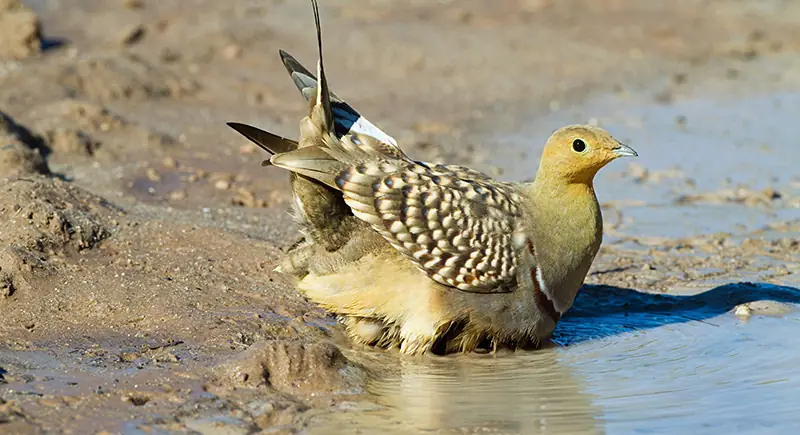
Namaqua sandgrouse fathers handle care in a way that feels almost unbelievable in harsh desert heat. Males fly long distances to water sources, soak their specialized belly feathers, then return so chicks can drink straight from them. While not incubating eggs, their effort becomes essential once those eggs hatch into thirsty young.





