
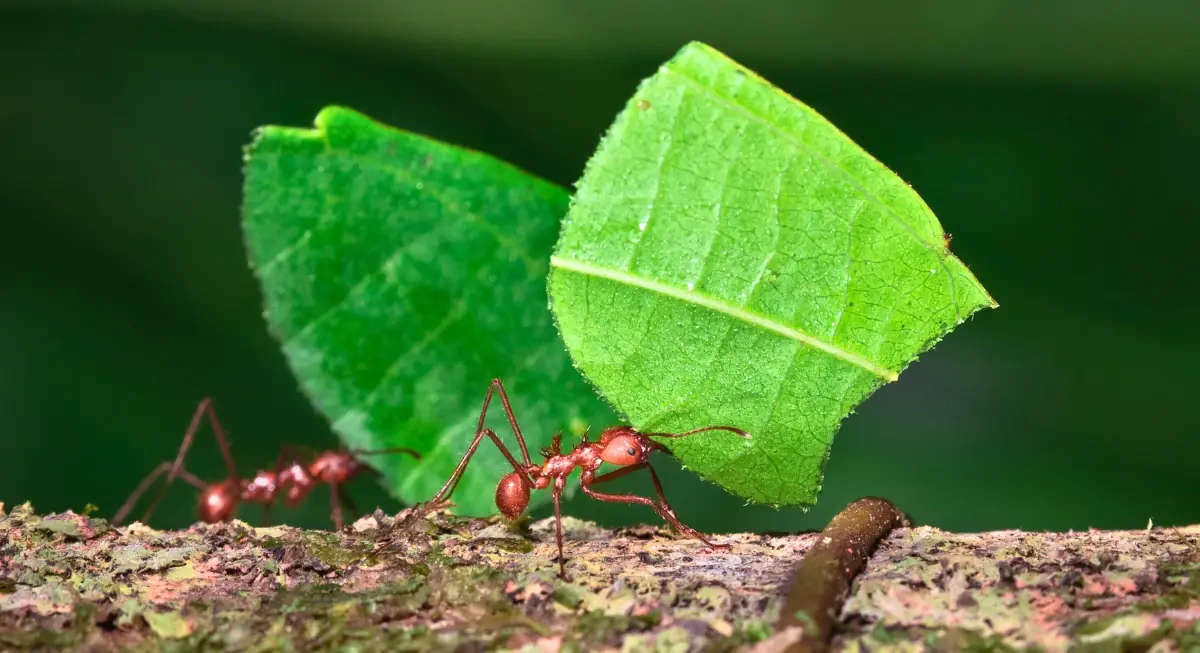
Insects are easy to underestimate. They are small, everywhere, and people swat them as if they were the most insignificant creatures. But the truth is that insects are more fascinating than they are annoying. Some can withstand radiation as if it were nothing, and others have maintained agricultural systems for millions of years. This list of ten insects and their superpowers sounds made up, even though they are not.
The World’s Best Jumper Pulls 400 Gs at Takeoff
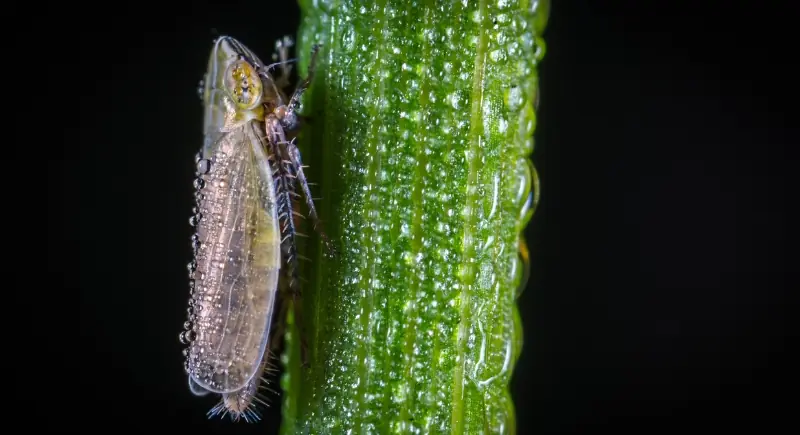
You would probably never notice a froghopper unless you were looking closely at a plant stem. It is about the size of a sesame seed, but it can launch itself nearly 70 centimeters in a single jump. During takeoff, its body withstands more than 400 Gs of force. For comparison, astronauts experience around three to four Gs during a rocket launch. A human body could not survive what this tiny insect handles in a split second.
The Beetle That Reads the Galaxy
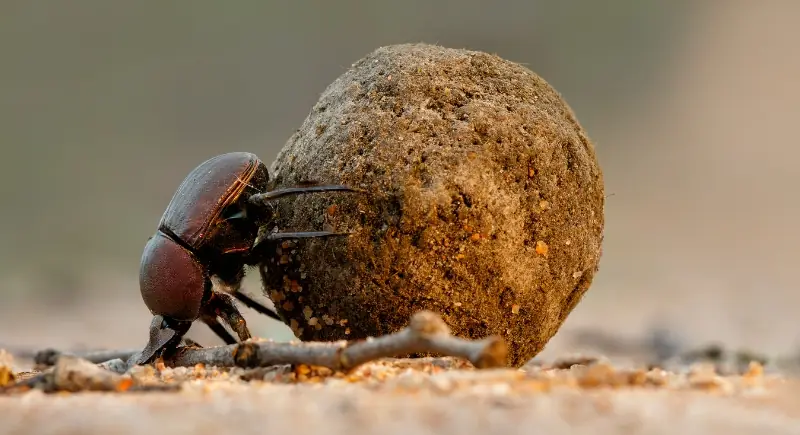
Even on a moonless night, dung beetles will roll their ball in a straight line guided entirely by the Milky Way. This makes them the only insect confirmed to navigate by starlight. A 2013 study in “Current Biology” demonstrated this by fitting the beetles with tiny cardboard hats to block their view of the sky. They lost direction and wandered in circles. When the hats came off, they rolled straight again.
The Insect That Farms, and Has Been Doing It for Millions of Years
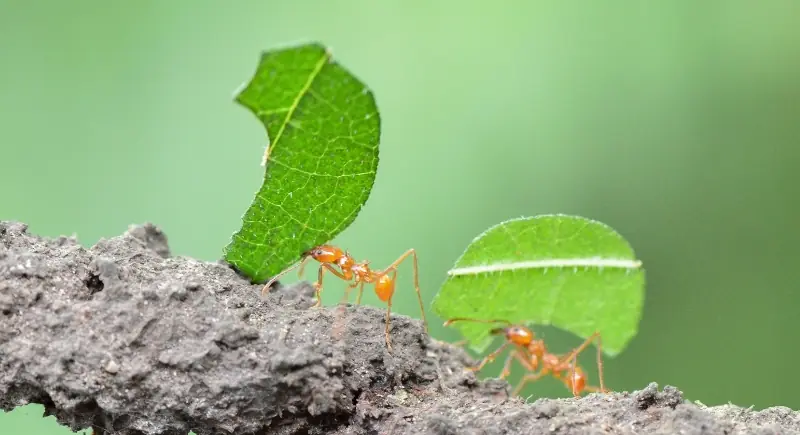
Several million years ago, a group of ants figured out farming and have not stopped since. While they eat other items, leafcutter ants clip leaves, haul them underground, and grow a specific fungus that the colony primarily feeds on. Interestingly, that fungus barely exists anywhere in the wild because it mainly survives in ant farms. Their nests run several meters deep and include ventilation shafts and waste chambers.
The Predator That Rarely Misses
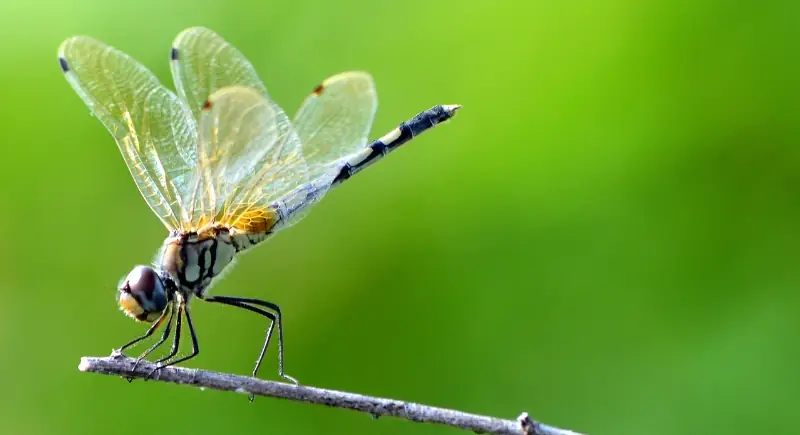
Every time a dragonfly hunts, it catches its target with a relatively high success rate because it speculates where prey will be and flies to that spot instead of chasing it. Harvard researchers found that dragonflies isolate a single target in a swarm before intercepting the prey before it registers any movement. Lions succeed in roughly one in four hunts, but those are rookie numbers by dragonfly standards.
The Beetle With a Wild Chemical Weapon
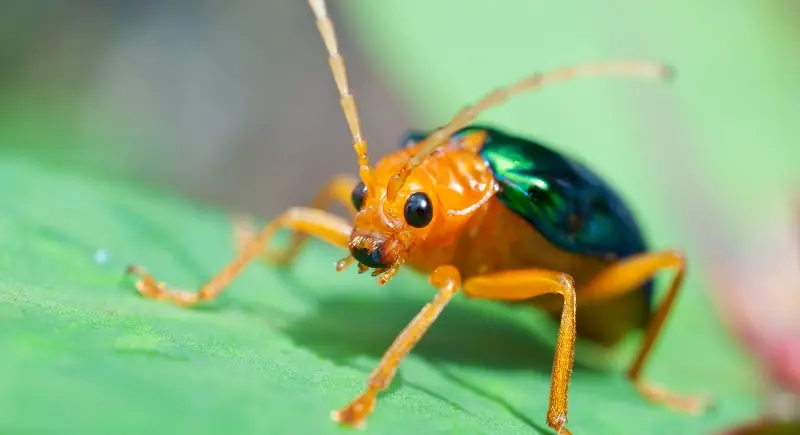
The bombardier beetle carries a functional internal cannon by storing two chemicals in separate body chambers. When under threat, the insect forces both chambers that react at 100 degrees Celsius and fire through a rotating nozzle capable of aiming in nearly any direction, including backward between its own legs.
The Ant That Bites Its Way Into the Air
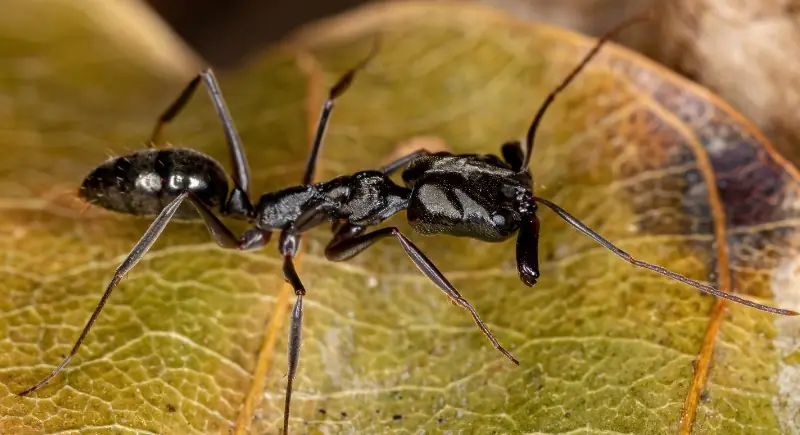
The trap-jaw ant holds the record for the fastest resettable movement ever measured in any animal. Their mandibles snap shut at 145 miles per hour in 130 microseconds and generate forces 300 times the ant’s body weight. Researchers also found that when the ant bites the ground, the recoil launches it 20 body lengths into the air.
The Strongest Animal on the Planet, Pound for Pound
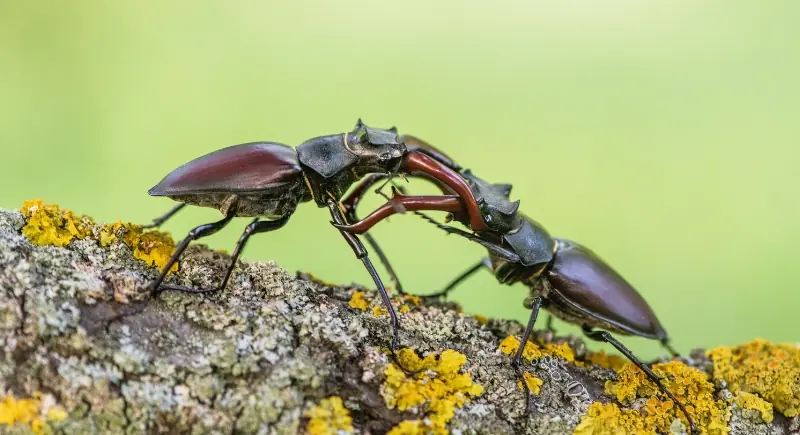
Male beetles battle each other inside narrow underground tunnels where there is barely room to move. When two rivals meet, the contest comes down to who can push or pull harder. Researchers at Queen Mary University of London found that these beetles can pull up to 1,141 times their own body weight. For an animal this small, that ratio puts almost everything else to shame.
The Butterfly With a Built-In Compass
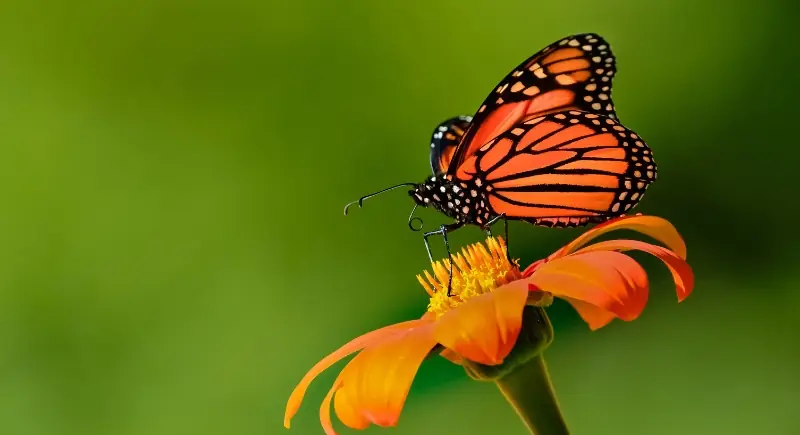
Travelling 3,000 miles on a first attempt is daunting, but monarch butterflies do not get a practice run. Each generation makes the journey from Canada to a specific mountain range in Michoacán, Mexico, guided by a magnetic compass in their antennae. Several studies have confirmed that their antennae activate under overcast skies when solar navigation fails. It’s fascinating how reliable this seemingly simple navigation system is.
The Bug That Can Survive Almost Anything
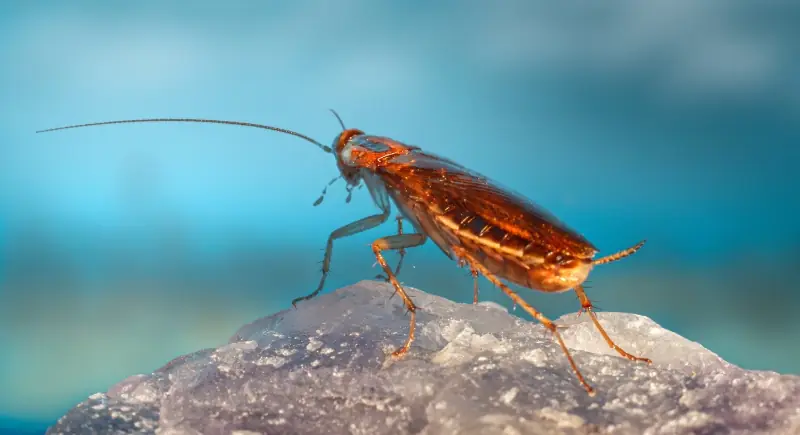
Most animals will stop functioning shortly after they literally lose their heads. Cockroaches keep going for up to a week because their nerve ganglia are spread throughout the body rather than routed through the brain, and only die once dehydration sets in. Their radiation tolerance is also roughly 6 to 15 times what is considered lethal for humans, thanks to cells that divide so infrequently.
The Bee That Invented a Language Made of Dancing
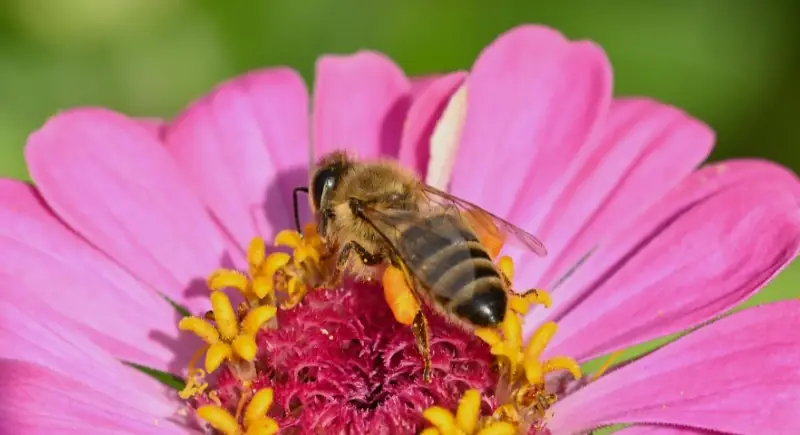
The waggle dance seems like a weird ritual until you understand what it means. A honeybee returning from a food source performs a figure eight in which the straight-run angle maps direction relative to the sun and the duration maps distance, giving nestmates directions to targets several kilometers away. Karl von Frisch spent decades cracking the code and collected the Nobel Prize in Physiology or Medicine in 1973 for it.





