
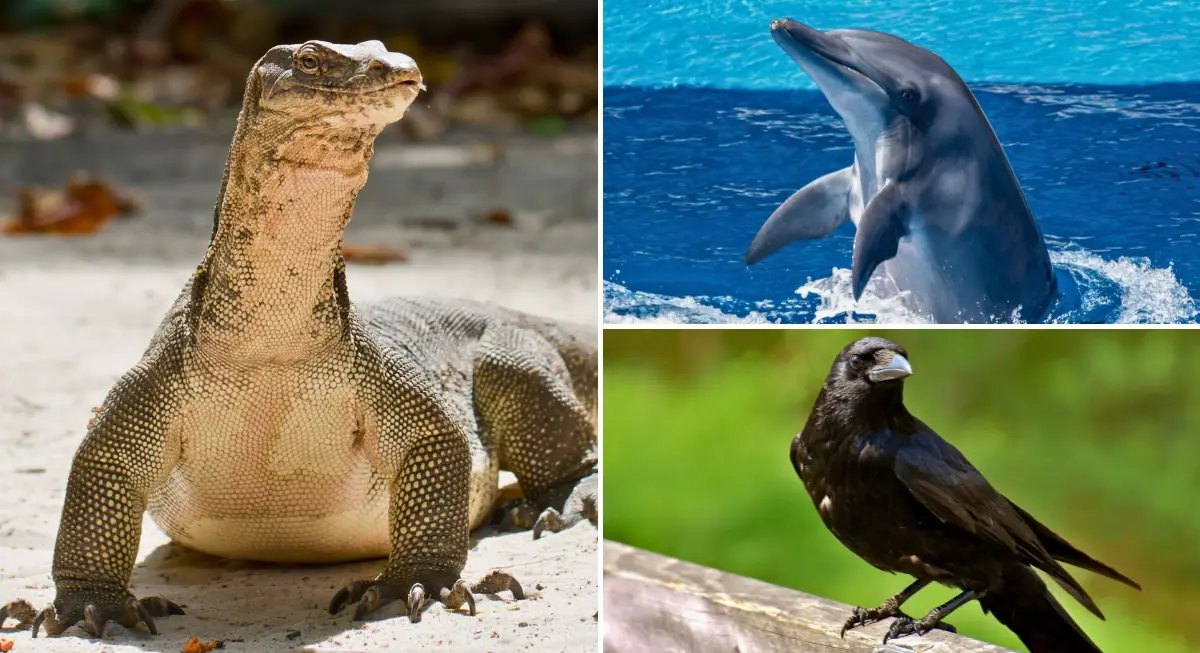
For a long time, scientists judged animal intelligence by how closely it resembled human behavior. That left a lot unnoticed. As research expanded, it became clear that many species think and adapt in their own ways, through memory, problem-solving, and social awareness. The animals on this list stand out because they approach challenges in ways researchers did not expect.
Octopus
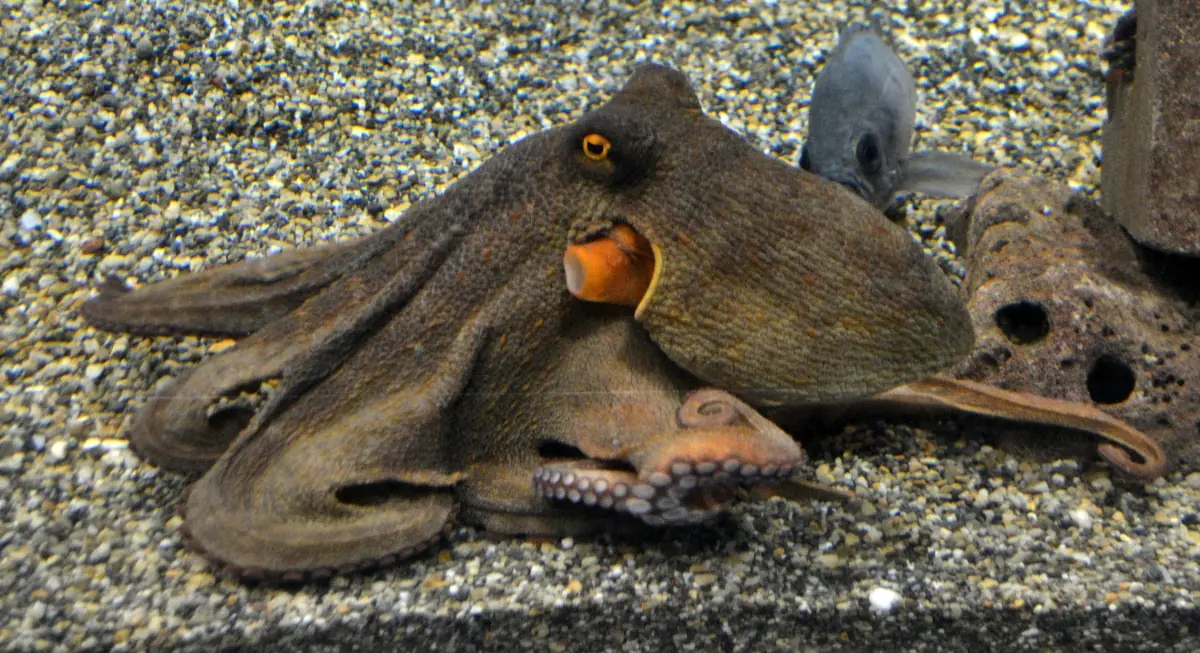
In controlled settings, individuals have opened jars, navigated mazes, and even escaped sealed enclosures. Their nervous system spreads across eight arms, which allows localized decision-making. This setup means actions do not always rely on a central command. Memory also plays a role, as solutions learned once can be applied later without repeated training.
Dolphin
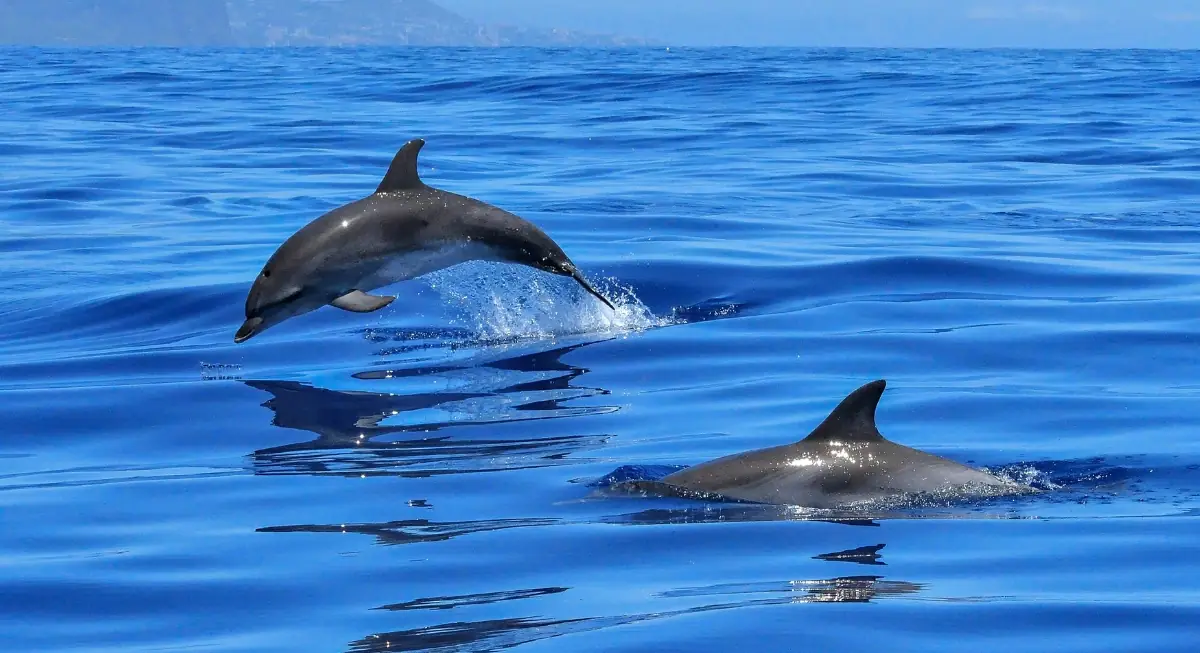
Dolphins process social information with impressive speed. Pods track relationships, alliances, and past encounters across large groups. Field observations off Australia show dolphins using sea sponges as protective tools while foraging along the seabed. In other regions, they coordinate hunting by creating mud rings that trap fish.
Crow
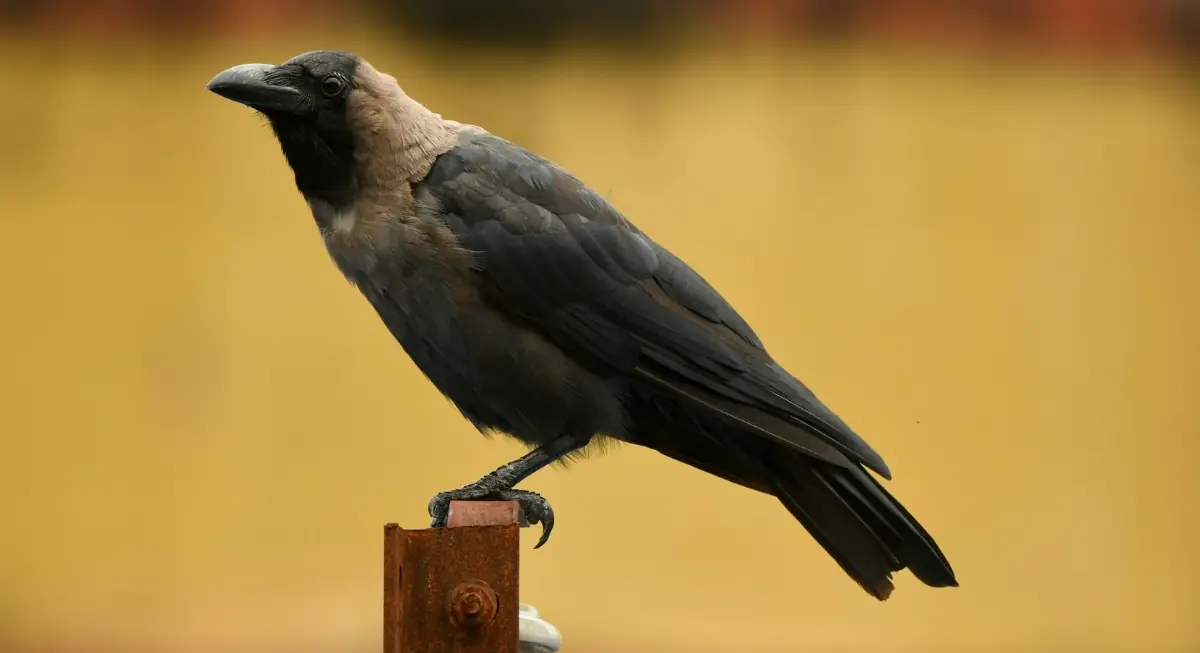
Urban populations have learned to use traffic systems to crack nuts by placing them on roads and retrieving them at crosswalks. Laboratory tests show strong memory for human faces and problem-solving that involves multiple steps. Their brains contain a high density of neurons, which supports planning, recall, and complex decision-making at a level
Elephant
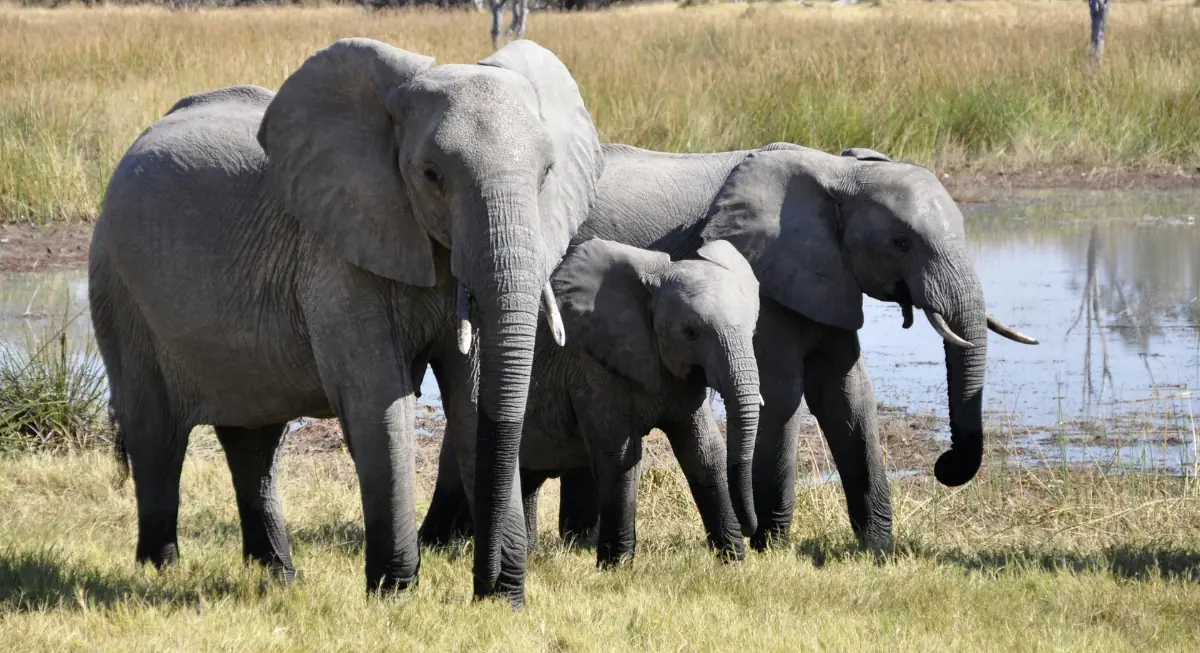
Herds follow migration routes remembered across decades, often guided by older individuals. Research shows they distinguish between different human groups based on voice and scent. Emotional responses also appear in their behavior, especially around loss. Elephants have also been observed revisiting bones of deceased herd members.
African Grey Parrot
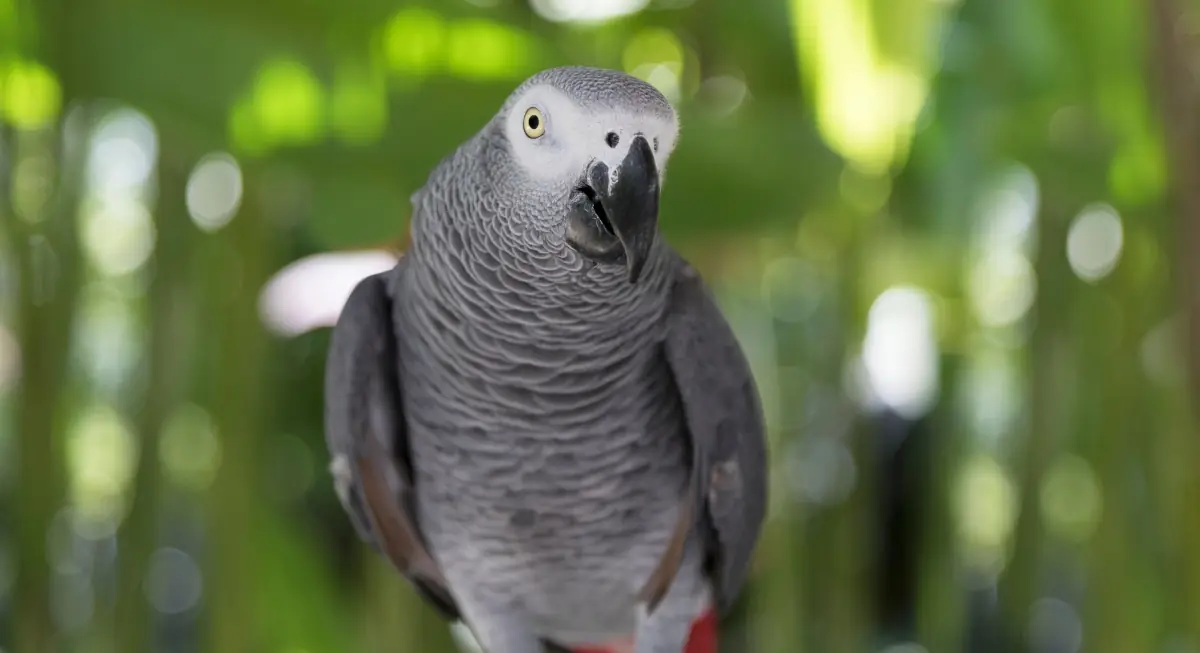
The African grey parrot challenges the idea that birds rely only on mimicry. Studies involving a parrot named Alex revealed the ability to identify colors, shapes, and quantities with accuracy. These birds can also apply words in context rather than repeating sounds. In reasoning tasks, some individuals perform at levels comparable to young children.
Rat
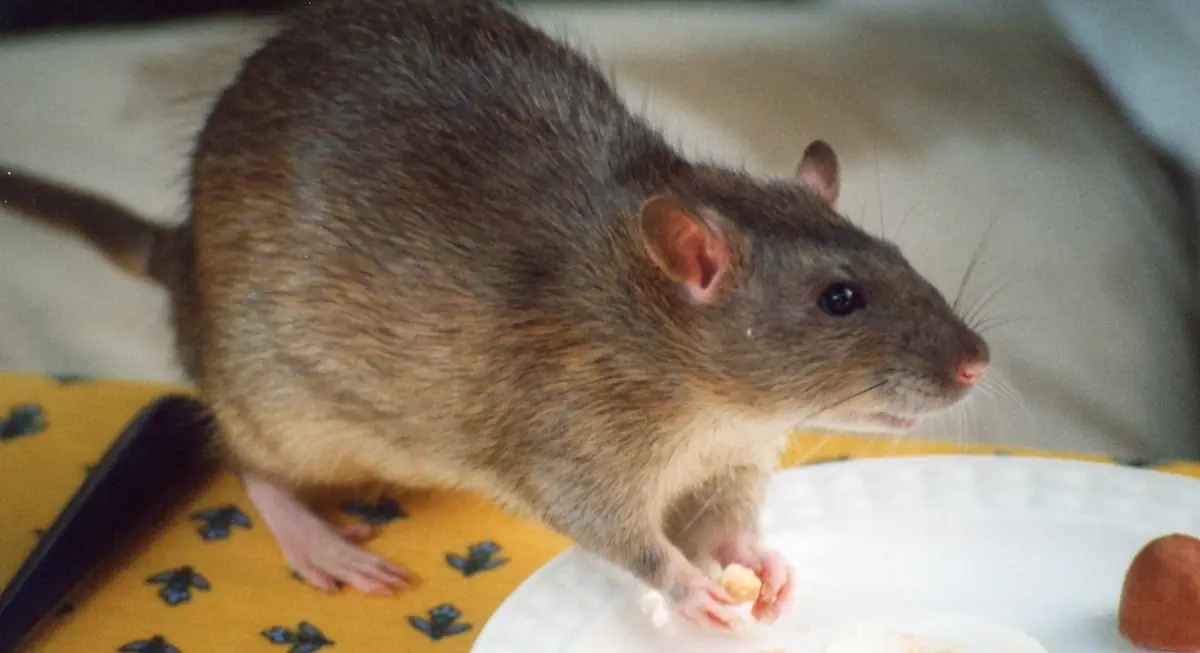
Rats handle complex spaces better than people expect. After moving through a maze just a few times, they can remember the route and find their way back without much trouble. Research also shows that they are aware of others. In some studies, rats chose to free trapped companions even when food was available, which points to a level of empathy not often associated with small mammals.
Whale
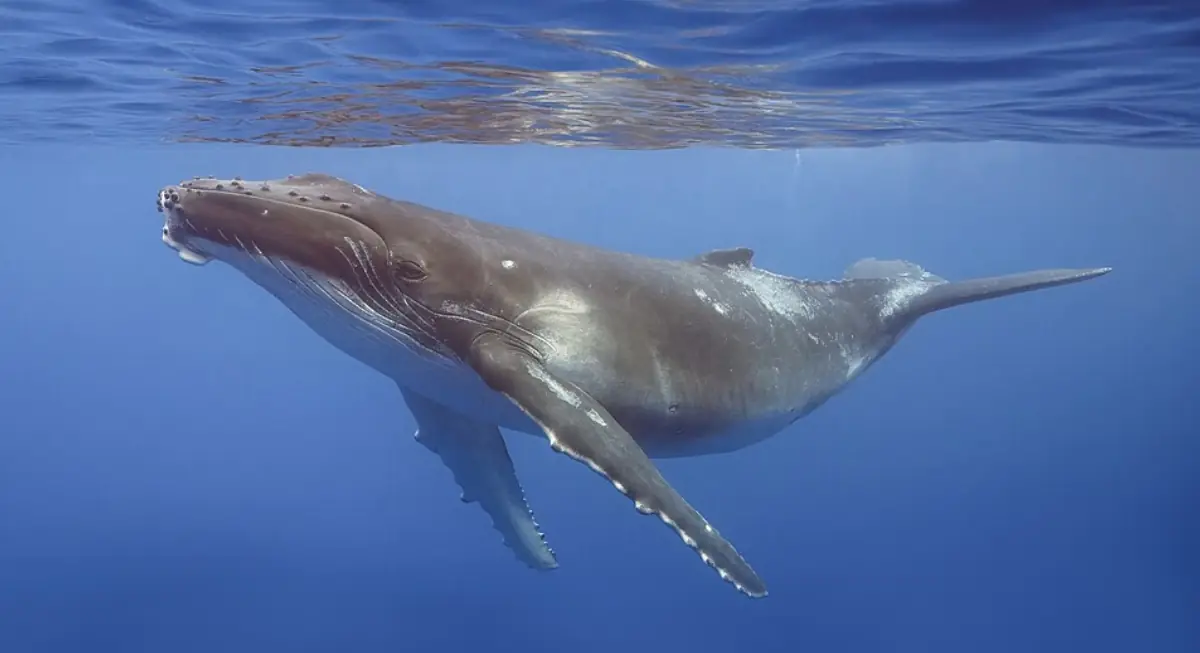
Whales communicate across vast distances using structured vocalizations that vary by region. These patterns form what researchers describe as dialects, shared within groups and passed across generations. Humpback whales create coordinated bubble nets to trap fish, which shows they can work together in a planned and organized way during a hunt.
Bee
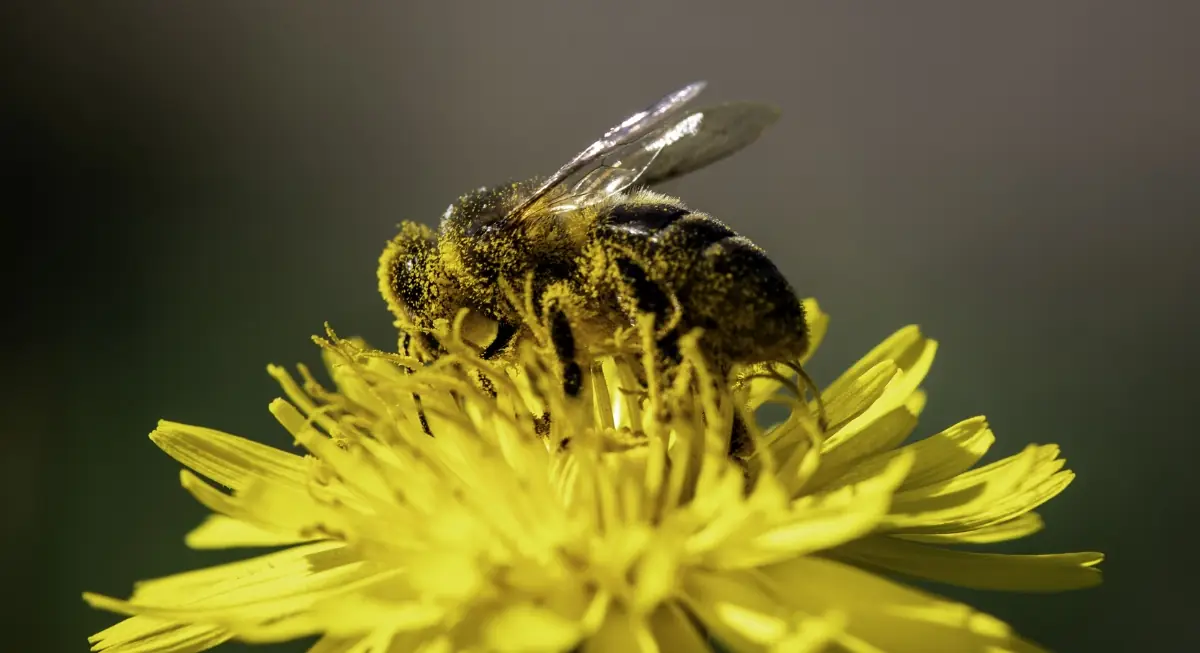
A bee’s brain is smaller than a grain of rice, yet its capabilities continue to expand under study. Experiments show bees can count and even grasp the concept of zero. They also communicate through the waggle dance, which encodes direction and distance to food sources. They have also learned to improve their performance over time through observation.
Chimpanzee
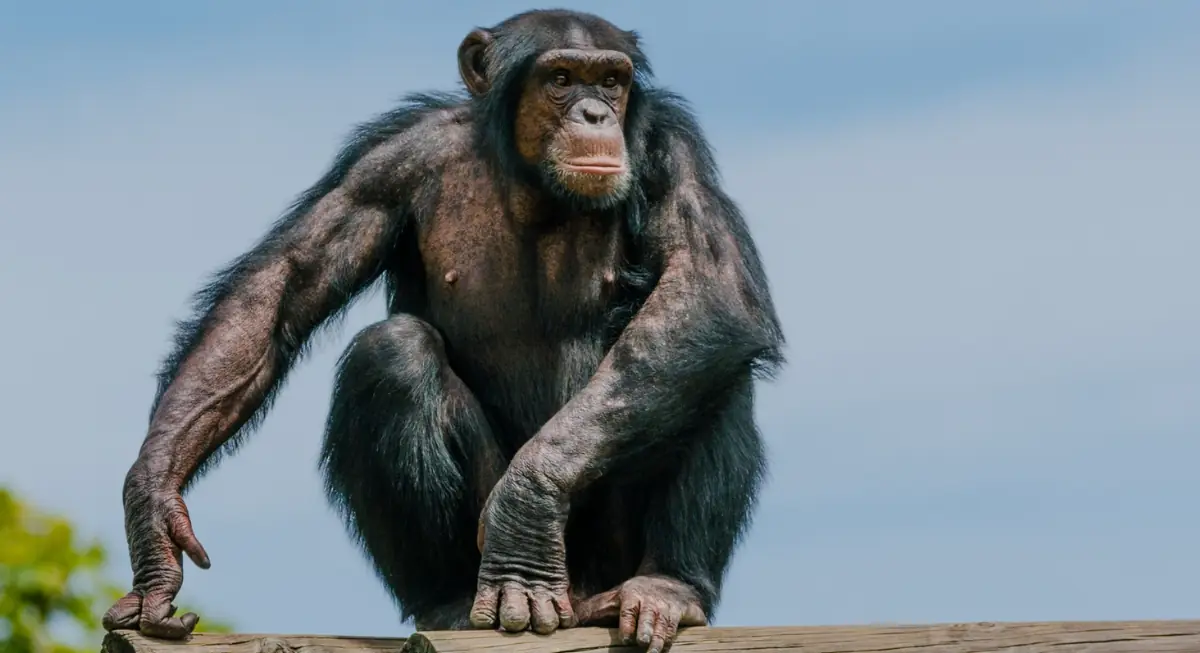
Chimpanzees create tools by modifying sticks to extract insects or using stones to crack nuts. Social learning plays a strong role, with behaviors passed through generations. Mirror recognition tests show self-awareness, a trait linked to higher cognition. Some individuals have also learned basic sign language, allowing limited communication with human researchers in structured environments.
Komodo Dragon
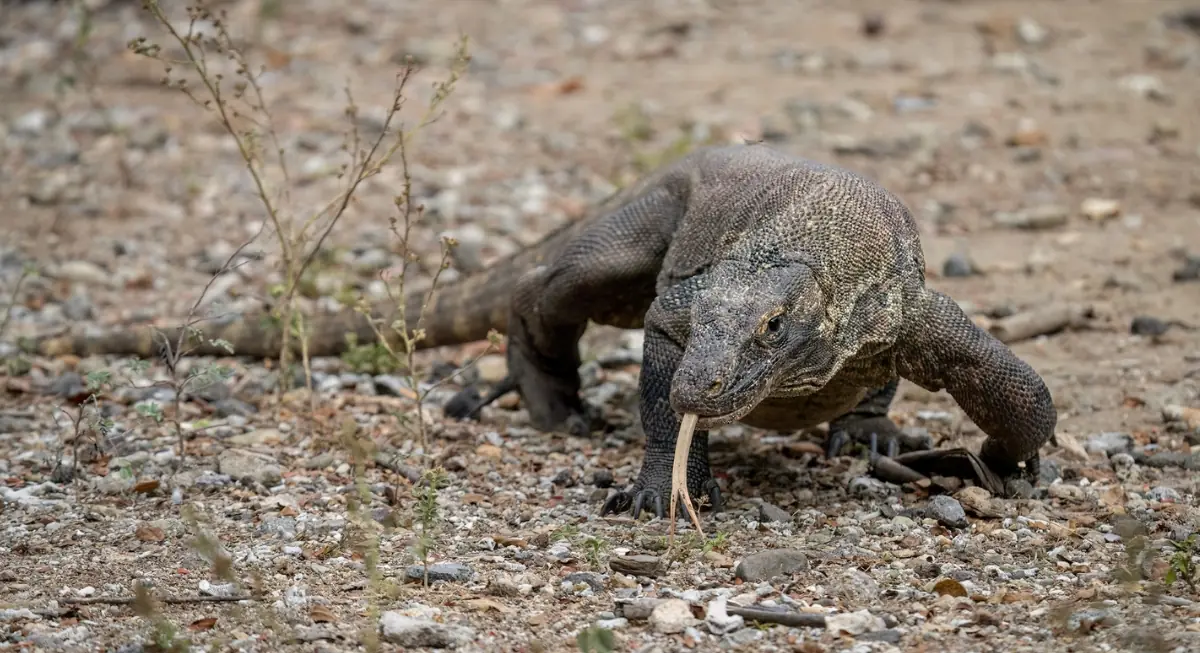
The Komodo dragon does not fit typical expectations of reptile intelligence. In captivity, individuals have been able to recognize specific keepers and respond to their names. Their hunting strategy in the wild involves patience and timing, often waiting along known paths for prey. This level of anticipation suggests more than instinct.





