
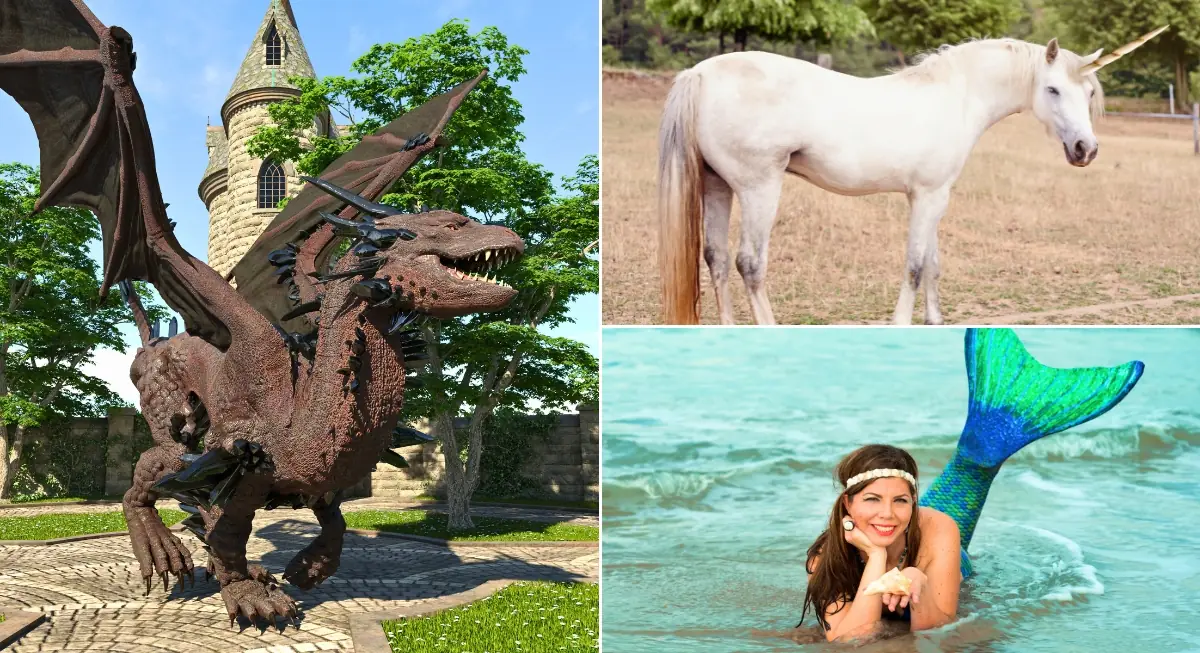
Some of the wildest legends may actually be rooted in reality. Ancient people didn’t have science textbooks, just bones in the dirt and stories passed around the fire, and sometimes, those stories stuck around longer than the creatures that may have inspired them.
Dragons
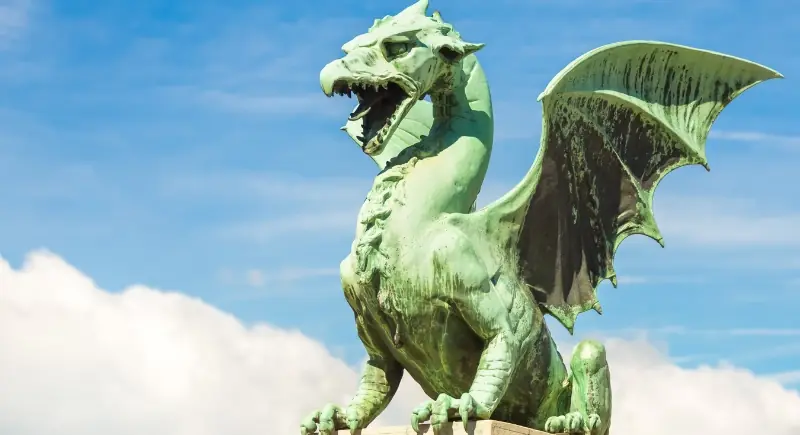
Dragons, central to myths across many cultures, may have been inspired by the discovery of large fossils long before paleontology existed. In 16th-century Austria, a strange skull was mistaken for a dragon and enshrined in a sculpture. It was later identified as a woolly rhinoceros.
Unicorns
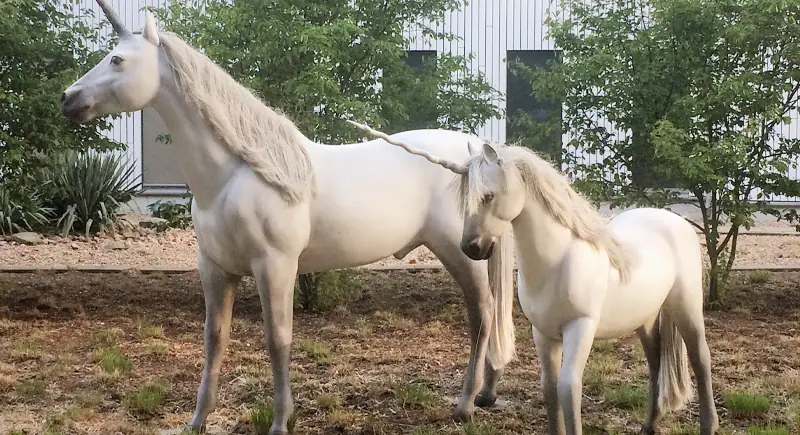
While unicorns are often seen as pure fantasy, their origins may be tangled in real-world biology and mistaken identity. In the Middle Ages, narwhal tusks were sold as unicorn horns across Europe. These long, spiraled teeth contributed to the belief in single-horned beasts with magical powers.
Cyclops
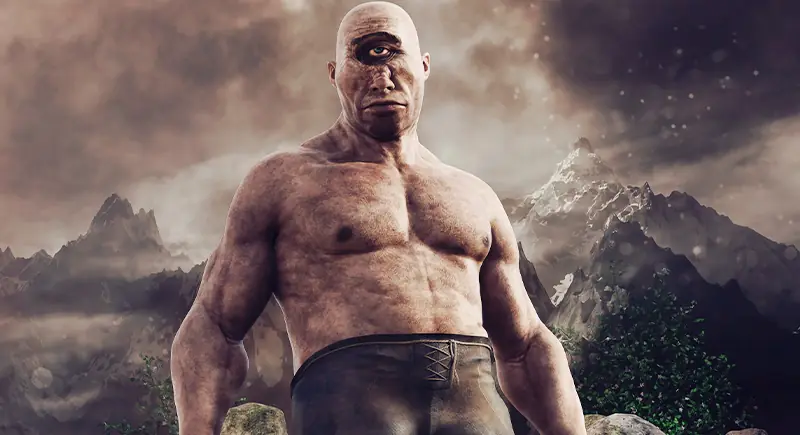
On Mediterranean islands, ancient Greeks uncovered skulls with a single, large opening at the center. Unaware it was for a trunk, they imagined it as an eye socket. These belonged to extinct dwarf elephants, but without the science to explain them, the story morphed into the legend of the Cyclops.
Bunyip
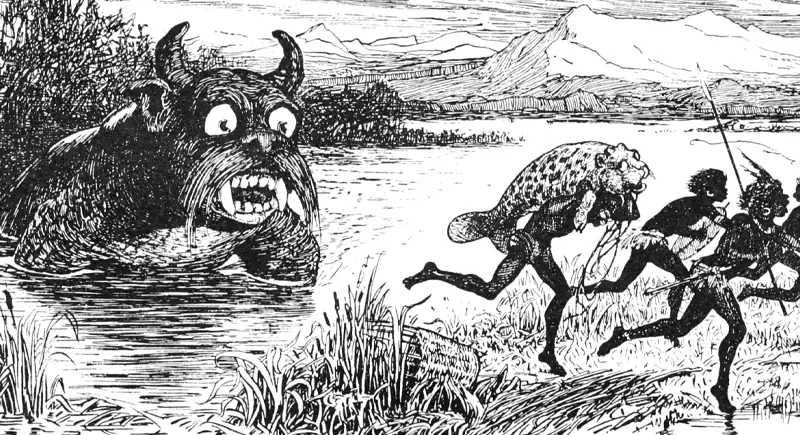
The Bunyip, a legendary Australian water monster, might be rooted in encounters with Diprotodon fossils. This enormous herbivore, related to wombats, stood taller than a person and lived until about 40,000 years ago. Fossils found near water could have sparked tales of a lurking creature that preyed on the unwary.
Mapinguari
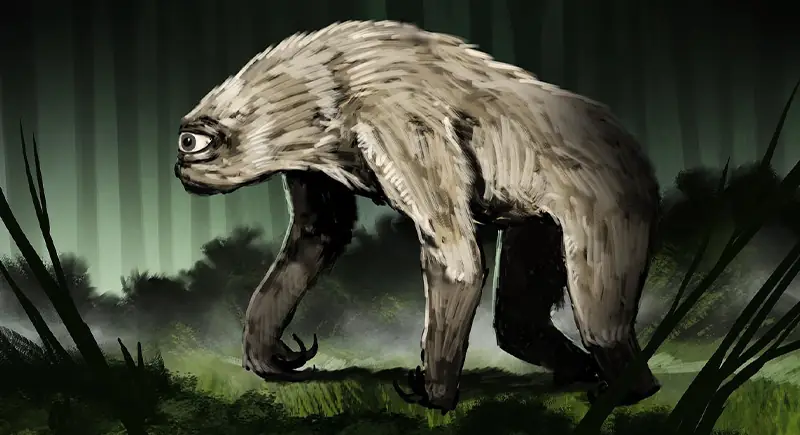
Amazonian folklore describes the Mapinguari as a massive, foul-smelling creature covered in thick hair, with the strength to rip through trees. Some experts link this legend to the extinct ground sloth, a huge plant-eater that stood upright, weighed over a ton, and may have coexisted briefly with early human settlers.
Snake Stones
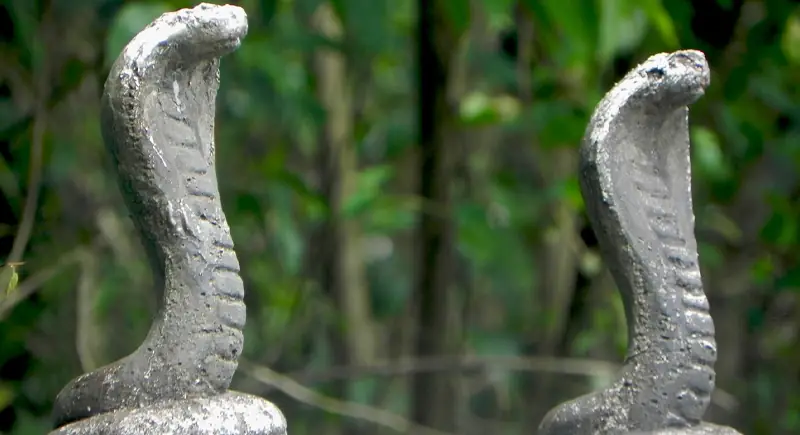
In parts of England, especially around Whitby, coiled fossils known as ammonites were once believed to be snakes turned to stone by saints. These spiraled marine fossils are common along the coast, and such natural relics often fed into legends involving miracles, curses, or divine intervention from early Christian figures.
Pouākai
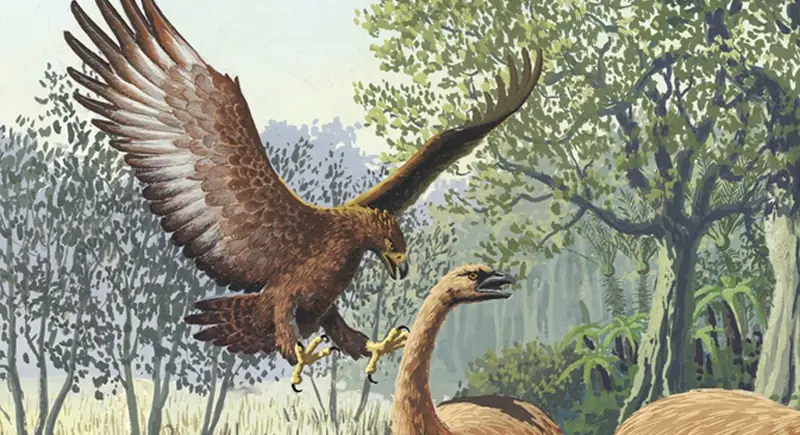
In Māori tradition, the Pouākai was a fearsome bird said to attack and kill people. This myth likely stems from Haast’s eagle, a powerful raptor native to New Zealand. Weighing around 40 pounds with a 10-foot wingspan, it preyed on massive moas and may have occasionally threatened human settlers.
Kraken
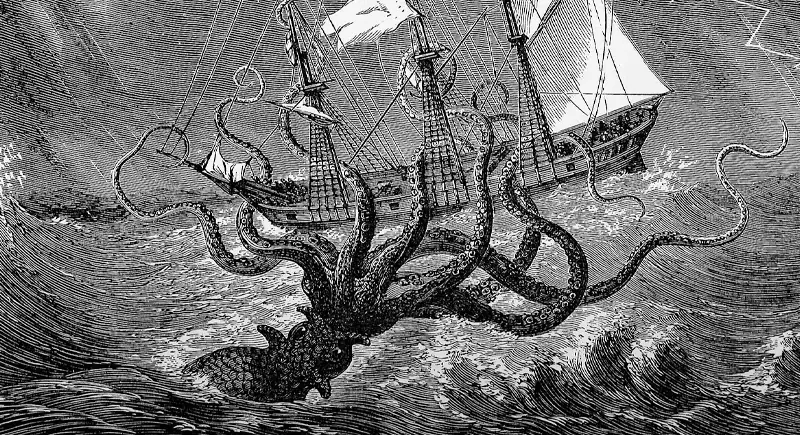
Old tales from Scandinavian sailors warned of the Kraken, a monstrous sea creature with enormous tentacles said to drag ships beneath the waves. These chilling stories may have originated from encounters with the giant squid, a deep-ocean predator known for reaching over 40 feet long, battling whales, and leaving behind scarred, unsettling evidence.
Mermaids
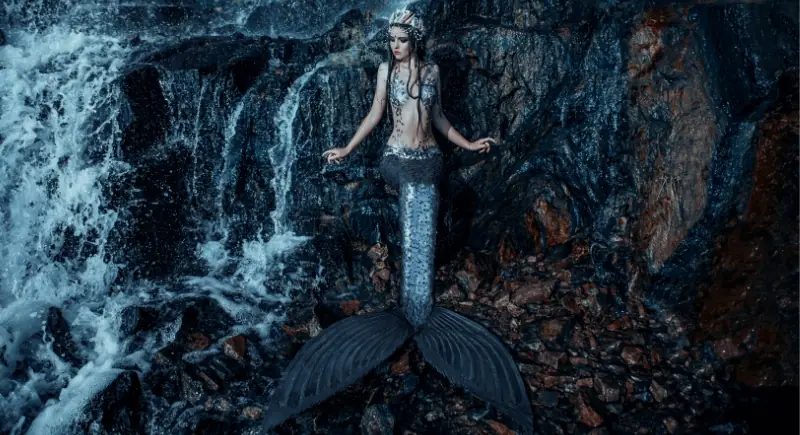
The myth of the mermaid may owe more to biology than fantasy. Sailors suffering scurvy or exhaustion often mistook manatees or dugongs for half-human sea creatures. These animals surface vertically and have vaguely humanoid features, enough to inspire vivid stories when filtered through long voyages and poor conditions.
Yeti
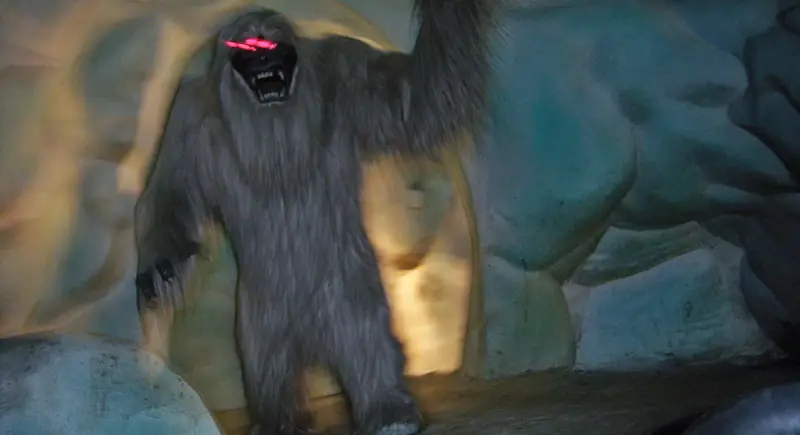
The Himalayan yeti has been a part of folklore for centuries, but DNA analysis of fur and bones linked to the creature reveals something more mundane; bears. Brown and black bear species native to the region match the genetic samples tested. These results suggest the legend likely began with ordinary wildlife sightings misinterpreted over time.
Simurgh
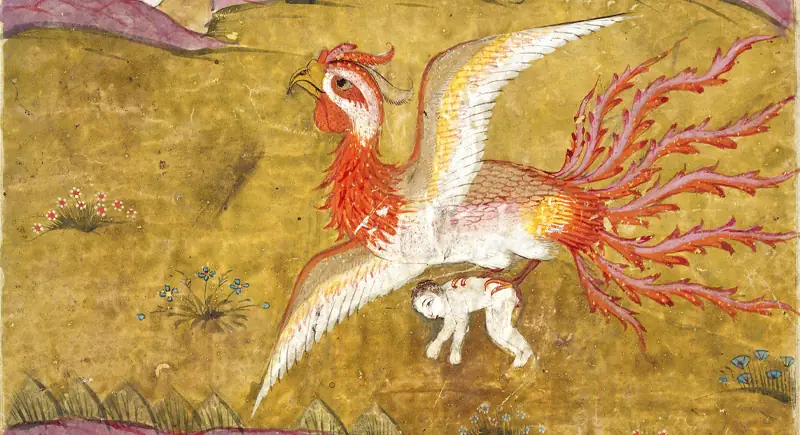
In Persian mythology, the Simurgh is a massive, feathered guardian figure. Its origin may lie with the bearded vulture, a scavenger bird with a striking appearance that nests in high mountain cliffs. It’s known for dropping bones to break them open, and thus may have been mythologized into a creature of wisdom and power.
Qilin
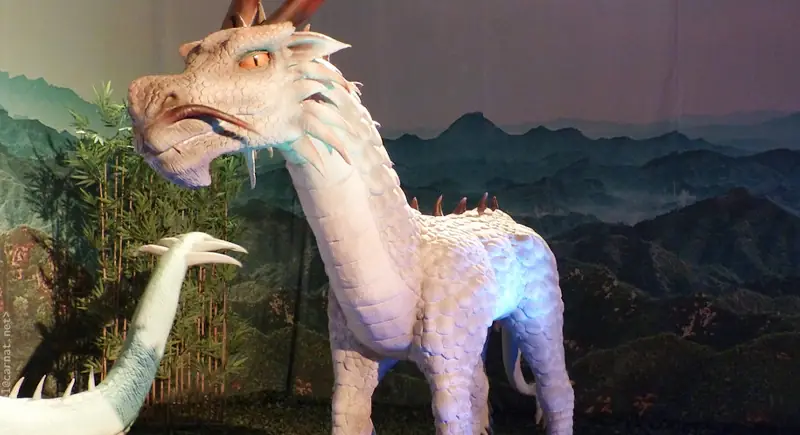
Chinese legends describe the Qilin as a rare, gentle beast linked to good omens. When giraffes were brought to China in the 15th century, their long necks and horn-like ossicones led some to believe they were Qilin made real. Their graceful appearance and rarity fit the mythical description surprisingly well.
Tiyanak
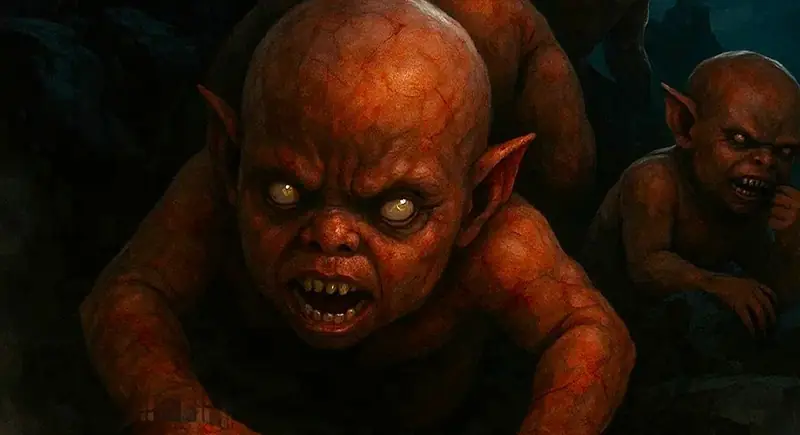
The Philippine Tiyanak lures victims by mimicking the cries of an infant. Although no prehistoric animal matches it, the myth may have formed from psychological interpretations of grief, strange animal calls, or distorted memories. It’s a haunting example of how myth can evolve from deeply emotional human experiences.
Chimera
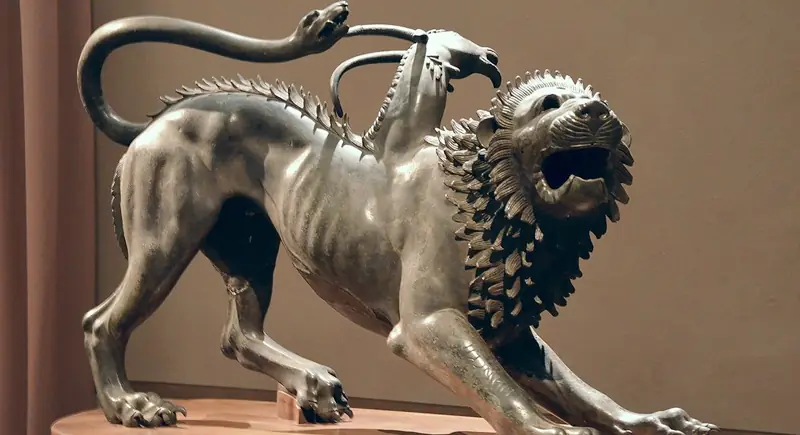
Greek tales describe the Chimera as a monstrous creature with parts of a lion, goat, and serpent, breathing fire and sowing chaos. Some scholars suggest the myth arose from fossil discoveries, bones of different animals found together and misinterpreted as one beast.
Griffin
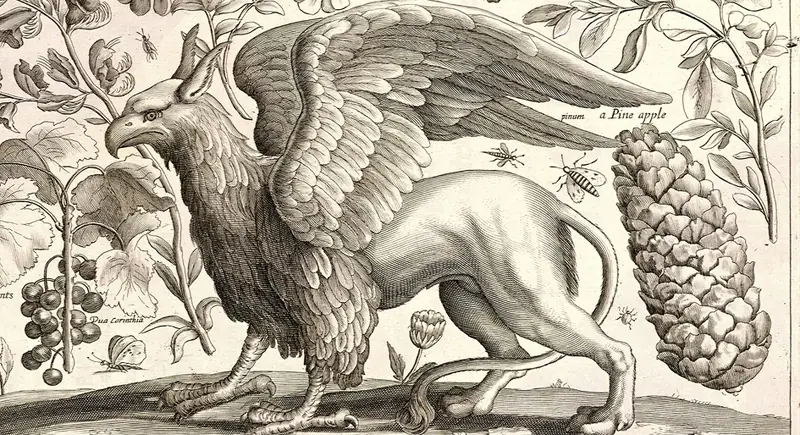
Griffin myths may trace back to Central Asian fossil sites where ancient nomads came across strange, beaked skeletons. Protoceratops fossils, uncovered near gold-rich areas of the Gobi Desert, had unusual skulls and stout bodies. To early travelers, these remains likely resembled powerful creatures guarding treasure hidden beneath the earth.
Thunderbird
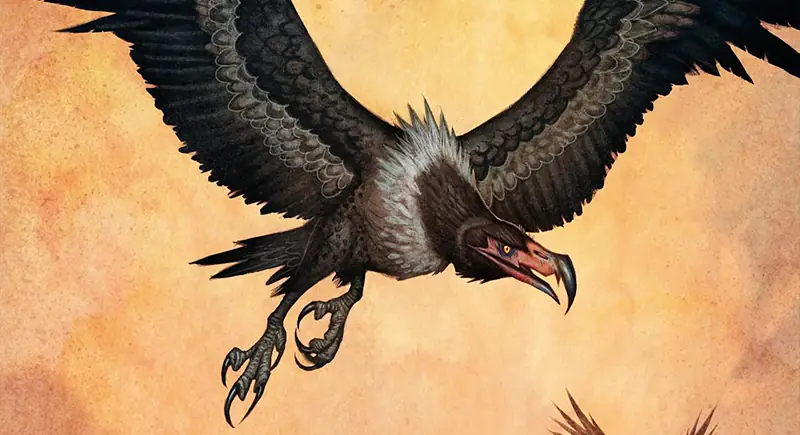
Long before fossils had names, giant bones from the ground could spark stories that lasted for generations. Some researchers have suggested that discoveries of pterosaurs may have influenced tales of the Thunderbird, or the memories of giant prehistoric birds. Either way, finding a skull larger than expected would give anyone something to talk about.
Roc
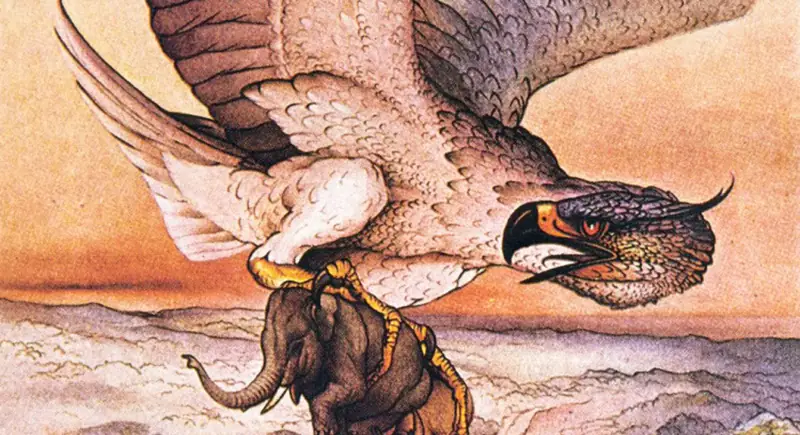
The roc was said to be so large it could snatch up an elephant and carry it away. That sounds impossible until you learn about Madagascar’s elephant birds. These towering birds vanished centuries ago, but their giant eggs and bones may have helped fuel stories of a bird that seemed to belong to another world.





