

Animals have their own emotions and, yes, even mental health struggles. Sometimes, their quirky habits could be a sign they’re dealing with underlying mental health problems. Just like us, they need a little understanding and support, and this article will teach us more about it.
Post-Traumatic Stress Disorder (PTSD)

Dogs from war zones and zoo animals exposed to harsh conditions could manifest symptoms of PTSD. They experience flashbacks, aggression, hiding, and extreme fear responses. Like humans, they benefit from therapy and a stable, reassuring environment. So next time your pet flinches at thunder or cowers at a raised hand, consider what they’ve been through.
Phobias

Some pets react negatively to vacuum cleaners, fireworks, or the simple mailman. Dogs, cats, and even horses can have irrational fears, often stemming from bad experiences. Proper training and gradual desensitization help reduce panic responses. So, if a pet bolts at the sound of a hairdryer, it might need some gentle exposure therapy.
Separation Anxiety

Dogs shredding pillows or chewing up shoes are more than bad behavior—they could be experiencing separation anxiety. Dogs, cats, and birds experience distress when left alone for too long. As such, veterinarians often recommend interactive toys, calming music, or pet sitters to ease the stress.
Social Anxiety

Not every pet is a social butterfly. Some would rather hide under the couch than mingle with strangers. Rescue pets and animals with limited early socialization are more prone to this issue. Training with positive reinforcement, exposure therapy, and patience can help build confidence.
Obsessive-Compulsive Disorder (OCD)

OCD in pets involves excessive licking, tail-chasing, shadow biting, or even pacing in circles. It’s often linked to anxiety, genetics, or even boredom. This disorder isn’t something they can snap out of, but behavioral training, increased exercise, and even medication can help.
Depression

When pets lose a beloved owner, move to a new home, or have to adjust to a new furry friend, it can be tough. Both cats and dogs can show signs of feeling down, and even birds may express their grief in drastic ways, like pulling out their feathers. Owners can plan more playtime, companionship, or even anti-depressants in extreme cases.
Pica

Dogs and cats eat weird things like rocks, socks, and even drywall. But when it becomes a habit, it’s called pica, a disorder in which pets compulsively eat non-food items. This can be dangerous and often leads to choking or digestive blockages. Some breeds, like Labrador Retrievers, believe everything is edible and are more prone to this issue.
Anorexia

When an animal refuses food for extended periods, consider it a red flag. Pet anorexia stems from stress, illness, or significant environmental changes. The thing is, animals don’t starve themselves for body image issues, but the effects can be just as serious. Underlying medical conditions should be ruled out first, followed by offering high-value food and reducing stressors.
Trichotillomania
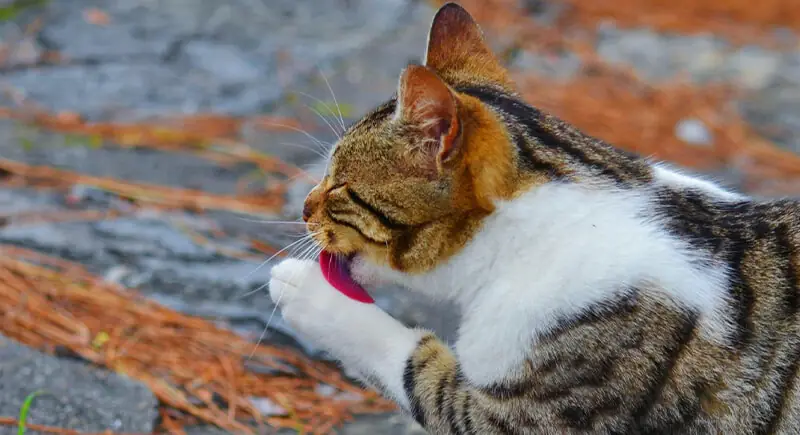
Trichotillomania is often stress-induced and leads to painful skin infections. Parrots are infamous for feather-plucking when lonely or bored, and certain breeds of cats are more prone to self-grooming to the extreme. Treatment involves stress reduction, environmental enrichment, and sometimes even medication.
Hyperactivity Disorders

Some pets never seem to settle down. They constantly run in circles, bark at nothing, and have boundless energy. While this might seem cute, it’s more than just being playful. ADHD-like symptoms in pets can make training difficult and lead to destructive behavior. Proper exercise, mental stimulation, and structured routines can help curb hyperactivity.
Self-Mutilation

Some creatures hurt themselves when stressed or anxious. This ranges from excessive licking to biting at their own skin, sometimes causing serious wounds. Causes vary from allergies to boredom to past trauma. Treatment depends on the root issue, but behavioral therapy and anti-anxiety medication can help.
Compulsive Licking of Surfaces
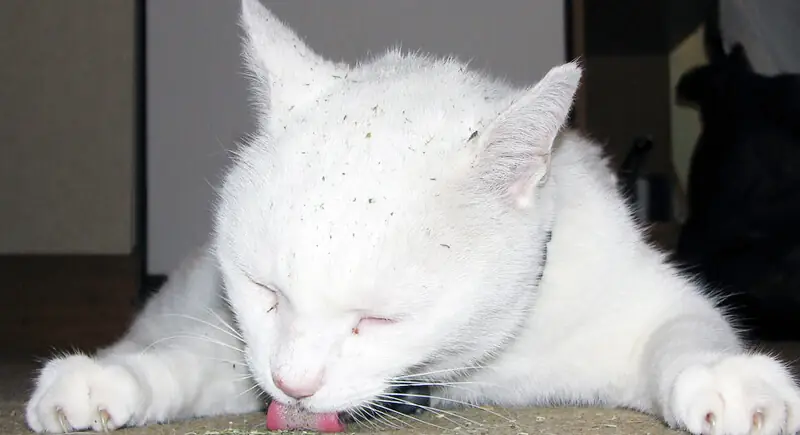
This one involves an intense need to lick floors, walls, furniture, or even air. While it might seem like an odd habit, it can signify underlying gastrointestinal issues or anxiety. If it happens more often, a vet visit might help uncover whether it’s stress-related or something more physical.
Alzheimer’s Disease

Older dogs and cats can develop cognitive dysfunction similar to Alzheimer’s disease. It is officially called Canine Cognitive Dysfunction (CCD) in dogs; this condition leads to confusion, forgetfulness, and even getting stuck in corners. While there’s no cure, brain-boosting diets, puzzle toys, and medications can slow progression.
Sleep Disorders

Animals also need quality sleep, and when their sleep cycles are disrupted, strange behaviors occur. Dogs with narcolepsy may suddenly collapse into a deep snooze mid-play, while cats with REM sleep disorders might speak or act out their dreams. Even horses suffer from sleep deprivation if they feel unsafe lying down.
Neophobia (Fear of New Things)
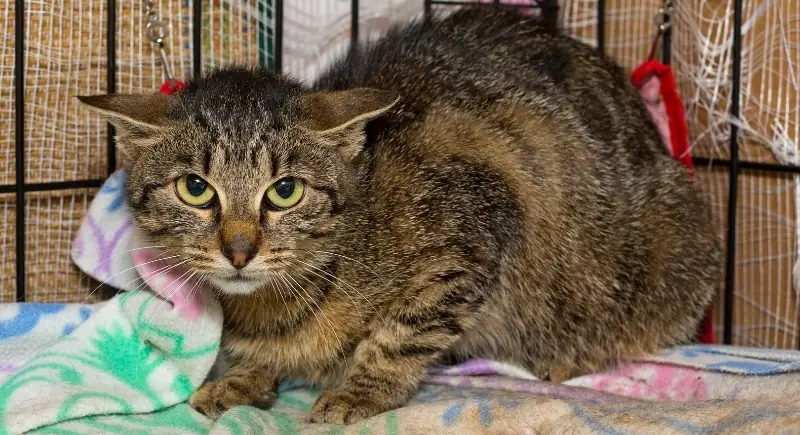
Neophobia shows up when animals panic around unfamiliar objects, foods, or environments. A new toy, bowl, or room can trigger freezing, avoidance, or stress behaviors. It is common in birds, cats, and prey animals, especially those with limited early exposure to variety and change.
Barrier Frustration

Barrier frustration happens when animals can see or sense something they want but cannot reach. Fences, leashes, cages, or windows can spark barking, pacing, lunging, or aggression. Over time, repeated frustration can raise stress levels and reshape behavior, particularly in dogs and captive wildlife.





