
We carry around a lot of assumptions about animals, often shaped by old stories, cartoons, or scenes in movies. Some of these ideas seem harmless, but many don’t hold up when you look at the facts. They’ve been repeated for so long that people rarely question them anymore.
Here are some common misconceptions.
Bears Hibernate All Winter Without Waking
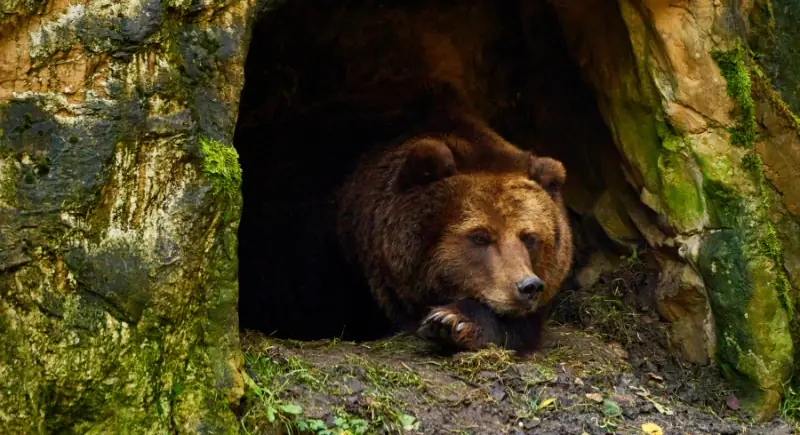
Spending months in a snow-covered den doesn’t mean complete unconsciousness. What’s mainly called hibernation in bears is actually torpor—a lighter, adjustable state where they can still wake up, move, or respond to danger. Unlike animals that truly hibernate, bears don’t enter a near-death-like sleep and aren’t entirely shut off from the outside world during winter.
Goldfish Can Only Remember Things for Seconds
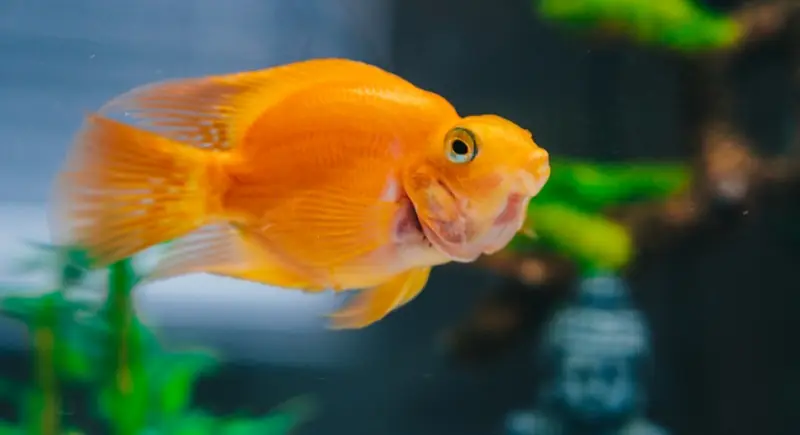
Tests involving levers, sounds, and mazes have shown that memory in goldfish lasts far beyond a few seconds. In fact, they can retain learned behaviors for several months. The persistent misconception of a three-second memory likely stuck because it sounds amusing.
Elephants Love Eating Peanuts
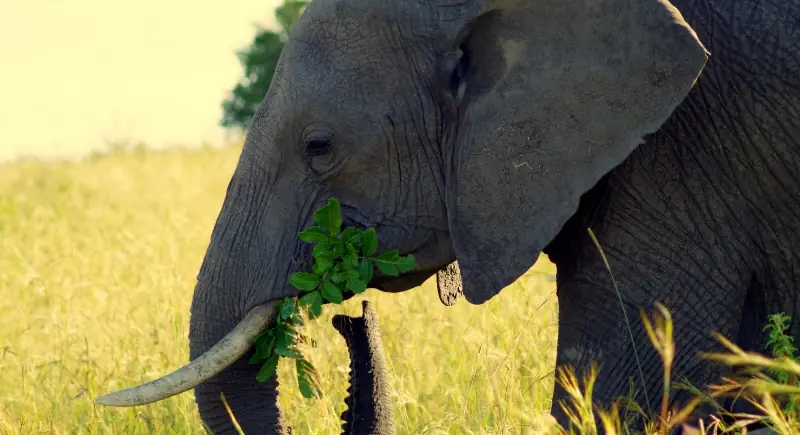
Marketing and circus routines did most of the work behind this one. In natural habitats and modern zoos, peanuts aren’t actually a part of the elephant diet. These animals usually eat grasses, bark, fruit, and roots.
Wasps Only Sting When You Bother Them
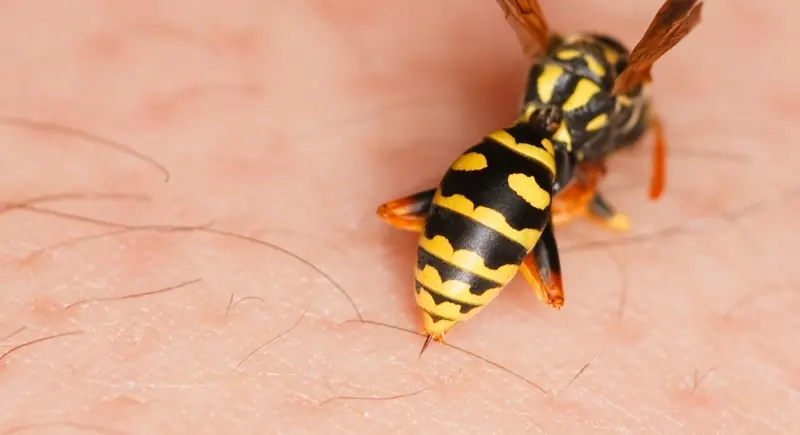
Wasps often sting without you doing anything wrong. Yellowjackets, in particular, become aggressive as food gets scarce. Bright colors, movement, or even just your presence can provoke a response. Unlike bees, they don’t lose their stinger, so they’ll sting as much as they feel necessary, even if you didn’t swat or shout or make any kind of obvious threat.
Sharks Can Smell Blood from Miles Away
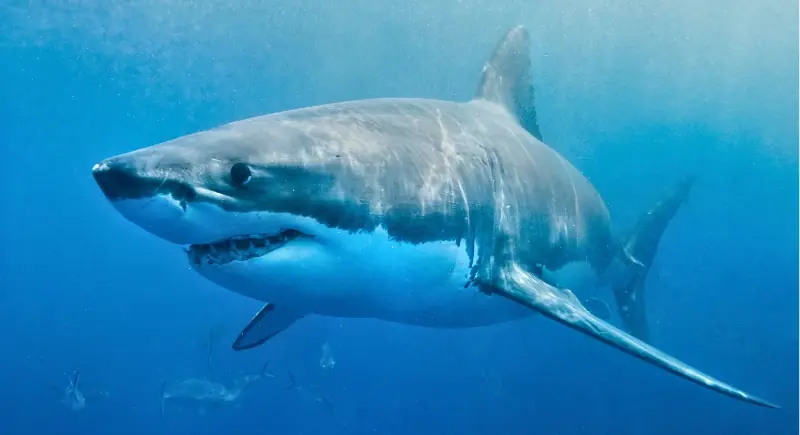
Olfactory precision is impressive in sharks, but not superhuman. They can detect blood at concentrations as low as one part per ten billion, but scent dispersion in the ocean depends on current and distance. Under realistic conditions, sharks can sense blood from a few hundred yards—nowhere near the exaggerated distances mentioned in documentaries or thrillers.
Dogs and Cats Can Only See in Black and White
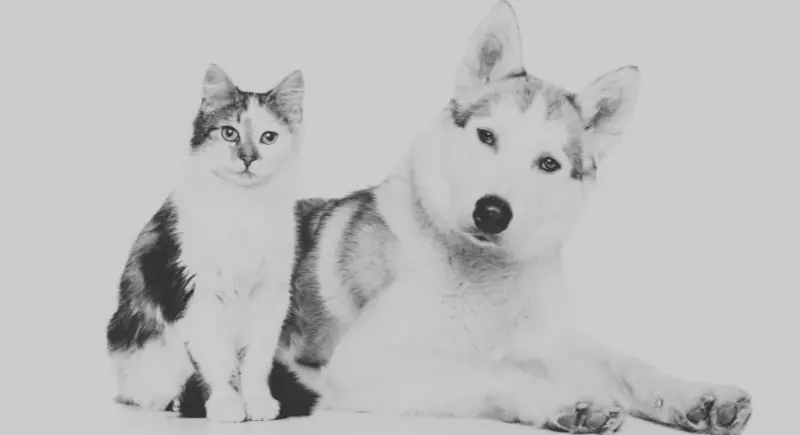
Dogs pick up blues and yellows, while cats detect some blues and greens. The colors appear muted compared to human vision, but it’s far from black and white. Both animals see especially well in low light, thanks to a high number of rod cells in their retinas.
Bulls Hate the Color Red
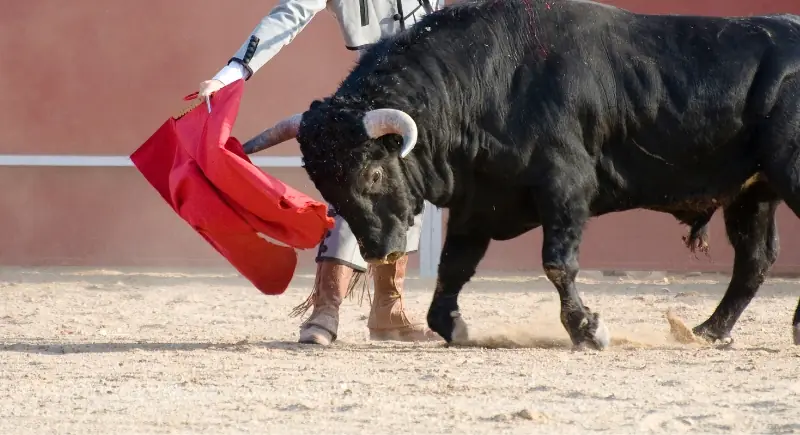
We’ve all seen the cartoon matador waving a red cape and sending a furious bull charging straight ahead. But in reality, bulls can’t distinguish red from other colors. What sets them off is motion, not color. Scientific studies confirm that a cape of any shade—blue, white, or otherwise—would trigger the same reaction.
Daddy Longlegs Are Venomous Spiders
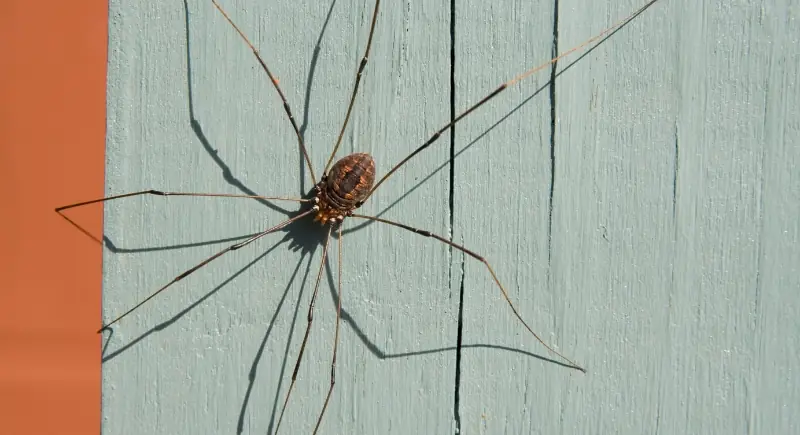
This misconception has been passed around for decades, usually with someone insisting that daddy longlegs are incredibly venomous but can’t bite humans because their fangs are too small. In truth, none of that holds up. These creatures, called harvestmen, aren’t even spiders. They don’t have venom glands, fangs, or any ability to bite.
Ostriches Bury Their Heads in the Sand
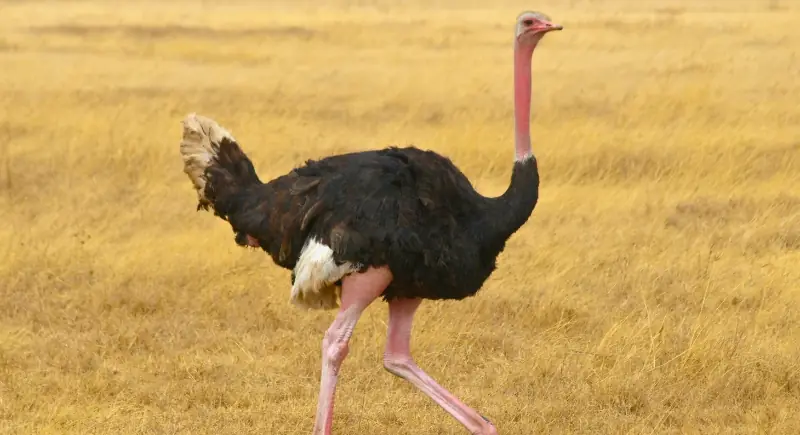
Watching an ostrich lower its head to the ground might look like it’s trying to hide, but that behavior has a practical purpose. They lower their heads to inspect, turn, or adjust their eggs buried in shallow nests. From a distance, it can appear as though their heads have disappeared underground.
Sharks Don’t Get Cancer
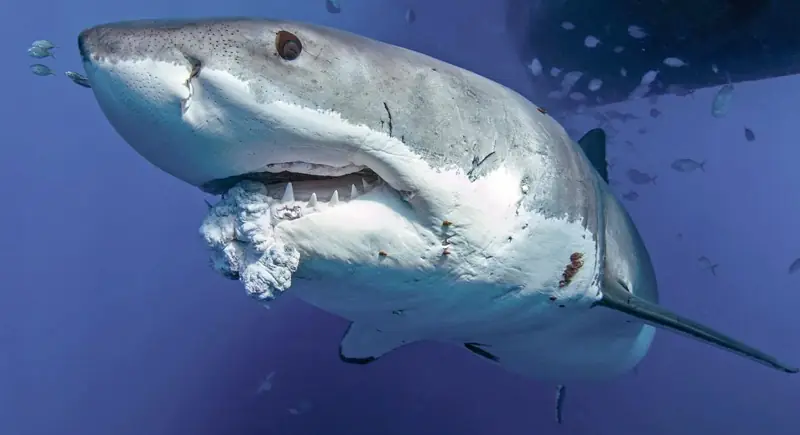
Over 40 shark species have had confirmed tumors, including some visible in great white and hammerhead specimens. The myth that sharks are immune to cancer came from a 1990s supplement trend. It was heavily promoted to market shark cartilage as a cancer remedy, but peer-reviewed research never supported that claim.
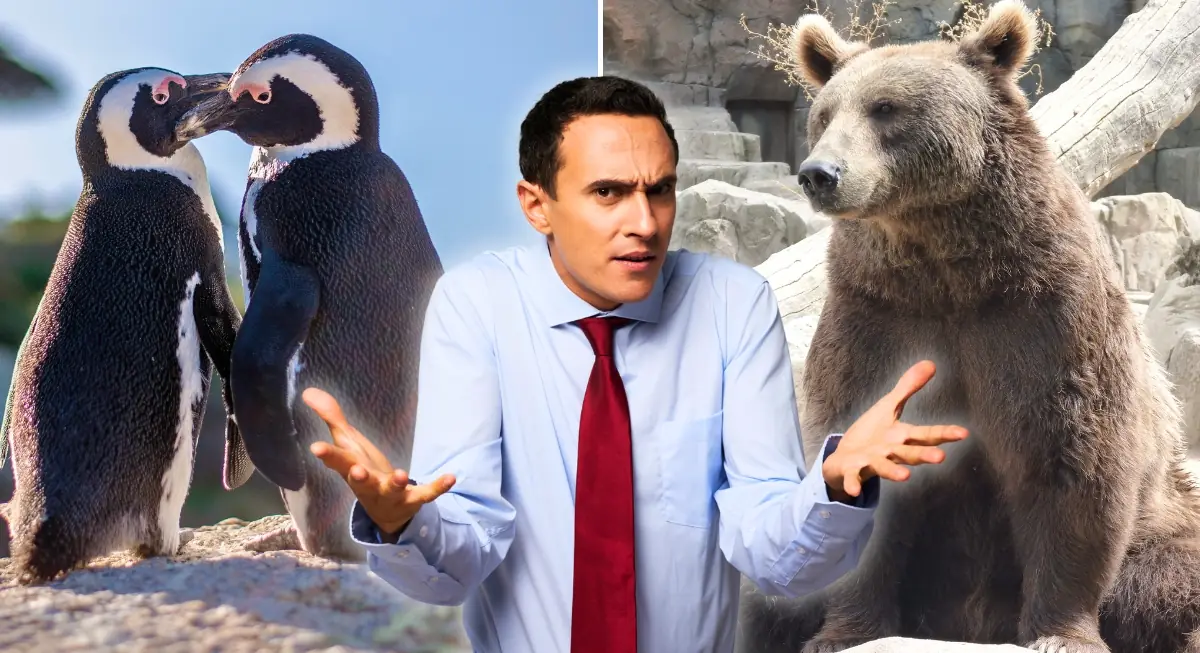
Penguins Mate for Life with One Partner
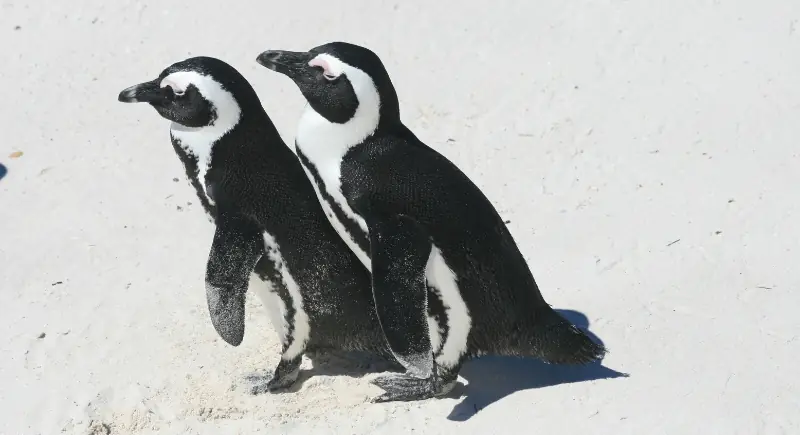
Breeding season bonds between Penguins are common, but lifelong fidelity is not. Emperor penguins switch mates 85 percent of the time, and other species follow similar patterns. DNA analysis has also revealed cheating even in those that appear monogamous. The romantic image likely stems from short-term pair bonding seen during mating, but penguin relationships change frequently from year to year.
Owls Can Turn Their Heads All the Way Around
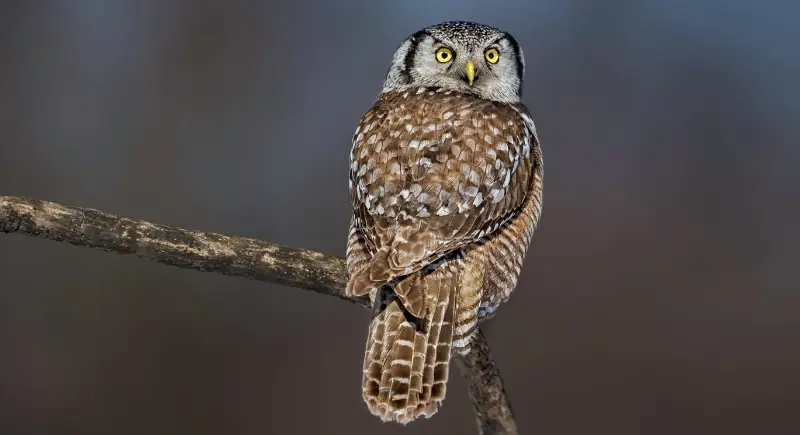
Plenty of people believe that owls can spin their heads in a full 360-degree circle, like a rotating camera on a stand. It’s the kind of idea that is discussed in classrooms, cartoons, and casual conversation, and it seems to make sense given how still their bodies remain while they’re watching something. But alas, an owl can only turn up to 270° (135° to each side). That lets them look directly over their shoulders without twisting their bodies .
Dinosaurs in Movies Accurately Reflect Fossil Evidence
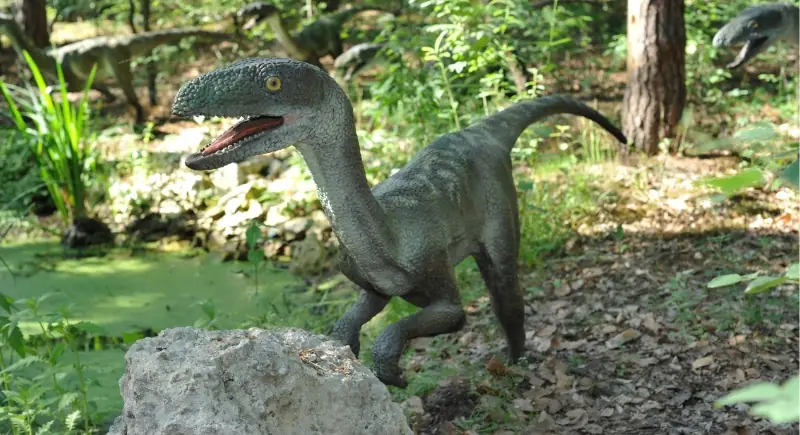
You might not realize this, but the size, skin texture, and posture of dinosaurs have all been altered for dramatic effect. Real velociraptors were feathered and stood about as tall as a turkey, while numerous large theropods showed bird-like features. Paleontologists continue to refine their understanding of dinosaurs based on fossil data, but popular media have ignored those findings.
Tyrannosaurus Rex Had Poor Eyesight
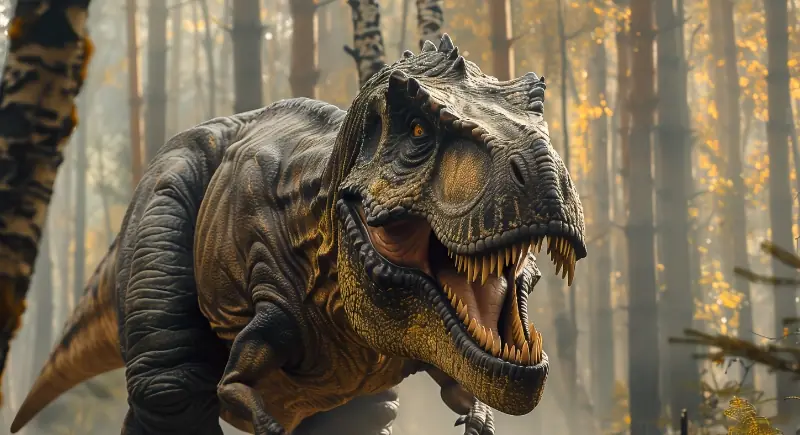
Despite what you saw in “Jurassic Park,” freezing in place wouldn’t have saved you. Far from having weak eyesight, the Tyrannosaurus rex had strong binocular vision due to forward-facing eyes. Anatomical studies suggest exceptional depth perception, and research from the University of Oregon even compared its visual acuity to that of a modern hawk.
You Can Get Warts from Touching Frogs or Toads
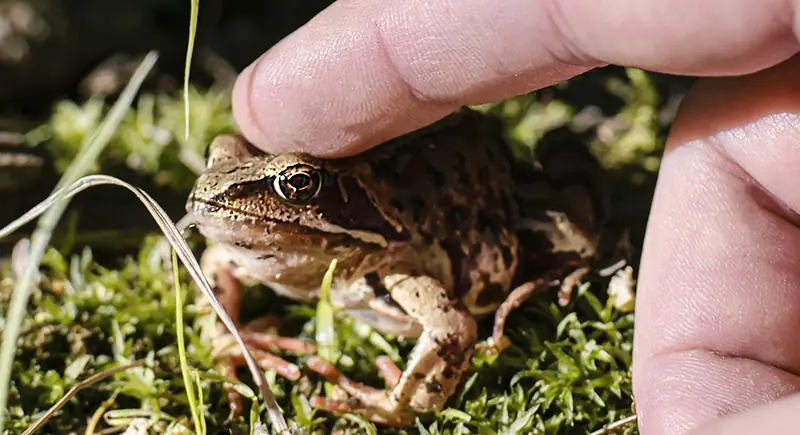
It’s a known fact in playground conversations and childhood warnings: touch a toad, and you’ll get warts. But what you don’t know is that texture isn’t contagious, and amphibians don’t carry the virus responsible for warts. Human papillomavirus, which causes warts, spreads only through direct human contact. Frogs and toads have nothing to do with it, though washing your hands afterward is still good for both you and them.
Bats Are Blind
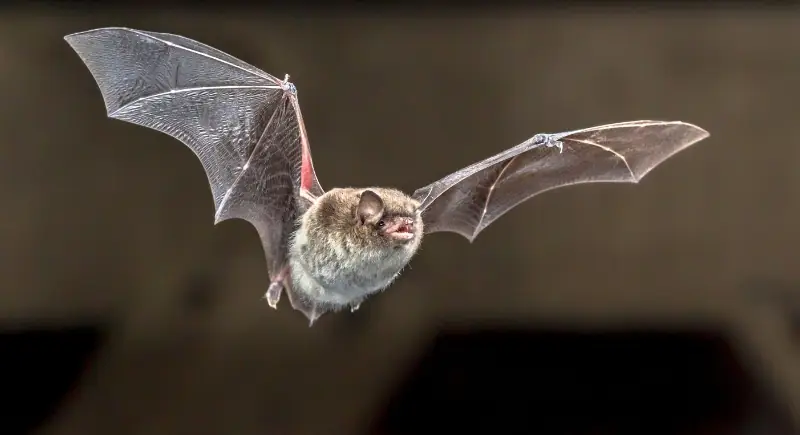
Bats are not flying around in total darkness hoping for the best. Most can see, and some have vision that works better than people expect. Echolocation helps them hunt, dodge branches, and find tiny insects midair, but it is not a replacement for useless eyes. The saying got it wrong.
Camels Store Water in Their Humps
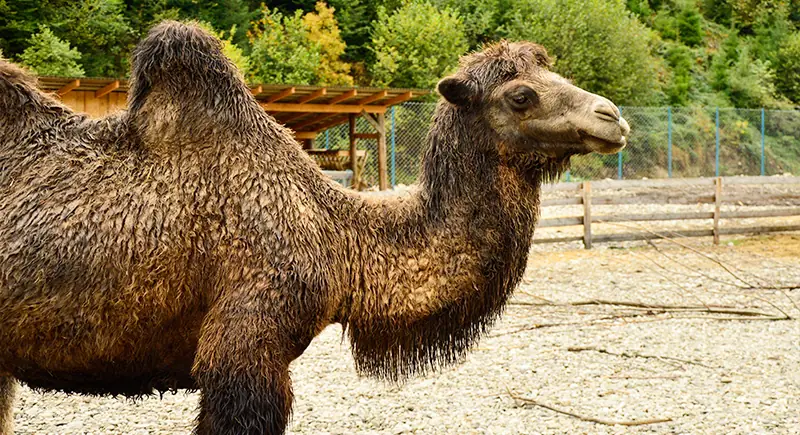
Those humps are not built-in canteens. They store fat, which camels use for energy when food is scarce. Water is handled through body tricks: less sweating, thick blood, and the ability to drink a lot at once. The hump helps, just not in the way cartoons taught us.





