
Some birds will empty your wallet faster than they flap their wings. These species are treated like investments or status symbols, with some even kept in families for generations. Collectors don’t flinch at five-figure deals when a bird’s rarity or reputation is on the line. Here’s a peek at the most expensive bird species you can own.
Hyacinth Macaw
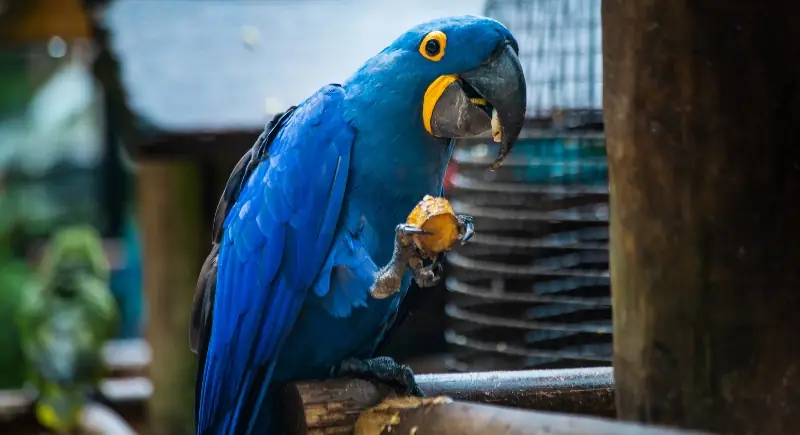
The Hyacinth Macaw, the world’s largest parrot, can live up to 50 years and stretch over three feet long. Their immense beak strength and striking cobalt plumage mean they command $10,000 to $20,000, with rare breeding birds costing even more. Owners must provide large enclosures and a high-fat, nut-based diet. Illegal trapping and habitat loss in South America make them increasingly scarce.
Black Palm Cockatoo
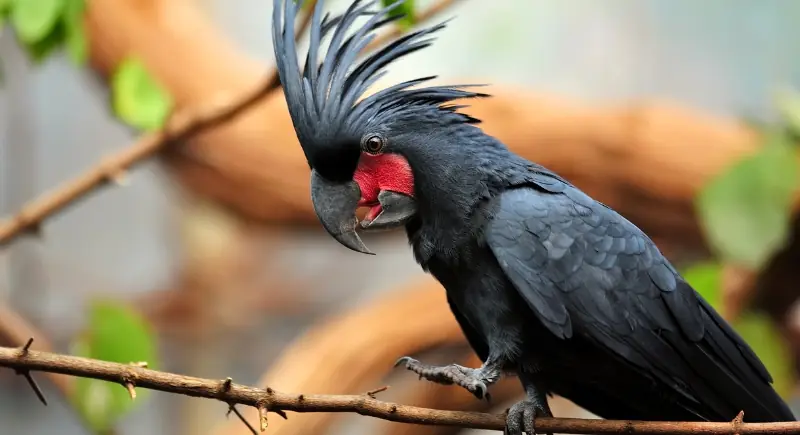
This species stands out for its tool-using behavior and booming calls. The Black Palm Cockatoo, native to New Guinea, is notable for drumming sticks on hollow trees. Its rarity and sensitive nature push prices to $30,000 or higher. Essential care includes frequent enrichment sessions and a protein-rich diet in a large, open-air aviary.
Lear’s Macaw
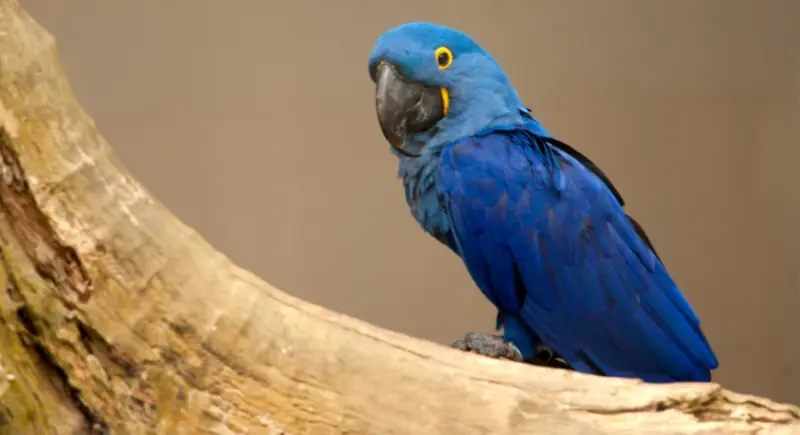
The Lear’s Macaw, a critically endangered deep blue parrot from Brazil, feeds almost exclusively on licuri palm nuts. This highly specialized diet and dire conservation status make it incredibly rare; when available, prices range from $30,000 to $50,000. Prospective owners must secure permits and commit to a strictly regulated nutrition plan.
Scarlet Macaw
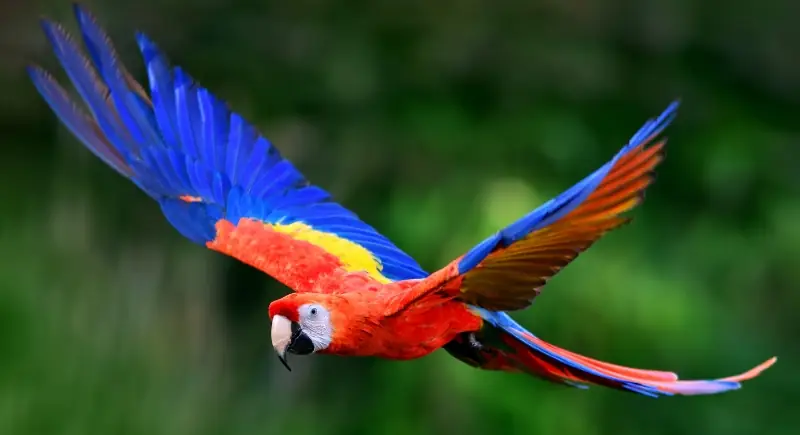
Instantly recognizable for its brilliant red, yellow, and blue feathers, the Scarlet Macaw is a highly social bird. Daily social time and a customized feeding plan are essential for their well-being. It’s native to Central and South America. Expect to spend $2,000 to $4,000 for one.
Blue-Throated Macaw
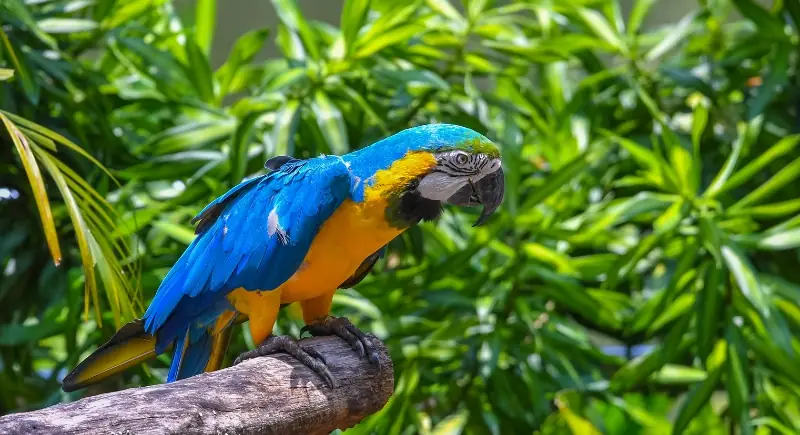
Fewer than 500 Blue-Throated Macaws remain in the wild, which means this species is critically endangered and exclusive to Bolivia’s Llanos de Moxos. Their intelligence and affectionate nature demand attentive care. Ownership typically costs between $10,000 and $20,000. Veterinary monitoring and precise feeding routines are non-negotiable for their health.
Moluccan Cockatoo
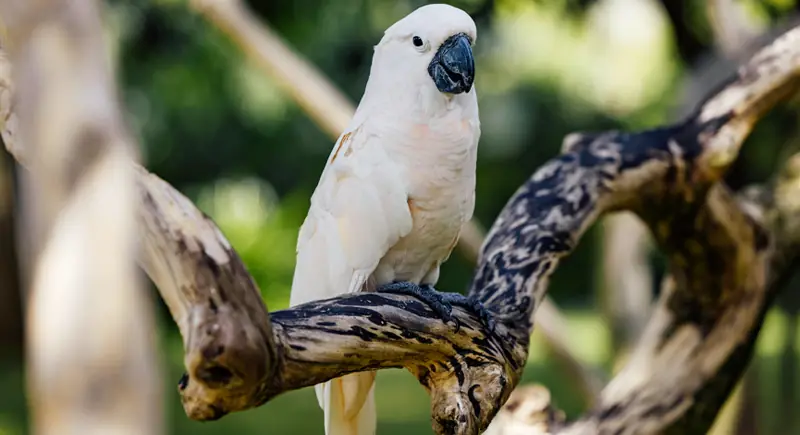
This pink-crested, emotionally complex Moluccan Cockatoo forms deep bonds with people but suffers in solitude. It’s priced from $2,500 to $6,000, and requires near-constant interaction to prevent behavioral decline. Many owners find themselves installing soundproofing and investing in behavior-focused toys to keep them happy.
Major Mitchell’s Cockatoo
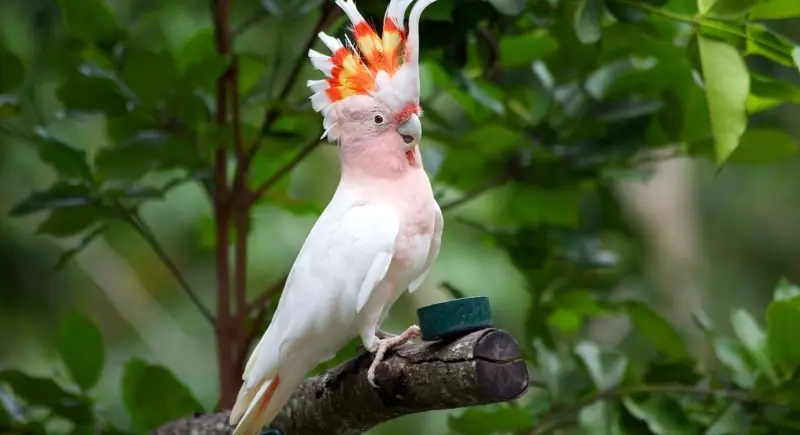
The Major Mitchell’s Cockatoo is both beautiful and demanding, with pastel coloring and an outgoing demeanor. It needs a spacious, enriched environment and regular socialization. Costs for these birds typically start at $5,000 and can reach $15,000 or more for well-bred individuals.
African Grey Parrot
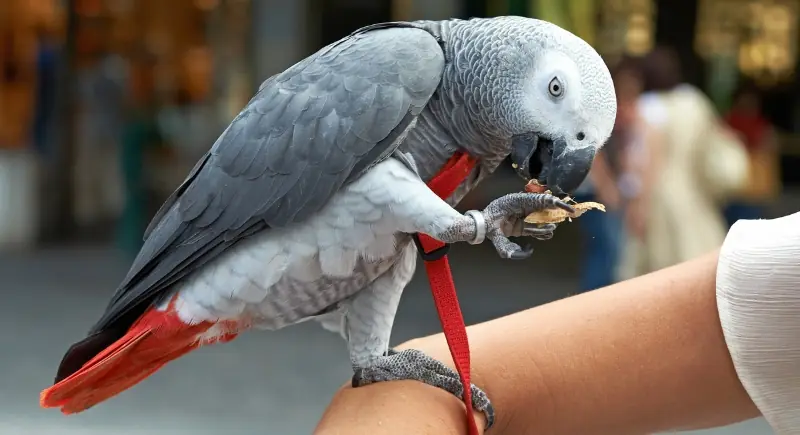
Considered one of the most intelligent birds globally, the African Grey Parrot can mimic voices and understand cues with impressive memory. Owners, attracted by their conversational potential, typically pay $1,000 to $3,000. Regular problem-solving games and a consistent daily schedule are necessary to keep them stimulated.
Blue-and-Gold Macaw
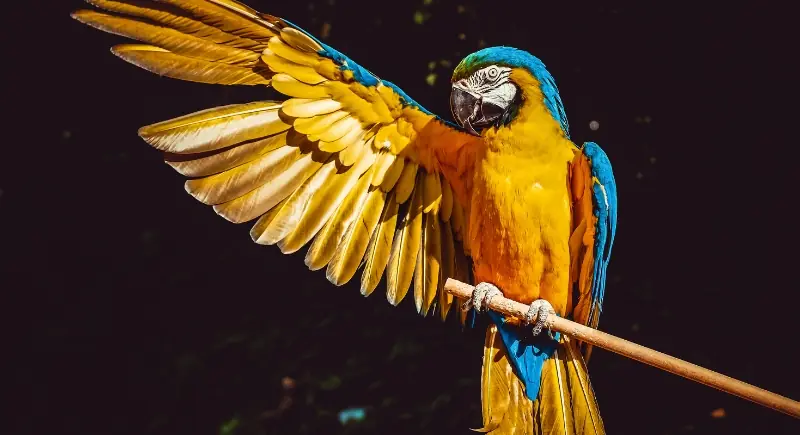
The Blue-and-Gold Macaw features vivid plumage and a charismatic presence. Its strong beak and high energy levels require durable cages and daily attention. Expect to spend $1,500 to $3,000. Interactive feeders and supervised flying hours are key to their care.
Red-Tailed Black Cockatoo
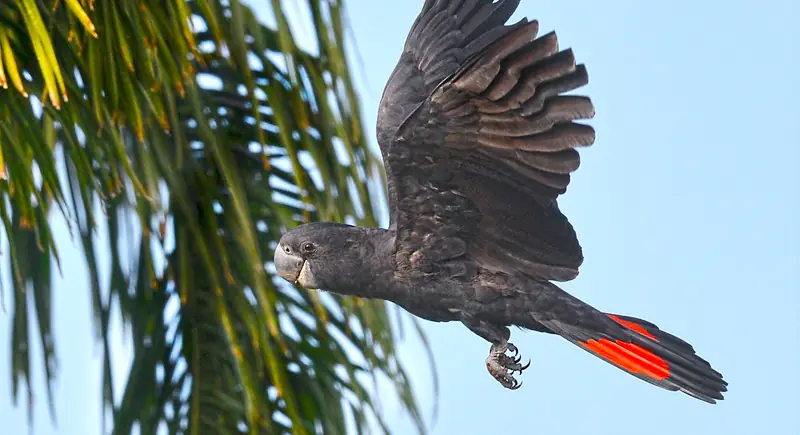
An Australian native, the Red-Tailed Black Cockatoo is distinguished by jet-black feathers with striking red streaks and a calm demeanor. Due to scarcity in breeding and export controls, prices typically fall into the $8,000 to $18,000 range, with exceptional birds fetching even higher sums.
Blue-Headed Macaw
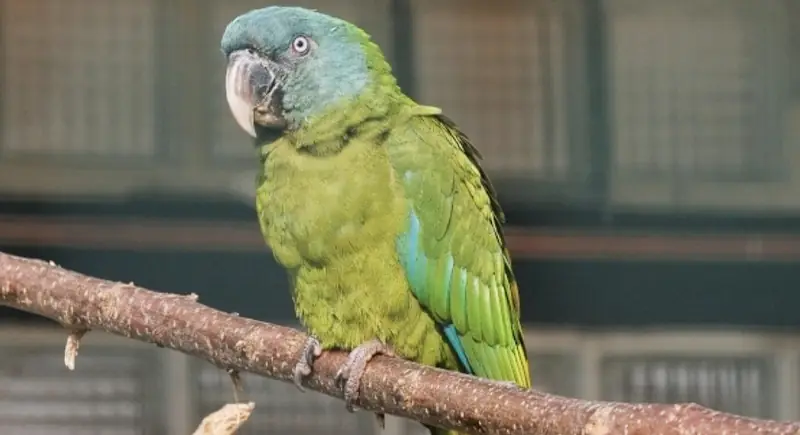
This small, shy, and intelligent macaw hails from the Peruvian and Bolivian lowlands, rarely seen in captivity. Its green body and cobalt crown can command $5,000 to $15,000, though legal availability is tightly regulated. It thrives in humidity-controlled environments that include structured flight sessions.
Toucan
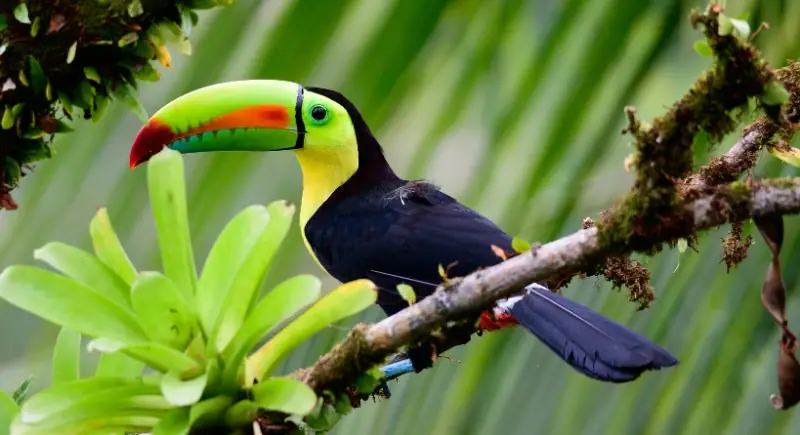
The Toucan is not a parrot, but its striking visual appeal and large bill often land it on exotic bird lists. Depending on the species and its rarity, costs range from $2,000 to over $15,000. Caring for toucans involves specialized feeding protocols and housing designed to minimize impact injuries due to their light bone structure.
Umbrella Cockatoo
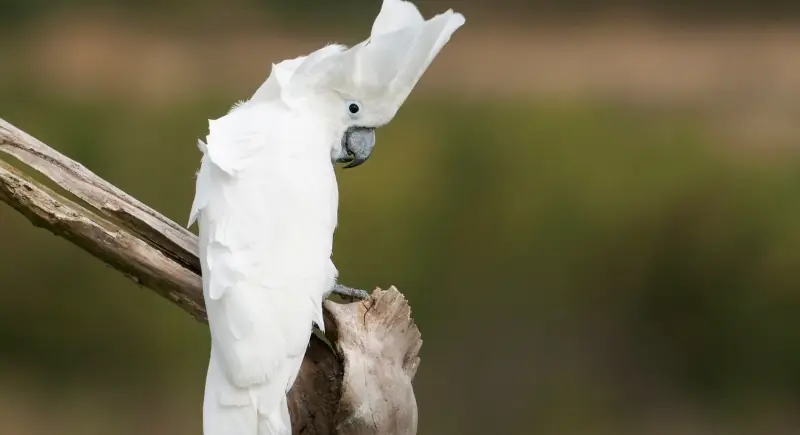
This all-white Umbrella Cockatoo is prone to separation anxiety. It absolutely thrives on consistent attention. Buyers typically spend $2,500 to $8,000 for one. Routine voice engagement and secure sleep cages are important to help prevent distress behaviors.
Flamingo
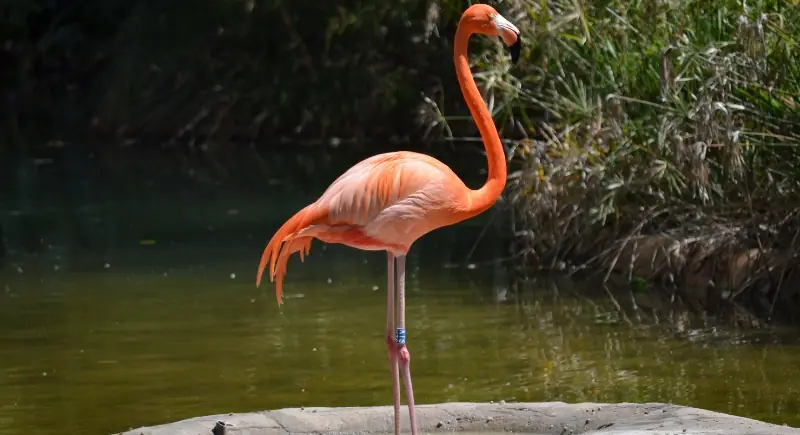
Flamingos are more commonly found in aviaries than in homes, requiring a social flock and a filtered aquatic habitat. Each bird typically costs thousands of dollars, often ranging from $5,000 to $10,000 or more, meaning a flock is a significant investment. Maintaining their health involves constant water quality checks and balanced nutrient intake tailored to their wetland feeding style.
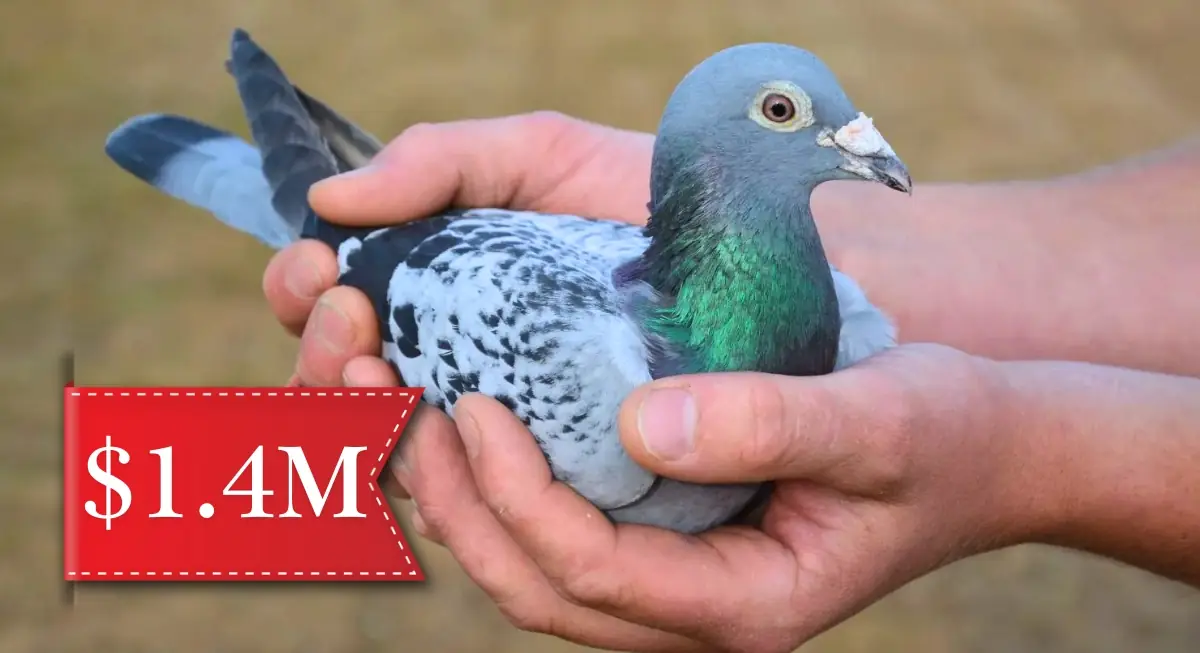
Racing Pigeon
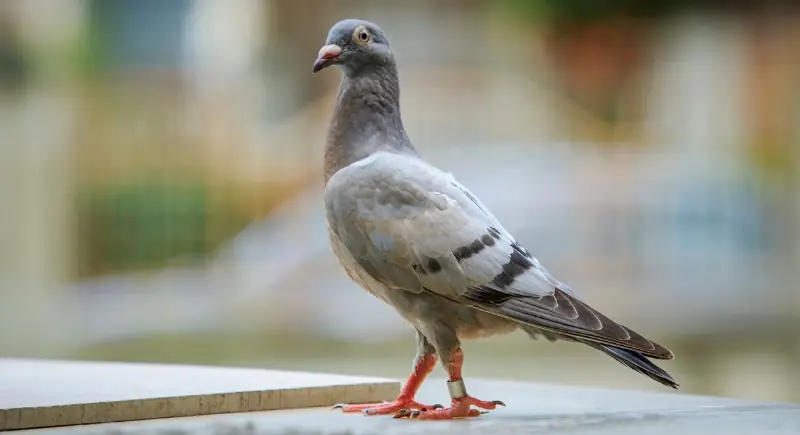
Racing Pigeons have transformed into an elite commodity, now subject to million-dollar auctions. For instance, Armando, a Belgian pigeon, sold for a record $1.4 million due to his unparalleled speed.
Palm Cockatoo
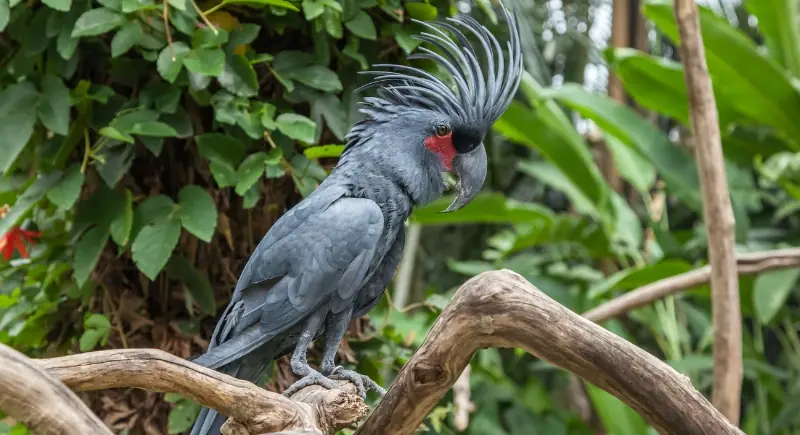
The Palm Cockatoo does not blend into the background. It carries a dark crest, a large beak, and a habit that catches attention fast. In the wild, it taps sticks against trees during courtship displays. Limited availability and demanding care needs can push prices into five-figure territory for prospective owners.
Golden Conure
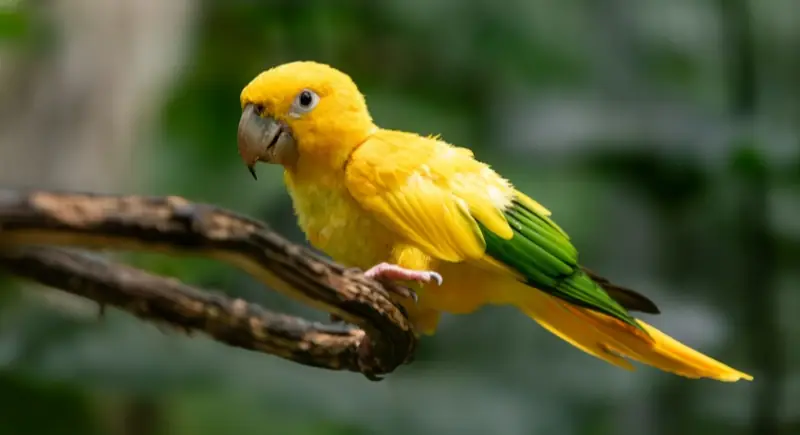
A Golden Conure looks like a burst of yellow feathers with green tucked into the wings. The species comes from a small region of Brazil, which helps explain the price tag. Demand stays high among bird enthusiasts. Expect a bird that wants company, attention, and plenty to do throughout the day.





