
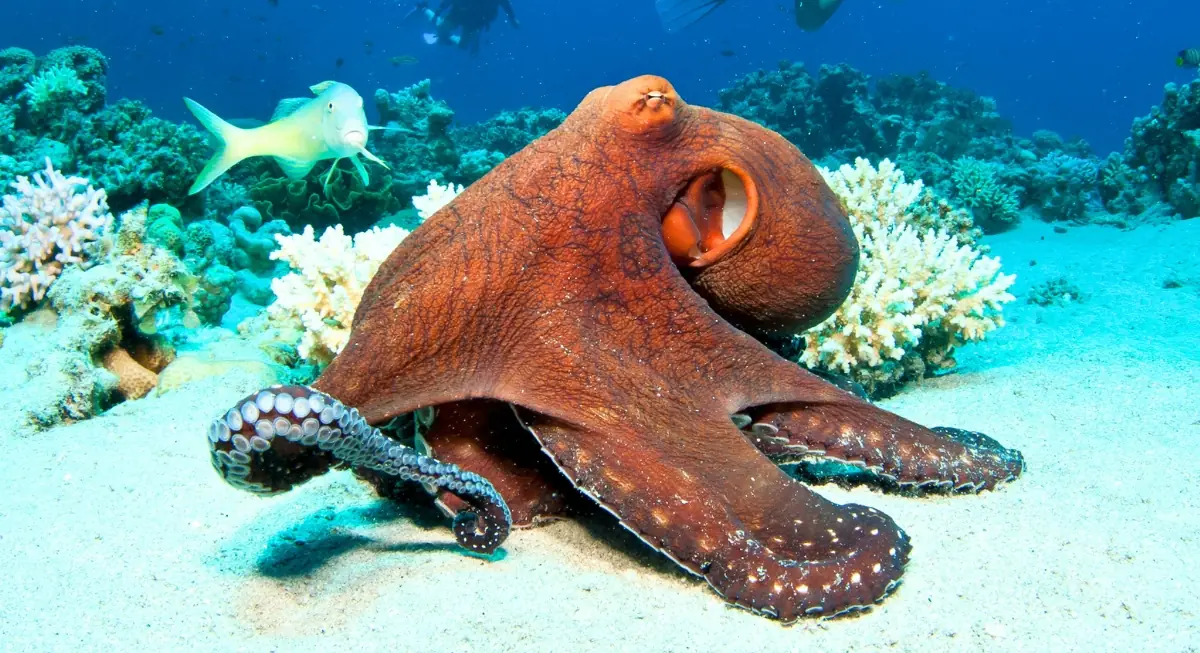
Octopuses break so many biological expectations that scientists still struggle to explain how they ended up this way through normal evolution. From how their brains work to how their bodies heal, octopuses feel like something dropped into Earth’s oceans by mistake. The idea that they might be aliens sounds wild until the facts start piling up. Now, it just sounds… possible.
Super-Complex Genetic Code
The genome of this soft-bodied cephalopod contains more than 33,000 protein-coding genes, compared to approximately 20,000 to 25,000 in humans. Scientists sequenced it in 2015 and found it unusually complex for a mollusk.
Jumping Genes Everywhere
Nearly 45% of an octopus’s DNA consists of transposons, also known as jumping genes. These genes move around and rearrange genetic material at a rate rarely seen in animals. Such activity can cause rapid biological change and make its evolution appear unusually fast compared to that of most Earth species.
The Panspermia Idea

A scientific paper published in 2018 proposed that these sea dwellers may have arrived via the theory of panspermia. The idea suggests that comets or meteorites delivered complex genetic material to Earth. Researchers linked this timing to the Cambrian explosion, when many advanced life forms appeared suddenly in the fossil record.
Missing Evolutionary Steps
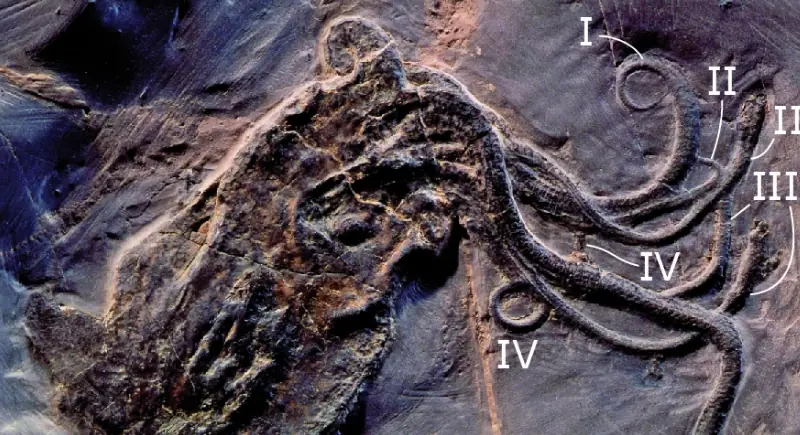
The fossil record shows that advanced cephalopods appeared early, with few obvious transitional forms. Scientists struggle to identify clear ancestors that explain how octopuses developed such advanced traits so quickly. This gap fuels speculation about unusual evolutionary pressures or missing biological information.
RNA Editing Experts
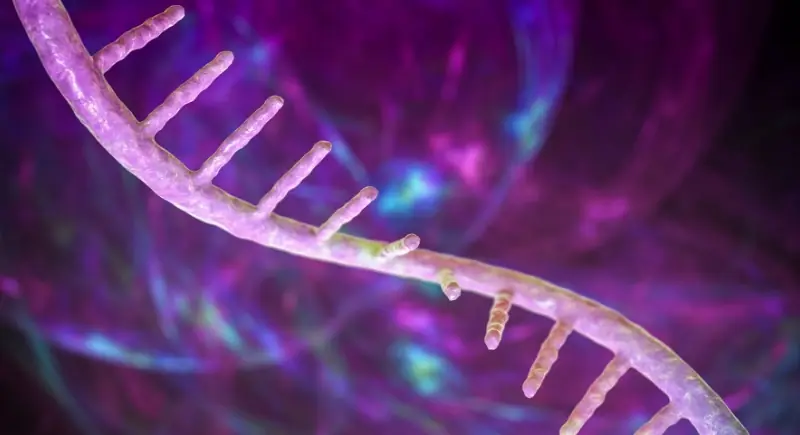
Octopuses rely heavily on RNA editing to fine-tune how their proteins function without altering their DNA. They modify thousands of RNA sites, a level of editing that is unusual among animals. This process lets them adjust to changes in temperature and environment much faster than traditional genetic evolution would allow.
Brains That Should Not Fit
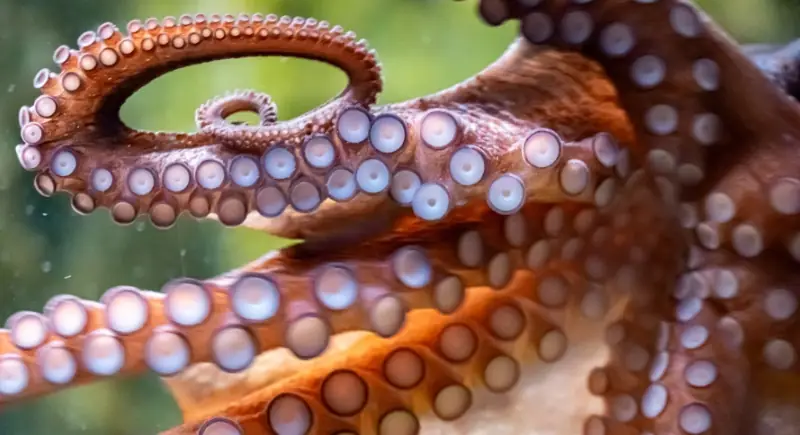
An octopus has approximately 500 million neurons, with most of them located in its arms rather than in its central brain. Each arm can process information independently. Experiments show their arms can react to stimuli even when disconnected.
Problem Solvers With No Blueprint

These clever sea creatures open jars and solve puzzles. They can even escape enclosures despite receiving no parental instruction. These behaviors emerge naturally during short lives. Scientists find it puzzling that such complex problem-solving appears without social learning or generational teaching.
Short Lives, Fast Intelligence
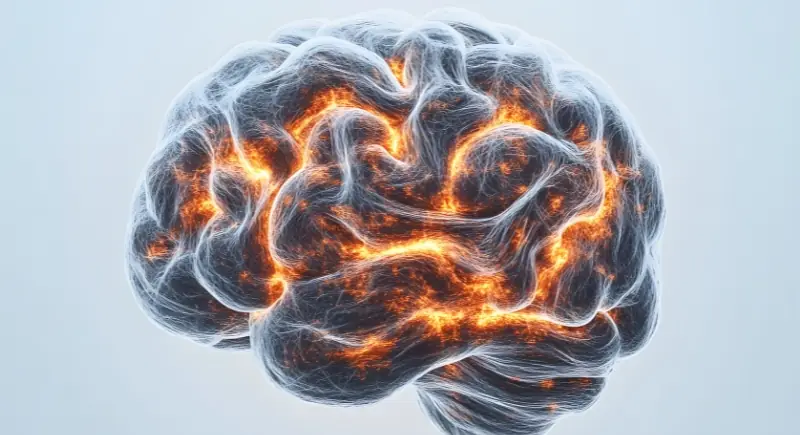
Most octopuses live between 1 and 5 years, yet develop advanced cognition quickly. On Earth, intelligence usually correlates with long lifespans. These animals break that pattern by reaching high cognitive ability in a fraction of the time seen in mammals and birds.
Instant Camouflage Control
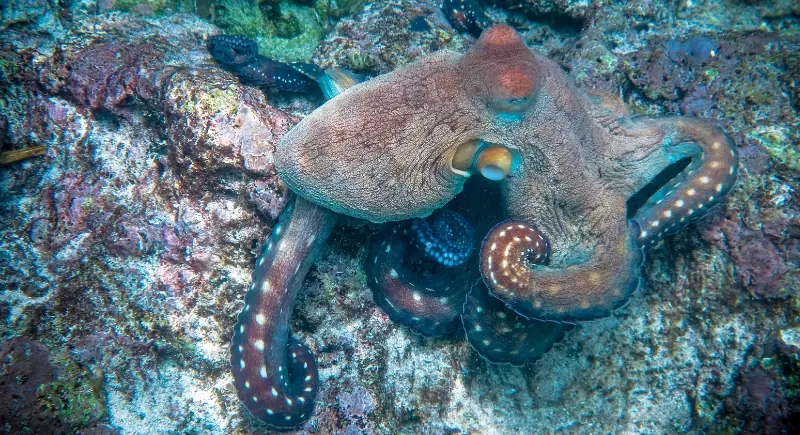
The skin of these shape-shifting predators contains chromatophores that change color and texture almost instantly. They match rocks, coral, and plants with extreme accuracy. Some species display dozens of distinct patterns in seconds based on visual input from their surroundings.
Shape-Shifting Imposters
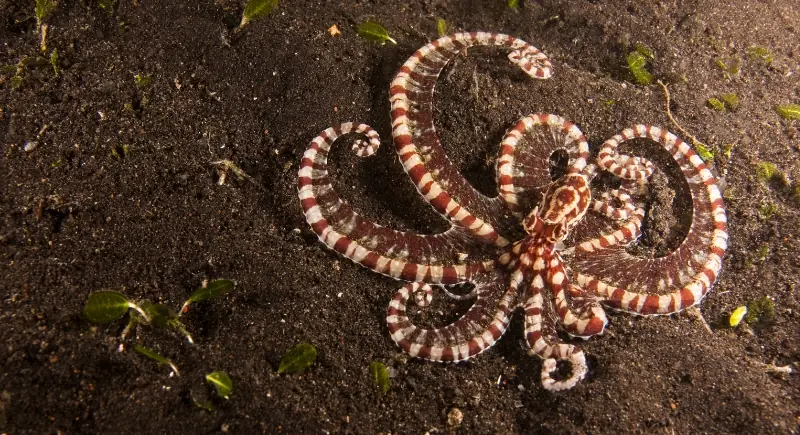
An octopus can copy the appearance and movement of other dangerous animals. It imitates sea snakes, lionfish, and flatfish through body shape and motion. This behavior requires awareness of predators and the ability to choose effective disguises in real-time.





