
Orcas have not had the best press lately. After headlines about sailboats being damaged off the coasts of Spain and Portugal, it is easy to lose sight of how unusual these animals really are. Orcas have a long list of odd, sometimes surprisingly human-like behaviors. Some are touching, others are just strange. This list looks at the lesser-known side of orcas that often gets overlooked.
They Offer Snacks to Humans
In more than 30 recorded cases, wild orcas have approached people and left fish or pieces of meat near them. Sometimes a single whale does it. Other times, several members of a pod take part. Researchers do not think this behavior is a trick or a setup. It appears to be social behavior, and in some cases, it may reflect altruism.
They Wear Fish as Hats
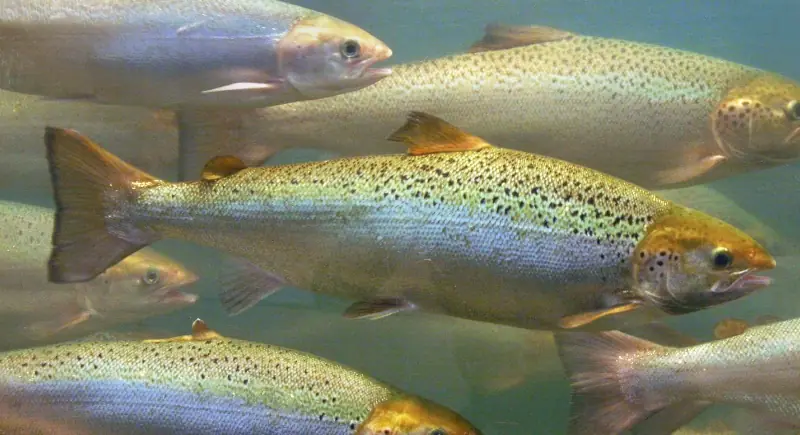
In a bizarre trend, orcas off the coast of Washington were seen balancing salmon on their heads before eating them. The fad started in 1987, disappeared for decades, then reemerged in 2024. Researchers think it could be food play, scent marking, or even social signaling.
They Host Giant Meetups
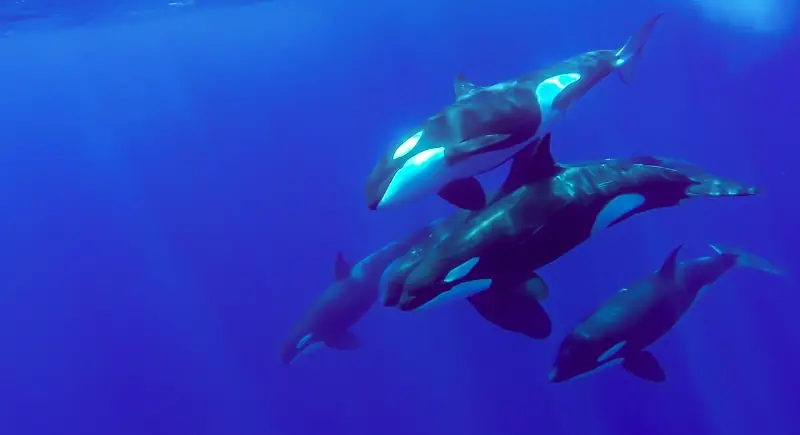
Orca pods in Russia’s Avacha Gulf have been filmed forming short-term gatherings of over 100 individuals. Observers noticed the orcas interacting across pod lines by rubbing flippers, swimming in sync, and in some cases, pairing off romantically. The events sometimes last hours, hinting at a strong social drive beyond survival.
They Speak Multiple Languages
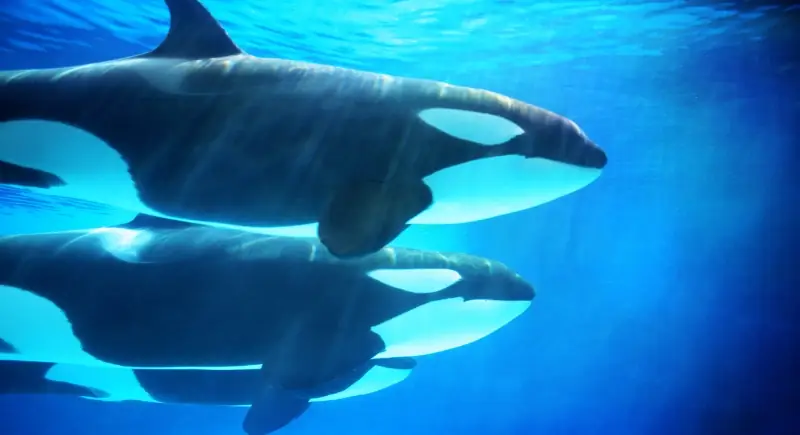
In captivity, some orcas picked up dolphin-style clicks and whistles after spending time with bottlenose companions. Normally, they rely more on pulsed calls. But when isolated from their own kind, they adjusted their communication to match the dolphins.
They Use Kelp Like a Spa Tool
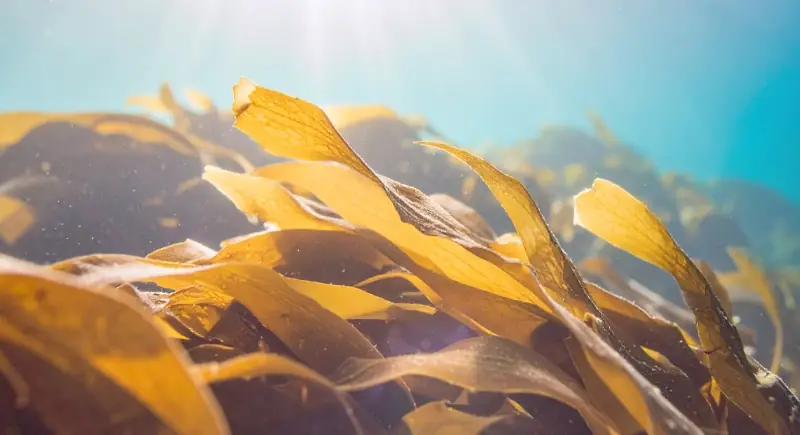
Footage from the Salish Sea shows orcas draping bull kelp over their bodies and rubbing it against each other. The behavior is widespread among the local population and often involves close relatives or similar-aged whales. It’s likely a grooming method, especially for those shedding skin, but the consistent partner choice suggests it also plays a social bonding role.
They French Kiss Underwater
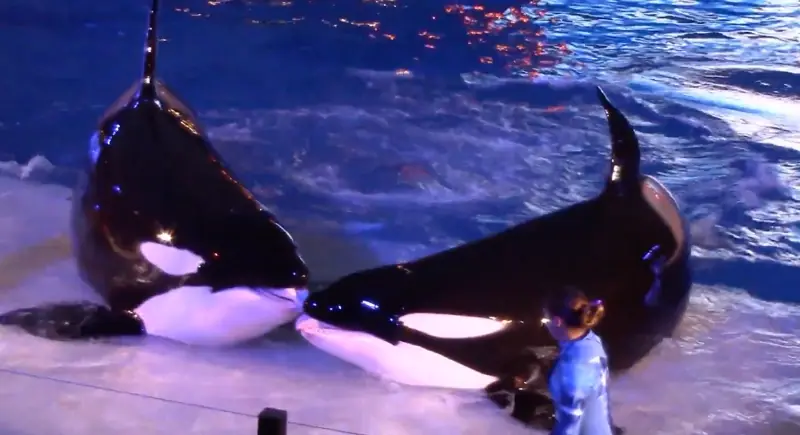
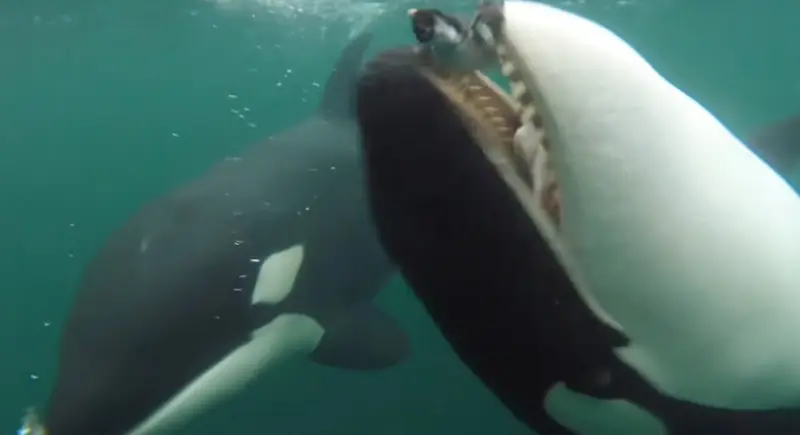
In Norway, a diver filmed two orcas pausing in the water and briefly touching tongues. There was no sign of aggression or struggle. The contact was slow and controlled. Researchers think the behavior may serve a social purpose, such as bonding, or relate to food-sharing signals similar to those seen in younger whales.
They Fear Pilot Whales
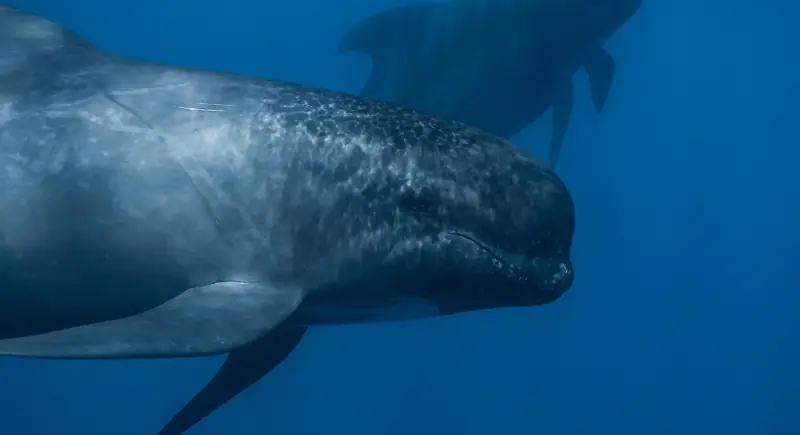
Despite being apex predators, some orcas have shown a puzzling fear of smaller pilot whales. Around Iceland, researchers documented cases where they fled as soon as pilot whales approached. The response included loud whistling and even high-speed chases to escape.
They Hunt with Humans
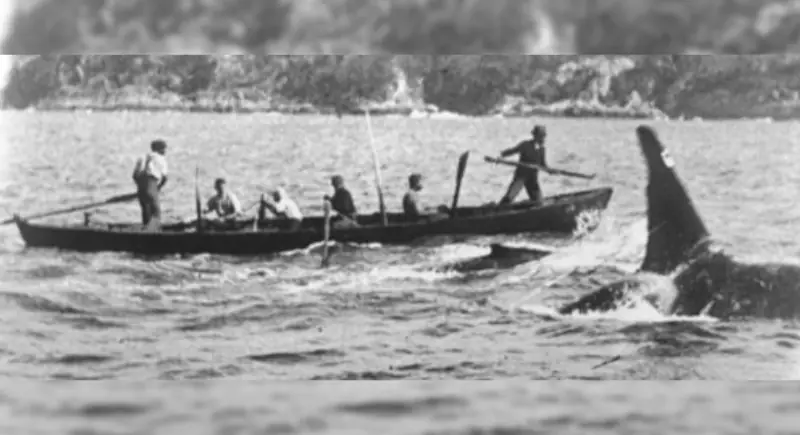
In 20th-century Australia, a pod of orcas helped whalers by herding baleen whales toward harpoons. After the hit, the whalers rewarded them with scraps of tongue and lip. This cooperation lasted for decades, with one orca, named Old Tom, even becoming famous. His skeleton is now displayed at the Eden Killer Whale Museum.
They Sleep Half Awake
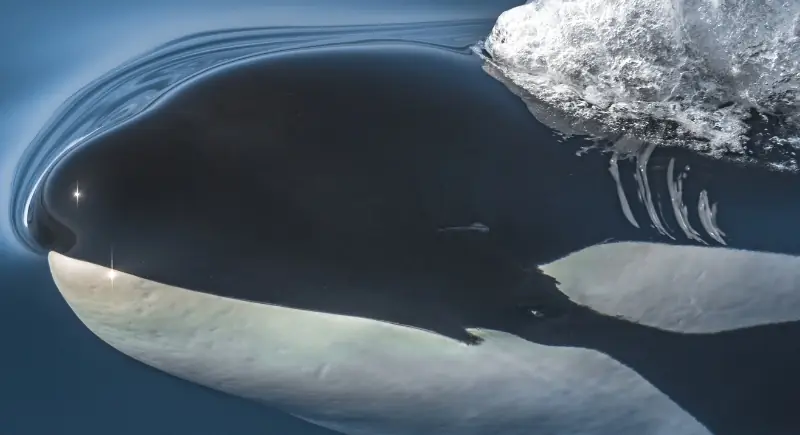
Orcas never fully shut down. They rest using unihemispheric sleep, where one half of the brain sleeps while the other stays alert. This lets them keep breathing and remain aware of their surroundings. During this state, one eye stays open. Calves often rest by riding in their mother’s slipstream, which allows them to conserve energy without swimming on their own.
They Have Helicopter Moms
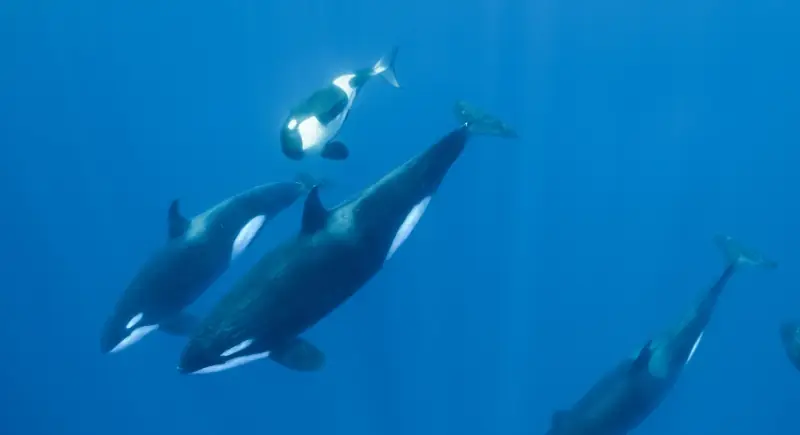
Male orcas live longer and get into fewer fights when their post-menopausal mothers are around. One long-term study found that older moms step in to shield adult sons from aggression, even into adulthood. The reason might be genetic payoff—sons can mate outside the pod, spreading mom’s genes without adding mouths to feed.





