
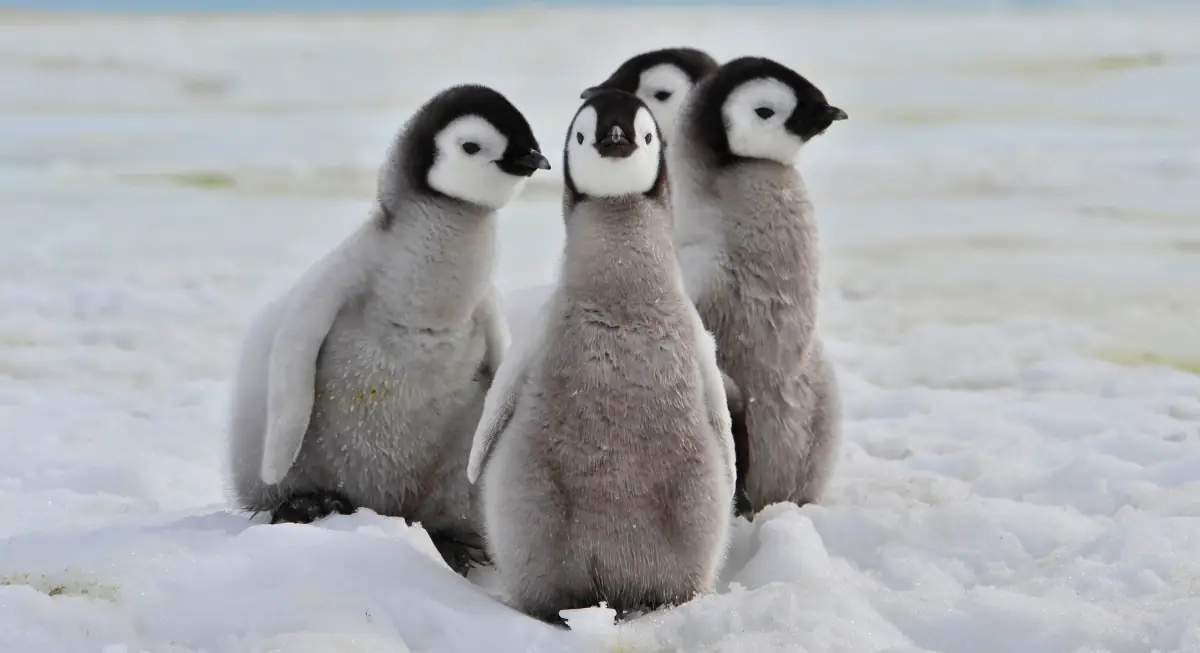
Penguins have a reputation for being cute and predictable, but their daily lives are packed with odd details that rarely make it into casual conversation. Behind the familiar black-and-white look is a mix of social habits and evolutionary shortcuts. This list highlights lesser-known penguin facts that are sometimes strange and unintentionally funny.
They Sneeze on Purpose
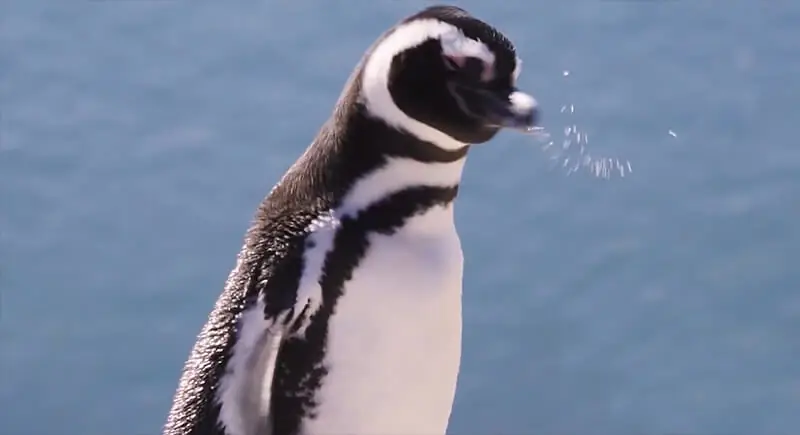
Penguins spend much of their lives swallowing seawater while hunting, which creates a salt problem most birds never face. To handle it, they rely on a specialized gland near the eyes that filters salt from the bloodstream. The excess exits through the nose in a sharp spray that looks like a sneeze.
Their Feathers Can Overheat Them
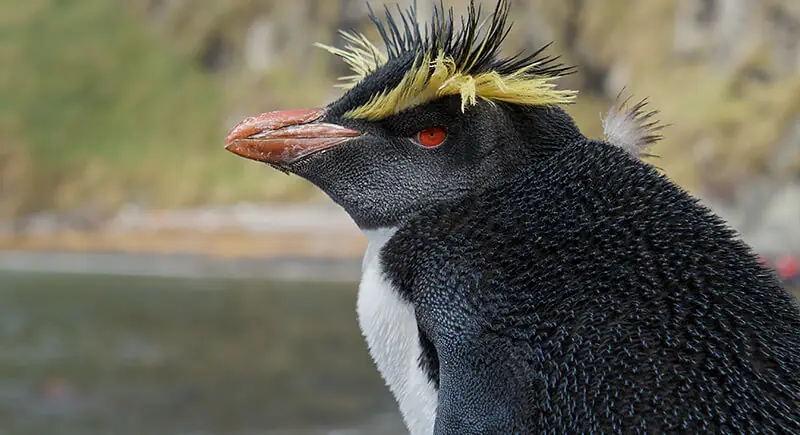
Penguin feathers insulate so well that staying cool can become a challenge. During warmer months or intense activity, penguins may hold their flippers away from their bodies or rest on cooler ground to release heat. Scientists have documented cases where overheating caused more stress than cold exposure.
Molting Leaves Them Stranded
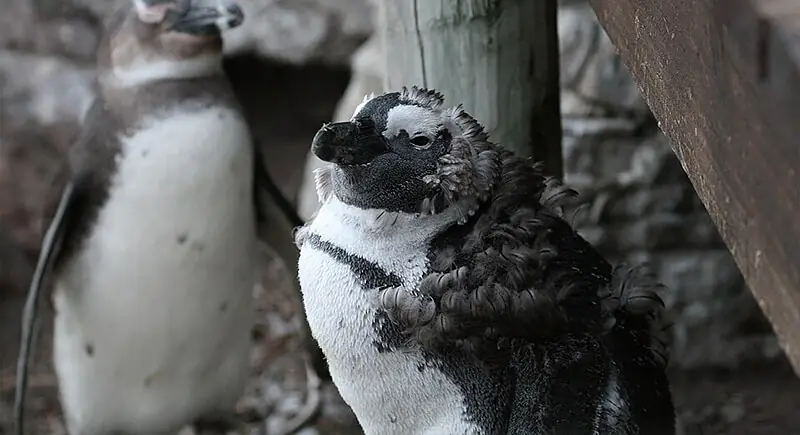
Once a year, penguins replace every feather in a short, exhausting molt. During this period, they cannot swim because patchy feathers break waterproofing. The birds remain on land for weeks and live off stored fat. The process looks chaotic and uncomfortable, but it is essential for restoring insulation and swimming efficiency.
Giant Penguins Once Existed
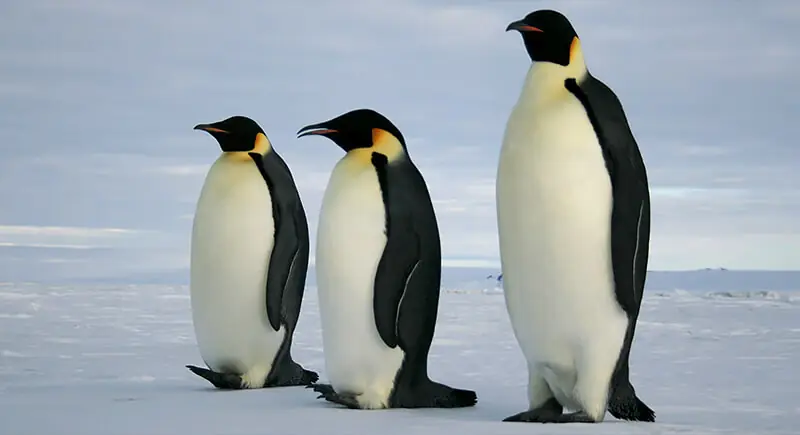
Fossils show that ancient penguins reached human height long before seals and whales dominated the southern oceans. Species such as Palaeeudyptes stood well over five feet tall and weighed far more than modern penguins. Their size likely helped them dive deeper and hunt larger prey. These birds disappeared millions of years ago and left smaller descendants behind.
Their Bones Are Built to Sink
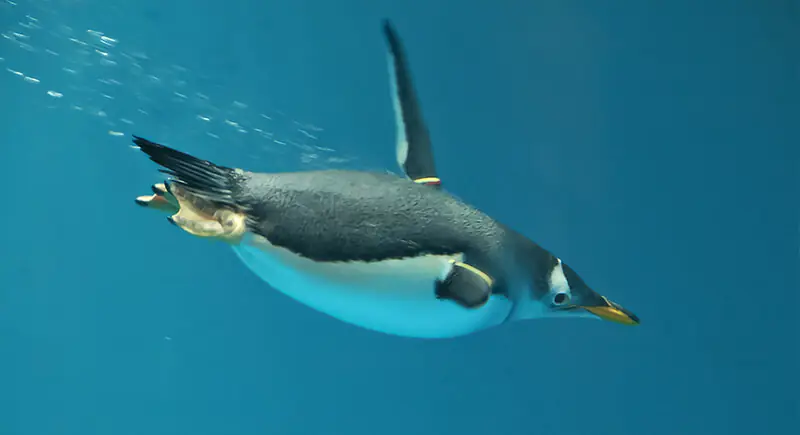
Most birds rely on hollow bones for flight, but penguins evolved the opposite approach. Their solid bones reduce buoyancy and make diving easier. This design helps them descend quickly without constant paddling. The tradeoff means flight became impossible, but underwater control improved dramatically. In evolutionary terms, penguins committed fully to life below the surface.
They Recognize Voices in Crowds
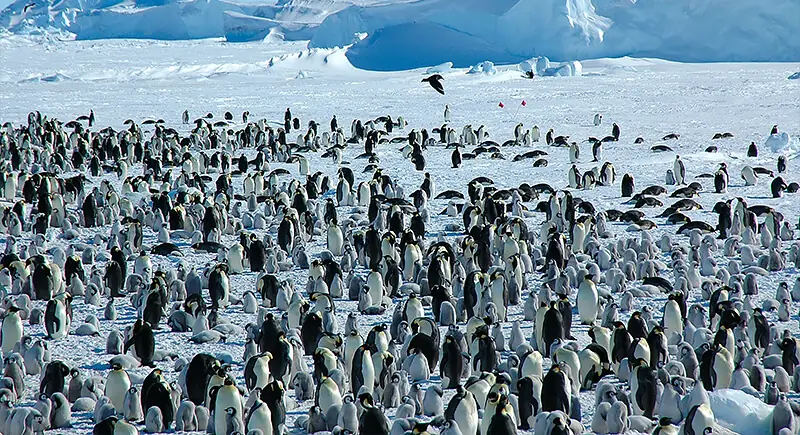
Penguin colonies can hold thousands of noisy birds packed closely together. Visual recognition becomes unreliable in such chaos, so sound takes over. Many species use unique vocal patterns that allow mates and chicks to identify one another. Studies show that penguins can pick out familiar calls even when surrounded by near-identical voices.
Rocks Can Decide Romance
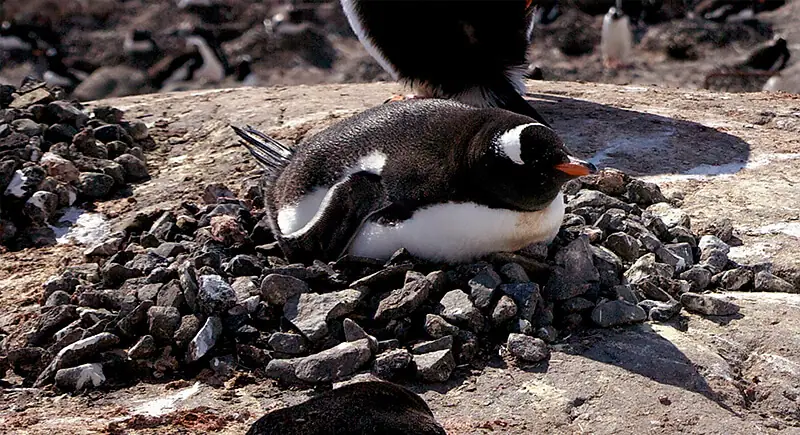
In species that build stone nests, males often collect rocks to attract mates. The quality and quantity of stones matter. Theft is common, and arguments break out over the quality of building materials. A well-placed pebble can influence pairing success.
Their Color Is Not Pigment-Based
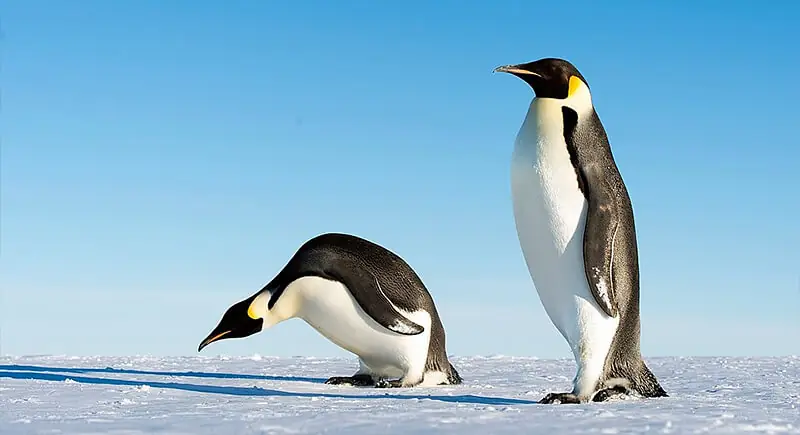
The black, white, and yellow shades seen on penguins do not always come from pigment. In several species, microscopic feather structures bend light to create color instead. This method differs from most birds and does not rely on diet. Fossil evidence suggests extinct penguins displayed even richer coloration, produced using similar structural tricks.
They Drink Ocean Water Safely
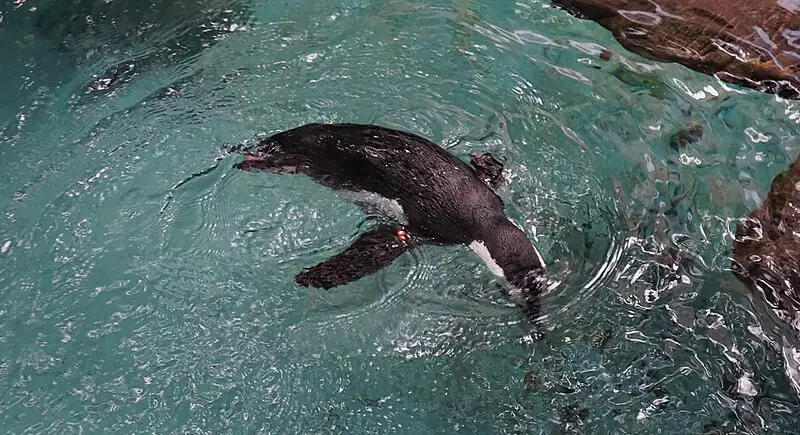
Freshwater is not a requirement for penguins. Their salt-filtering glands allow them to drink seawater without dehydration. The system removes salt efficiently and expels it through the nasal passages. This adaptation lets penguins remain at sea for long stretches. Access to ocean water is an advantage.
They Eat More Than Fish
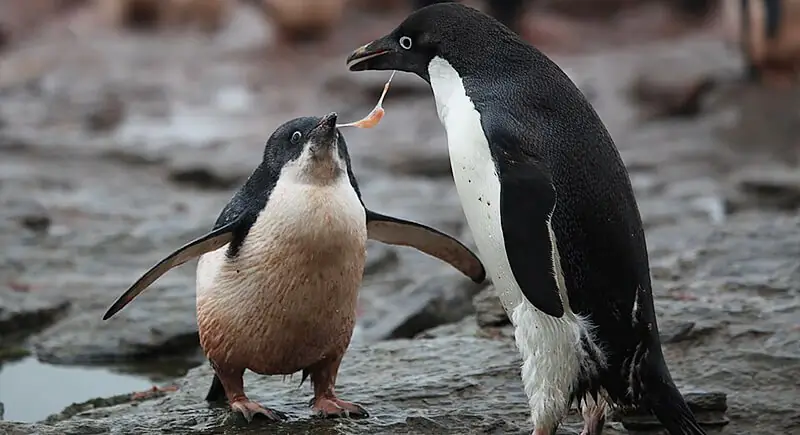
Penguin diets shift with location, season, and body size. Many rely on krill and squid, not just fish. Smaller species often feed close to the surface, scraping food from ice edges. Larger penguins dive hundreds of feet for deeper prey. Meals are swallowed whole, which makes feeding chicks easier through regurgitation rather than chewing.





