
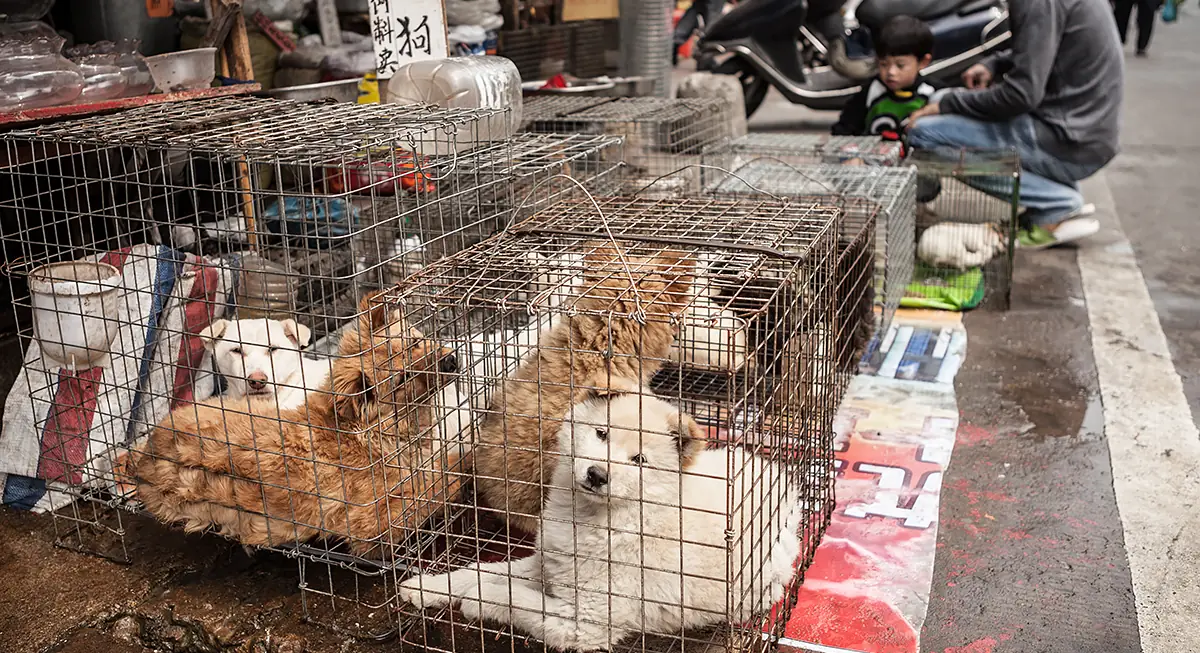
Some cruelty hides in the open. Tourists snap photos. Shoppers swipe credit cards. People scroll past without thinking twice. And yet, animals across the world are paying the price — quietly, painfully, and often unnoticed. Here’s where it’s happening and why it needs to be talked about.
Factory Farms – United States, Brazil, China, Germany
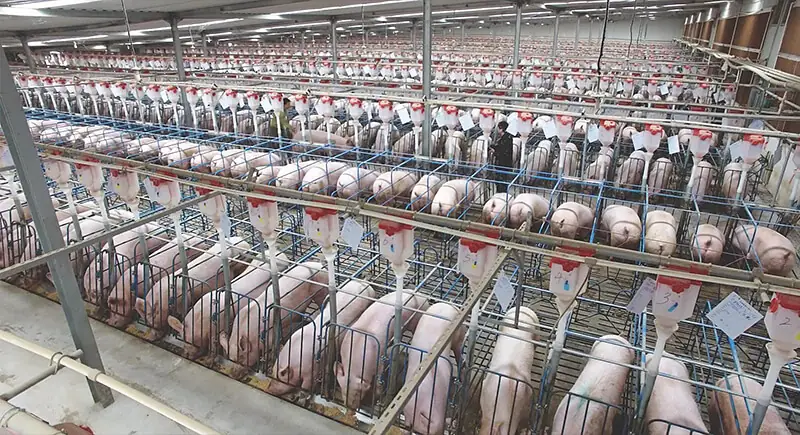
In the U.S., Brazil, and China — the world’s top meat producers — factory farming is the standard. Animals are packed into massive warehouses, often without light, space, or access to the outdoors. Germany, known for its pork exports, also faces repeated criticism over the state of the farms.
Elephant Rides – Thailand, India, Sri Lanka, Myanmar
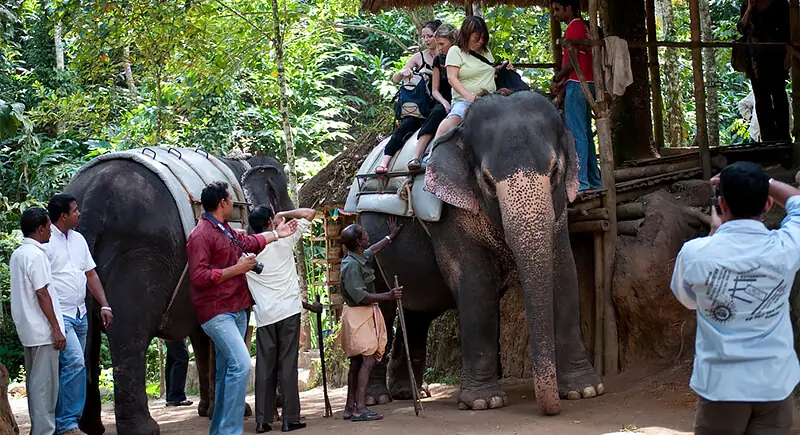
In Thailand, tourists flock to elephant camps, unaware that many of the animals were broken through violent training. In India and Sri Lanka, elephants used in temples and festivals are often chained, malnourished, and beaten. Myanmar’s wild elephants are still captured illegally to supply the trade.
Live Animal Markets – China, Indonesia, Nigeria, Vietnam
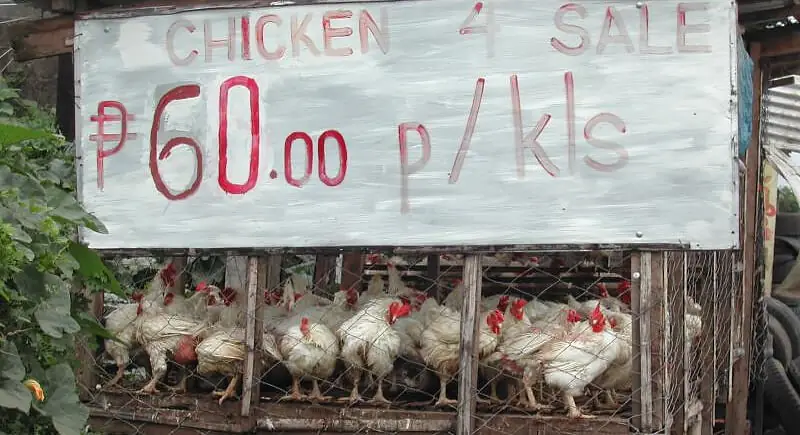
Wet markets in China and Indonesia are infamous for cramming live animals into an unsanitary environment. In Nigeria, bushmeat markets sell everything from monkeys to antelopes. Vietnam’s live animal trade continues despite growing health and welfare concerns — and international pressure.
Bullfighting – Spain, Mexico, Colombia, Peru
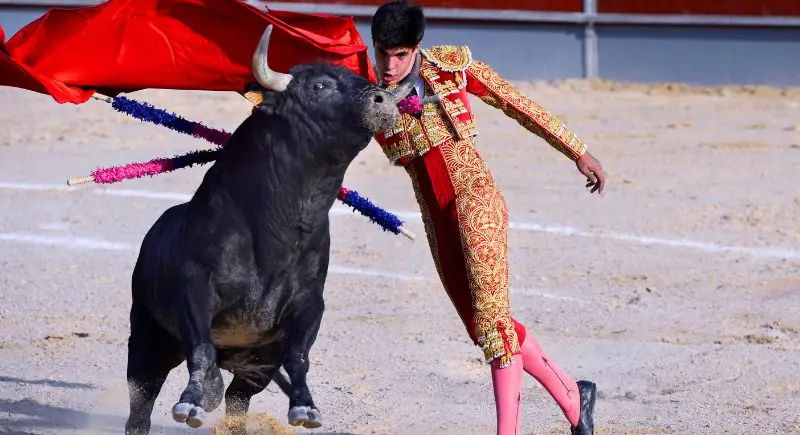
Spain still hosts hundreds of bullfights annually, despite global outcry. In Mexico and parts of Colombia, the sport is seen as a cultural spectacle. Peru’s rural festivals often include amateur versions, where bulls are tormented without regulation or oversight.
Dog Meat Trade – South Korea, China, Vietnam, Nigeria
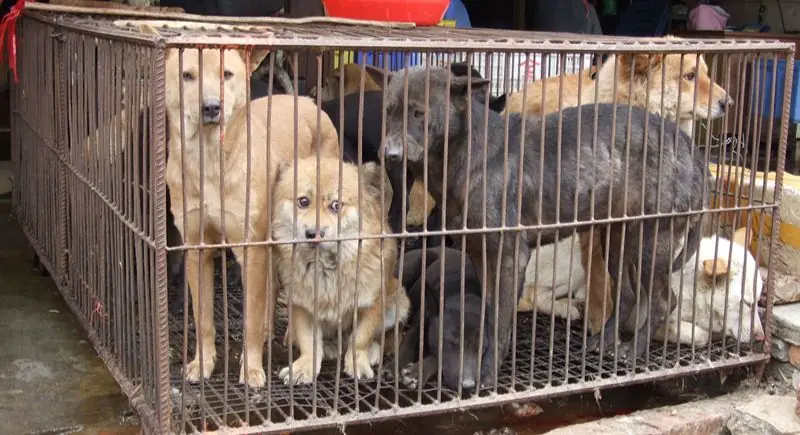
Though South Korea is moving toward bans, thousands of dogs are still bred or stolen for meat. China’s Yulin festival brings international outrage every year. Vietnam’s dog meat restaurants remain widespread. In Nigeria, dog markets openly sell and slaughter animals for consumption.
Roadside Zoos – United States, Thailand, Russia, Ukraine
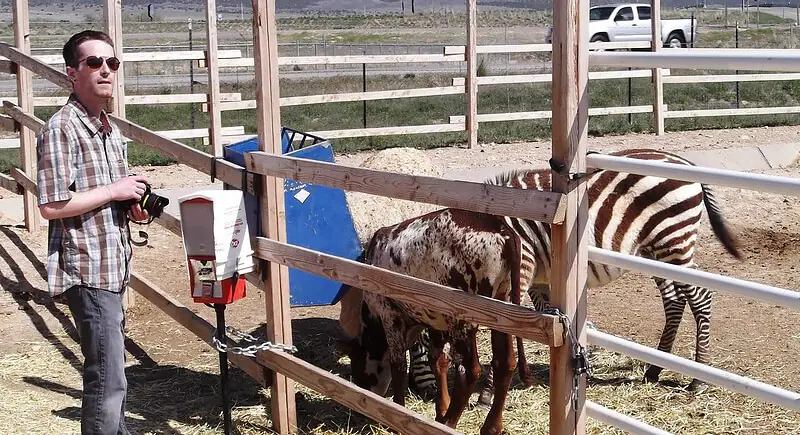
In the U.S., underregulated roadside zoos still operate in multiple states. Thailand and Russia have parks where animals are kept in tiny cages for selfies. Ukraine’s struggling zoos, especially post-conflict, have also drawn criticism for starving and neglected animals.
Animal Rides – Egypt, Morocco, Jordan, Pakistan
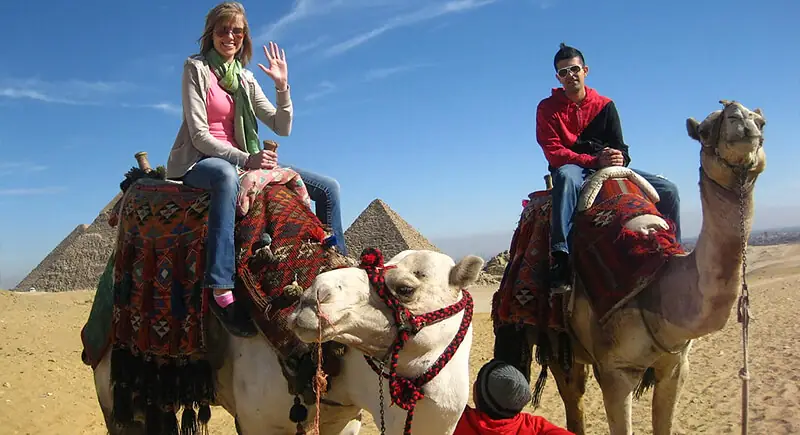
In Egypt, horses and camels near the pyramids work long hours without rest or hydration. Morocco’s tourist centers see donkeys and mules whipped for overloading. In Jordan and Pakistan, animals are pushed to exhaustion in extreme heat, often with untreated wounds.
Greyhound Racing – United States, United Kingdom, Ireland, Australia

Although banned in several U.S. states, greyhound racing still exists in Florida and elsewhere. The UK and Ireland continue to support the industry with government funds. In Australia, scandals have emerged involving live baiting, doping, and the killing of underperforming dogs.
Fur Farming – China, Poland, Finland, United States
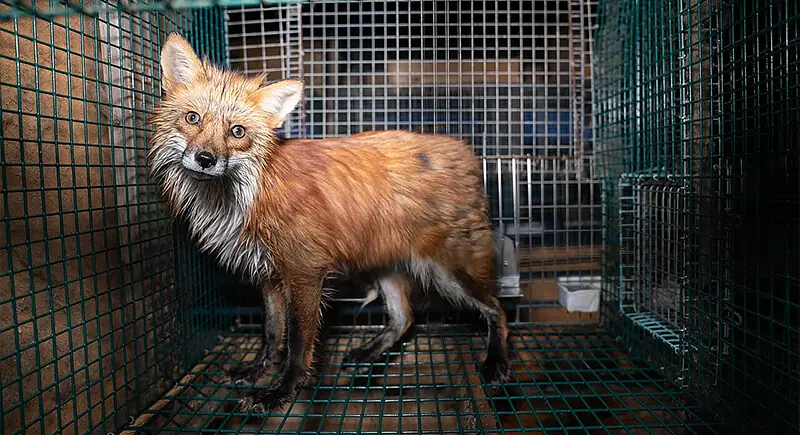
China produces over half the world’s fur, with minimal animal welfare laws. In Poland and Finland, foxes and minks are raised in small cages despite EU pressure. Even the U.S. still allows fur farming in states like Wisconsin, where it’s poorly regulated.
Slaughterhouses Without Oversight – India, Brazil, Pakistan, Indonesia
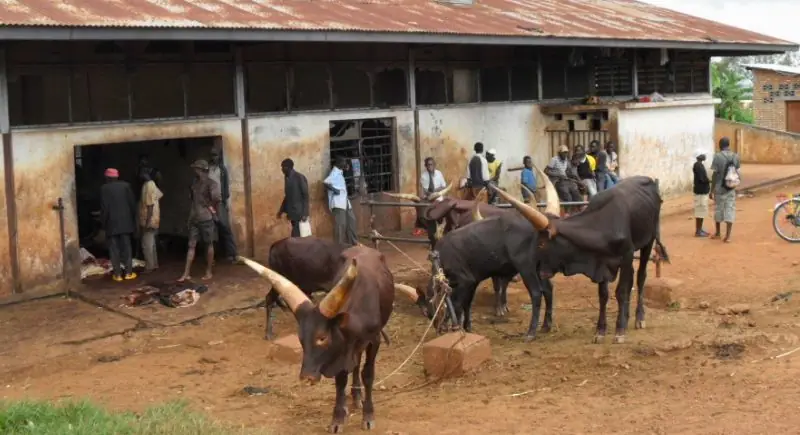
In India and Pakistan, illegal and unregulated slaughterhouses are widespread and lead to immense suffering. Brazil’s meatpacking plants have come under fire for cruelty and corruption. In Indonesia, investigations have shown repeated instances of botched killings and untreated injuries.
Monkey Street Performances – Indonesia, India, Thailand
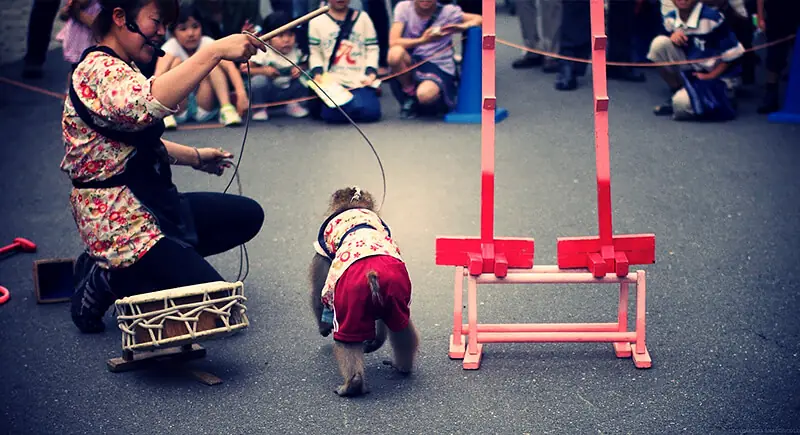
In Indonesia, chained monkeys are forced to dance in masks and costumes for tips. India banned the practice, but illegal shows still happen in rural areas. In Thailand, monkeys trained to pick coconuts are often kept in poor conditions and denied any freedom.
Marine Parks – United States, Japan, Russia, Spain
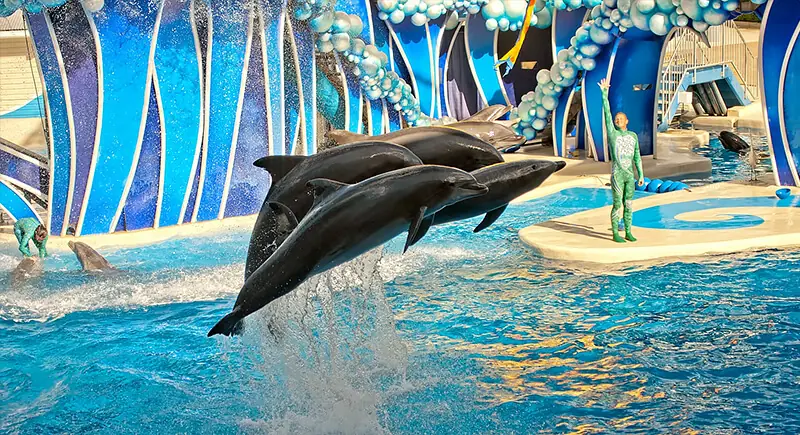
In the U.S., places like SeaWorld have faced years of backlash. Japan continues to capture dolphins for marine parks, especially in Taiji. Russia has kept orcas in captivity for sale to China. Spain’s dolphinariums still promote shows using animals in barren tanks.
Animal Circuses – Russia, Vietnam, Belarus, Iran
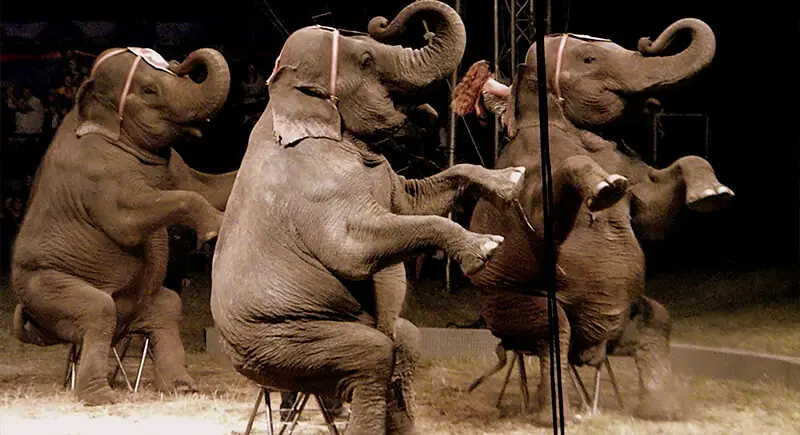
Russia’s traveling circuses keep bears, lions, and monkeys in harsh and outdated environments. Vietnam’s circus shows often include elephants and dogs in painful costumes. In Belarus and Iran, animal acts remain popular despite global trends toward banning them entirely.
Animal Sacrifice at Religious Festivals – Nepal, India, Bangladesh
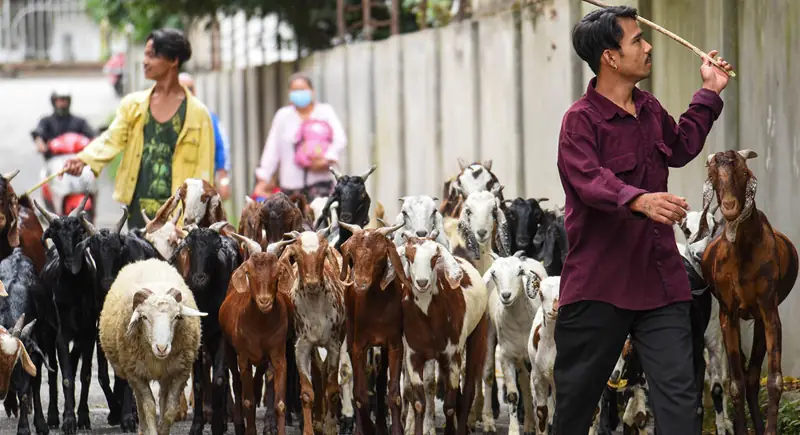
Nepal’s Gadhimai Festival has slaughtered thousands of animals in a single day, though reforms are growing. In India and Bangladesh, goats and buffalo are publicly sacrificed during festivals. Some regions are starting to modernize practices, but many still defend them as cultural traditions.
Wildlife Trafficking – Democratic Republic of Congo, Laos, Myanmar, Brazil
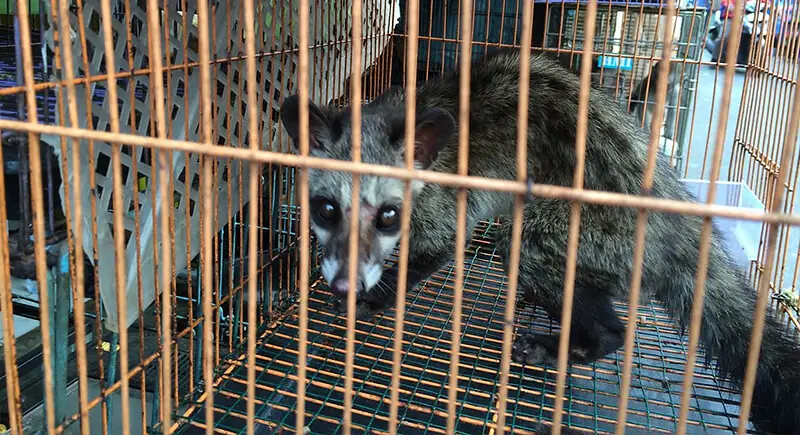
In the DRC, baby primates are captured for illegal sale. Laos and Myanmar are known routes for tiger and pangolin trafficking. Brazil, rich in biodiversity, is a hotspot for bird and reptile smuggling. Most of this happens underground, but the evidence is everywhere.
Puppy Mills – United States, Czech Republic, Hungary, South Korea
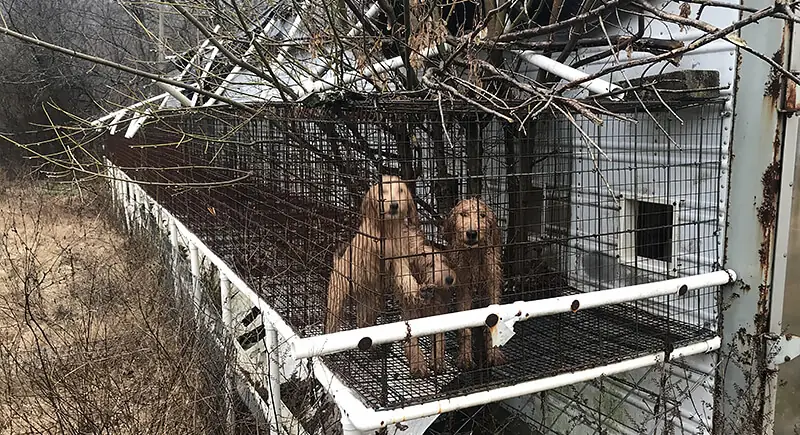
In the U.S., puppy mills still supply pet stores in many states. Eastern European countries like the Czech Republic and Hungary export dogs bred in miserable circumstances. South Korea’s unregulated breeders sell puppies online and through markets with little accountability or care.
Bear Bile Farming – Vietnam, China, Laos
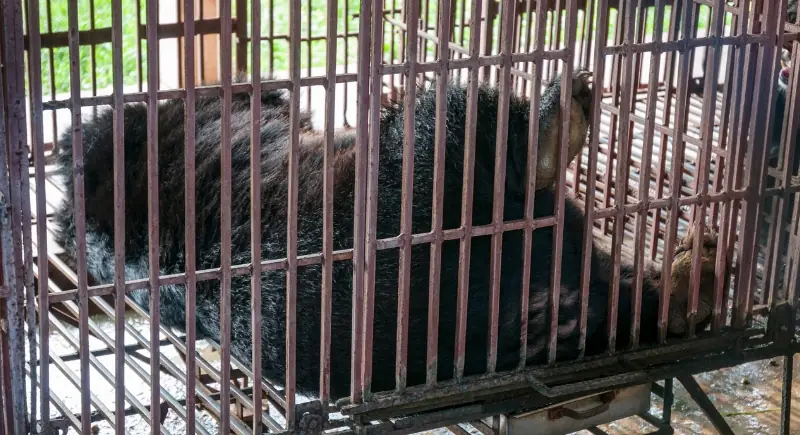
Bears on bile farms spend years confined in small cages where movement is limited, and stress runs high. The bile, used in some traditional remedies, is extracted through painful procedures that can lead to infection and long-term suffering. Welfare groups continue pushing for rescue efforts and stronger enforcement to end the practice.
Tiger Farming – China, Thailand, Laos, Vietnam
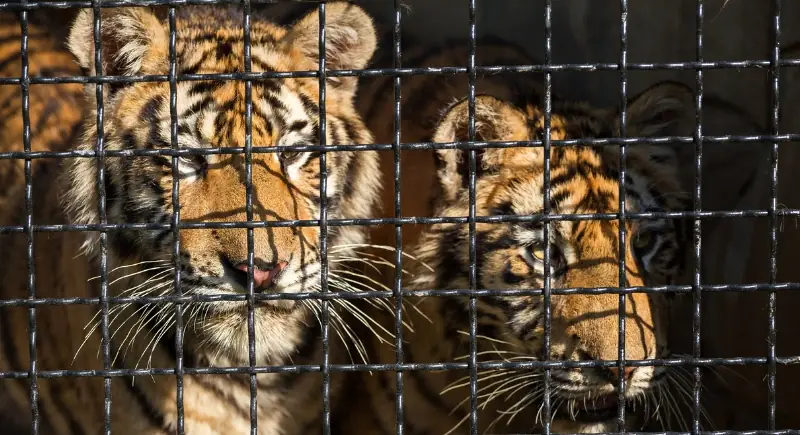
Tiger farms raise big cats in captivity for tourism displays and for the sale of body parts on the black market. Many live in concrete enclosures with little stimulation or space to roam. Conservation experts warn that farming does not protect wild tigers and may instead fuel demand for illegal wildlife products.





