
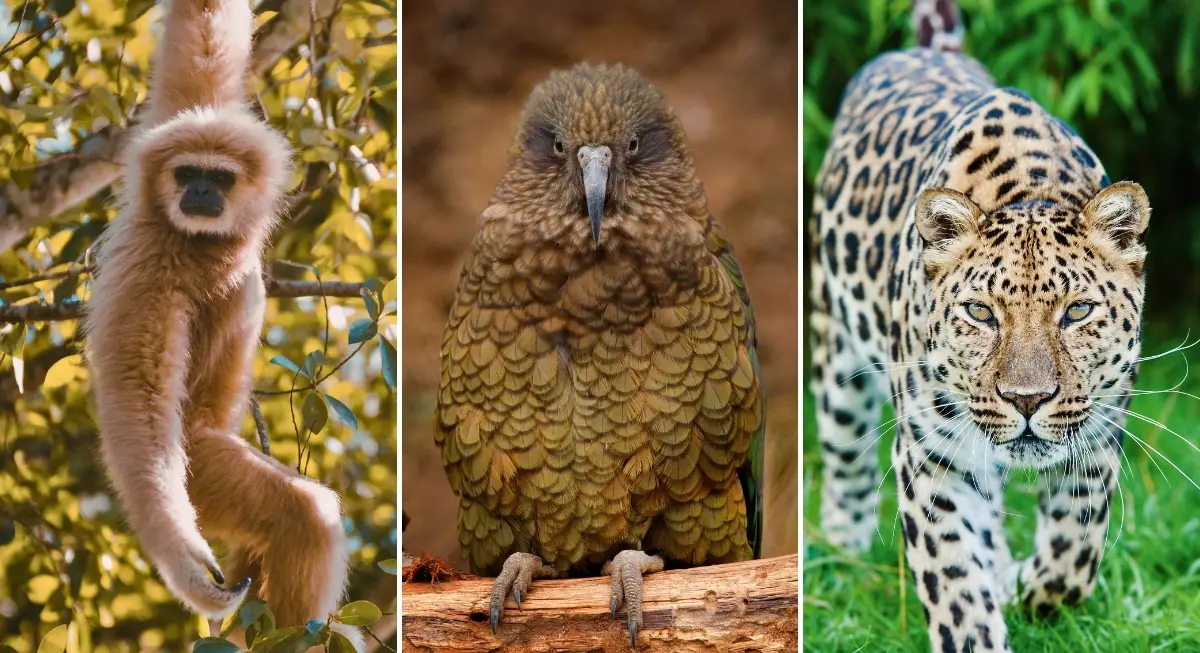
Earth is home to millions of species, yet a handful now exist in such low numbers that biologists can name individual animals. Illegal trade and shifting ecosystems have pushed them to the brink. However, conservationists track the remaining animals using drones and field-collected DNA samples. Here are ten of the rarest creatures alive today and the sobering math behind their survival.
Vaquita Porpoise
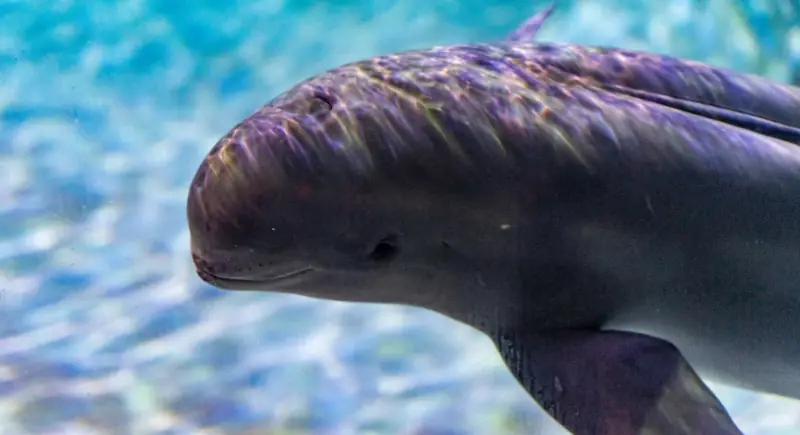
The vaquita’s entire world fits inside a small stretch of Mexico’s northern Gulf of California. Biologists estimate fewer than 10 remain. Researchers rarely see one; they listen instead. Sensitive underwater microphones pick up their sharp echolocation clicks, which confirm survival long after visual sightings stopped.
Northern White Rhinoceros
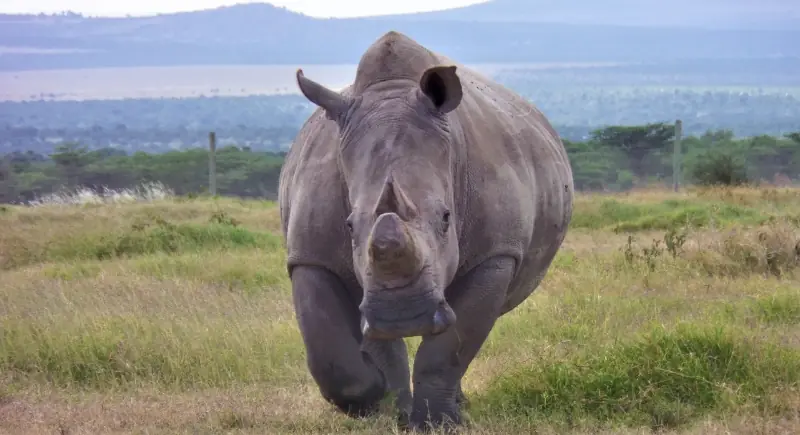
Najin and Fatu graze under armed protection in Kenya’s Ol Pejeta Conservancy. They are the last two northern white rhinos on Earth. After years of poaching, only frozen sperm samples remain from deceased males. Scientists now attempt lab-based fertilization, creating embryos that may be carried by southern white rhino surrogates.
Javan Rhinoceros
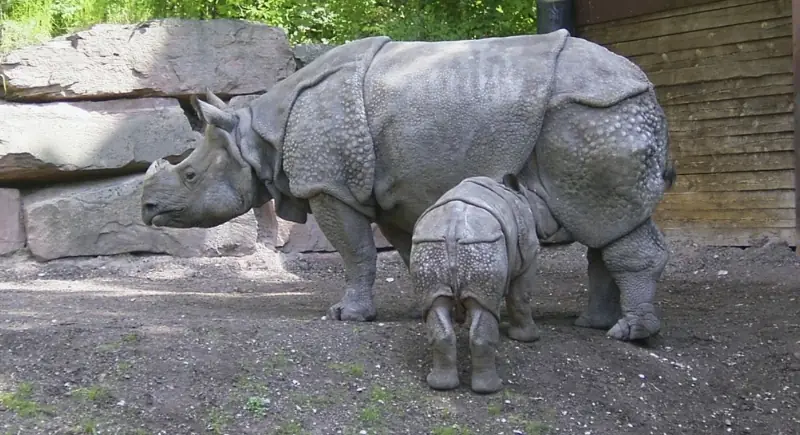
There are around 80 Javan rhinos in Indonesia’s Ujung Kulon National Park. They live in dense lowland forest and rarely appear on camera traps. Unlike other rhinos, they carry a single horn and prefer browsing on shrubs and young shoots. A single volcanic eruption or disease outbreak could threaten the entire population, as all individuals are confined to a single protected area.
Hainan Gibbon
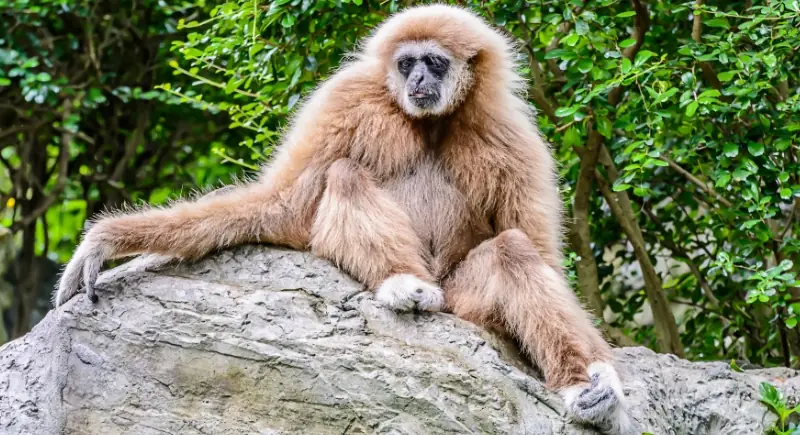
About 35 Hainan gibbons remain on China’s Hainan Island. They form small family groups and sing complex duets that carry across forest valleys at dawn. Logging reduced their habitat to fragments by leaving them confined to one mountain reserve. Field teams monitor known groups daily and plant native trees to expand feeding areas.
Amur Leopard
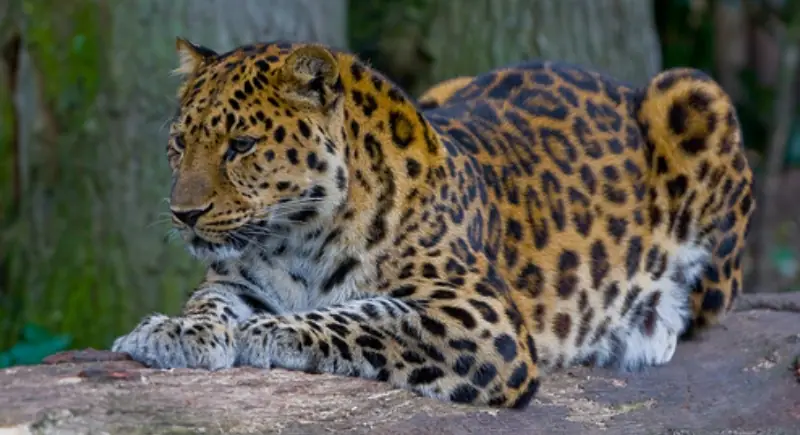
Winters in the Russian Far East are harsh, but the Amur leopard is built to handle them. As temperatures drop, its spotted coat grows thicker and paler, providing insulation against deep cold and snowy terrain. Despite these adaptations, the species remains critically endangered, with fewer than 200 individuals left in the wild. In 2012, Russia created a national park to protect the leopard’s remaining core habitat.
Kakapo
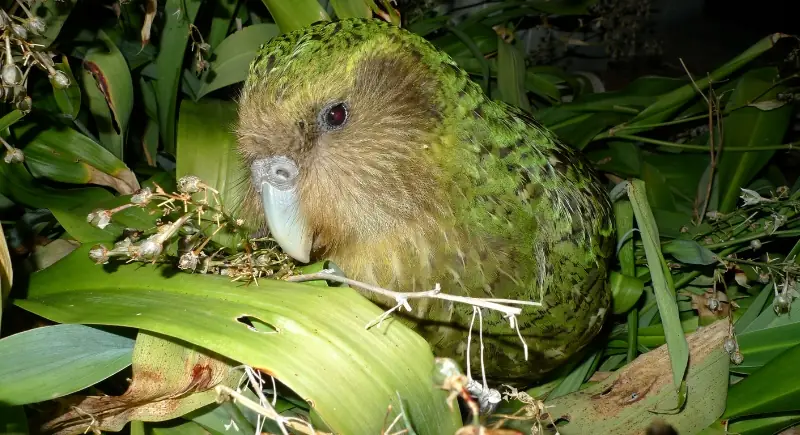
New Zealand’s kakapo stands apart from other parrots. It cannot fly, weighs up to nine pounds, and lives mostly at night. About 200 remain, all relocated to predator-free islands. Conservation teams know each bird individually. They monitor breeding through genetic records and satellite tags. During poor fruiting years, staff provide supplemental feeding
Saola
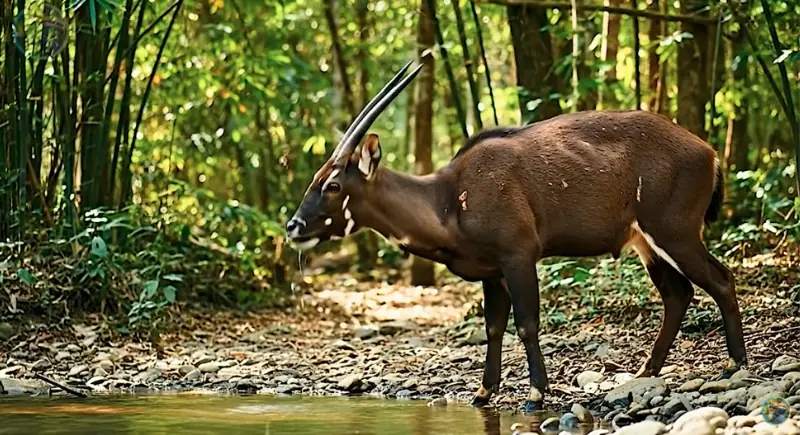
The saola was first described by science in 1992 after hunters in Vietnam displayed unusual horns. Often called the “Asian unicorn,” it has rarely been photographed alive. No reliable population estimate exists, though experts believe only a few dozen remain in the Annamite Mountains of Laos and Vietnam.
Spoon-Billed Sandpiper
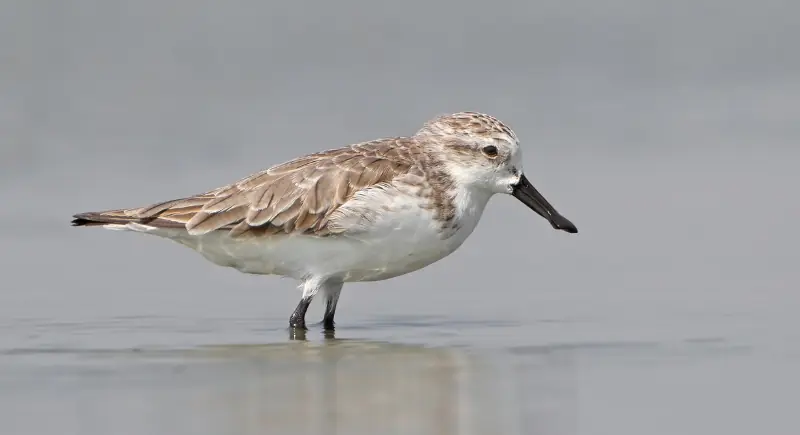
An estimated 500 to 1,000 spoon-billed sandpipers survive worldwide. This tiny shorebird breeds in northeastern Russia and migrates to Southeast Asia each winter. Coastal development along migration routes has reduced feeding grounds. Conservation groups protect key mudflats and run captive breeding programs to stabilize numbers.
Ploughshare Tortoise
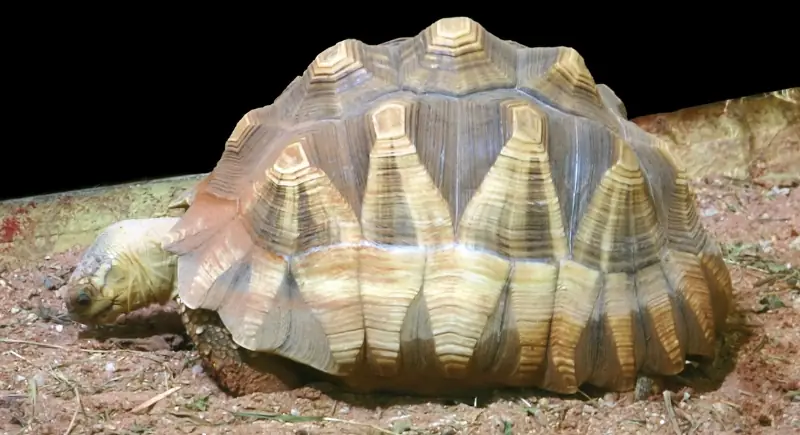
Fewer than 100 are believed to remain in the wild. Rangers patrol known habitats continuously to prevent poaching. Confiscated tortoises join managed breeding groups designed to preserve genetic diversity. The species matures slowly, so rebuilding numbers will require patience measured in decades.
Cross River Gorilla
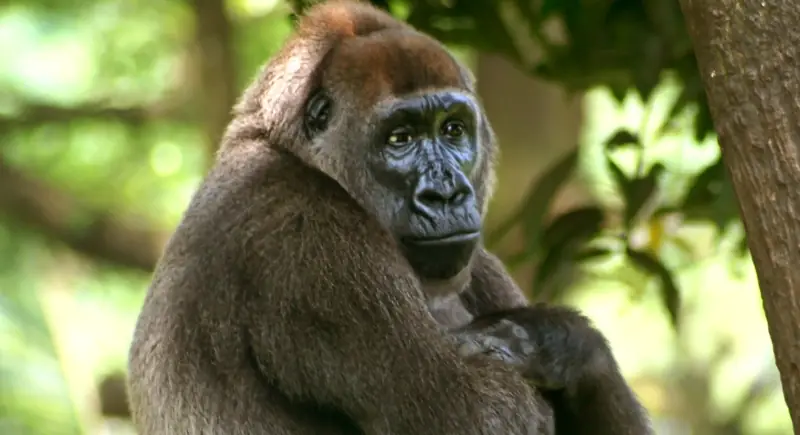
Small groups of Cross River gorillas live in the rugged forests along the Nigeria–Cameroon border. They are the rarest gorilla subspecies, with fewer than 300 believed to remain in the wild. Because sightings are so uncommon, researchers estimate their numbers through nest counts and camera traps rather than direct observation. Recent surveys indicate that some previously isolated groups are beginning to reconnect as forest corridors recover.





