
When animals face danger, they don’t all run or hide. Many have developed unusual and sometimes extreme ways to protect themselves, and these tactics often work surprisingly well. These creatures depend on survival strategies that seem unbelievable but have been seen again and again in the wild.
Every method serves a purpose, shaped by millions of years of trial and error. These stunts are finely tuned tools that help animals survive another day, even if it means sacrificing body parts or creating a messy distraction.
Texas Horned Lizards Spray Blood From Their Eyes
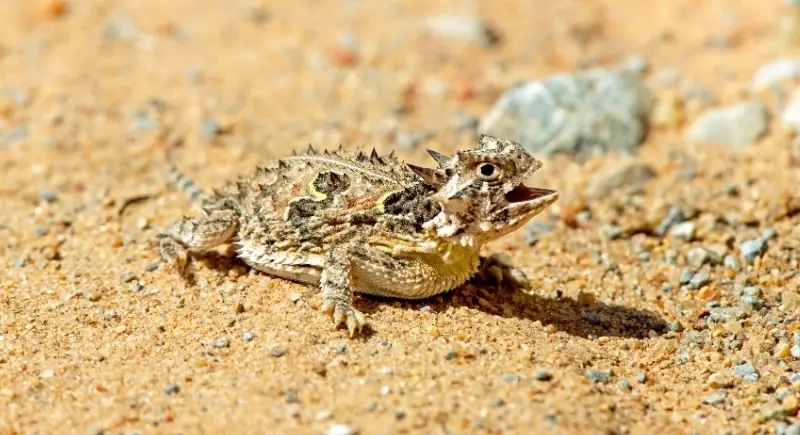
This desert lizard doesn’t just rely on camouflage. When it feels cornered, it builds pressure around its eyes until it can shoot blood up to five feet. The spray targets predators, such as cats or coyotes, which dislike the taste and usually back off.
Exploding Ants Die to Kill Their Enemies
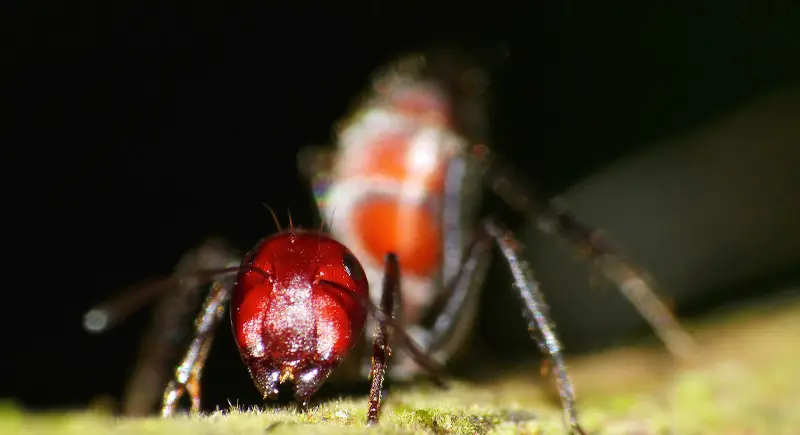
In parts of Southeast Asia, some ants defend their colony by sacrificing themselves. When pushed to the limit, they rupture their own bodies and release a thick, toxic secretion that traps or harms the predator. The ant dies in the process, but the colony gains a crucial advantage. A 2018 study on Colobopsis explodens described this behavior in detail.
Hairy Frogs Use Broken Bones as Weapons
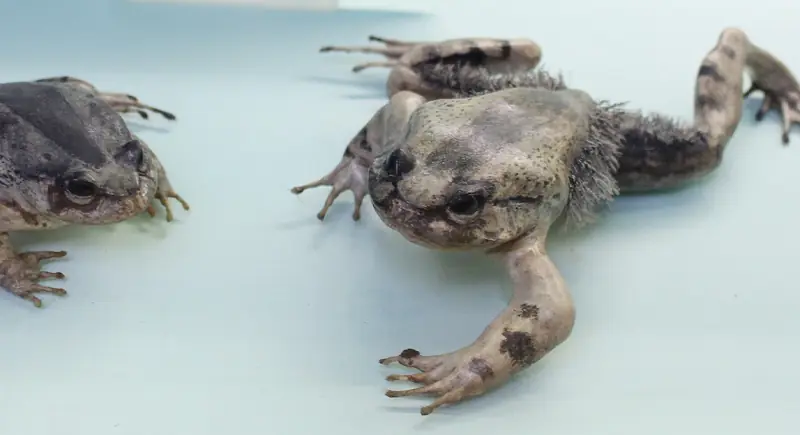
Hairy frogs react to danger by snapping bones in their toe pads and pushing them through their skin to form temporary claws. These bony spikes tear at predators in close encounters. The frog’s tendons and muscles help reset the bones afterward, and allow it to survive and repeat the process later.
Hagfish Flood Attackers With Slime
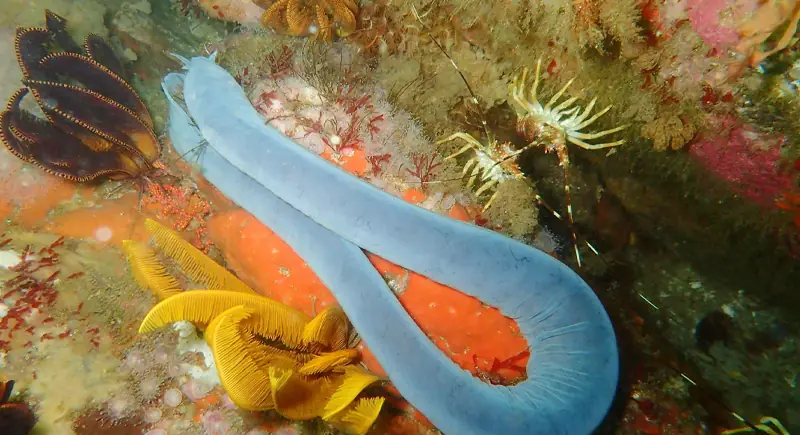
When a predator bites, the hagfish ejects a cloud of slime that expands on contact with water. The slime clogs gills and mouths, which makes predators choke and pull away. Hagfish then twist into a knot to scrape off the slime and escape. In lab tests, predators failed to catch them every time.
Motyxia Millipedes Glow and Poison on Contact
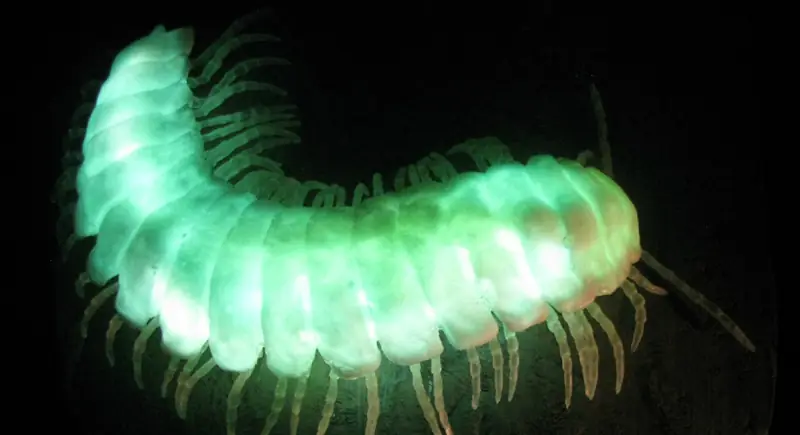
Motyxia millipedes emit a soft glow at night, warning anything nearby to keep their distance. If a predator ignores the signal, the millipede releases cyanide through tiny pores along its body. The toxin cuts off oxygen inside the cells and can kill small animals within minutes. Most creatures that try to bite one learn very quickly not to repeat the mistake.
Boxer Crabs Fight With Stinging Anemones
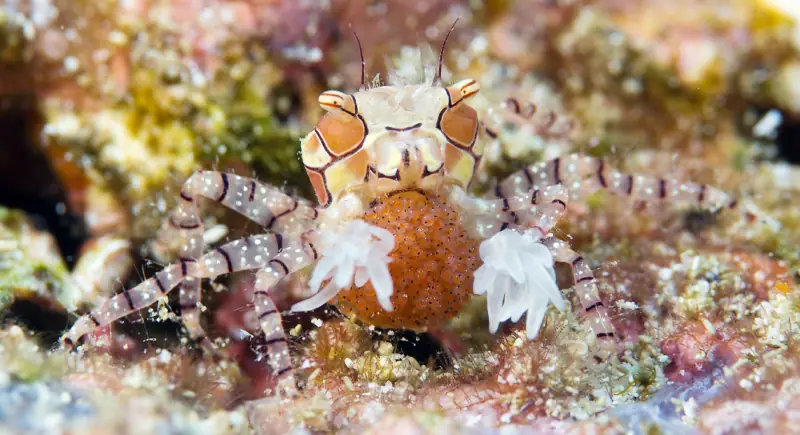
Instead of claws, these crabs wave sea anemones like pom-poms. The anemones sting any animal that gets too close. Boxer crabs often carry a pair, sometimes by tearing one in half so each claw holds a piece. It’s a rare example of cooperation between species: the crab gets defense, the anemone gets mobility.
Bombardier Beetles Launch Chemical Explosions
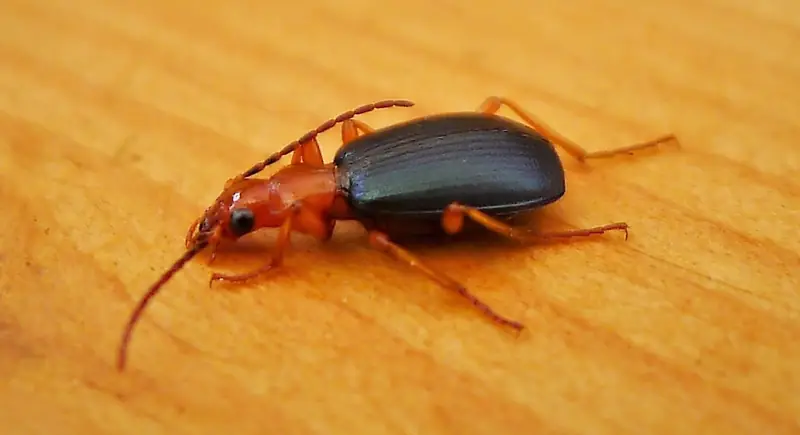
These beetles store two chemicals, hydroquinone and hydrogen peroxide, in separate chambers. When disturbed, they mix the compounds in a reaction chamber that heats the fluid to near boiling. Then, they fire it through a rotating tip. The spray scalds attackers, especially frogs and spiders, and can be repeated over 20 times.
Fulmar Chicks Vomit Glue-Like Fish Oil
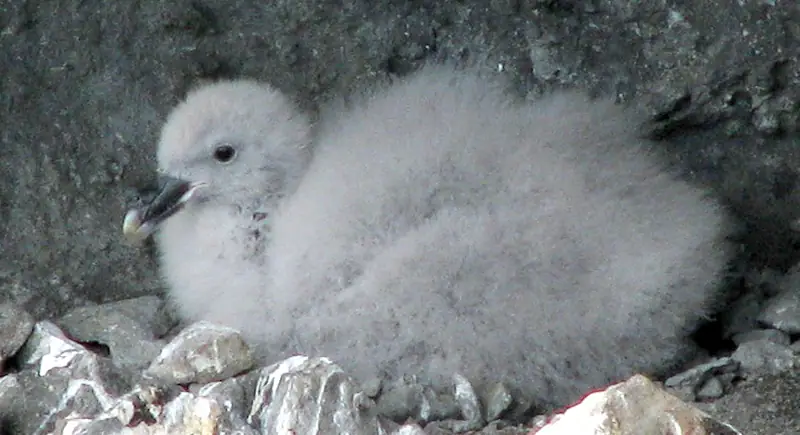
Young fulmars are grounded and defenseless, but they’re not helpless. When approached, they spit out a sticky mix of partially digested fish that glues feathers together. The oily vomit can leave predators like skuas unable to fly. Adults don’t use this defense, only chicks rely on it to avoid becoming lunch.
Pygmy Sperm Whales Cloak Themselves in Waste
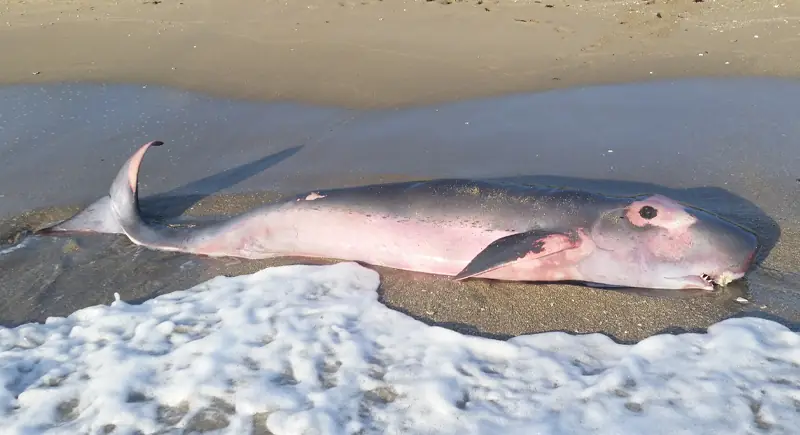
These small whales don’t just swim away from predators like sharks, they disappear. When threatened, they release a cloud of dark red fluid from their intestines. The cloud spreads fast, confusing attackers. The whale stirs up the water and slips out, unseen. It’s one of the few mammals known to use this trick.
Sea Cucumbers Throw Out Their Organs
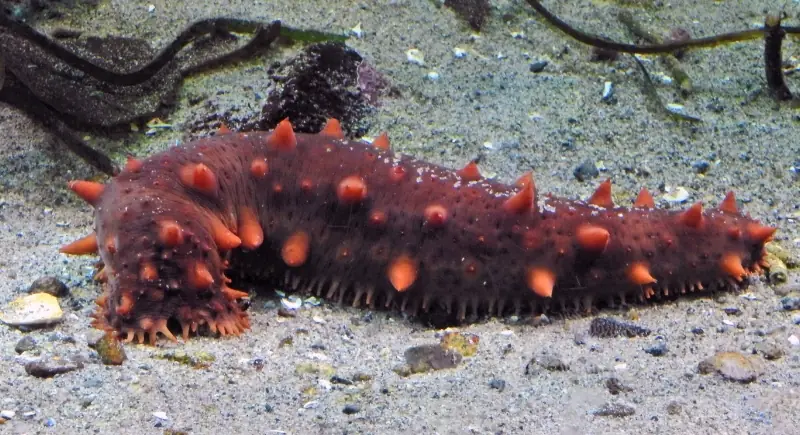
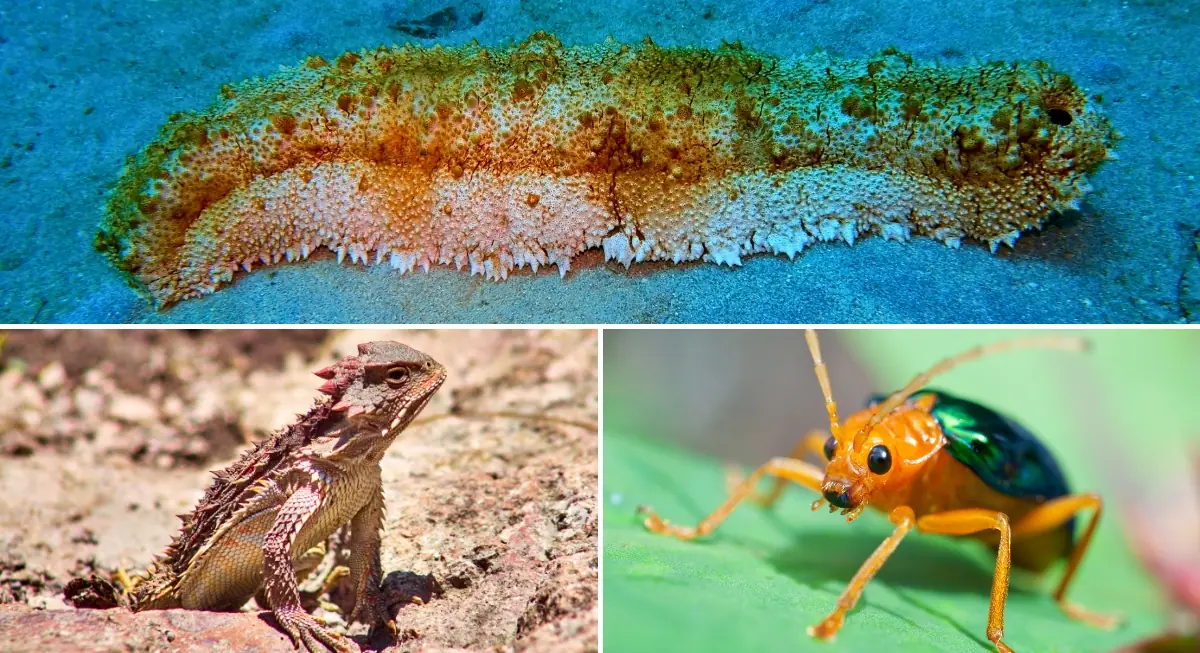
Some sea cucumbers eject their own intestines when grabbed. The expelled organs look messy and distracting, and in some species, they’re also toxic. Predators may get tangled or pause long enough for the cucumber to escape. Within weeks, it regrows everything it lost, no permanent damage, just a temporary inconvenience.





