
The lives of animals are highly complex, but sometimes they are heartbreakingly tragic. Nature can be rough, but these bittersweet facts make creatures even more lovable. Here are surprisingly emotional truths that might make you see your favorite animals in a new light. So, grab a tissue or at least prepare for a dramatic sigh.
Female Octopuses Die After Their Eggs Hatch
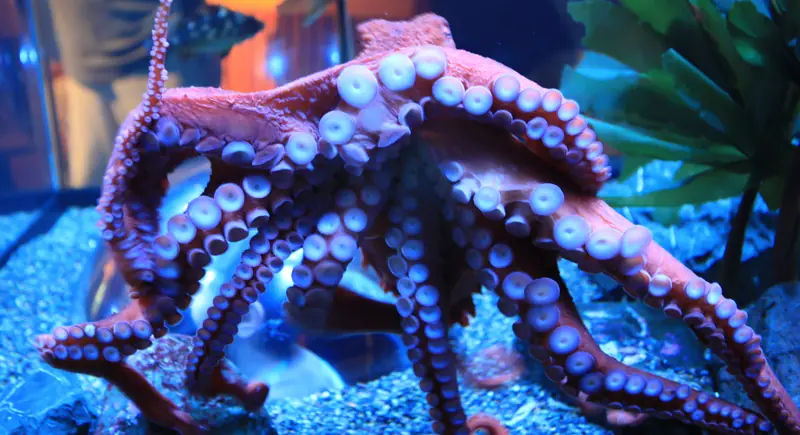
Motherhood is a deadly business. After laying thousands of eggs, a female octopus stops eating and devotes herself entirely to protecting them. She gently blows water over them to keep them oxygenated and fights off predators until they hatch. Then, as if her mission is complete, she withers away and dies.
Elephants Stand Vigil Over Deceased Herd Members
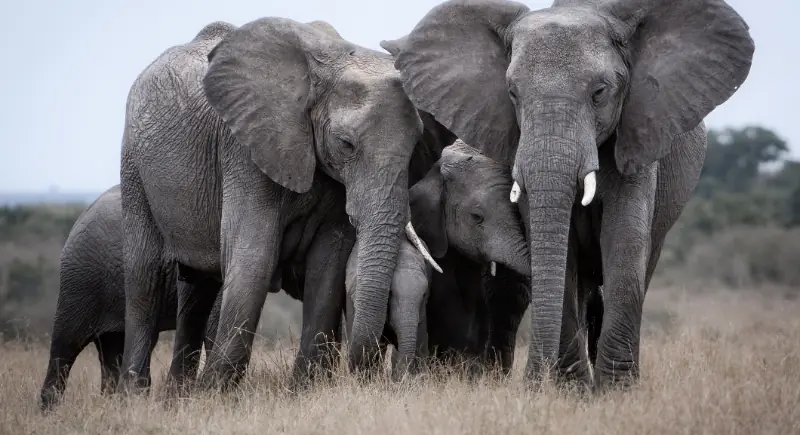
Elephants don’t just move on when one of their own dies. They stop, gather, and gently touch the deceased body with their trunks. Even those from different herds pause near a carcass to pay silent respects. Years later, they may still stop and gently trace the skull with their trunks.
Zebras Are Light Sleepers
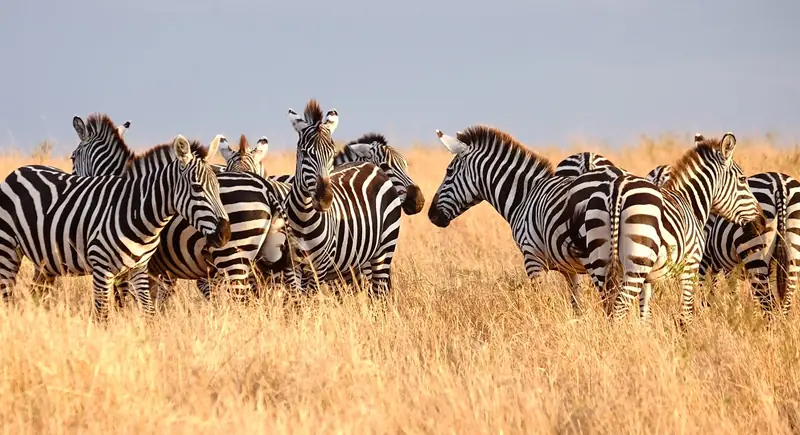
For zebras, bedtime is about survival. A zebra sleeping alone is in danger, so they take turns standing watch and ensuring at least one group member remains alert while others rest. This built-in survival instinct helps protect them from predators like lions and hyenas.
Giraffes Sleep Less Than Two Hours a Day
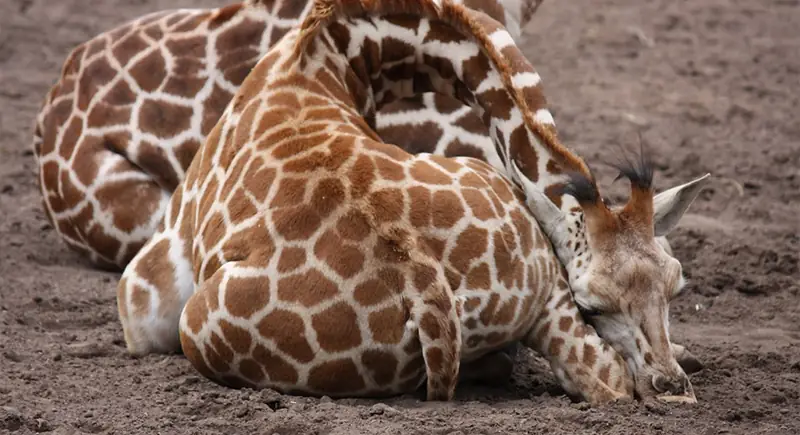
Giraffes are too busy watching for predators to waste much time sleeping. They only get about 30 minutes at a time. Sometimes, they just rest their heads on their backs for a quick nap, and baby giraffes even sleep curled up on the ground. A sleeping giraffe is an easy target, so they’ve adapted to get by with barely any shut-eye.
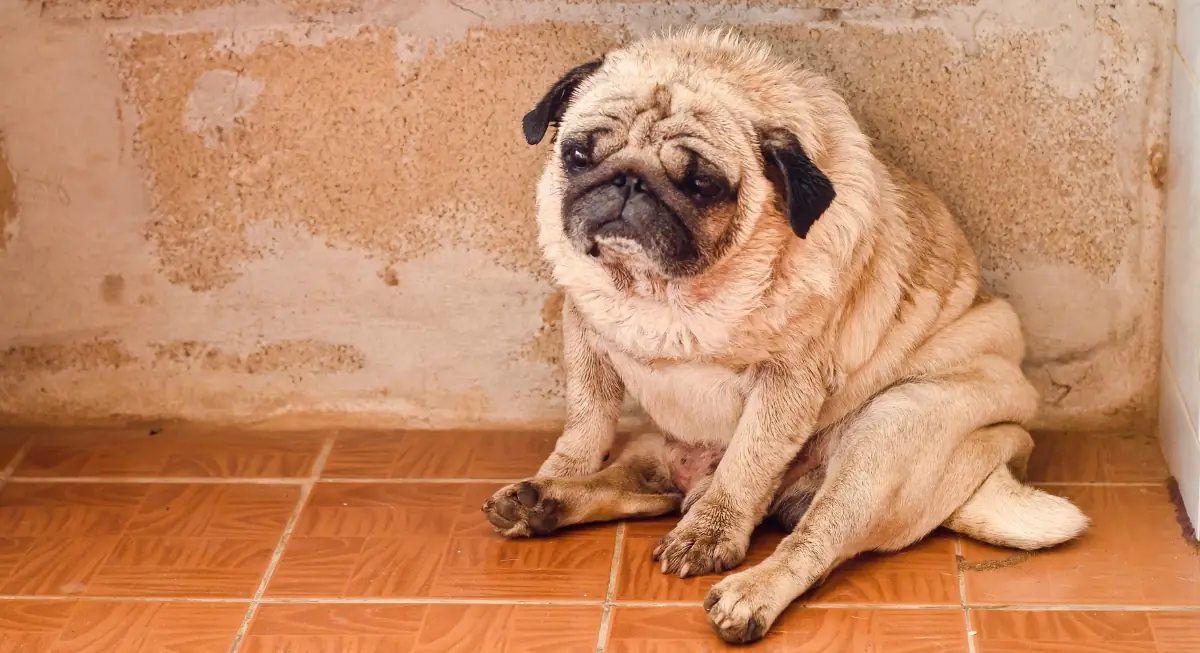
Dogs Can Suffer From Depression
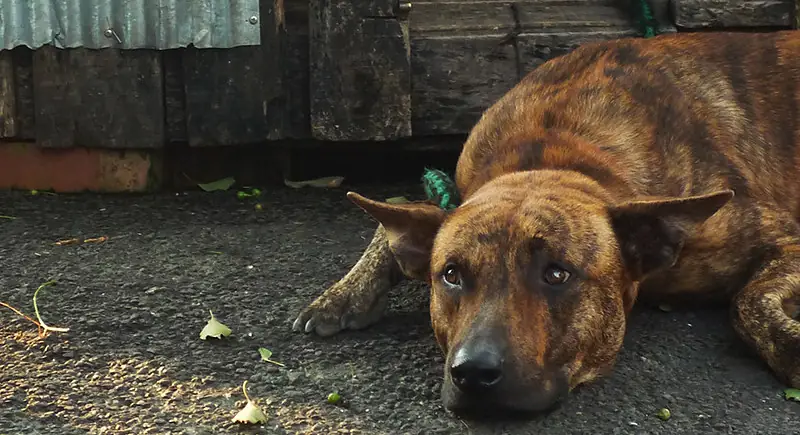
Dogs form deep emotional connections with humans. While this makes them unique, it also makes them more vulnerable to loneliness and depression. Major life changes such as the death of an owner, welcoming a newborn, or moving homes trigger sadness. Signs include loss of appetite and lack of interest in playtime.
Cats May Exhibit Signs of Grief
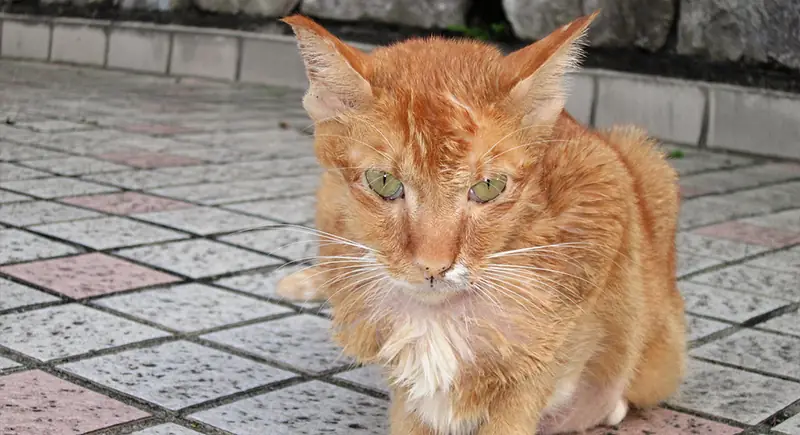
Cats have a reputation for being aloof, but don’t be fooled—they feel loss deeply. When a feline loses a close companion, behavioral changes follow. Some pace the house, meowing as if searching. Others refuse food or hide for days. While they may not cry tears, their changed routines and altered behavior say it all.
Dolphins Have Been Seen Carrying and Mourning Their Dead Calves

Dolphins don’t let go quickly. When a calf dies, its mother sometimes carries the body for days, nudging it to the surface as if trying to revive it. Other dolphins in the pod have been seen staying close, almost like they’re offering support to the mother’s pain.
Sea Turtles Never Meet Their Moms
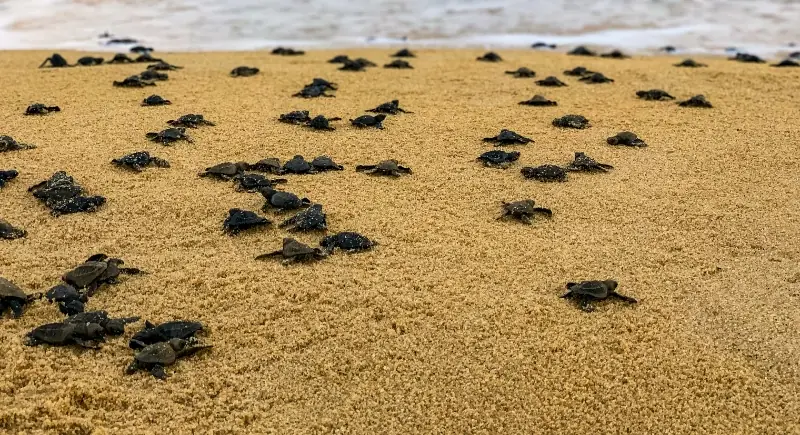
From the moment a sea turtle hatches, it’s on its own. Buried under the sand, baby turtles claw to the surface and dash to the ocean while dodging hungry birds and crabs. Their mother is long gone by then—after laying her eggs, she returns to the sea, never looking back.
Rabbits Can Die From Fright
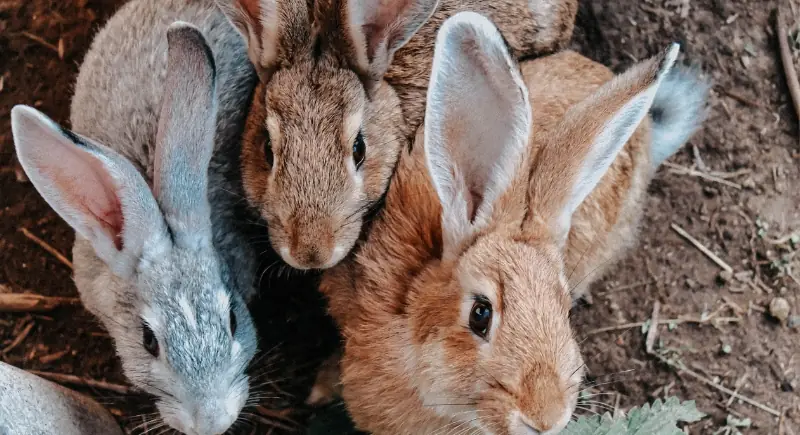
Rabbits may be cute, but they’re also highly delicate. A sudden loud noise or even too much stress can send their hearts into overdrive. Pet rabbits can even be shocked if handled too roughly or frightened by a dog or cat. Their nervous systems are wired for survival, but it can be game over if they get too scared.
Elephants Can’t Jump
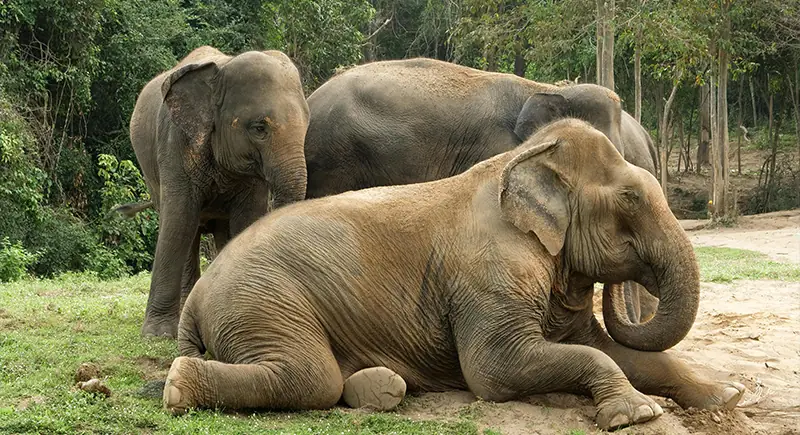
For all their size and strength, elephants lack one ability—jumping. Their legs aren’t built for it, and their sheer weight makes it impossible. However, this is not really a downside because their size alone keeps most predators away, and they can charge at surprising speeds if needed.
Guinea Pigs Can Become Depressed Without Companionship
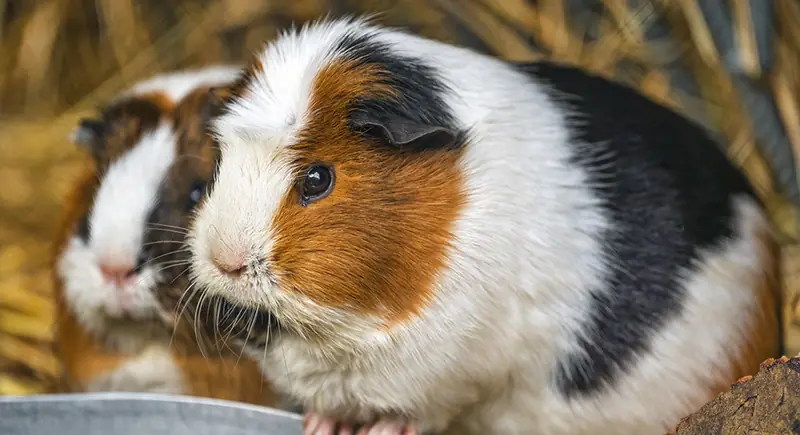
Guinea pigs are small but need a lot of social interaction. They live in groups in the wild and can get lonely when kept alone. A solo guinea pig might stop eating and playing or even become lethargic. This is why experts recommend adopting them in pairs or small groups.
Chimpanzees Have Been Observed Holding Deceased Companions
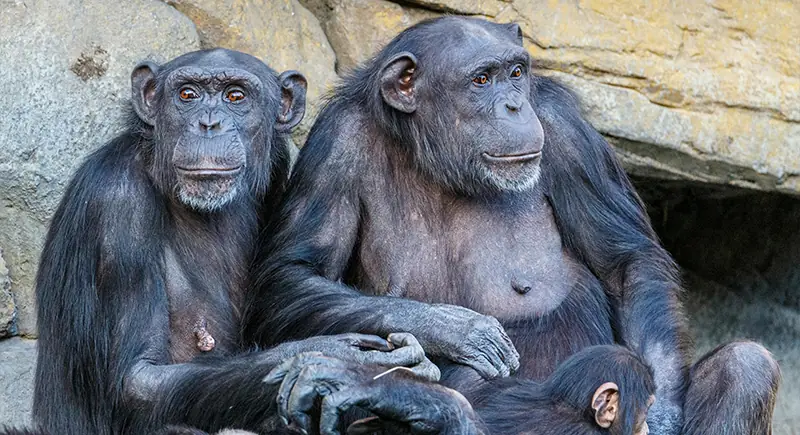
Chimpanzees acknowledge their deceased companions. They sit beside them, gently touching and grooming their fur as if trying to comfort them. In some cases, mothers have been seen carrying their dead infants for days.
Sheep Remember Faces for Years
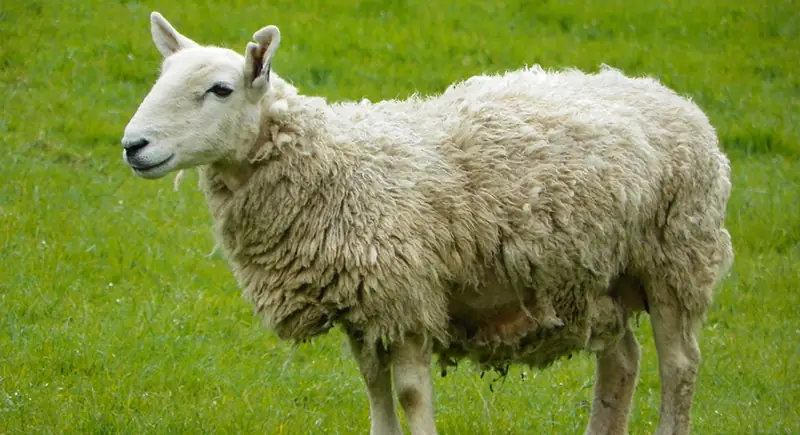
Sheep might not seem like memory masters, but they can recognize up to 50 individual faces—even after two years. They can even distinguish between photos of humans and their fellow woolly buddies. Their ability is on par with primates and shows that they’re much sharper than they get credit for.
Male Bees Are Expelled From the Hive Before Winter
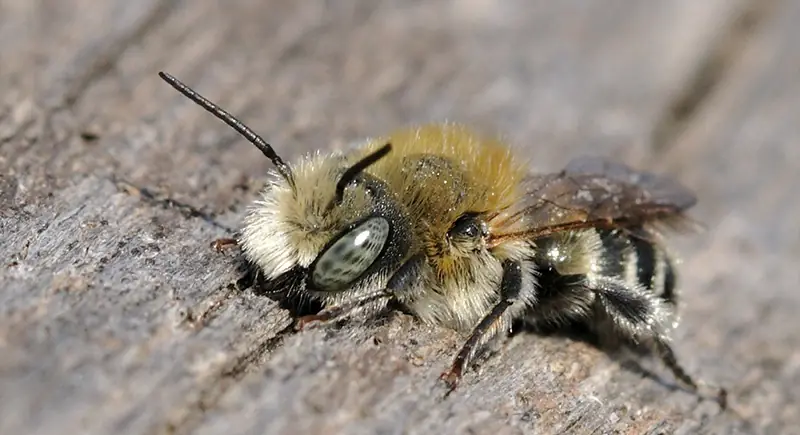
Being a male bee sounds like a sweet gig: no honey-making, hive maintenance, or stinger to worry about. The only real job is mating with a queen. But once summer ends and food gets scarce, worker bees turn on the drones. Since they don’t contribute to the hive’s survival, they’re dragged out and left to starve or freeze.
Pangolins Are the Most Trafficked Mammal
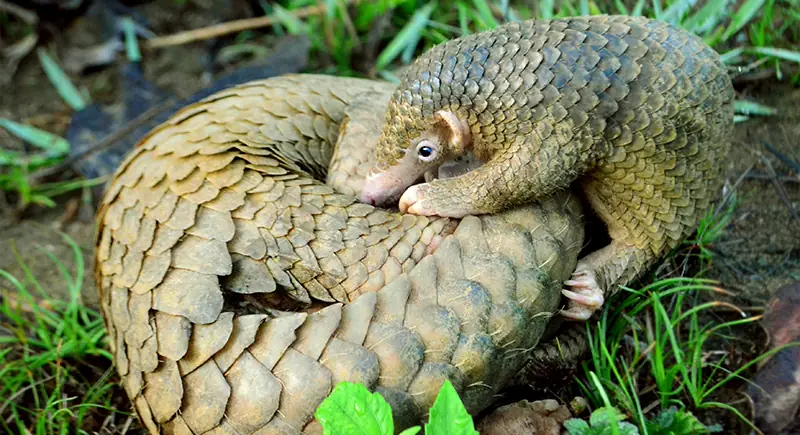
Pangolins don’t get much attention, but unfortunately, poachers know precisely how valuable they are. They are hunted more than any other mammal because of their keratin scales. People wrongly believe the scales have medicinal properties, fueling illegal trade that’s pushing pangolins toward extinction.
The “Loneliest Whale in the World”
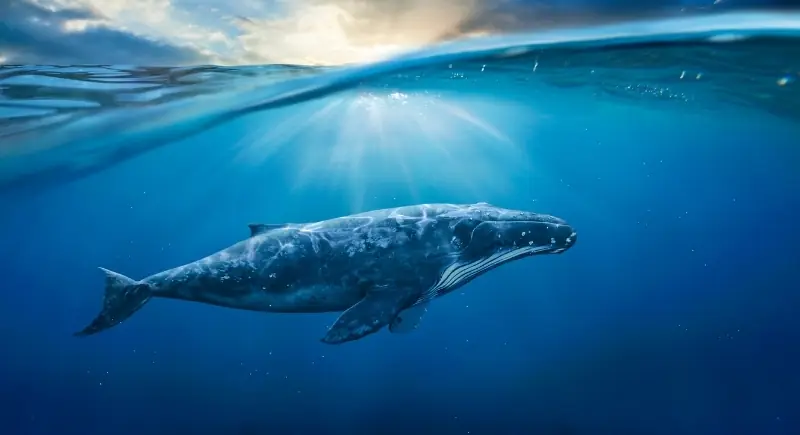
Scientists have tracked a whale calling at a frequency to which no other whales respond. Its songs echo through the ocean unanswered, earning it the nickname “the loneliest whale.” Researchers believe the whale is healthy, yet its unique voice may lead it to swim vast distances without companionship.
Red Pandas Use Their Tails as Blankets
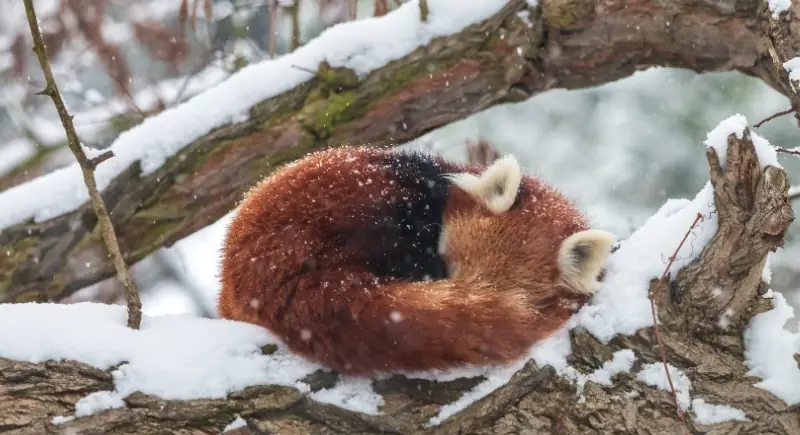
Red pandas wrap their fluffy tails around their bodies while sleeping to stay warm in cold mountain forests. It looks adorable, but it’s a survival tactic in harsh conditions. Habitat loss and climate change make these cozy moments increasingly fragile, adding quiet sadness to an already vulnerable species.





