
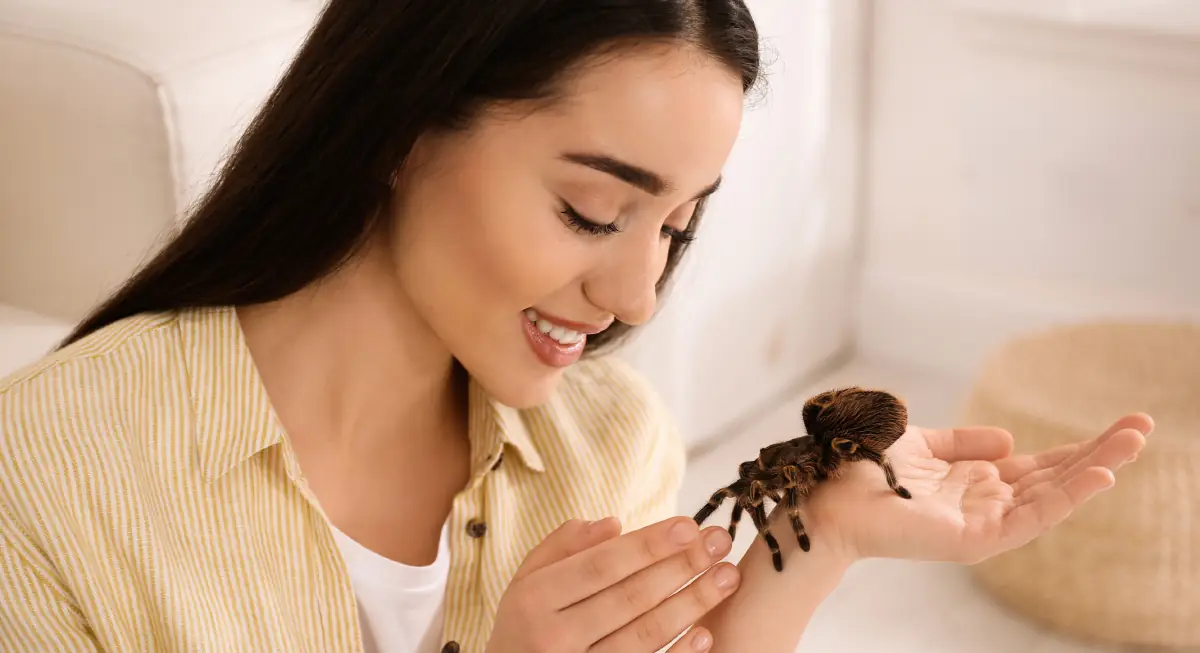
Big teeth, beady eyes, and spiky skin might scream danger, but not all creatures that look like nightmare fuel are out to get you. Some of nature’s creepiest-looking animals are total softies underneath the tough exterior. This list zooms into the world of misunderstood beasts who rock the horror movie vibe but bring zero threat.
Aye-Aye
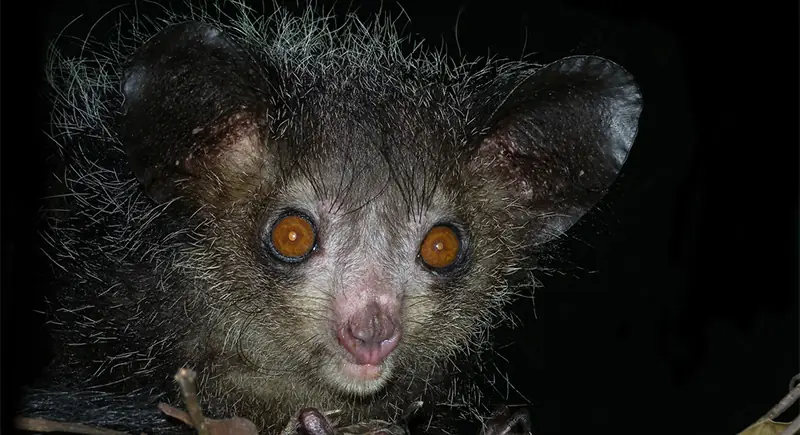
The aye-aye has oversized eyes, a wild mop of fur, and one long skeletal finger that makes it look like it’s casting spells. It uses its finger to tap on tree bark and listen for insects. Despite its eerie look, it’s just a bug-hunting introvert.
Goblin Shark
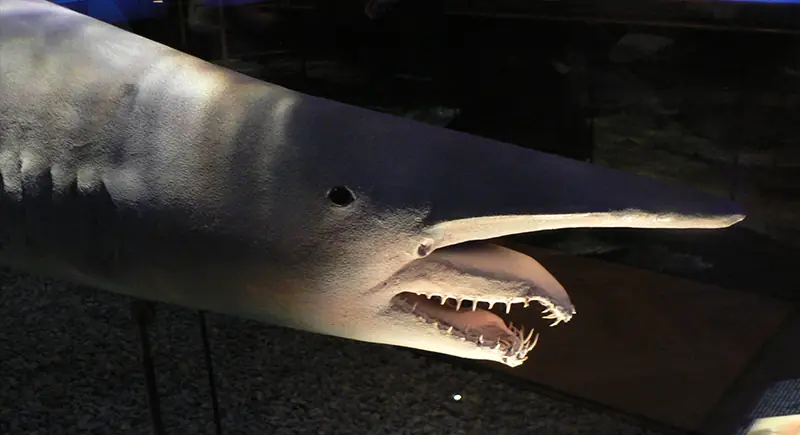
This goblin shark looks made for nightmares. But it’s barely a threat to anything bigger than a squid. It lives thousands of feet below the surface, far out of reach, and drifts like a lazy submarine.
Warthog
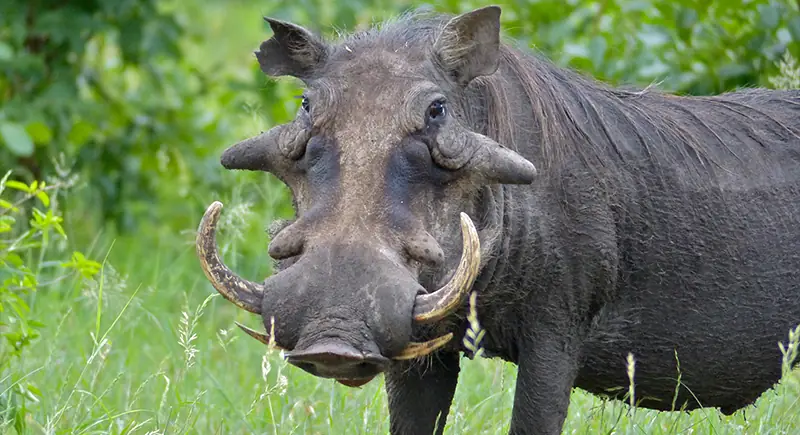
Warts, tusks, and a stiff mohawk, warthogs don’t exactly win a beauty contest, but these wild pigs are mostly into minding their own business. They spend their days digging up roots and rolling in mud, not picking fights. Those sharp tusks are for defense and digging, not aggression.
Shoebill Stork
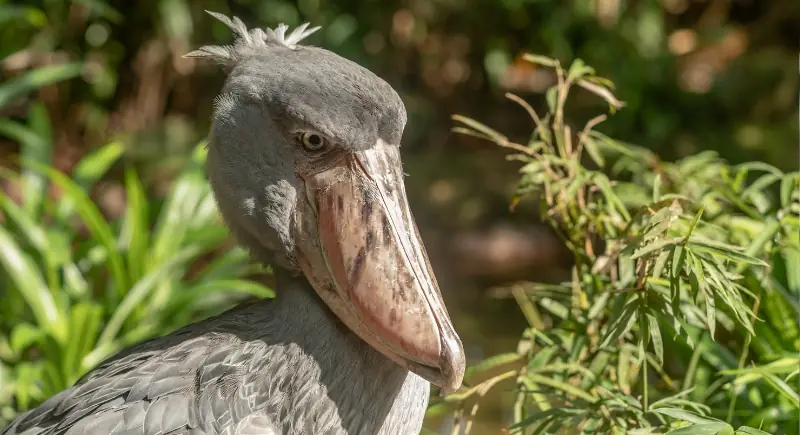
The shoebill stork doesn’t smile, blink, or move fast. It just stares hard while standing up to five feet tall with a beak like a wooden clog gives off serious “mob boss in feathers” energy. It hunts fish and small reptiles, but humans aren’t on the menu.
Gharial
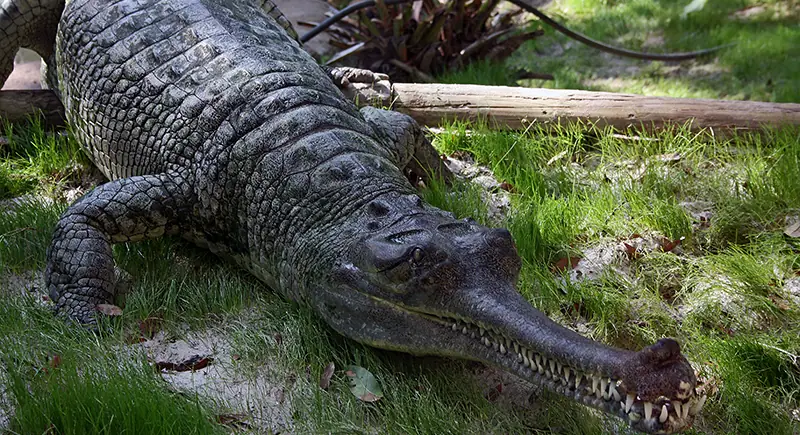
The gharial looks like a crocodile that skipped leg day and hit the orthodontist too hard. That thin jaw isn’t strong enough for wrestling anything bigger than a carp. Males even grow a weird bulb on the tip of their nose that helps them hum low notes underwater.
Tarantula
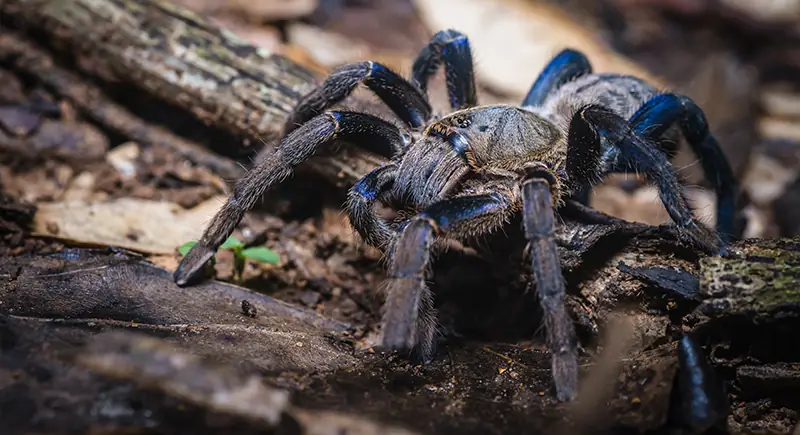
Tarantulas have been unfairly cast as nature’s villains, but they’re shy and low-key. These spiders would rather retreat than bite and rarely attack unless provoked. Some species can live over 20 years, making them loyal roommates in the exotic pet world.
Camel Spider
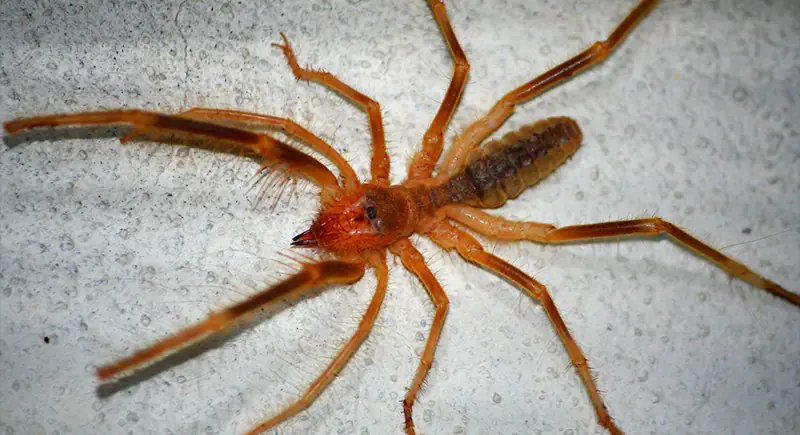
Rumors turned this desert dweller into a legend of terror, supposedly chasing people and biting through flesh. In reality? Camel spiders don’t chase people. They aren’t venomous and don’t spin webs. At most, they’re like the weird cousin at the bug family reunion; startling, sure, but all bark and no bite.
Star-Nosed Mole
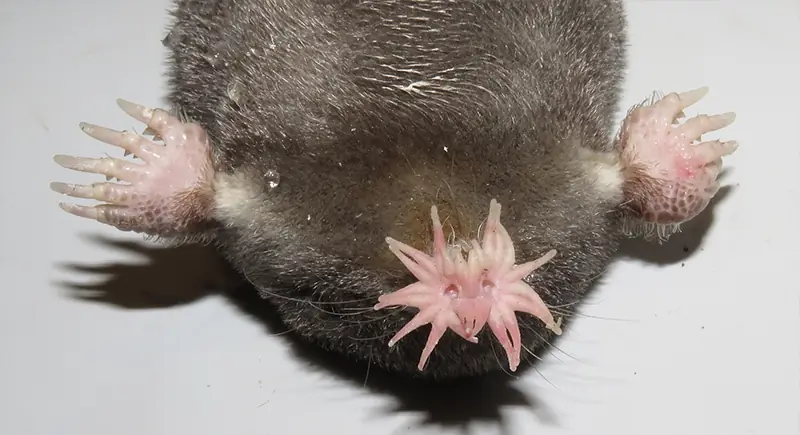
Its face looks like it slammed into an alien tentacle, but that fleshy starburst is a high-speed sensor. The star-nosed mole identifies and eats food in just 0.2 seconds! They’re a marvel of natural engineering doing their thing underground, far away from humans.
Vultures
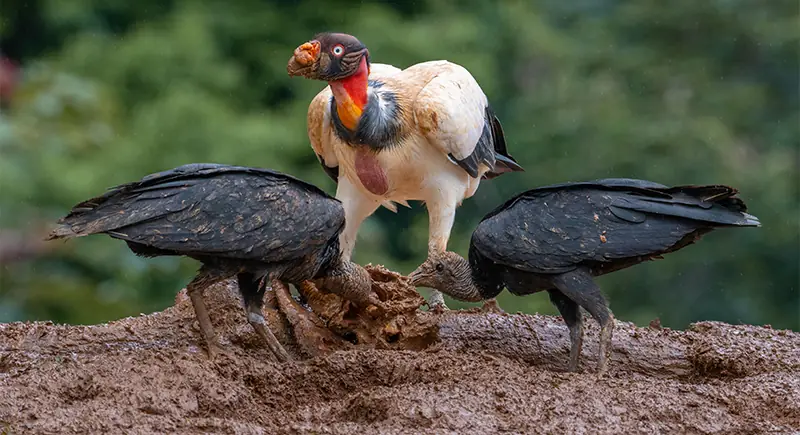
Bald heads, beady eyes, and that ominous circling in the sky; vultures have long been cast as the harbingers of doom. But these scavengers are essential for the environment. Their stomach acid is so strong that it takes away diseases in rotting meat, preventing the spread of bacteria.
Thorny Devil
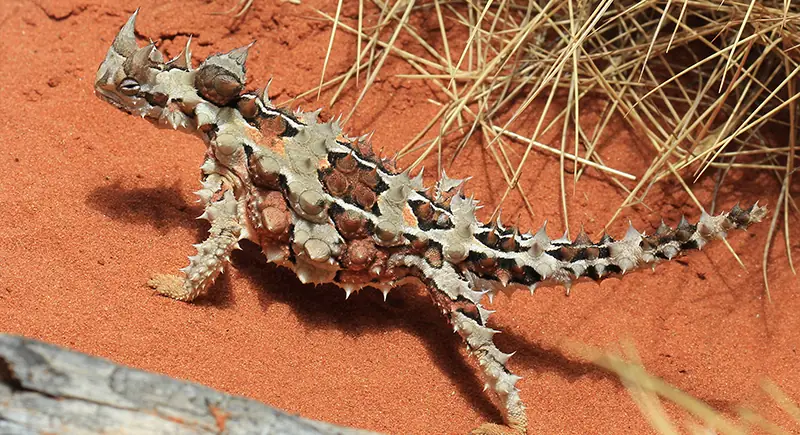
The thorny devil is all about the chill. It strolls, eats only ants (thousands per day) and drinks by collecting water through grooves in its skin. The spikes are only for defense. It can even puff up its body to look bigger when scared.
Bearded Dragon
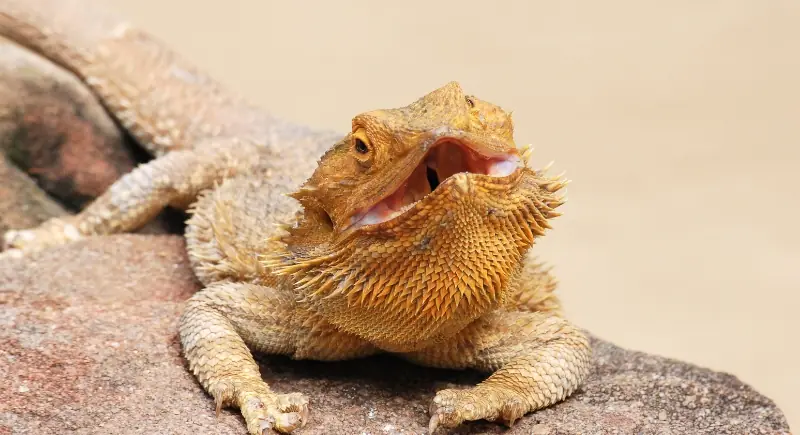
Despite the dragon name and armor-like skin, this lizard is a total couch potato. Found across Australia and now a favorite pet worldwide, the bearded dragon spends most of its time basking, chilling, and munching on greens and bugs. They even recognize their humans and enjoy gentle handling.
Blobfish
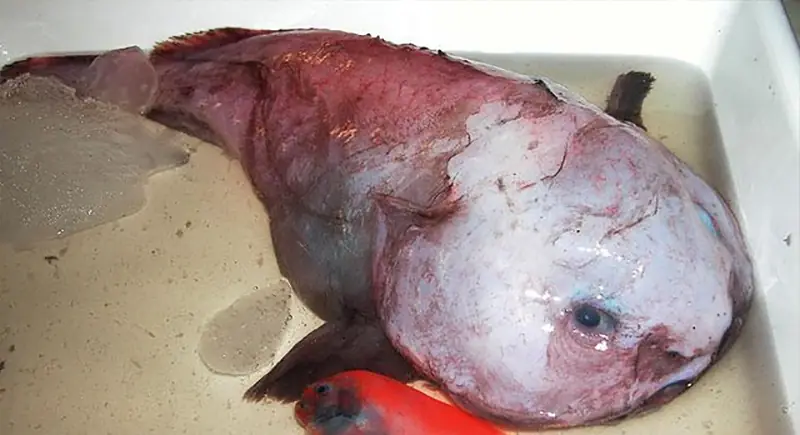
The blobfish only looks like a melted potato when dragged out of its deep-sea home. Down where it naturally lives, about 2,000 to 4,000 feet below the surface; it perfectly holds its shape. It has no ambition to do anything scary. Just a deep-sea gelatin glob, minding its soggy business.
Tasmanian Giant Freshwater Crayfish
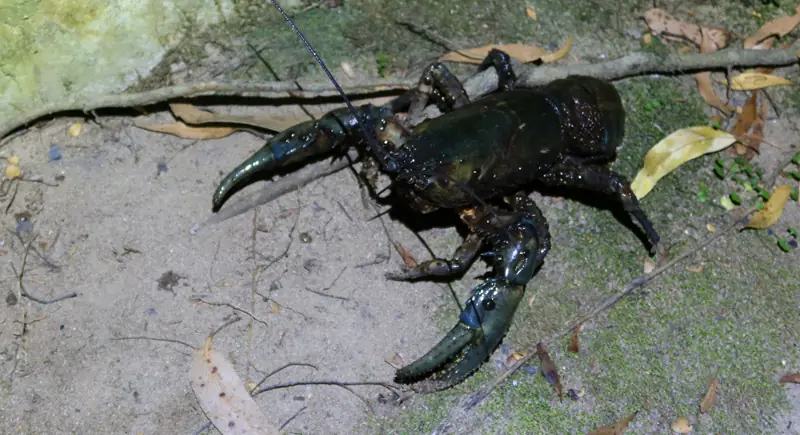
This crayfish can weigh up to 6.6 pounds and stretch nearly two feet long, making it the world’s largest freshwater invertebrate. It looks like a lobster built for battle but is slow, peaceful, and extremely shy. It is tucked beneath river rocks and logs, snacking on rotting wood and fallen leaves.
Frill-Necked Lizard
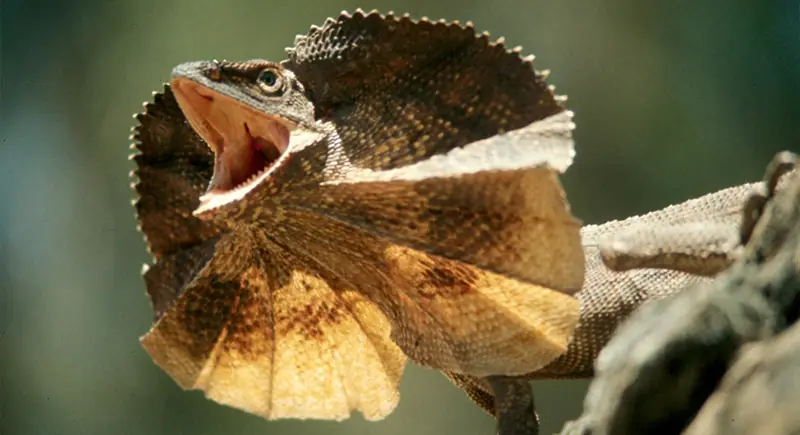
Nothing says “stay away” like a dramatic neck frill snapping open in a sudden burst. It’s like the reptile version of a Broadway curtain call. But the frill-necked lizard is all bluff. It flares the frill, hisses, and then runs away on two legs like a tiny dinosaur.
African Giant Millipede
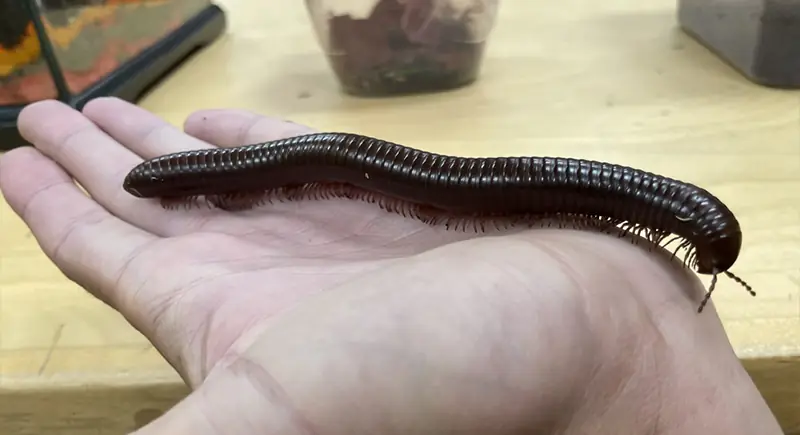
The African giant millipede is one of the gentlest creatures around. These slow-moving decomposers snack on dead leaves, fruit, and other organic gunk. When scared, they curl into a spiral or ooze a mild defensive liquid; not dangerous, just stinky. They’re often kept as pets and don’t bite or sting.
Vampire Bat
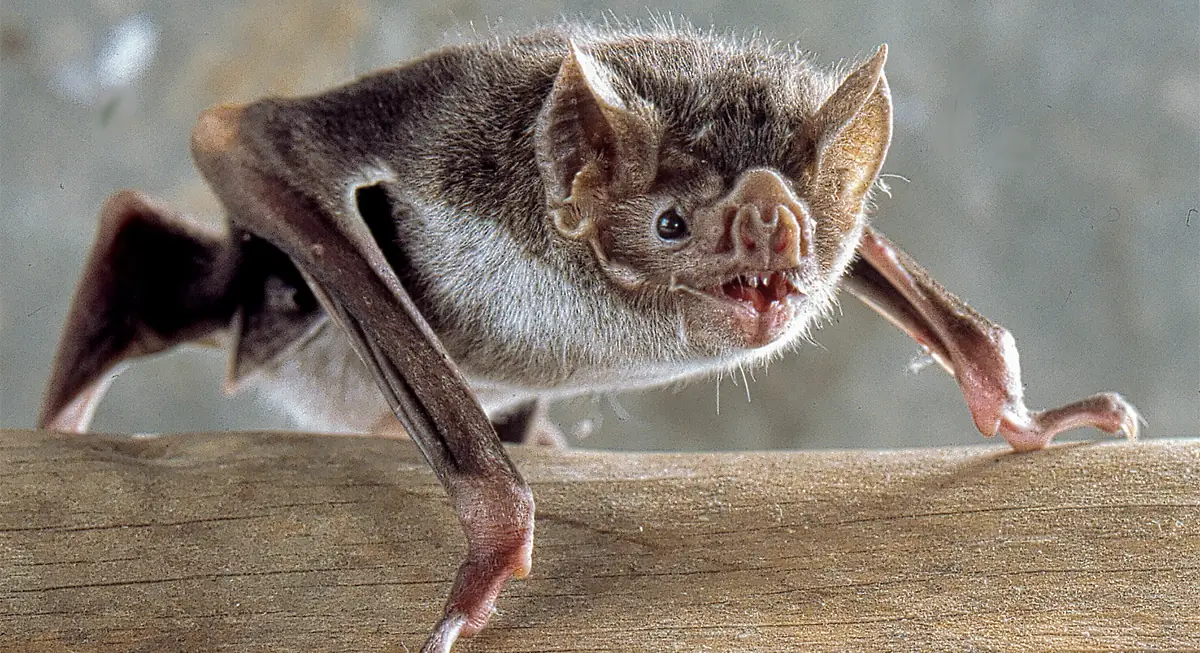
With razor-sharp teeth and a taste for blood, the vampire bat sounds like something out of a horror story. In reality, it is surprisingly social and even generous, sharing food with colony mates who miss a meal. It rarely targets humans and prefers livestock, keeping mostly to itself at night.
Coconut Crab
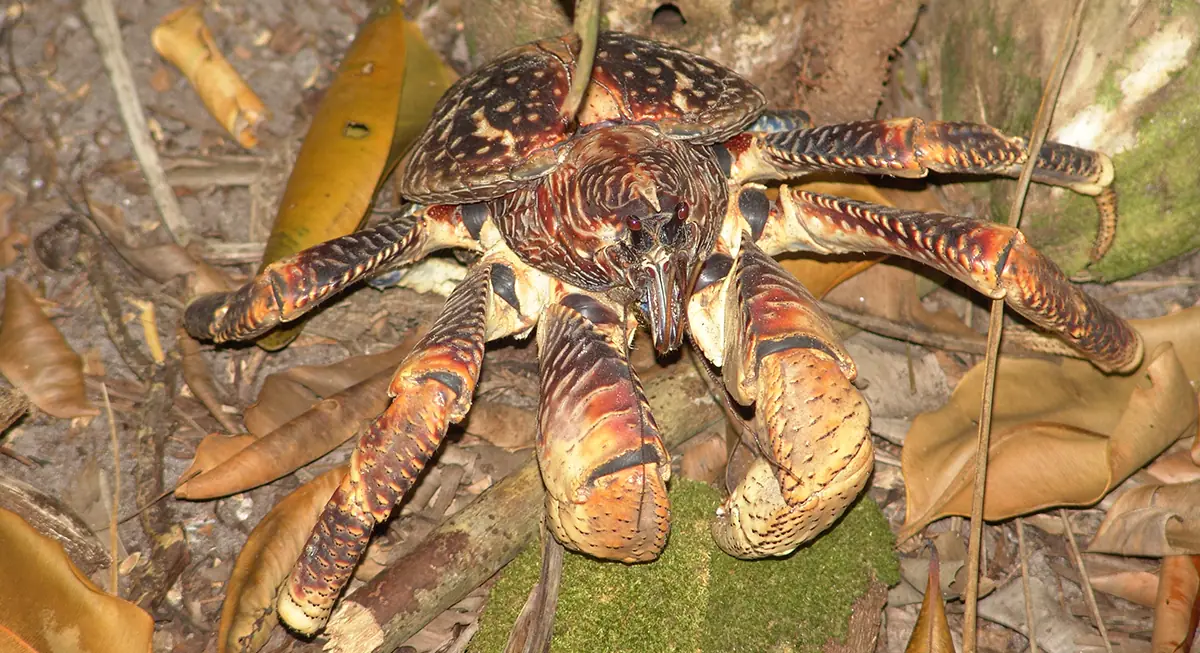
The coconut crab looks like a giant armored spider with claws strong enough to crack coconuts, which is honestly intimidating up close. But despite that strength, it is usually shy and avoids people, spending most of its time alone in burrows. It only acts defensively when threatened, not aggressively by nature.





