
Sharks are famous for being dangerous hunters, but their story is not limited to that. These creatures have been around for over 400 million years, and their survival depends on strange, smart, and sometimes downright bizarre adaptations.
Scientists continue to uncover details that change how we think about these animals. Sharks are full of facts that most people have never heard.
Greenland Sharks Go Blind From Eye Parasites
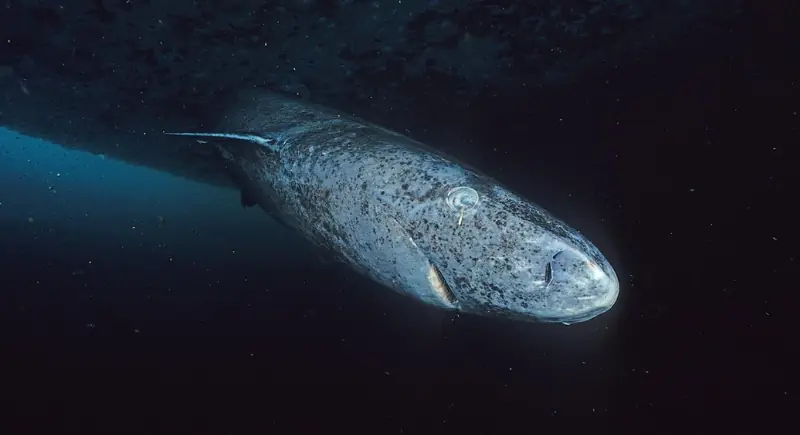
Greenland sharks often lose their vision due to a parasitic crustacean, Ommatokoita elongata, which attaches to their corneas and gradually eats away at the tissue. While they’re born with normal eyesight, most adults retain only the ability to sense light. Their reliance on smell for hunting makes this loss survivable.
Swell Sharks Inflate Their Bodies to Avoid Predators
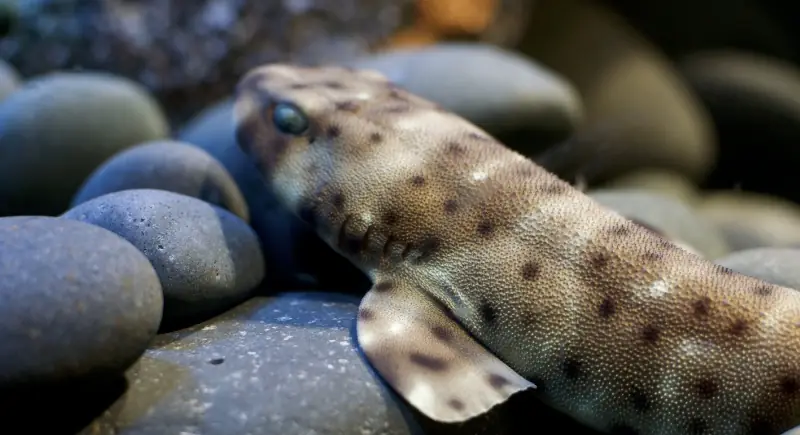
Swell sharks gulp water to inflate their bodies when hiding in rocky gaps. It makes them hard to remove and harder to swallow. If caught and brought to the surface, they can also use air instead of water, though the effect is less useful and far more awkward-sounding.
Great White Sharks Likely Outcompeted the Megalodon
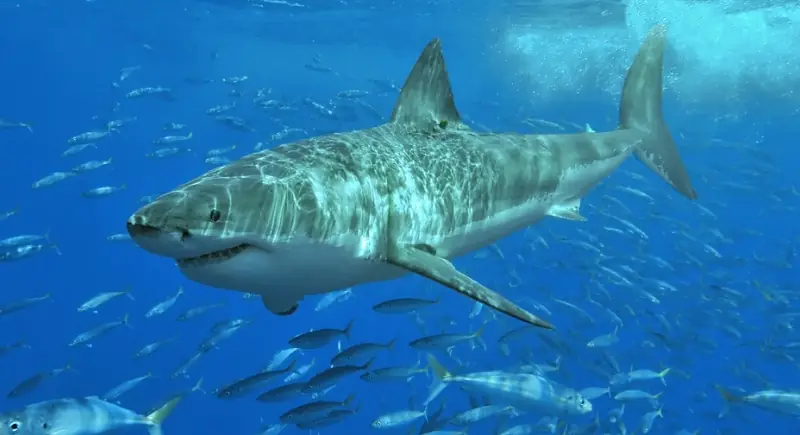
The extinction of the megalodon around 2.6 million years ago is partly attributed to competition with early great white sharks. A 2022 study analyzing zinc isotopes in fossilized teeth suggested both species hunted similar prey. Great whites, which require less food and tolerate cooler oceans, had a long-term survival advantage.
Some Sharks Lay Spiral-Shaped Eggs
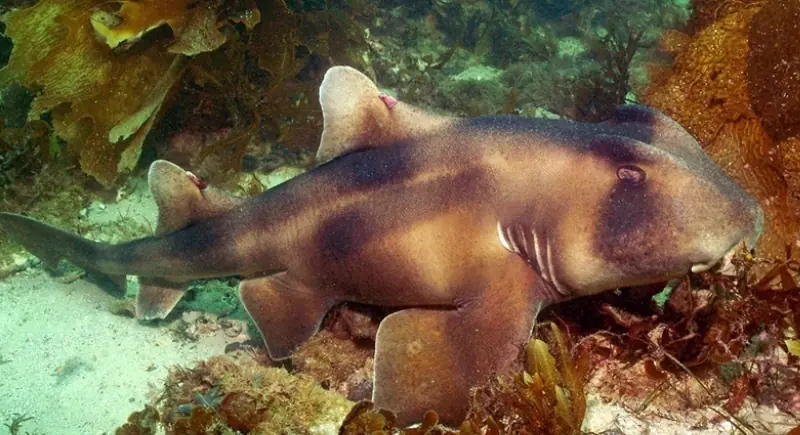
Some sharks, like the crested hornshark, lay eggs shaped like corkscrews. That spiral form helps secure them inside rock cracks, where they’re safer from waves and predators. Others, like draughtboard sharks, produce eggs with curling tendrils that cling to seaweed or coral, avoiding the need for babysitting.
Cookiecutter Sharks Leave Circular Wounds on Submarines
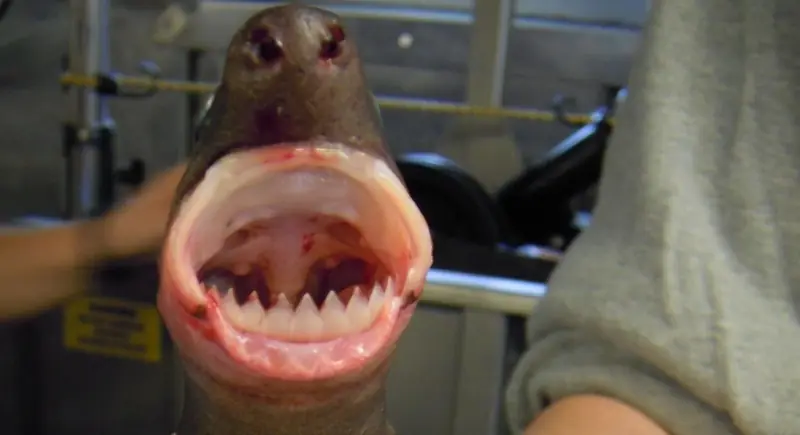
In the 1970s, unexplained circular holes appeared in U.S. Navy submarine sonar domes. The damage was traced to cookiecutter sharks, which attach to surfaces using suction and remove circular plugs of tissue or material. Though small, they have the largest teeth-to-body ratio of any shark species.
Sharks Have No Bones in Their Skeletons
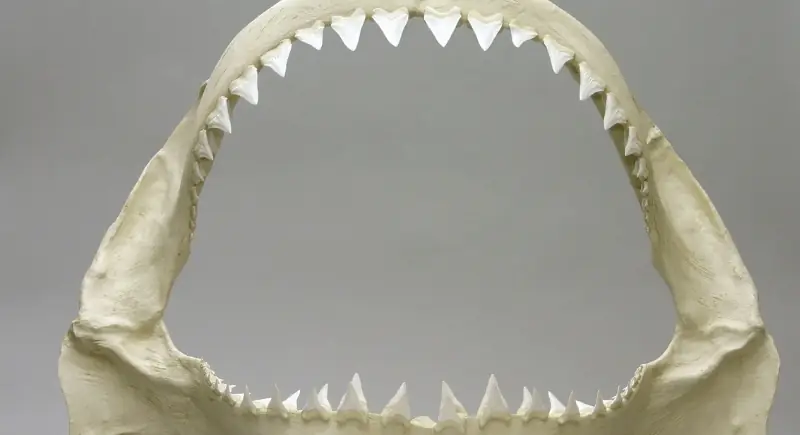
Sharks don’t have a single bone in their bodies. Their skeletons are entirely made of cartilage, which is flexible but reinforced with minerals in areas that require support, such as the jaws and spines. Their teeth, on the other hand, are hard and tooth-like for a reason. They’re made from enamel-like tissue.
Some Sharks Eject Their Stomachs to Clean Them
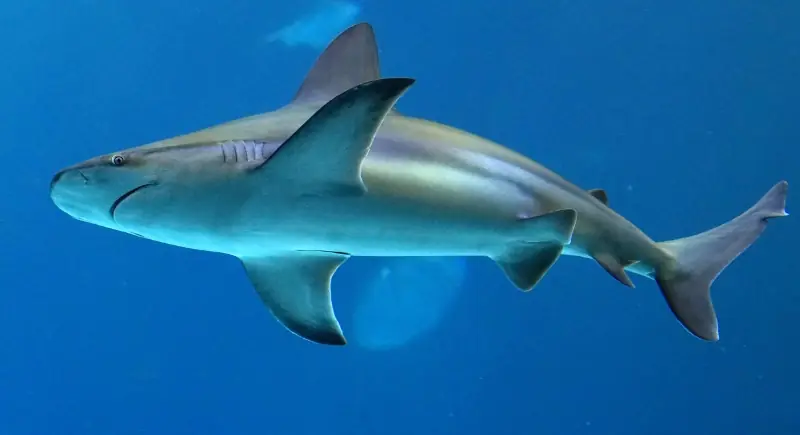
Sharks occasionally eject their stomachs through their mouths and flip them inside out. This isn’t some gruesome accident. It’s a cleaning method. They do it to rid themselves of indigestible junk like plastic or bone fragments. Sometimes, it also happens under stress or after a regrettable bite of something inedible.
Shark Skin Is Covered in Tooth-Like Structures
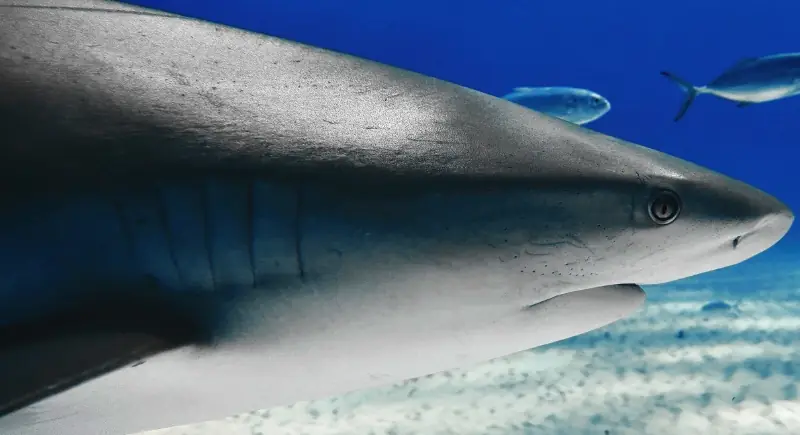
Instead of traditional fish scales, sharks are covered in tiny, tooth-like structures called dermal denticles. These reduce friction as they swim and guard against minor injuries or parasites. If you stroke their skin one way, it feels smooth. Go the other way, and it’s like sandpaper.
Sharks Are Older Than Trees
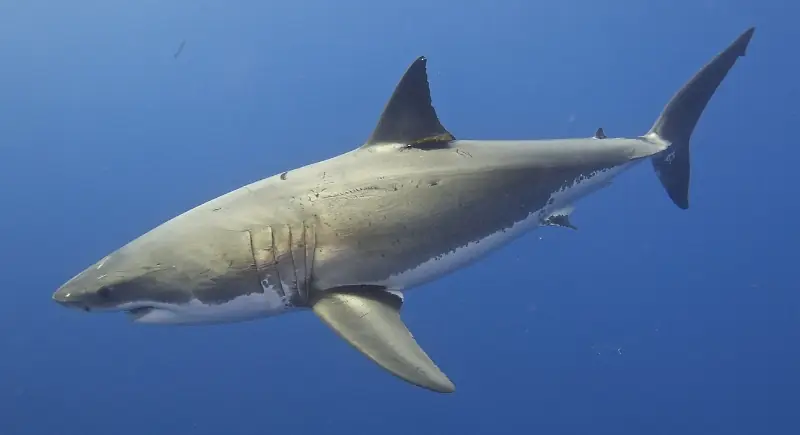
Sharks have existed for over 450 million years. Fossil evidence includes tooth-like scales from the Late Ordovician period. By contrast, the earliest known trees date back around 386 million years. This makes sharks one of the oldest surviving vertebrate lineages on Earth.
Epaulette Sharks Use Their Fins to Walk on Land
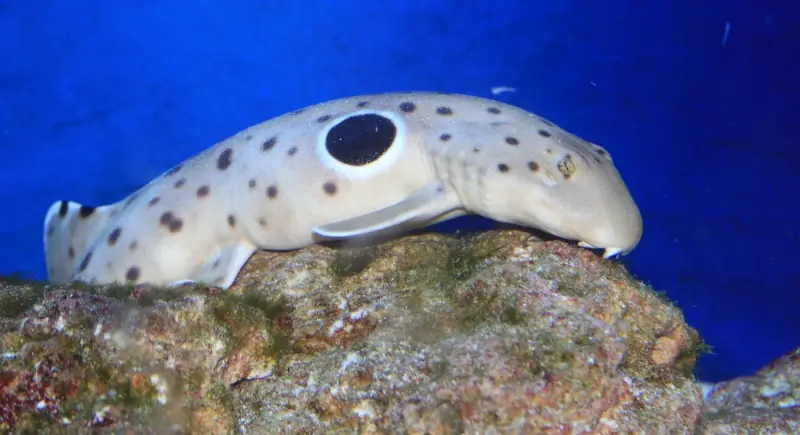
Epaulette sharks, found around Australia and Papua New Guinea, can move across exposed reef areas by using their pectoral and pelvic fins as limbs. When stranded, they reduce their oxygen consumption and slowly push themselves back into the water. This adaptation is tied to their tidal pool habitat.





