
It’s easy to assume humans are the smartest species on Earth, but a closer look at nature tells a different story. Across oceans, forests, and cities, many animals have shown they can solve issues, communicate, plan ahead, and display emotions. Their skills might surprise you and in some cases, they rival the abilities of young human children.
Dolphins
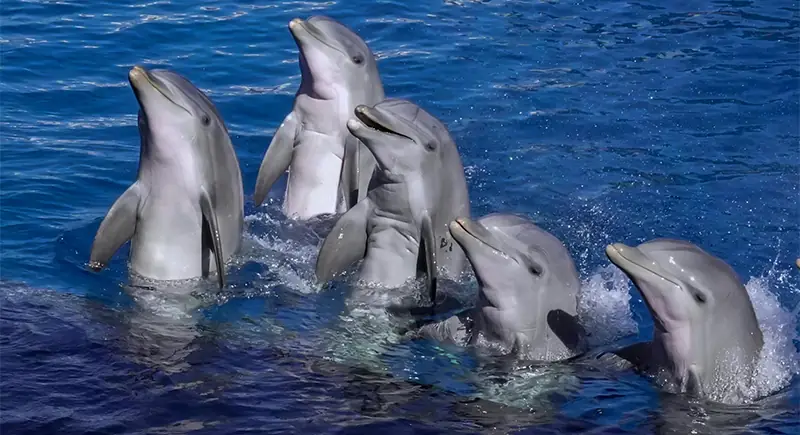
Some dolphins carry sea sponges on their snouts to protect themselves while searching the ocean floor for food. They have also learned to trap fish using clever mud rings. Even more impressive, they change their hunting strategies when human activity disrupts their waters.
Chimpanzees
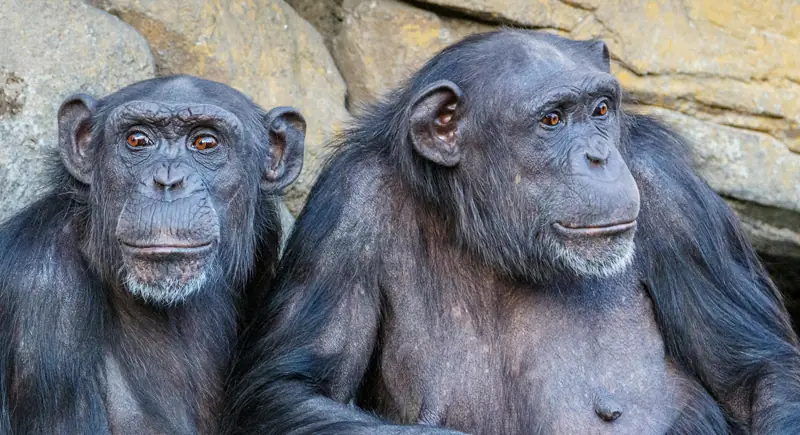
Mirrors don’t fool chimps. They recognize their own reflections; something young humans only learn around age four. These quick thinkers not only use tools to fish for insects but also display strong social bonds and can find their way out of a bind in ways that resemble human strategies.
Elephants
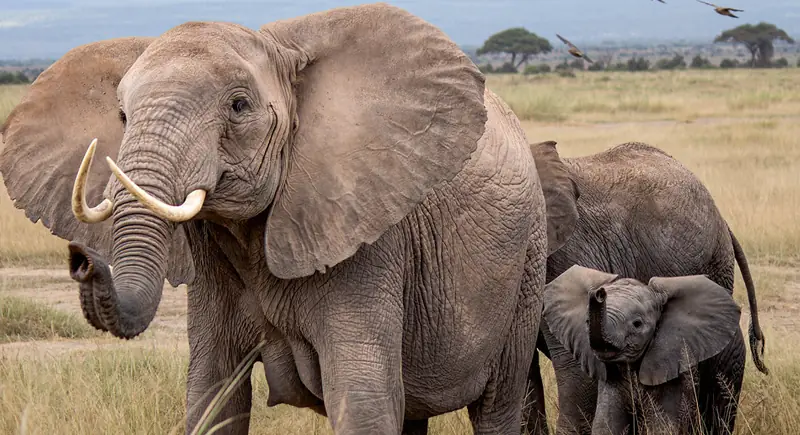
Imagine remembering every face you meet. Elephants can. They remember migration paths and individuals over decades. When this giant animal mourns a lost herd mate, it’s a glimpse into a world where memory, emotion, and loyalty run deep.
Octopuses
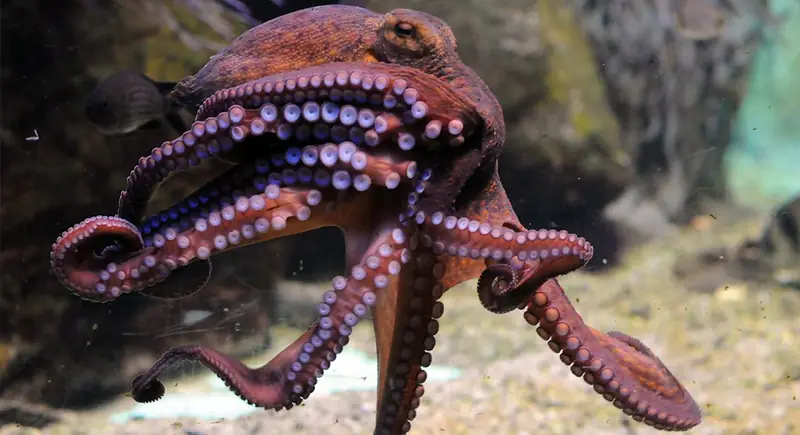
An octopus can unscrew the lid of a jar, escape from a locked tank, and carry coconut shells for shelter. Each arm acts like a mini-brain, giving them incredible multitasking abilities. They’re nature’s ultimate escape artists and one of the most cunning animals in the sea.
Rats
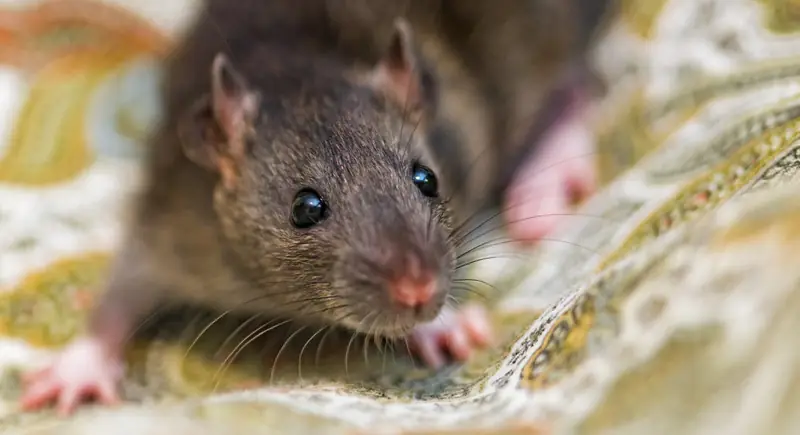
Maze champions, disease detectors, and landmine sniffers, rats have done it all. Their talent for finding shortcuts and adapting to tough environments has made them survivors. Scientists often use rats to study human behavior because of their memory, learning speed, and deep-rooted social behaviors.
Pigeons
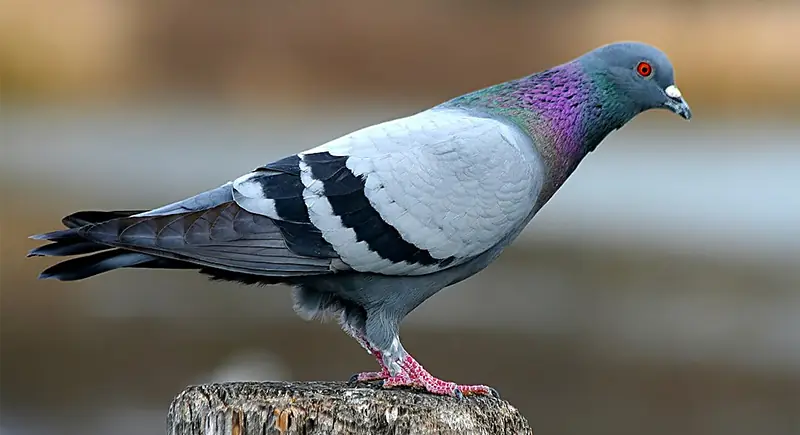
During World Wars, pigeons carried critical messages across enemy lines. Long before GPS, they navigated vast distances with pinpoint accuracy. Today, studies reveal that these birds recognize hundreds of images and their reflections.
Dogs
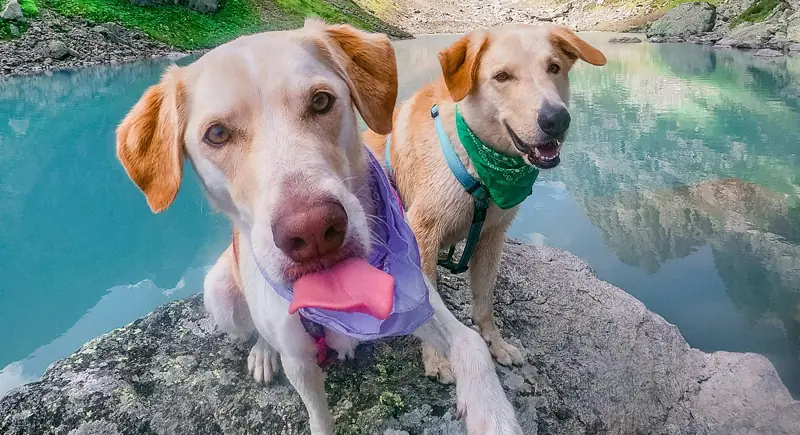
There’s a reason dogs are a man’s best friend; they’re expert readers of human emotions. Thanks to twice the number of brain neurons compared to cats, they quickly pick up words, expressions, and routines. No wonder they fit into many roles, like therapy companions to rescue heroes.
African Grey Parrots
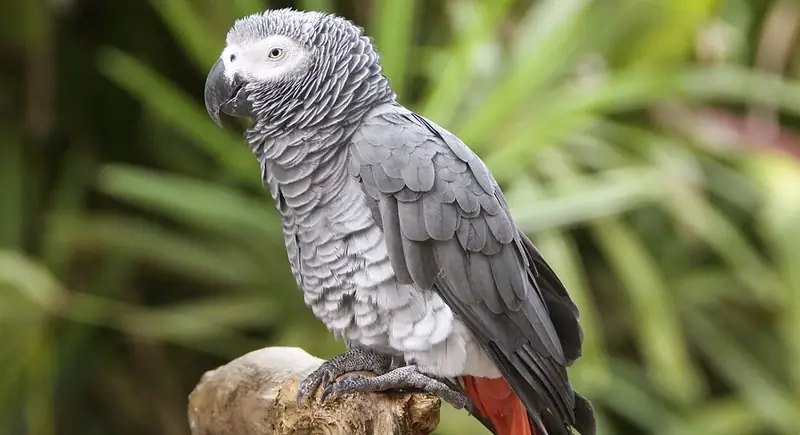
Griffin, an African grey parrot, made headlines for understanding concepts like “none” and even weighing the odds to gamble for a better treat. They mimic words, grasp meaning, and reason through complex choices. A couple of studies revealed that they can match young children in memory, categorization, and basic math tests.
Bumblebees
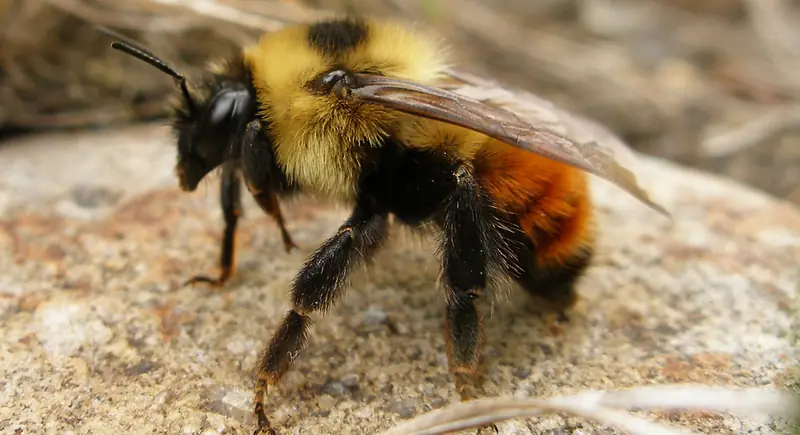
Tiny brains don’t stop bumblebees from doing big things. They find the shortest flower routes, can recognize patterns by touch, and teach others. Watching them work together shows that brains come in all sizes and sometimes with wings.
Bonobos
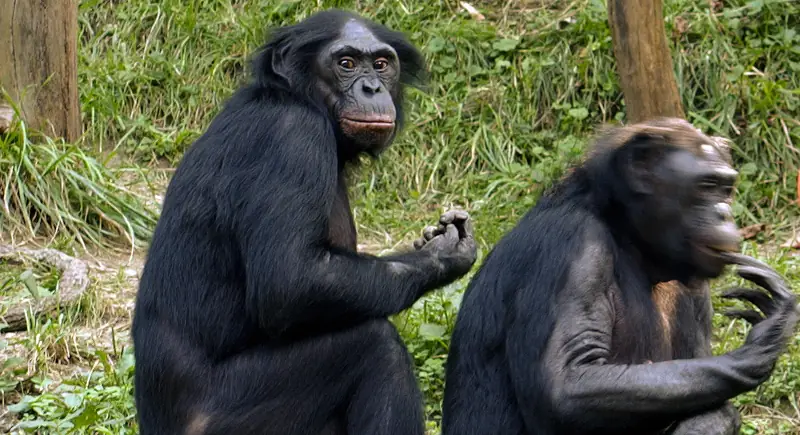
Empathy comes naturally to bonobos. In experiments, they willingly helped others, even when they were not rewarded. Their strong social bonds and peaceful communities help them go above and beyond finding solutions to challenges.
Ants
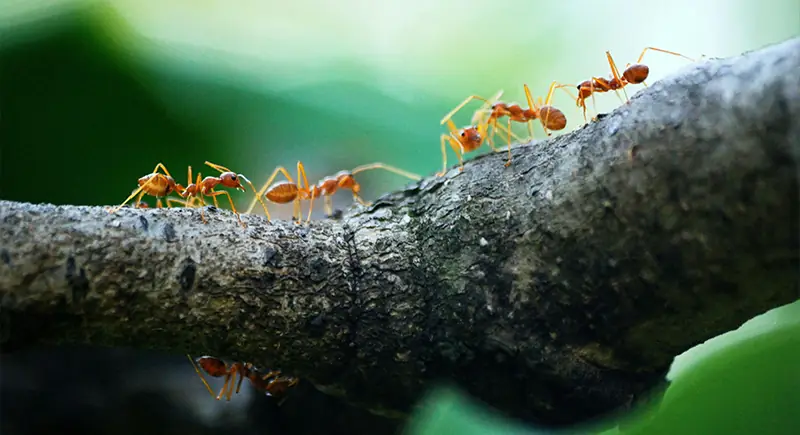
Ant colonies operate like living computers. No boss ant gives orders, yet thousands work together to build homes, gather food, and solve problems as a group. They adjust quickly when obstacles block their paths, finding new routes without hesitation. Some species even farm fungi or herd aphids like livestock.
Koalas
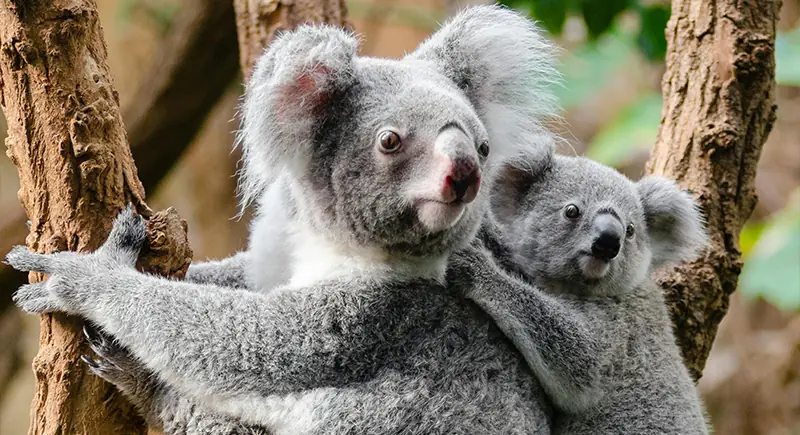
Most people think of koalas as sleepy tree-huggers, but they can be surprisingly resourceful. They have excellent spatial memory and often navigate complex habitats to find food and safety. Their sharp sense of direction helps them survive even when rivers or roads fragment habitats.
Cats
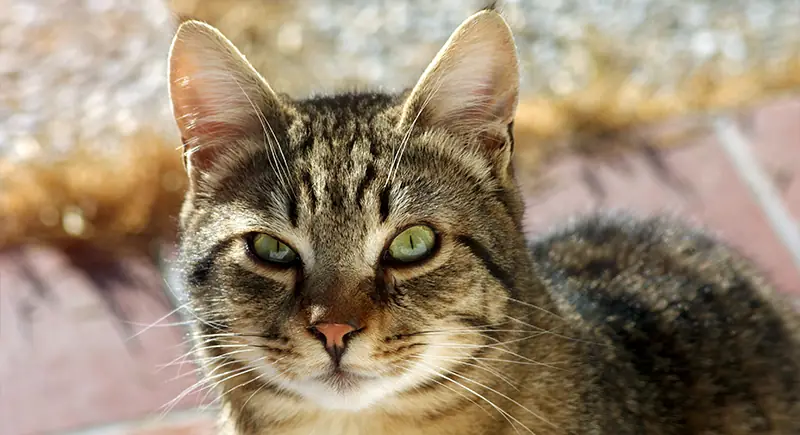
If you ask a cat to do tricks, it will not comply. Instead, it will do it on its terms. This could be anything, from opening a door, stealing a snack, or finding the sunniest spot in the house. But you can be sure that this animal’s silent calculations and sharp, insightful skills are always at work.
Orangutans
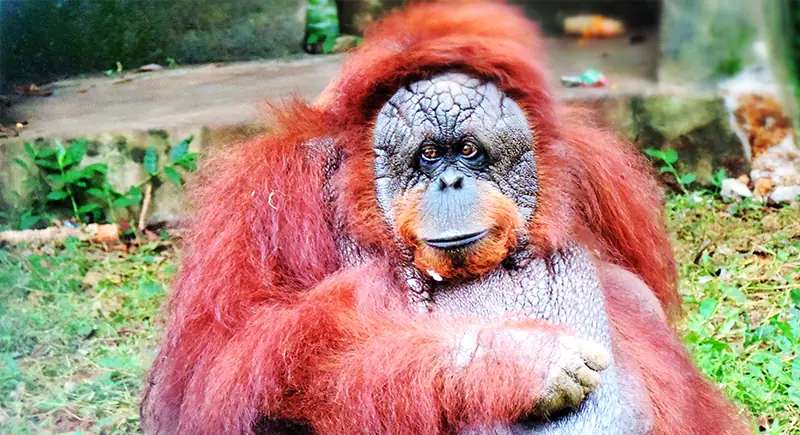
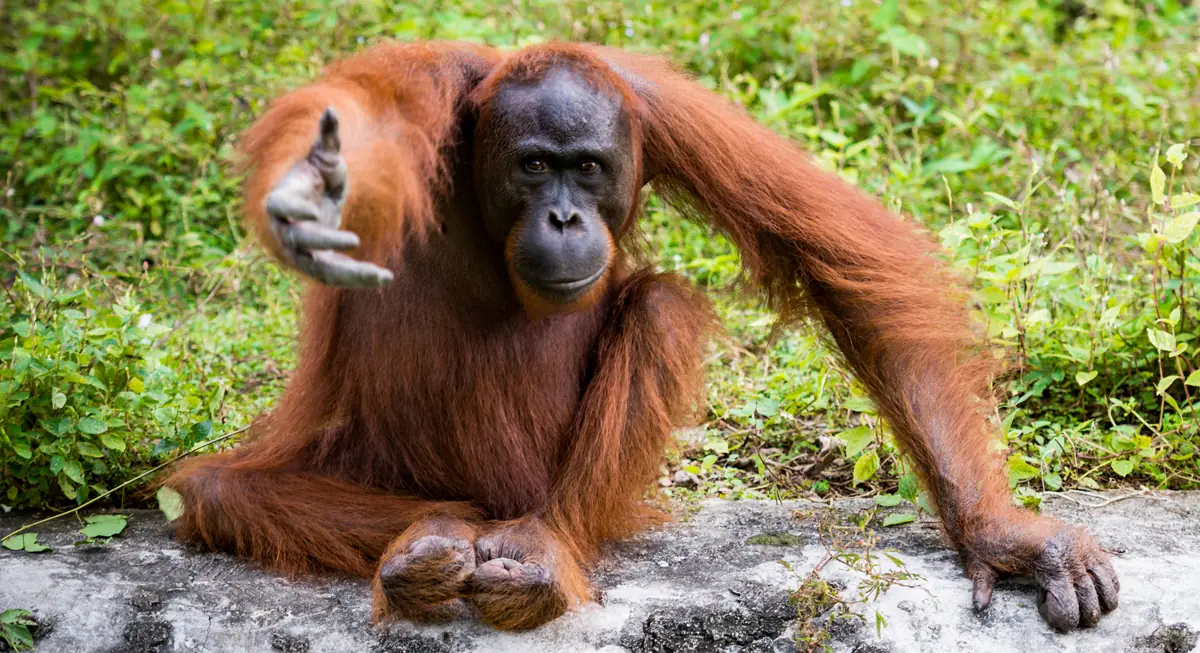
When orangutans learn, they copy, as well as innovate. Chantek, a famous orangutan, learned sign language, cleaned his room, and invented new signs to express himself. In the wild, orangutans create tools to gather food and build cozy nests each night. Their patience and creativity make them one of the world’s most impressive thinkers.
Cuttlefish
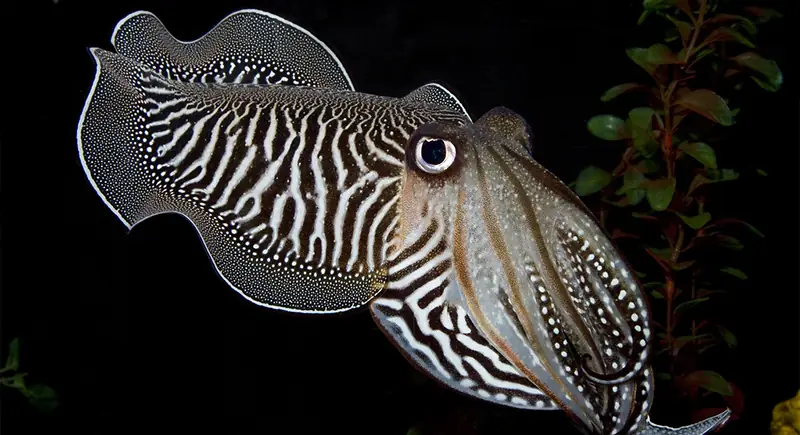
Underwater, cuttlefish put on dazzling light shows. But while those changing colors are mesmerizing, the point of these is to help the sea animals communicate, hide, or confuse predators. These creatures are packed with neurons and quick reflexes.
Giraffes
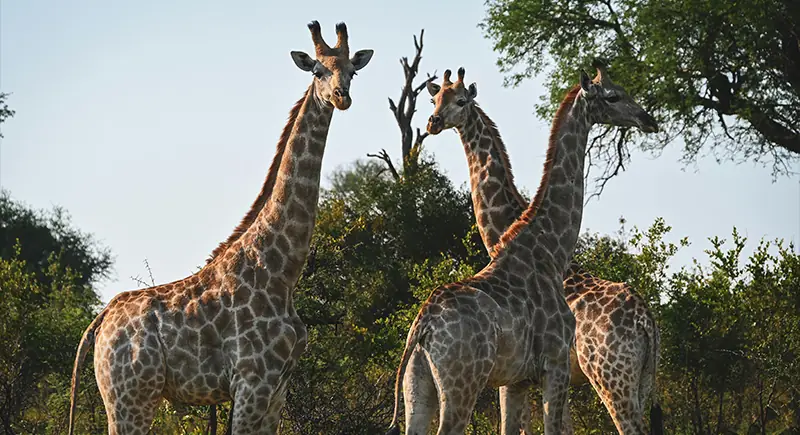
Giraffes, despite their relatively small brain-to-body ratio, have demonstrated statistical reasoning. In experiments, they picked the option most likely to give them their favorite treats. Turns out they’re doing a lot more thinking than we ever gave them credit for.
Poison Dart Frogs
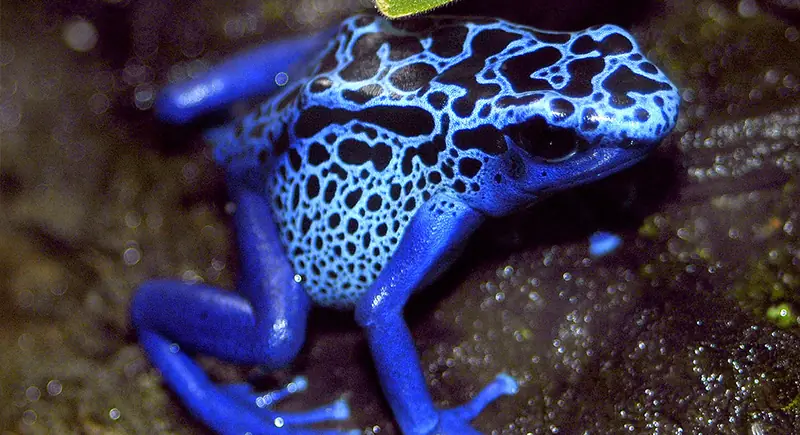
Mammals and birds are not the only species using cognitive maps. Poison dart frogs navigate rainforests with mental blueprints, finding their way through tricky terrain. Their sharp memory and flexible analytical skills reflect that tiny amphibians can also think on a surprisingly advanced level.
New Caledonian Crows
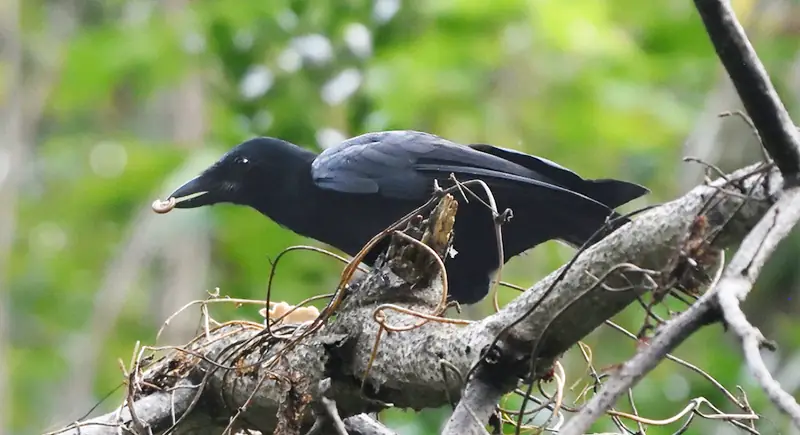
New Caledonian crows have a reputation for solving problems in ways that feel almost human. They shape sticks into tools, bend wires into hooks, and plan steps to reach food. In controlled studies, some even solve multi-step puzzles, showing memory and reasoning skills that go far beyond simple instinct.
Honey Badgers
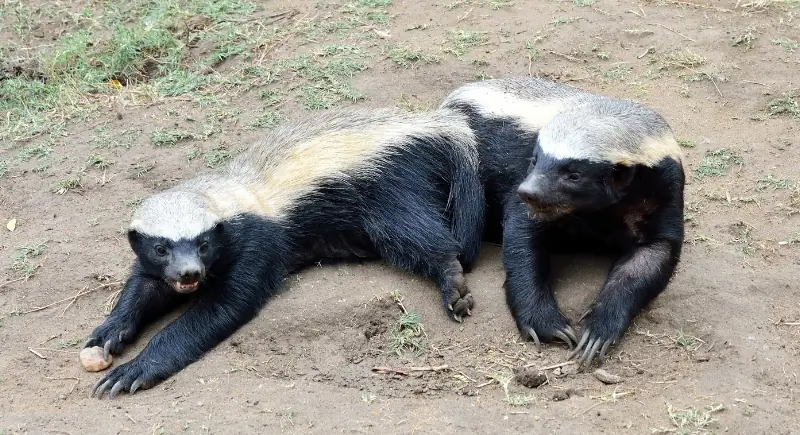
Honey badgers might look like pure chaos, but there is real thinking behind their behavior. They have been observed stacking objects to climb out of enclosures, opening gates, and adapting quickly when obstacles change. That mix of persistence and flexibility makes them far more strategic than their fearless reputation suggests.





