
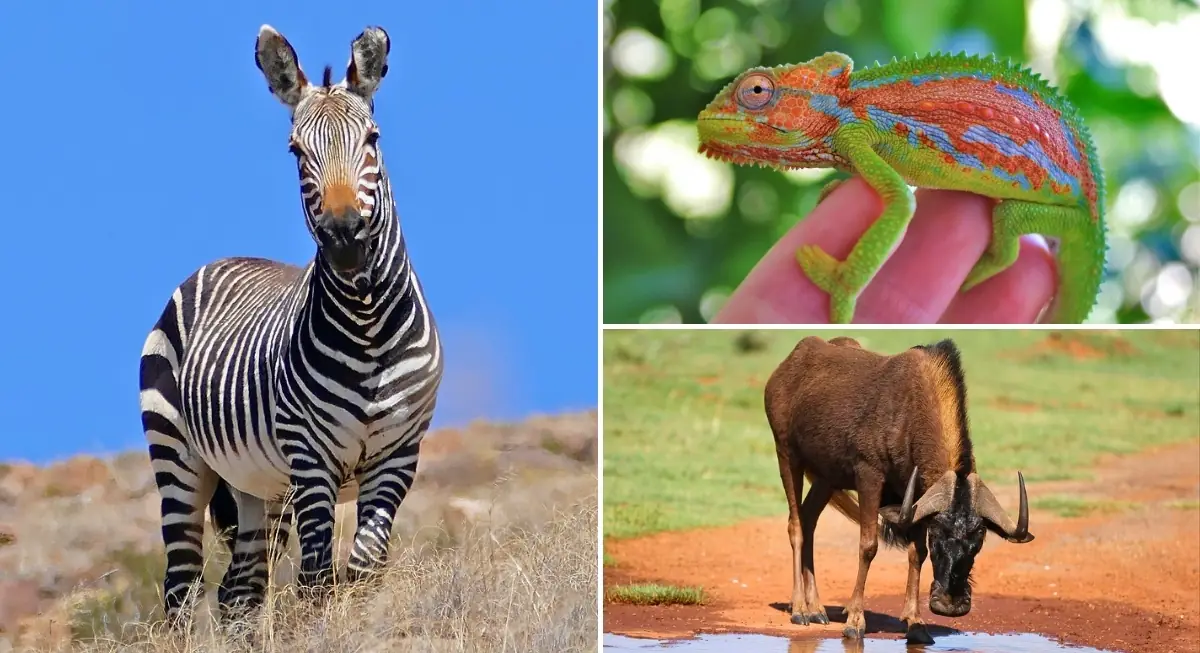
South Africa is one of the world’s most biodiverse places, home to animals that exist nowhere else. Many of these species are rare because their habitats are shrinking or highly specific. Some are already endangered, others are under close watch. Their survival often depends on careful management, public awareness, and how land is used going forward.
Cape Mountain Zebra
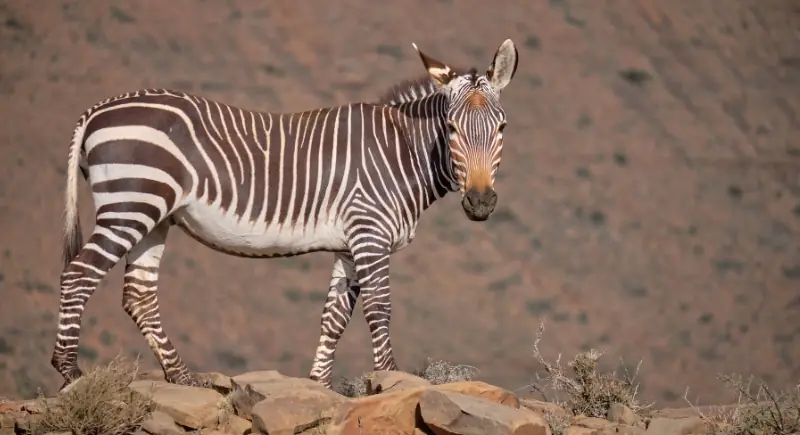
This zebra is the smallest of its kind in Africa, with adult males reaching about 570 pounds. It moves seasonally between elevations in the Cape mountains and is found only in a few national parks. Compared to its relatives, its range is far more restricted and subject to closer management.
Riverine Rabbit
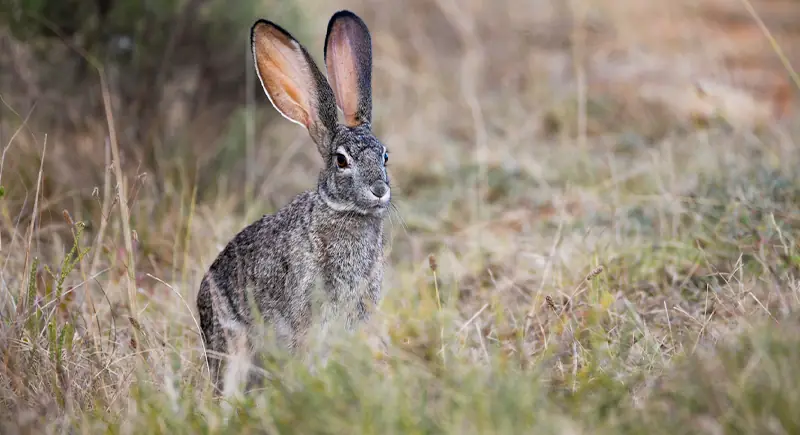
Only a few hundred of these desert-adapted rabbits remain, mostly in scattered patches of the Karoo. What makes them unusual isn’t just how few there are, but how little they reproduce. Females typically raise just one kit per year. Their genus, Bunolagus, includes no other species.
Cape Parrot
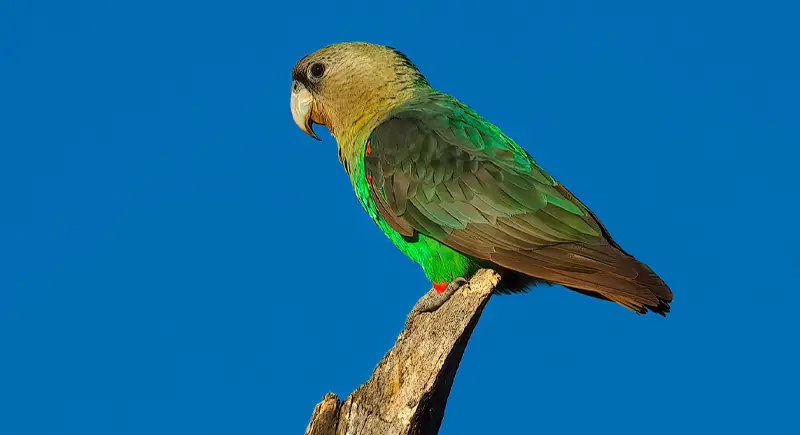
Unlike many parrots that prefer tropical rainforests, this one sticks to cool, misty forests of the Eastern Cape. Its diet focuses on hard-shelled yellowwood seeds, and its nesting spots are often old woodpecker holes. Habitat fragmentation has made spotting a flock in the wild increasingly rare.
Microfrog
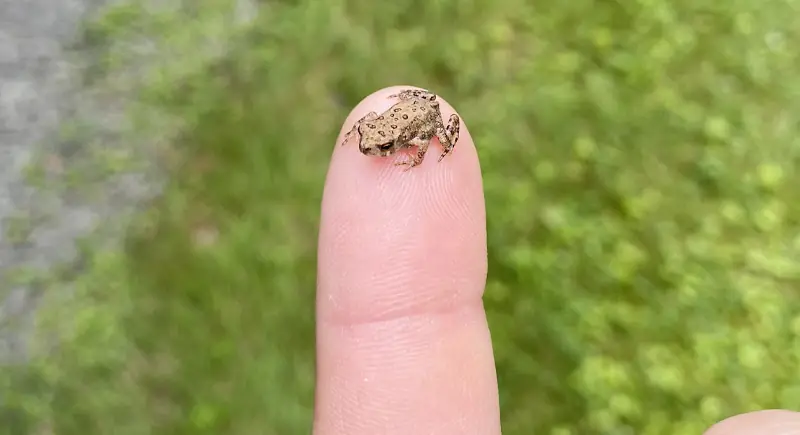
You’d need to look carefully to find this amphibian. It rarely grows beyond three-quarters of an inch. It lives in temporary pools in a handful of wetlands near the southwestern coast. These pools often disappear in dry years, which makes both survival and monitoring extremely difficult.
Cape Dwarf Chameleon
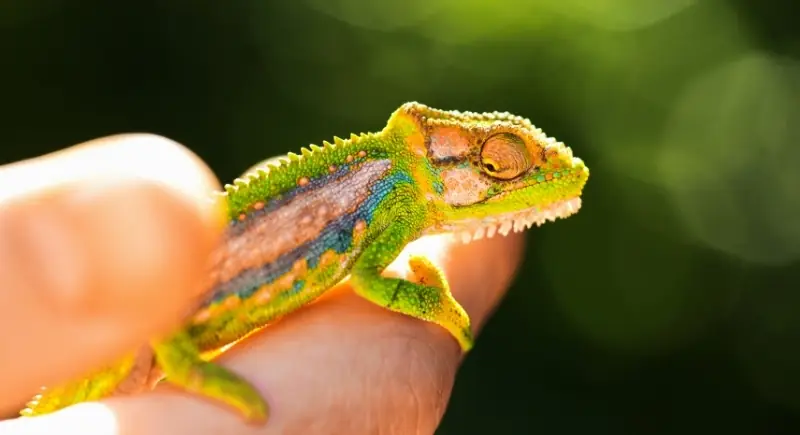
Only found around Cape Town, this chameleon reaches just six inches in length. It changes color like others in its genus, but is at risk from urban expansion and domestic predators. Its conservation status is Near Threatened, though stable in a few protected zones within its narrow range.
Geometric Tortoise
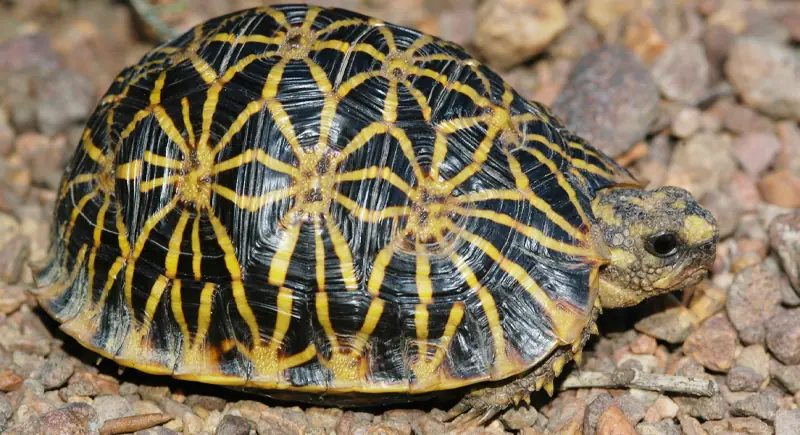
Its shell pattern looks almost designed, with sharp-edged yellow lines intersecting over a black background. But it’s more than decorative. These small tortoises rely on fynbos vegetation that burns regularly, regenerates quickly, and supports an ecosystem that now exists in fragments. Finding one in the wild is difficult, even for researchers.
Cape Grysbok
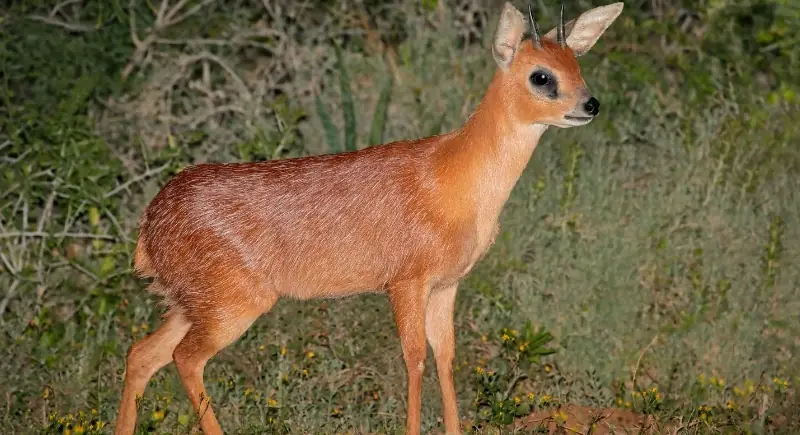
About the size of a medium dog, this reddish antelope is solitary and usually active at night. It browses low vegetation and has been seen nibbling plants in vineyards along the southern coast. When threatened, it stiffens its body hair to appear larger, an unusual yet effective tactic.
Black Wildebeest
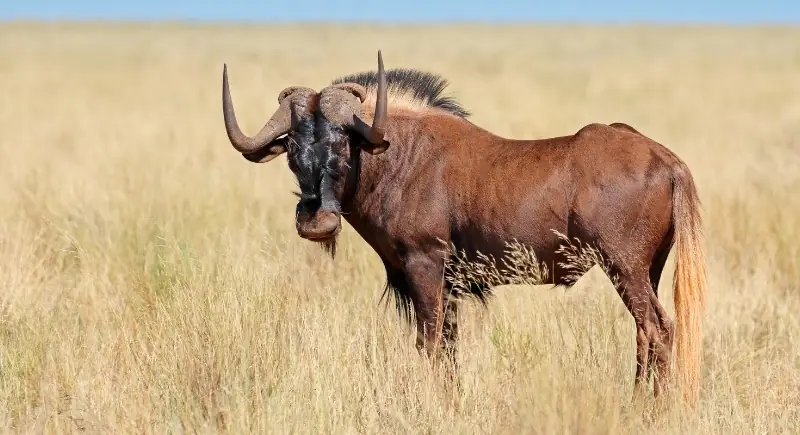
This species inhabits highland grasslands and has a distinctive appearance, characterized by forward-curving horns and a white tail. Adults can run at speeds of up to 50 miles per hour. Unlike the blue wildebeest, this one is not widespread across Africa. It’s found only in South Africa’s central interior.
Bontebok
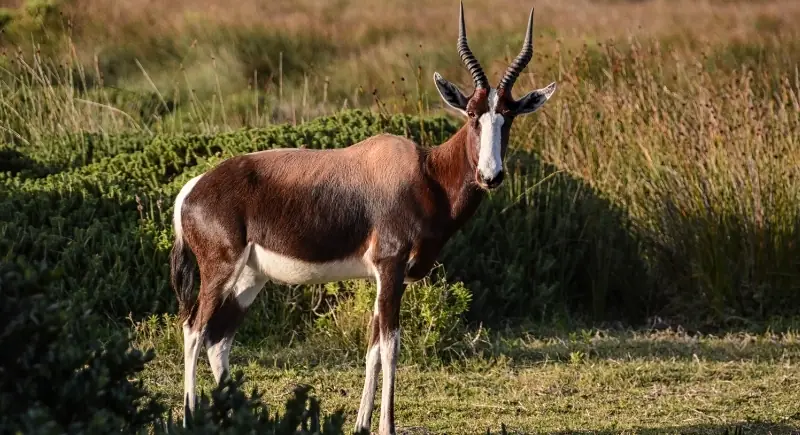
This antelope is easily identifiable by its distinctive white face and brown coat. Once nearly extinct, it now survives in limited areas, primarily due to reintroduction efforts. It’s unusually agile under fences, which complicates land-use management in areas where populations have been restored.
Giant Girdled Lizard
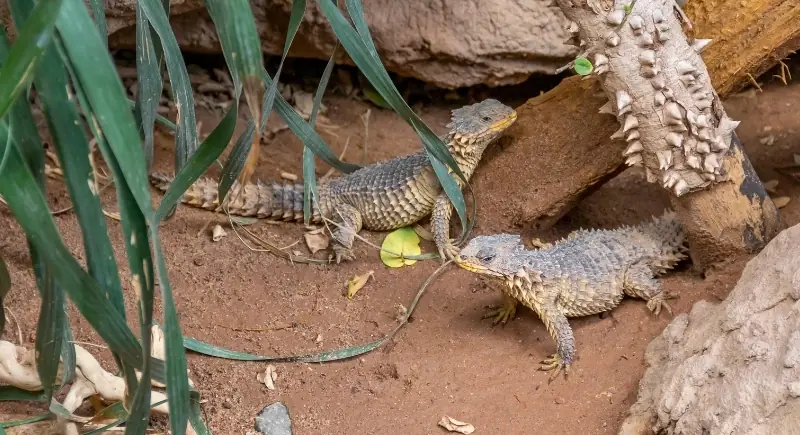
With its flat body and spiny scales, this lizard looks like it’s wearing armor. It wedges itself between rocky crevices in South Africa’s Highveld grasslands and remains motionless when disturbed. Illegal collection for pet markets has reduced wild populations, although it’s still observed in scattered colonies.





