
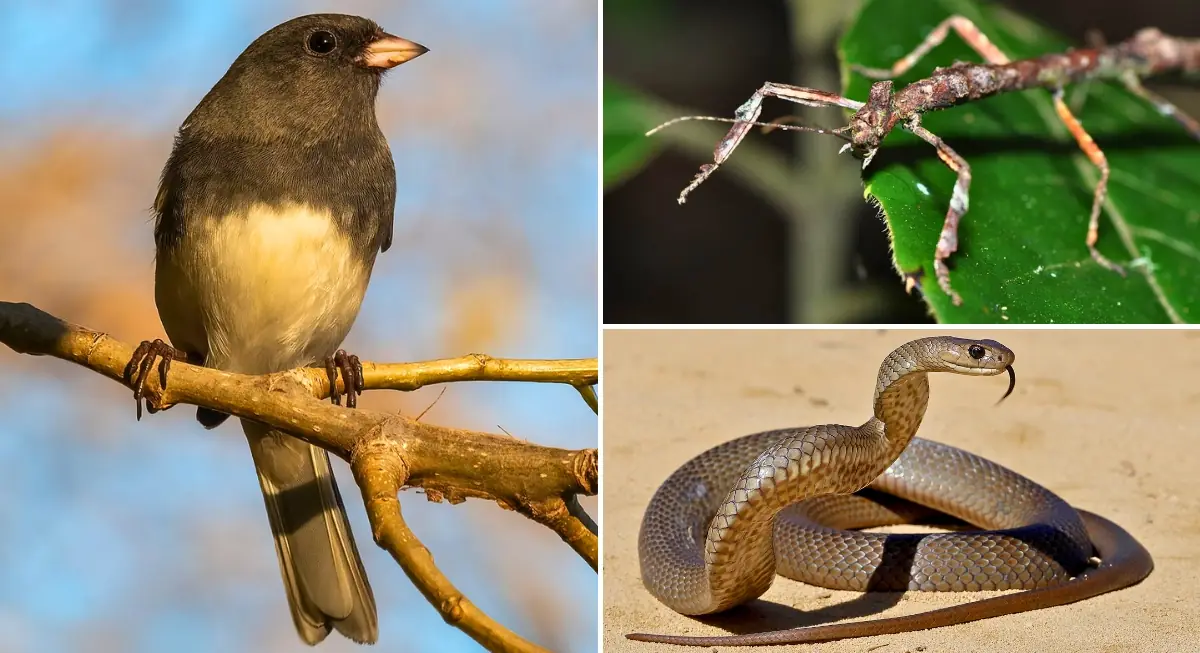
Evolution sounds like a straight climb toward better survival, but fossil records and genetic research show species sometimes lose traits or regain older ones when conditions shift. Scientists track these changes using fossils, DNA sequencing, and population studies. There are reversals that occur over a few generations, while others take millions of years, depending on environmental pressure and energy costs.
Dark-Eyed Juncos
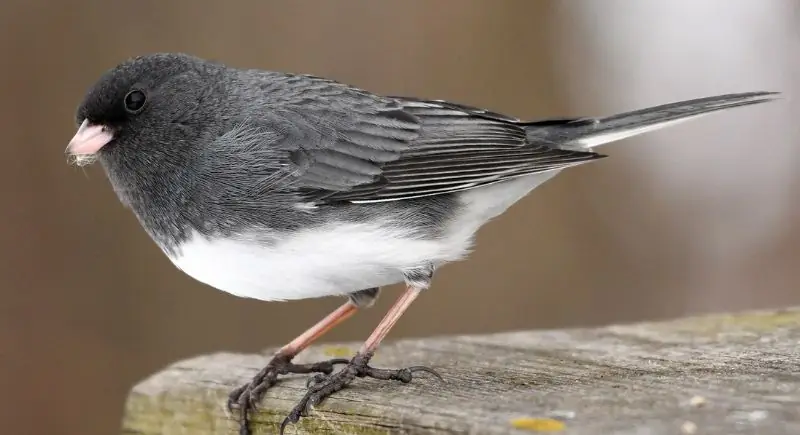
Between 2020 and 2025, dark-eyed juncos in Los Angeles developed longer beaks, then shifted back to shorter ones within a few breeding cycles. Birds born around 2021 showed slimmer beaks linked to reduced human food waste during lockdown periods. By 2023, normal feeding patterns returned, and shorter beaks again became common.
Peppered Moths
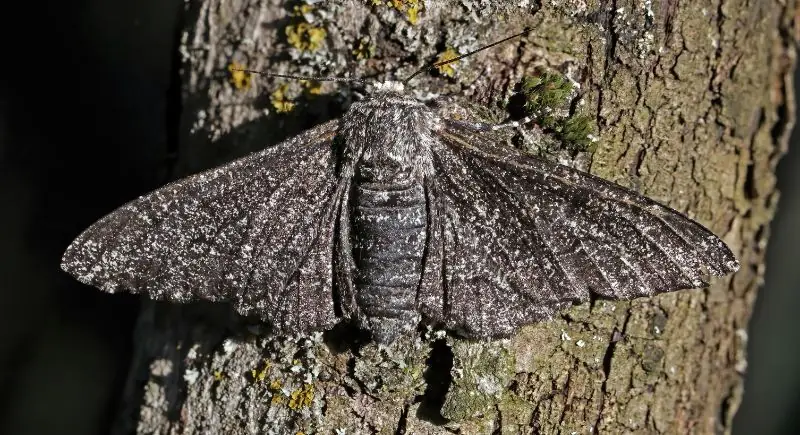
Soot from factories darkened tree bark across England during the late 1800s. That’s when black peppered moths became dominant because predators struggled to see them. By the 1970s, pollution controls cleaned the trees, and white moths returned because camouflage again improved survival. Genetic research later confirmed that natural selection drove both color shifts.
Three-Spined Sticklebacks
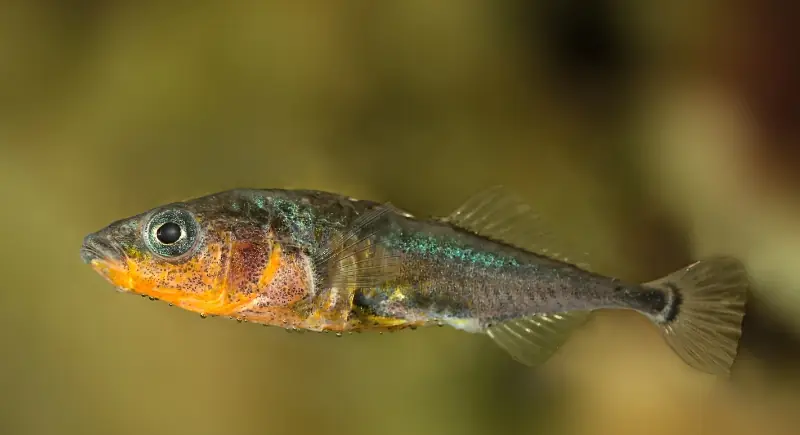
Marine sticklebacks have heavy body armor that protects against predators in open water. Freshwater populations lost much of that armor after moving inland thousands of years ago. After Lake Washington water clarity improved in the 1960s, fully armored fish increased from about 6% to nearly 50% by 2008 because predators could more easily spot unarmored fish.
Hagfish
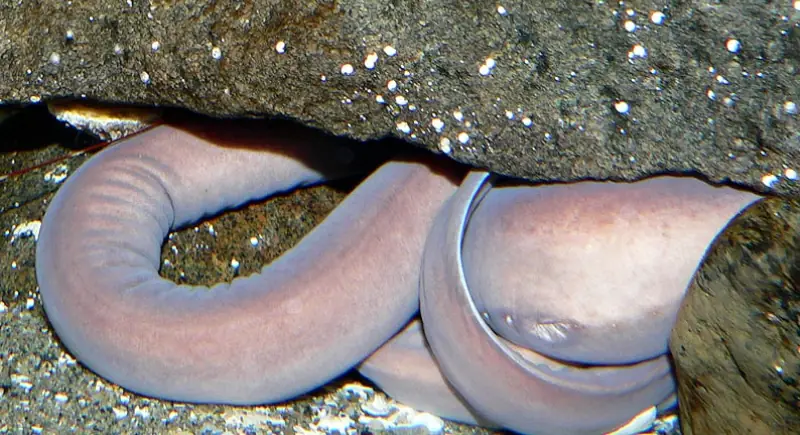
Fossils from roughly 300 million years ago show ancient hagfish had functional eyes containing pigment cells that helped detect shapes. Modern hagfish have reduced eyes and depend mostly on smell and touch. Vision can require up to 17% of total energy in some fish, which explains why losing eyesight helps survival in dark, deep-sea environments.
Snakes
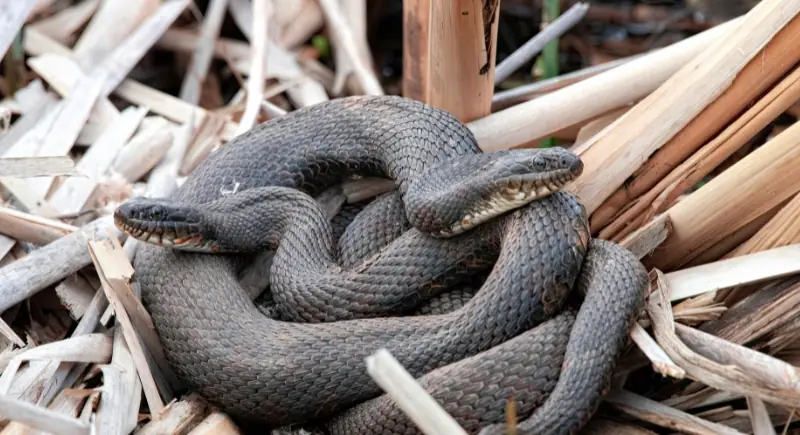
Fossil evidence shows ancient snakes once had legs, and modern pythons still carry tiny internal leg remnants. CT scans of inner-ear fossils reveal features similar to those of modern burrowing animals. These structures suggest early snakes adapted to underground life. Losing legs helped snakes move efficiently through soil while hunting small prey underground.
Liolaemus Lizards
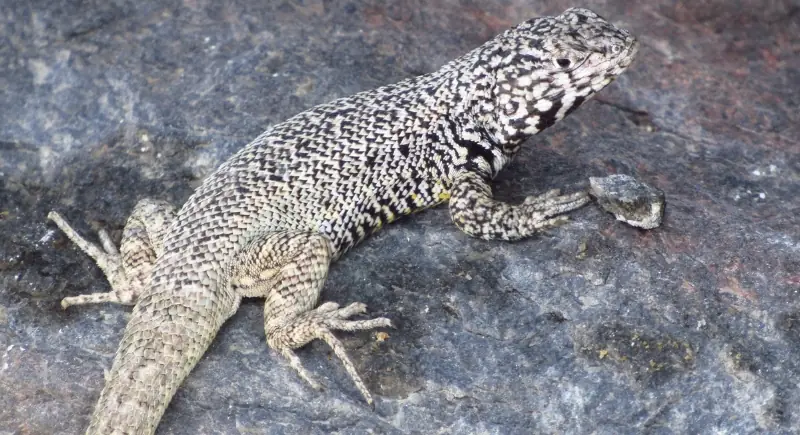
Many Liolaemus lizards originally laid eggs, then switched to live birth as the Andes Mountains rose and temperatures dropped. Warmer low elevations later allowed some populations to return to egg laying. Scientists still study how reproductive systems are physically reversed because regaining egg production requires major internal biological changes.
Walking Stick Insects
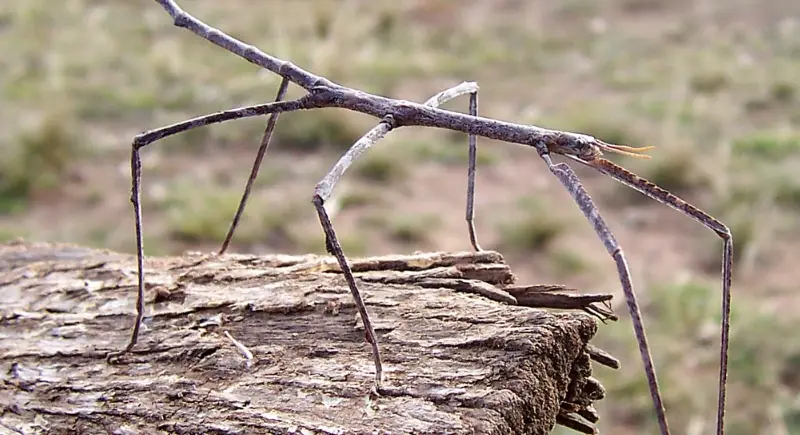
Stick insects have gone without wings for about 50 million years before some species regained them. Genetic studies show wing development genes stayed in their DNA but were inactive. Environmental conditions later favored flight again. Reactivating those genes allowed wings to return.
Guenther’s Marsupial Frog
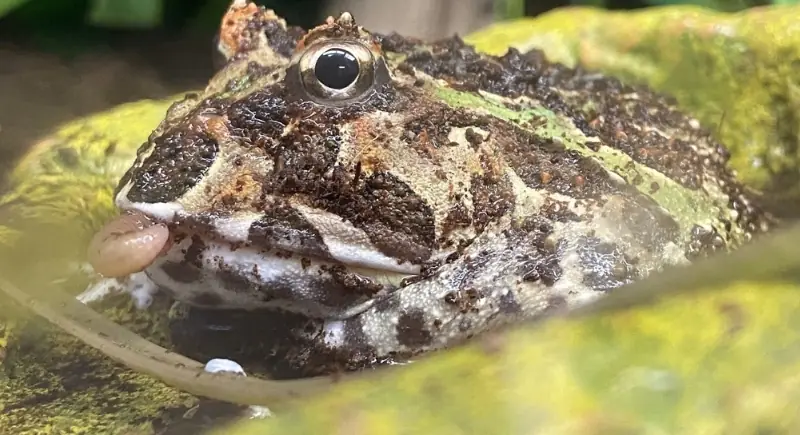
Frogs with full teeth seem weird; good thing most frogs lost their lower teeth about 230 million years ago. Guenther’s marsupial frog regained lower teeth roughly 20 million years ago after millions of years without them. Scientists think the change helped them hold larger prey. The species is extremely rare, with the last confirmed sighting recorded in 1996.
Aldabra Rail
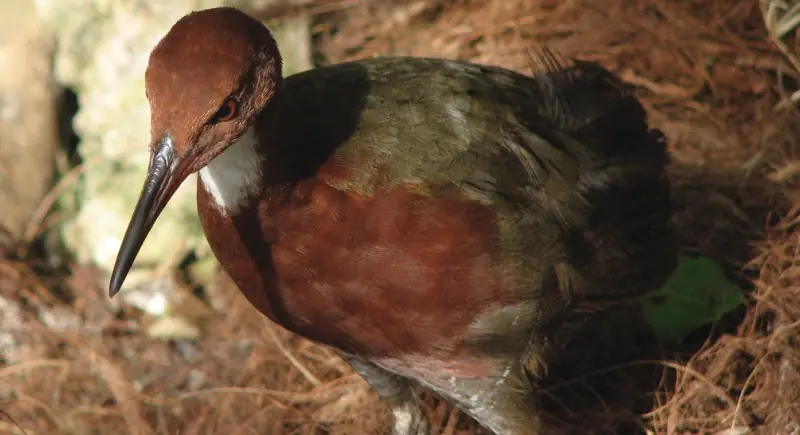
The Aldabra rail evolved flightlessness on the Aldabra Atoll about 136,000 years ago. Rising sea levels later submerged the islands, wiping out the birds. Flying white-throated rails recolonized after land reappeared. Over about 20,000 years, the birds lost flight again.





