
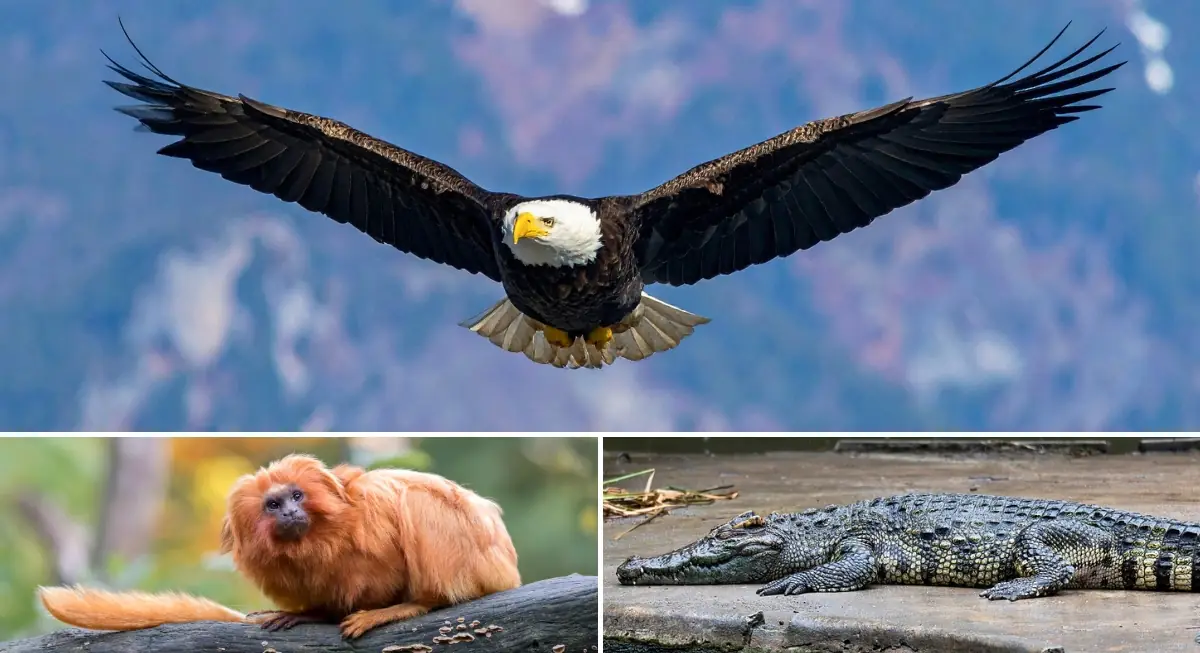
Extinction usually feels final. Once a species disappears, there is rarely a second chance. But a small number of animals managed to survive when everything seemed stacked against them, often because people stepped in at the last possible moment.
These recoveries came from years of protection, careful planning, and stubborn patience. Each species followed a different path back from the edge, but none survived on luck alone. Here are ten remarkable cases where life held on when it almost did not.
Bald Eagle
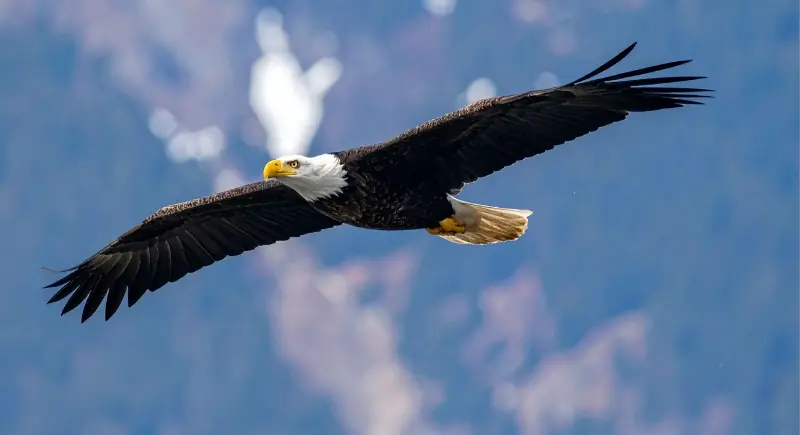
By the 1950s, bald eagle populations in the lower 48 states had dropped to just 412 nesting pairs due to DDT, which thinned eggshells and caused widespread nest failure. The 1972 DDT ban and protections under the Endangered Species Preservation Act reversed the decline. By 2019, the population had reached 316,700 individuals.
Galápagos Giant Tortoise
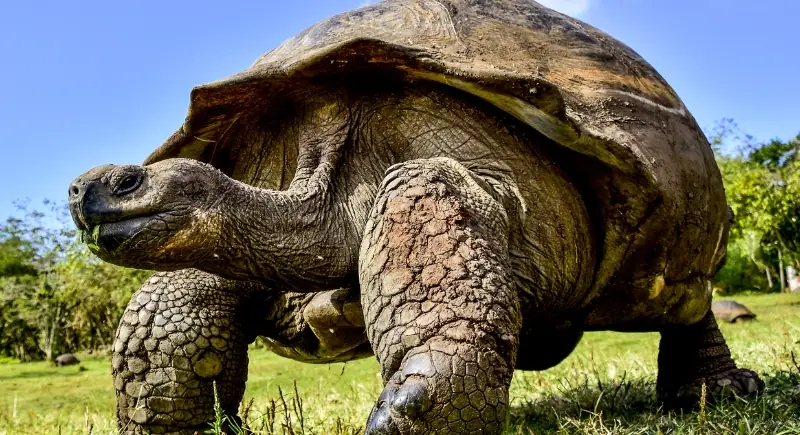
On Española Island in the Galápagos, the local giant tortoise subspecies dwindled to just 14 survivors in the 20th century. One male, named Diego, was brought from a U.S. zoo to father hundreds of offspring. Nearly all current Española tortoises descend from him, with around 1,800 back in the wild by 2020.
American Bison
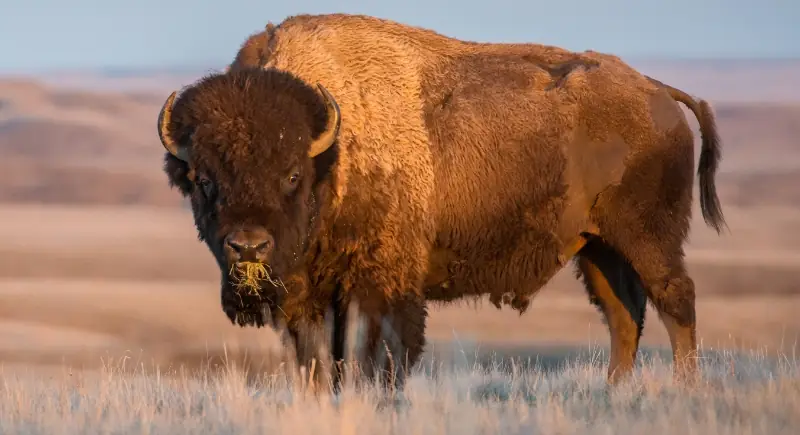
American bison were hunted to near extinction by the late 1800s. By 1890, only about 1,000 remained. Early conservationists, including President Theodore Roosevelt, backed the creation of bison preserves. These efforts brought wild numbers back to around 20,000 in protected areas today.
Peregrine Falcon
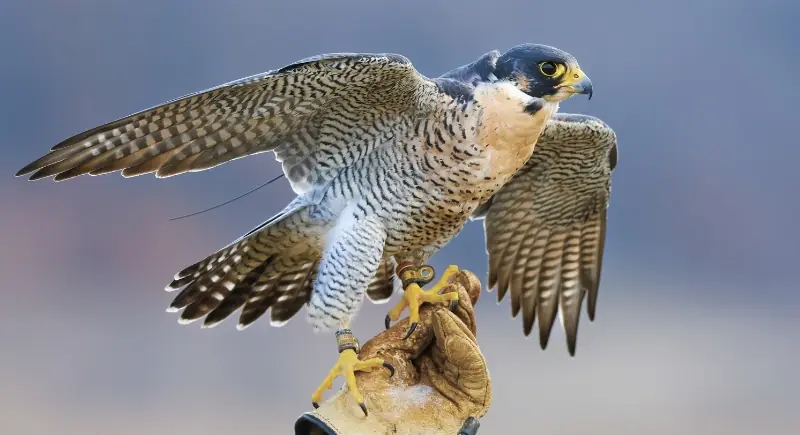
After vanishing from much of the U.S. due to DDT, peregrine falcons were bred in captivity and released city by city, cliff by cliff. The first efforts in the 1970s took years to yield results, but by 1999 the species had recovered enough to be taken off the endangered list.
Golden Lion Tamarin
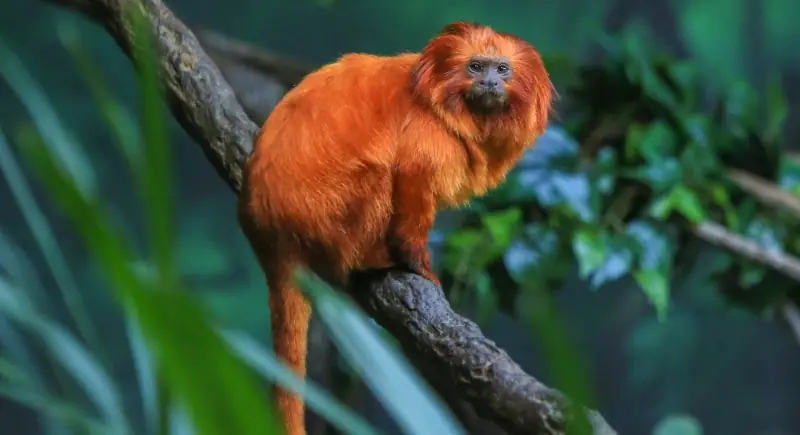
Deforestation reduced golden lion tamarin numbers to about 200 in the 1960s. Brazilian and international organizations launched captive breeding and habitat corridor projects in the 1980s. Thousands now live in the wild, though survival depends on continued forest connectivity in southeastern Brazil.
Przewalski’s Horse
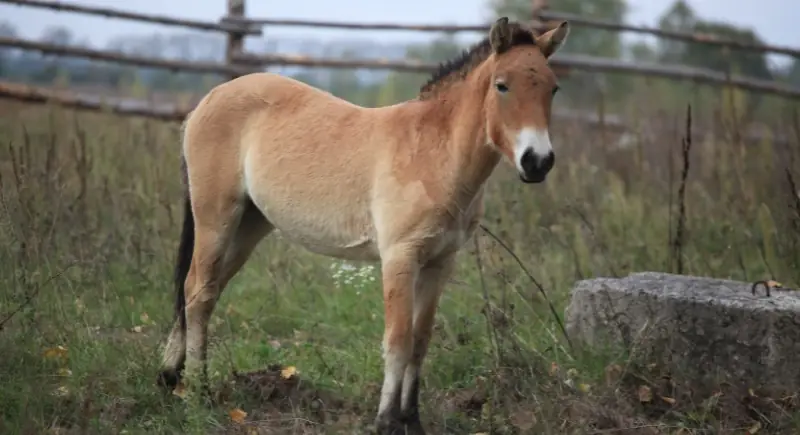
By the 1970s, this stocky horse from Central Asia had disappeared from the wild. Only about a dozen animals survived in captivity, becoming the last hope for the species. Years of careful breeding followed, and their descendants were slowly returned to Mongolia and China. Today, around 2,000 Przewalski’s horses live again in restored wild herds across the region.
Aleutian Canada Goose
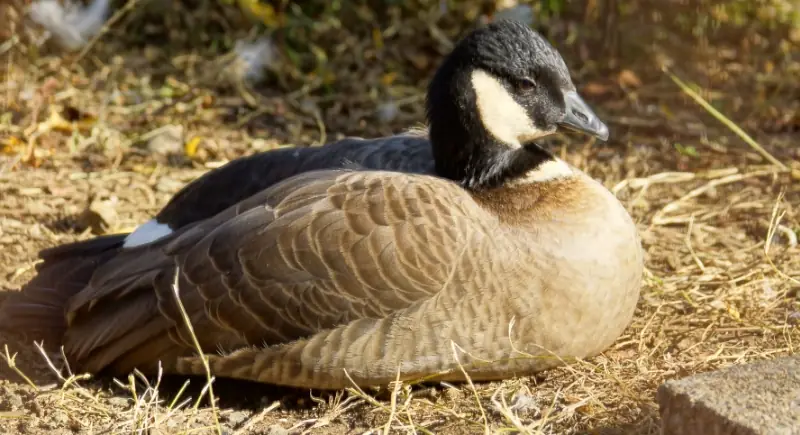
After disappearing from view and being presumed extinct, this goose was rediscovered in 1962. It turned out invasive foxes introduced to its nesting islands had devastated the species. Once those predators were eliminated and the habitat protected, the population recovered rapidly, reaching over 30,000 by the late 1990s.
Siamese Crocodile
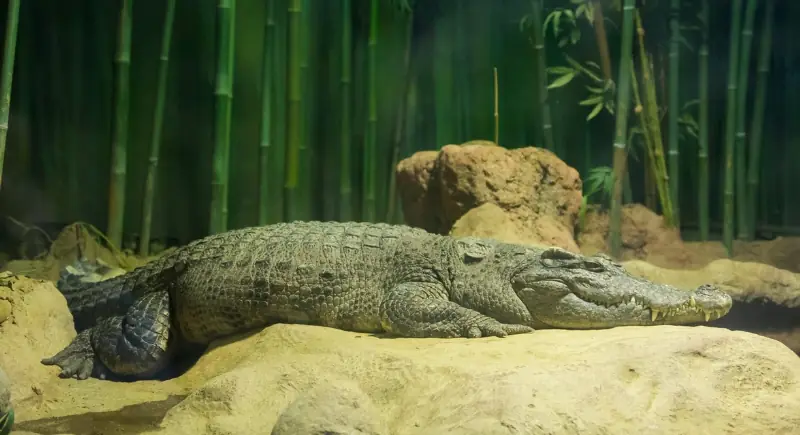
By the 1990s, the Siamese crocodile was believed extinct in the wild, and its hide was highly prized. A few were rediscovered in Cambodia. Rather than enforcing protection from the top down, conservation groups partnered with local communities to protect habitat and hatchlings. The species now has several hundred wild members.
Pemba Flying Fox
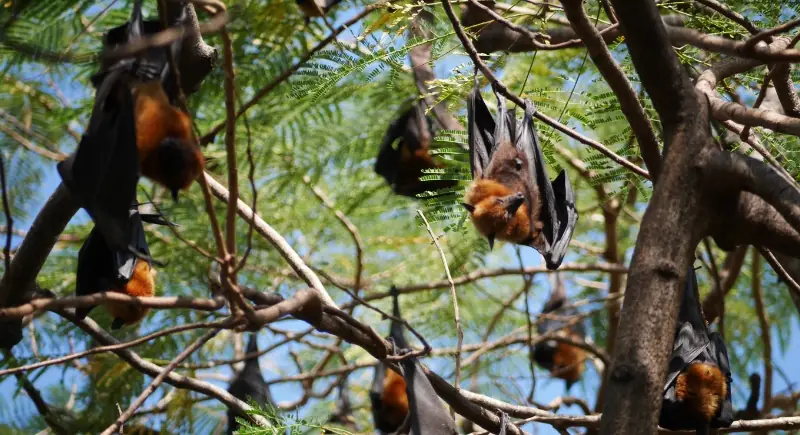
This large fruit bat from Tanzania’s Pemba Island was nearly hunted out and lost its forest home. Conservationists worked with local leaders to create two forest reserves and launched outreach programs. These efforts helped the species rebound from under 1,000 to tens of thousands by the late 2000s.
Monito Gecko
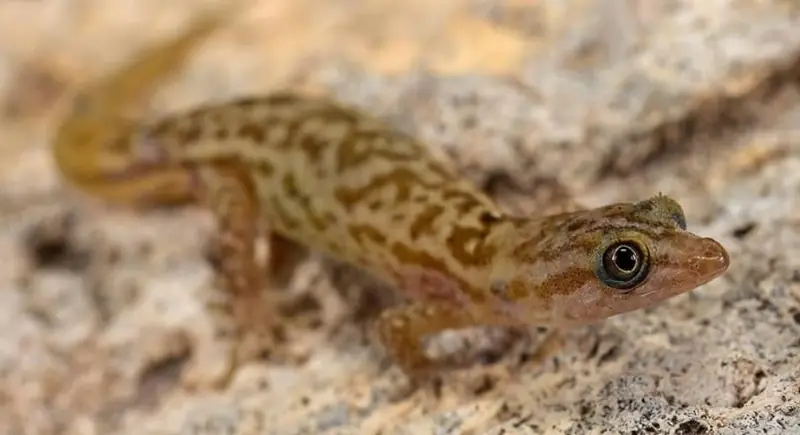
Native only to Monito Island near Puerto Rico, the Monito gecko declined due to predation by invasive rats. After the island was declared rat-free in 2014, the population rebounded. Later surveys estimated about 7,600 individuals, which led to its removal from the Endangered Species Act list.





